Igor Boiko – författare
Visar alla böcker från författaren Igor Boiko. Handla med fri frakt och snabb leverans.
10 produkter
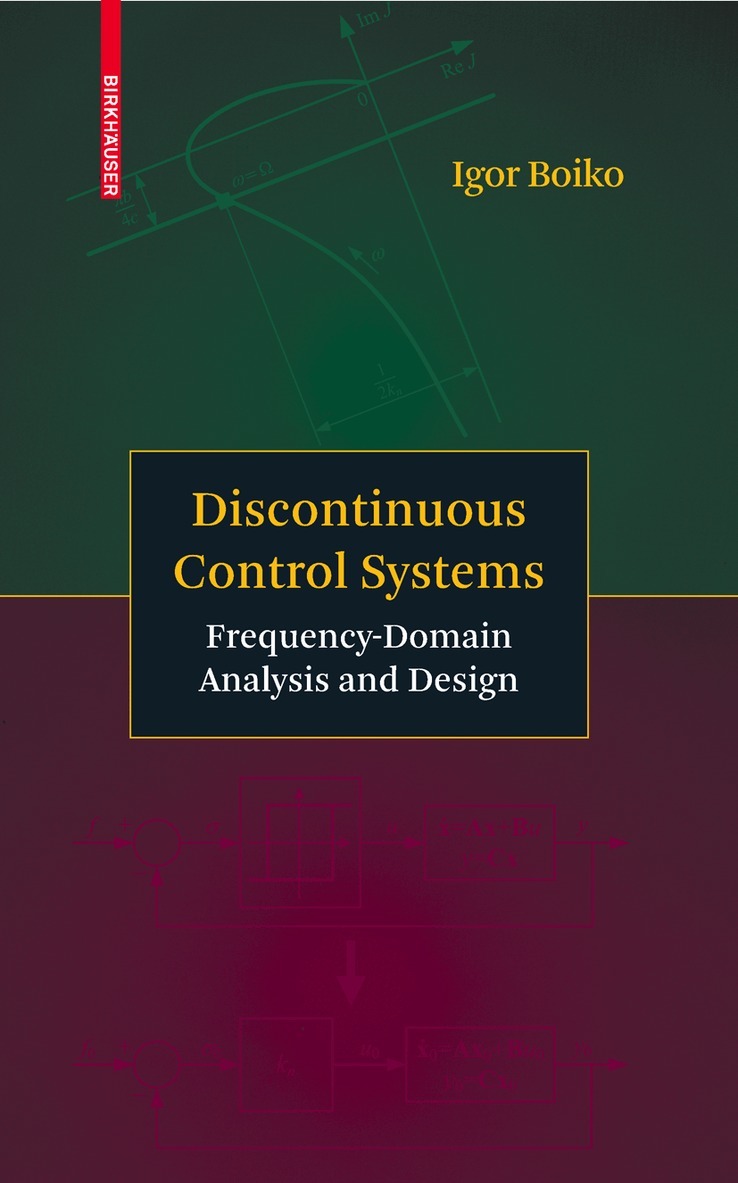
Discontinuous Control Systems
Frequency-Domain Analysis and Design
Av Igor Boiko
Inbunden, 2008
1534 kr
Lägg i varukorg
Discontinuous control systems are the oldest type of control system and the mostwidespreadtypeofnonlinearcontrolsystem. Thetheoryofdiscontinuous control, and the theory of relay feedback systems in particular, is usually c- sidered a mature subject. However, many problems in discontinuous control …
Discontinuous Control Systems
Frequency-Domain Analysis and Design
Av Igor Boiko
E-bok, 2008
1948 kr
Lägg i varukorg
Discontinuous control systems are the oldest type of control system and the mostwidespreadtypeofnonlinearcontrolsystem. Thetheoryofdiscontinuous control, and the theory of relay feedback systems in particular, is usually c- sidered a mature subject. However, many problems in discontinuous control …
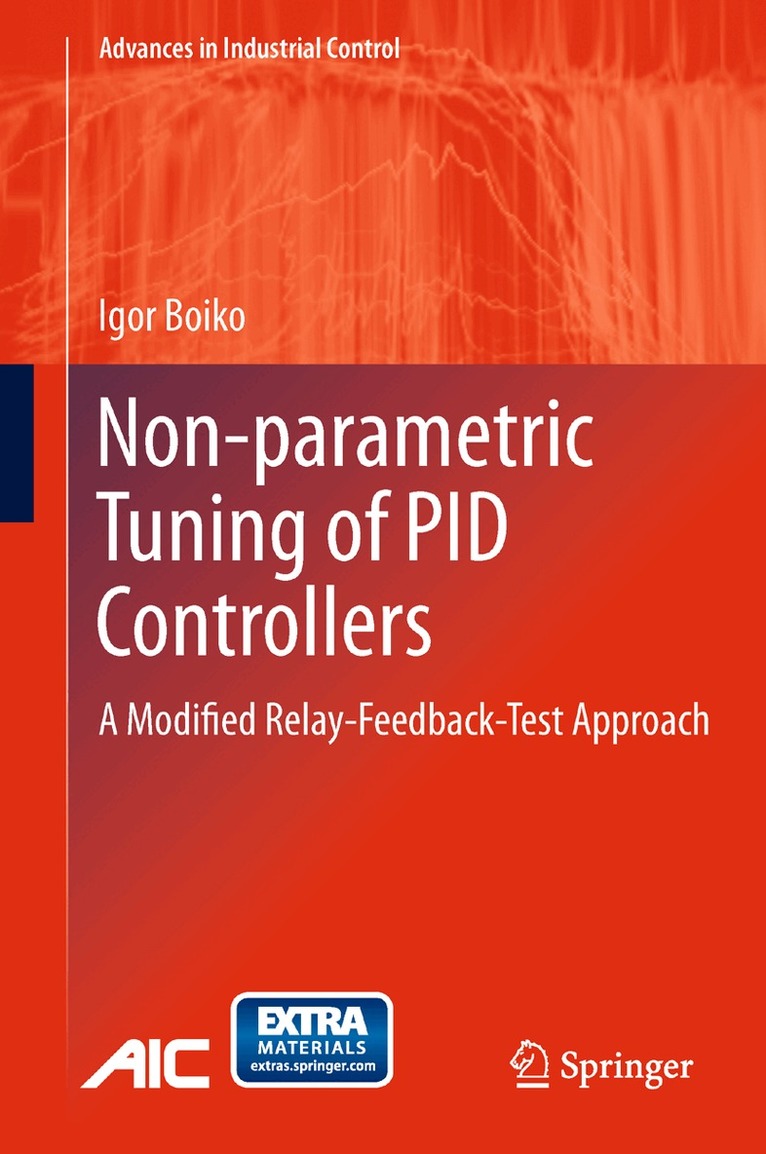
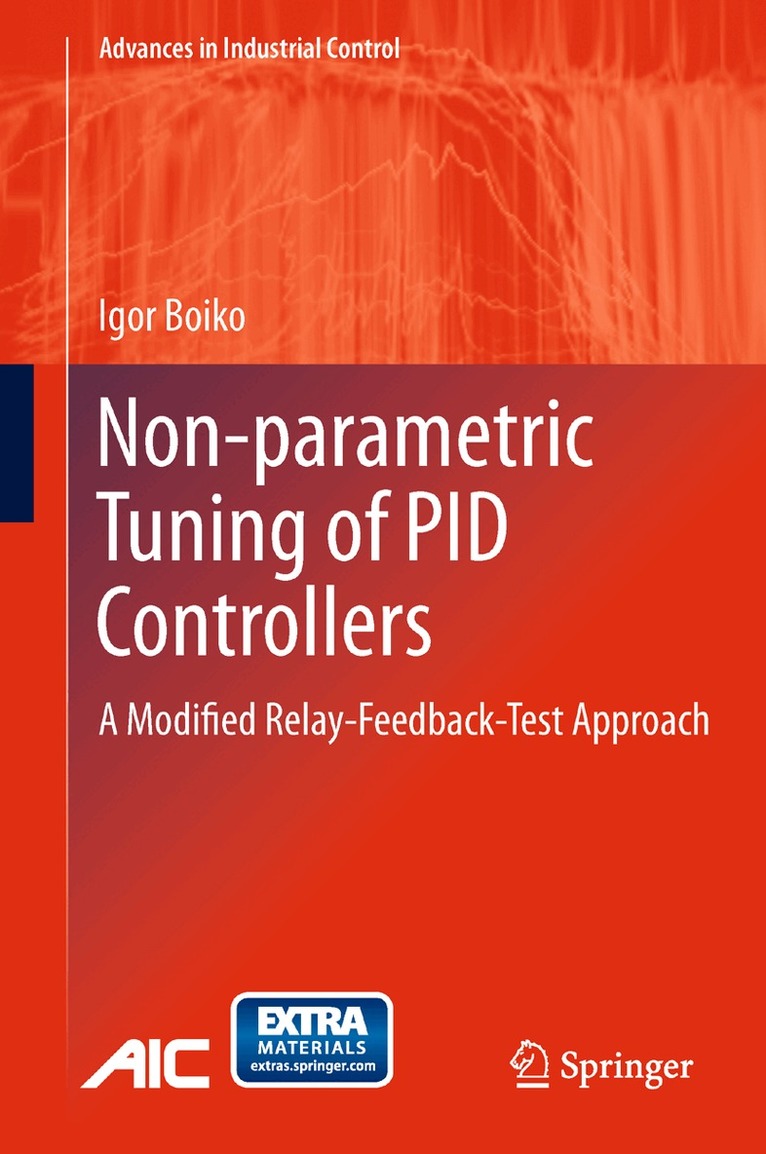
Non-parametric Tuning of PID Controllers
A Modified Relay-Feedback-Test Approach
Av Igor Boiko
Inbunden, 2012
1098 kr
Lägg i varukorg
The relay feedback test (RFT) has become a popular and efficient in process identification and automatic controller tuning. Non-parametric Tuning of PID Controllers couples new modifications of classical RFT with application-specific optimal tuning rules to form a non-parametric method of …
Non-parametric Tuning of PID Controllers
A Modified Relay-Feedback-Test Approach
Av Igor Boiko
E-bok, 2012
1459 kr
Lägg i varukorg
The relay feedback test (RFT) has become a popular and efficient in process identification and automatic controller tuning. Non-parametric Tuning of PID Controllers couples new modifications of classical RFT with application-specific optimal tuning rules to form a non-parametric method of …
Non-parametric Tuning of PID Controllers
A Modified Relay-Feedback-Test Approach
Av Igor Boiko
Häftad, 2014
1098 kr
Lägg i varukorg
The relay feedback test (RFT) has become a popular and efficient in process identification and automatic controller tuning. Non-parametric Tuning of PID Controllers couples new modifications of classical RFT with application-specific optimal tuning rules to form a non-parametric method of …
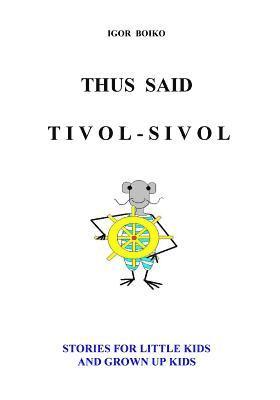
Thus Said Tivol-Sivol (Stories for Little Kids and Grown Up Kids)
Av Igor Boiko
Häftad
213 kr
Lägg i varukorg
Sliding-Mode, Variable-Structure and Discontinuous Control Systems
State of the Art and Modern Trends
Av Igor Boiko, Antonella Ferrara
Inbunden, 2027
2736 kr
Kommande
This book offers a fresh perspective on variable-structure systems and discontinuous control systems. It treats both complex control theories, having a focus on higher-order sliding modes, and their practical applications in engineering. It details new algorithms: their analysis, methods and useful …
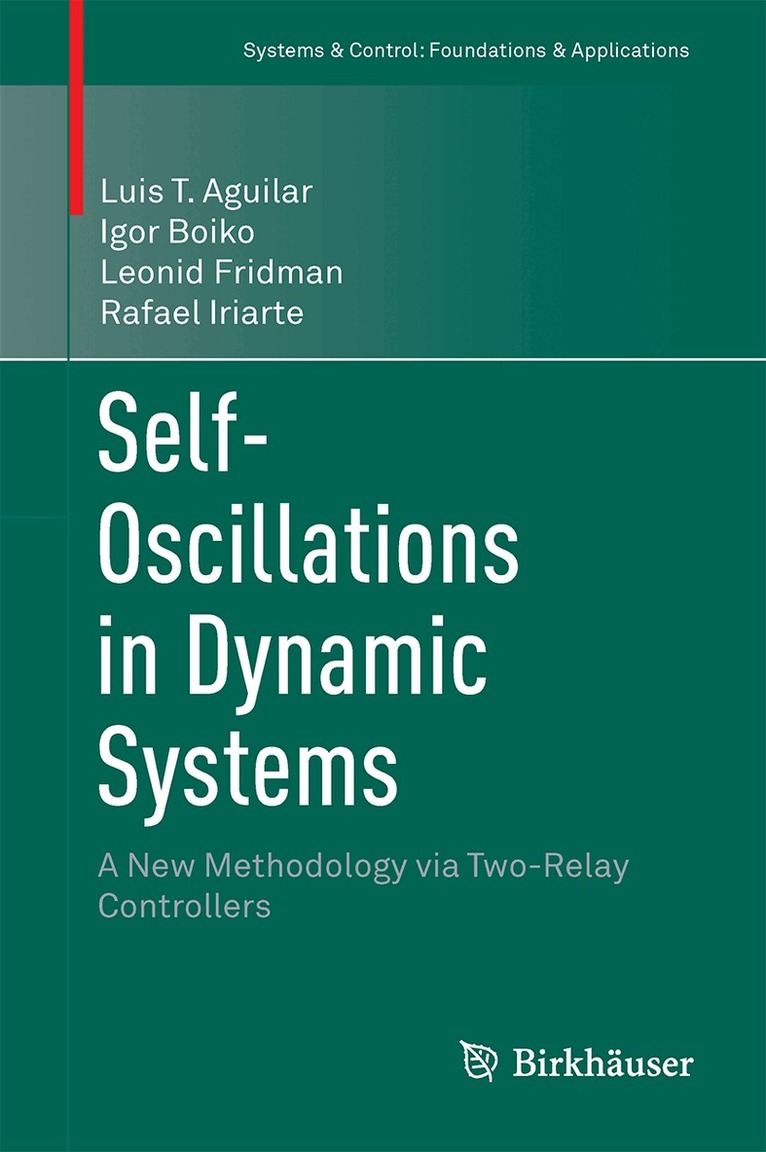
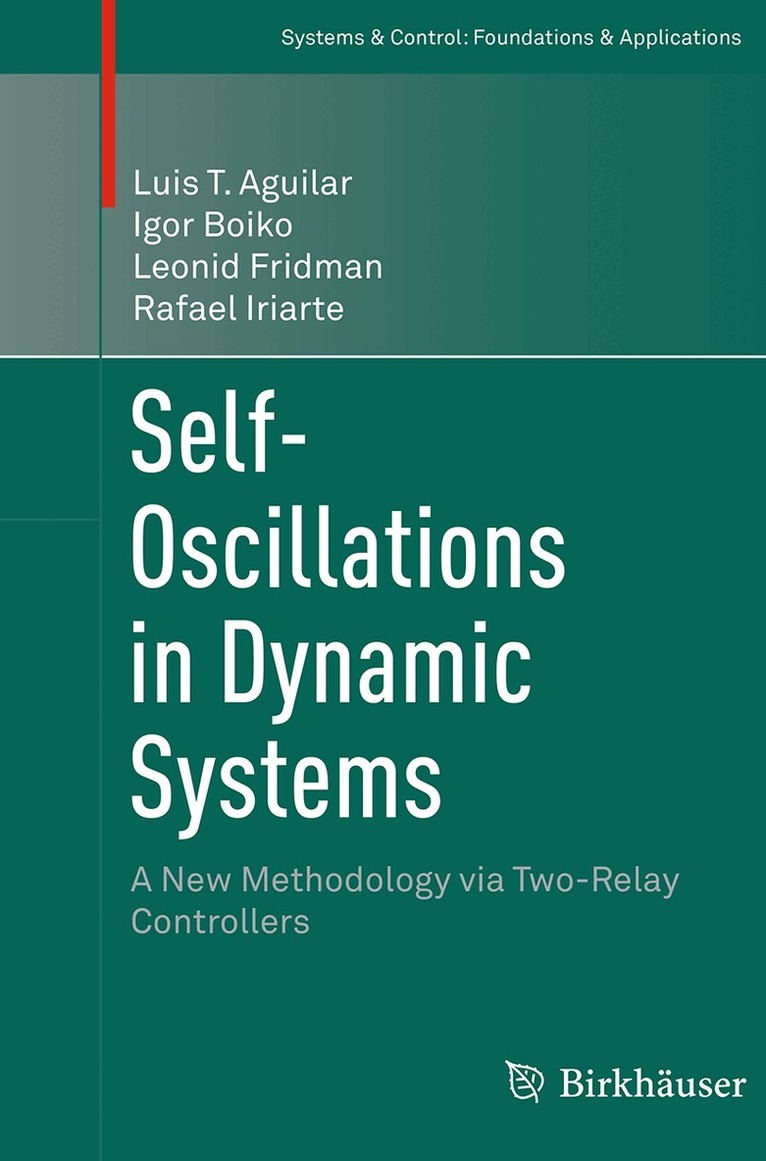
Self-Oscillations in Dynamic Systems
A New Methodology via Two-Relay Controllers
Av Luis T. Aguilar, Igor Boiko m. fl.
Inbunden, 2015
552 kr
Lägg i varukorg
This monograph presents a simple and efficient two-relay control algorithm for generation of self-excited oscillations of a desired amplitude and frequency in dynamic systems. Developed by the authors, the two-relay controller consists of two relays switched by the feedback received from a linear …
Self-Oscillations in Dynamic Systems
A New Methodology via Two-Relay Controllers
Av Rafael Iriarte, Leonid Fridman m. fl.
E-bok, 2015
734 kr
Lägg i varukorg
This monograph presents a simple and efficient two-relay control algorithm for generation of self-excited oscillations of a desired amplitude and frequency in dynamic systems. Developed by the authors, the two-relay controller consists of two relays switched by the feedback received from a linear …
Self-Oscillations in Dynamic Systems
A New Methodology via Two-Relay Controllers
Av Luis T. Aguilar, Igor Boiko m. fl.
Häftad, 2016
552 kr
Lägg i varukorg
This monograph presents a simple and efficient two-relay control algorithm for generation of self-excited oscillations of a desired amplitude and frequency in dynamic systems. Developed by the authors, the two-relay controller consists of two relays switched by the feedback received from a linear …