Ina Horlings – författare
Visar alla böcker från författaren Ina Horlings. Handla med fri frakt och snabb leverans.
3 produkter
3 produkter
2 161 kr
Skickas inom 10-15 vardagar
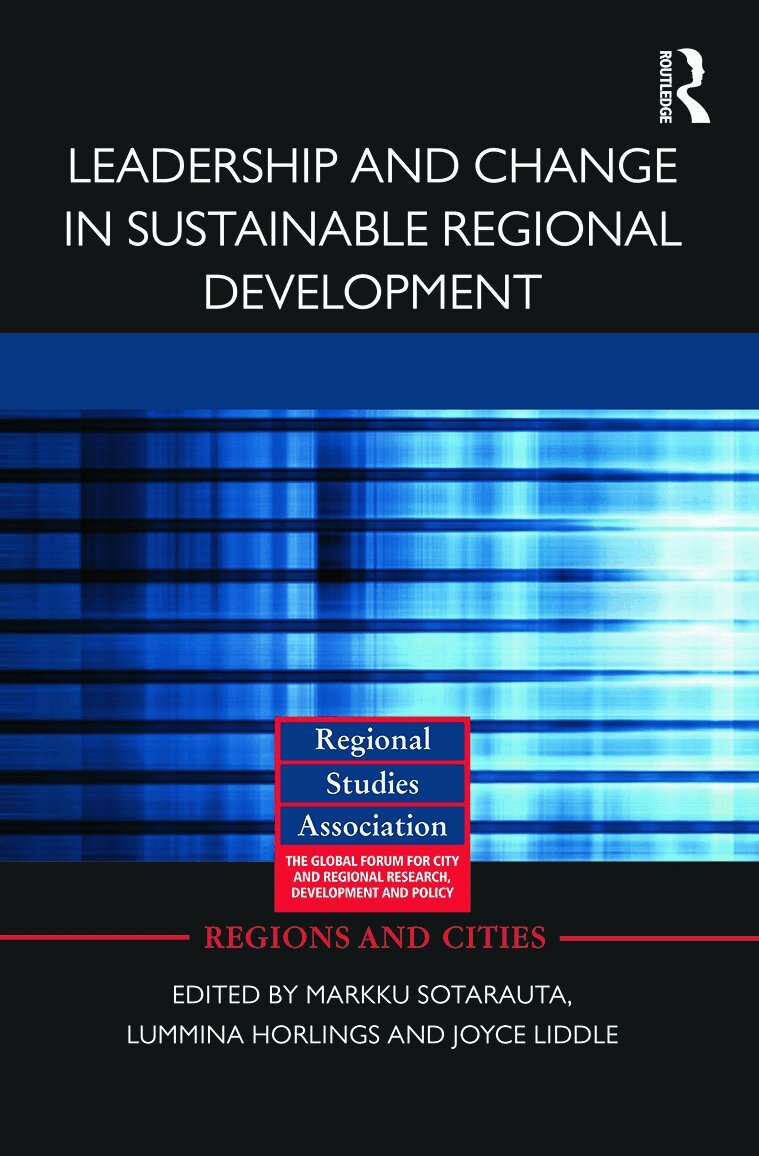
This book shows, first of all, that leadership plays a crucial role in reinventing regions and branching out from an old path to something new in order to create more balanced and sustainable regional development. Second, it maintains that leadership is not a solo but a multi-agent and -level activity and that it needs to be discussed and studied as such. Third, as the book argues, leadership is shaped differently in various institutional and cultural contexts and on different scales. This book explores the ways leadership plays our in regional development context contributing to economically, socially and ecologically balanced sustainable future.
667 kr
Skickas inom 10-15 vardagar
This book shows, first of all, that leadership plays a crucial role in reinventing regions and branching out from an old path to something new in order to create more balanced and sustainable regional development. Second, it maintains that leadership is not a solo but a multi-agent and -level activity and that it needs to be discussed and studied as such. Third, as the book argues, leadership is shaped differently in various institutional and cultural contexts and on different scales. This book explores the ways leadership plays our in regional development context contributing to economically, socially and ecologically balanced sustainable future.
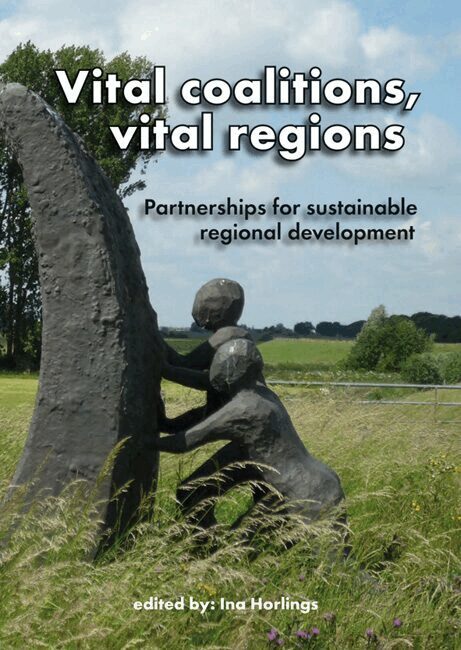
Vital coalitions, vital regions
Partnerships for sustainable regional development
Häftad, Engelska, 2010
1 403 kr
Skickas inom 5-8 vardagar
Many rural regions in Europe are undergoing a dynamic transition, driven by forces of urbanisation and agricultural development, new patterns of production and consumption, and new societal demands. However, while the historical rural-urban divide is eroding, rural landscapes are becoming more important to people for leisure, recreation and personal orientation. The complex processes affecting rural areas are proving difficult for the current institutions to manage. The challenge is to find ways to create new capacity to act and get sustainable initiatives off the ground; initiatives that are now often smothered or constrained by the institutional context.This book bridges the gap between theory and practice to explore the conditions required to enable a transition towards sustainable regional development. It analyses experiences in eight regions in the Netherlands where different regional strategies have been pursued: the development of new markets, rural services and linkages between producers and consumers, spatial designs, regional branding and new alliances between agricultural sectors and other sectors. The authors argue that specific forms of networks, called vital coalitions, have the ability to foster better regional co-operation, and identify the crucial requirements for vital co-operation. These include the presence of leaders of change, agenda-setting processes, coalition building and supportive government authorities. The book is of value to all those interested or involved in rural and regional development: professionals, policy makers, scientists and students.