J. Christian Gerdes - Böcker
Visar alla böcker från författaren J. Christian Gerdes. Handla med fri frakt och snabb leverans.
3 produkter
3 produkter
461 kr
Skickas inom 10-15 vardagar
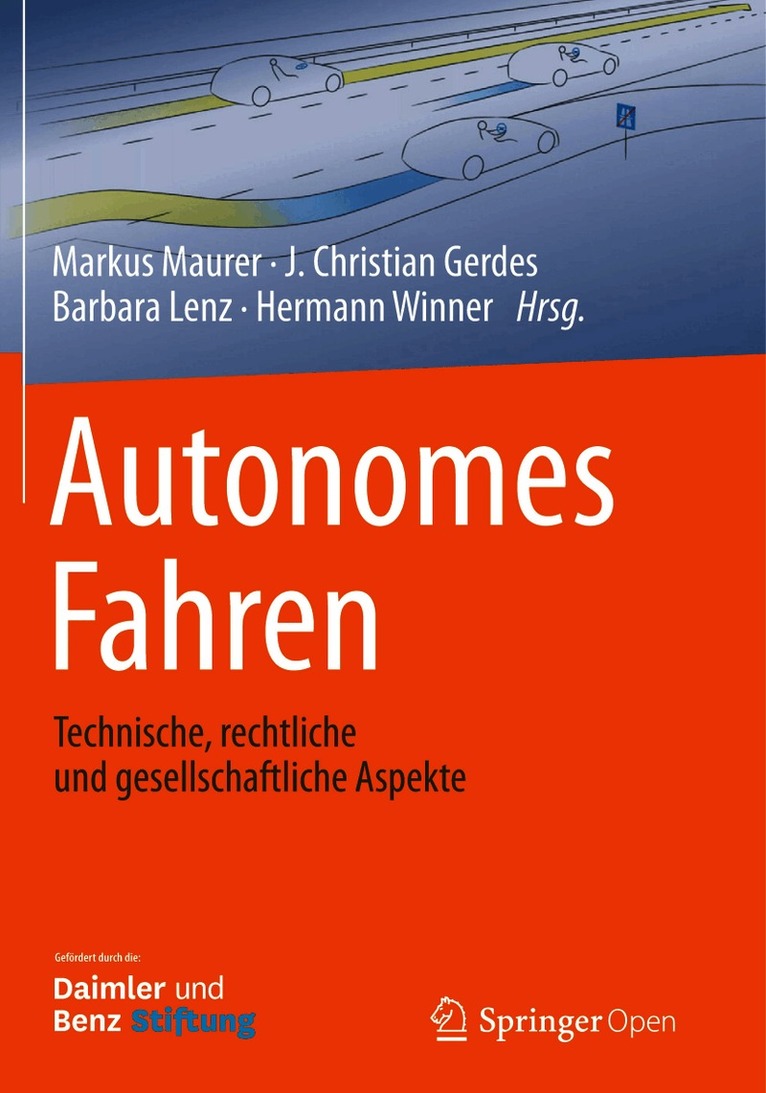
Ist das voll automatisierte, autonom fahrende Auto zum Greifen nah? Testfahrzeuge und Zulassungen in den USA erwecken diesen Eindruck, werfen aber gleichzeitig viele neue Fragestellungen auf. Wie werden autonome Fahrzeuge in das aktuelle Verkehrssystem integriert? Wie erfolgt ihre rechtliche Einbettung? Welche Risiken bestehen und wie wird mit diesen umgegangen? Und welche Akzeptanz seitens der Gesellschaft sowie des Marktes kann hinsichtlich dieser Entwicklungen überhaupt erwartet werden?Das vorliegende Buch gibt Antworten auf ein breites Spektrum dieser und weiterer Fragen. Expertinnen und Experten aus Deutschland und den USA beschreiben aus ingenieur- und gesellschaftswissenschaftlicher Sicht zentrale Themen im Zusammenhang mit der Automatisierung von Fahrzeugen im öffentlichen Straßenverkehr. Sie zeigen auf, welche „Entscheidungen“ einem autonomen Fahrzeug abverlangt werden beziehungsweise welche „Ethik“ programmiert werden muss. Die Autorinnen und Autoren diskutieren Erwartungen und Bedenken, die die individuelle wie auch die gesellschaftliche Akzeptanz des autonomen Fahrens kennzeichnen. Ein durch autonome Fahrzeuge erhöhtes Sicherheitspotenzial wird den Herausforderungen und Lösungsansätzen, die bei der Absicherung des Sicherheitskonzeptes eine Rolle spielen, gegenübergestellt. Zudem erläutern sie, welche Veränderungsmöglichkeiten und Chancen sich für unsere Mobilität und die Neuorganisation des Verkehrsgeschehens ergeben, nicht zuletzt auch für den Güterverkehr. Das Buch bietet somit eine aktuelle, umfassende und wissenschaftlich fundierte Auseinandersetzung mit dem Thema „Autonomes Fahren“.
536 kr
Skickas inom 10-15 vardagar
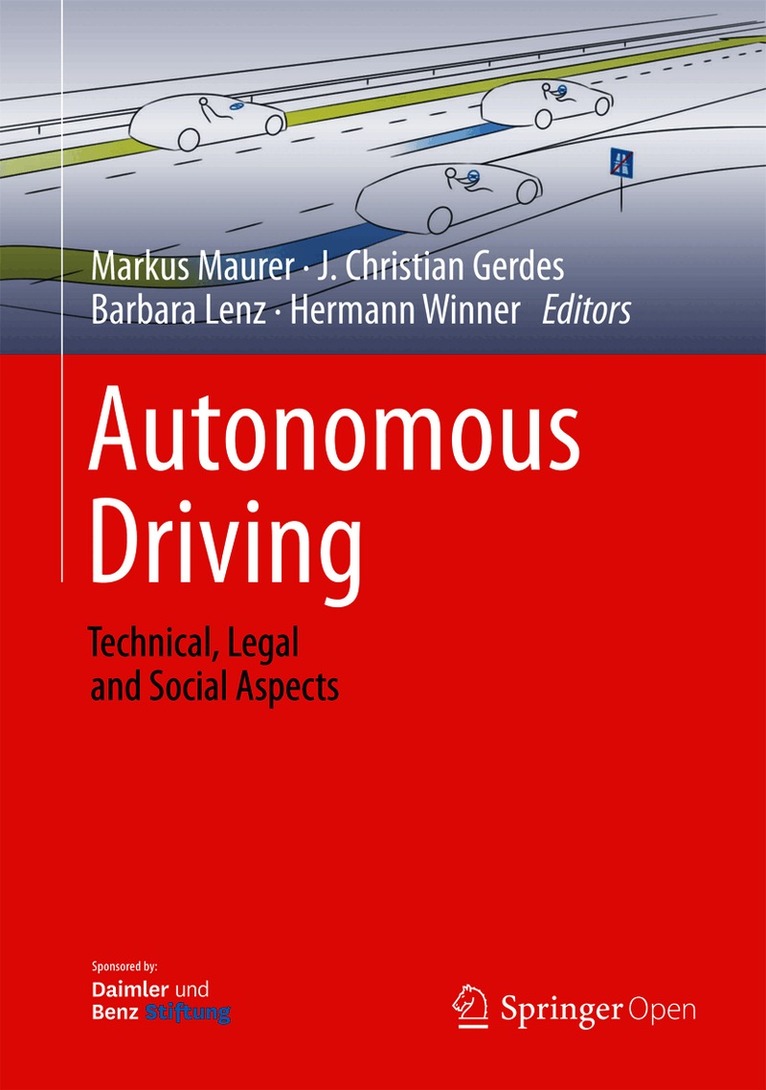
This book takes a look at fully automated, autonomous vehicles and discusses many open questions: How can autonomous vehicles be integrated into the current transportation system with diverse users and human drivers? Where do automated vehicles fall under current legal frameworks? What risks are associated with automation and how will society respond to these risks? How will the marketplace react to automated vehicles and what changes may be necessary for companies?Experts from Germany and the United States define key societal, engineering, and mobility issues related to the automation of vehicles. They discuss the decisions programmers of automated vehicles must make to enable vehicles to perceive their environment, interact with other road users, and choose actions that may have ethical consequences. The authors further identify expectations and concerns that will form the basis for individual and societal acceptance of autonomous driving. While the safety benefits of suchvehicles are tremendous, the authors demonstrate that these benefits will only be achieved if vehicles have an appropriate safety concept at the heart of their design. Realizing the potential of automated vehicles to reorganize traffic and transform mobility of people and goods requires similar care in the design of vehicles and networks. By covering all of these topics, the book aims to provide a current, comprehensive, and scientifically sound treatmentof the emerging field of “autonomous driving".
552 kr
Skickas inom 10-15 vardagar
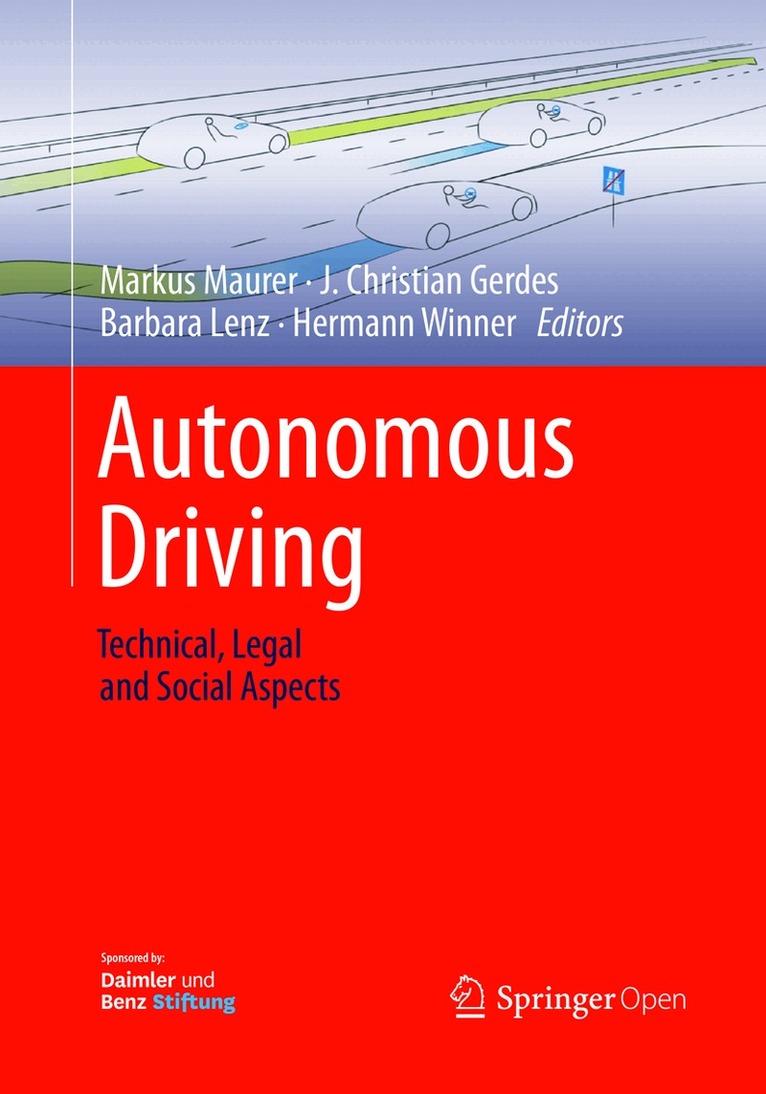
This book takes a look at fully automated, autonomous vehicles and discusses many open questions: How can autonomous vehicles be integrated into the current transportation system with diverse users and human drivers? Where do automated vehicles fall under current legal frameworks? What risks are associated with automation and how will society respond to these risks? How will the marketplace react to automated vehicles and what changes may be necessary for companies?Experts from Germany and the United States define key societal, engineering, and mobility issues related to the automation of vehicles. They discuss the decisions programmers of automated vehicles must make to enable vehicles to perceive their environment, interact with other road users, and choose actions that may have ethical consequences. The authors further identify expectations and concerns that will form the basis for individual and societal acceptance of autonomous driving. While the safety benefits of suchvehicles are tremendous, the authors demonstrate that these benefits will only be achieved if vehicles have an appropriate safety concept at the heart of their design. Realizing the potential of automated vehicles to reorganize traffic and transform mobility of people and goods requires similar care in the design of vehicles and networks. By covering all of these topics, the book aims to provide a current, comprehensive, and scientifically sound treatmentof the emerging field of “autonomous driving".