J. Scott McIndoe – författare
Visar alla böcker från författaren J. Scott McIndoe. Handla med fri frakt och snabb leverans.
6 produkter
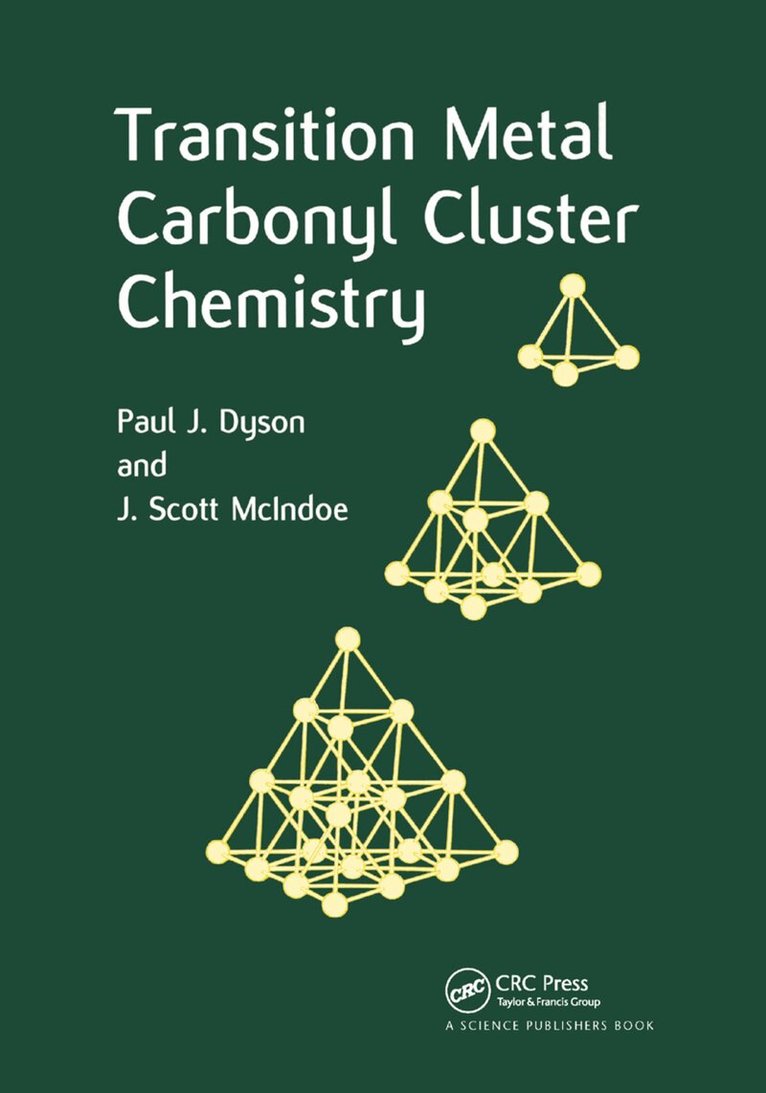
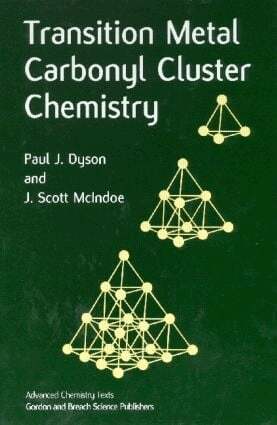
Transition Metal Carbonyl Cluster Chemistry
Av Paul J. Dyson, J. Scott McIndoe
Häftad, 2019
1038 kr
Lägg i varukorg
Transition metal carbonyl clusters (TMCCs) continue to inspire great interest in chemical research, as much for their fascinating structures as for potential industrial applications conferred by their unique properties. This highly accessible book introduces the bonding, structure, spectroscopic …
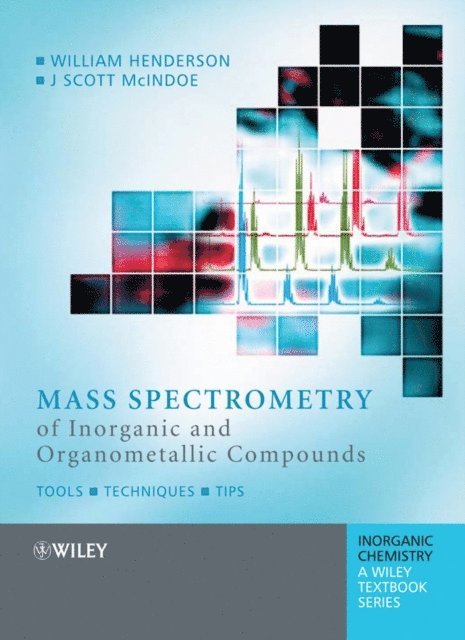
Mass Spectrometry of Inorganic and Organometallic Compounds
Tools - Techniques - Tips
Av J. Scott McIndoe, William Henderson
E-bok, 2005
2802 kr
Lägg i varukorg
This is the first modern book to treat inorganic and organometallic mass spectrometry simultaneously. It is textbook and handbook in one; as a textbook it introduces the techniques and gives hints on how to apply the various techniques, as a handbook it lists all available ionization techniques for …
Mass Spectrometry of Inorganic and Organometallic Compounds
Tools - Techniques - Tips
Av William Henderson, J. Scott McIndoe
Häftad, 2005
833 kr
Lägg i varukorg
This is the first modern book to treat inorganic and organometallic mass spectrometry simultaneously. It is textbook and handbook in one; as a textbook it introduces the techniques and gives hints on how to apply the various techniques, as a handbook it lists all available ionization techniques for …
Transition Metal Carbonyl Cluster Chemistry
Av J. Scott McIndoe, Paul J. Dyson
E-bok, 2018
1230 kr
Lägg i varukorg
Transition metal carbonyl clusters (TMCCs) continue to inspire great interest in chemical research, as much for their fascinating structures as for potential industrial applications conferred by their unique properties. This highly accessible book introduces the bonding, structure, spectroscopic …
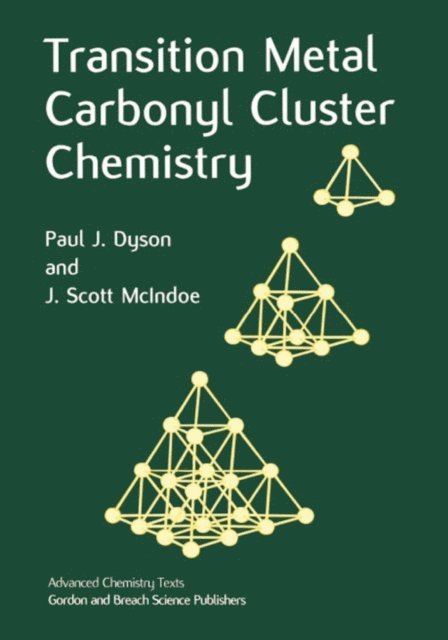
Transition Metal Carbonyl Cluster Chemistry
Av Paul J. Dyson, J. Scott McIndoe
Inbunden, 2000
3055 kr
Lägg i varukorg
Transition metal carbonyl clusters (TMCCs) continue to inspire great interest in chemical research, as much for their fascinating structures as for potential industrial applications conferred by their unique properties. This highly accessible book introduces the bonding, structure, spectroscopic …
Mass Spectrometry of Inorganic and Organometallic Compounds
Tools - Techniques - Tips
Av William Henderson, J. Scott McIndoe
Inbunden, 2005
1765 kr
Tillfälligt slut
This is the first modern book to treat inorganic and organometallic mass spectrometry simultaneously. It is textbook and handbook in one; as a textbook it introduces the techniques and gives hints on how to apply the various techniques, as a handbook it lists all available ionization techniques for …