Jacques Bus – författare
Visar alla böcker från författaren . Handla med fri frakt och snabb leverans.
5 produkter
5 produkter
E-bok
PDF, Engelska, 2022703 kr
Läs direkt efter köp
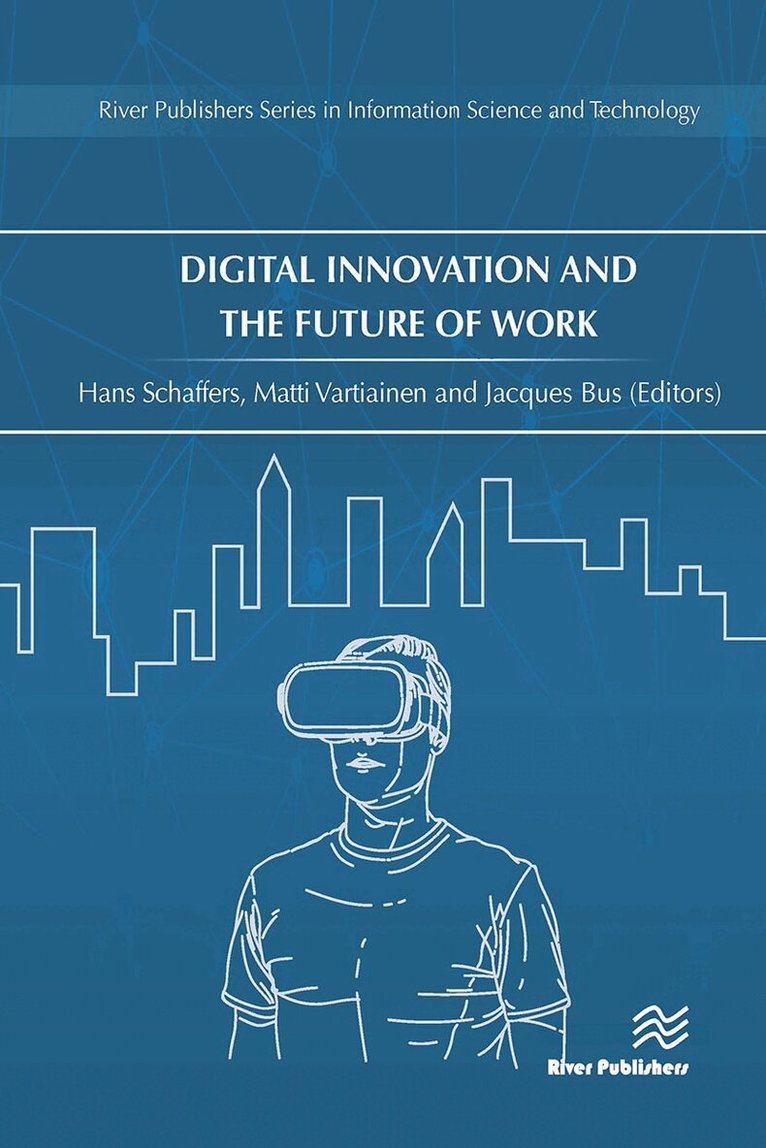
The concept of digitalization captures the widespread adoption of digital technologies in our lives, in the structure and functioning of organizations and in the transformation of our economy and society. Digital technologies for data processing and communication underly high-impact innovations including the Internet of Things, wireless multimedia, artificial intelligence, big data, enterprise platforms, social networks and blockchain. These digital innovations not only bring new opportunities for prosperity and wellbeing but also affect our behaviors, activities, and daily lives. They enable and shape new forms of production and new working practices in sectors such as manufacturing, healthcare, logistics and supply chains, energy, and public and business services. Digital innovations are not purely technological but form part of comprehensive systemic innovations of a sociotechnical and networked nature, requiring the alignment of technology, processes, organizations, and humans. Examples are platform-based work, customer driven value creating networks, and urban public service systems. Building on widespread networking, algorithmic decisions and sharing of personal data, these innovations raise intensive societal and ethical debates regarding key issues such as data sovereignty and privacy intrusion, business models based on data surveillance and negative externalization, quality of work and jobs, and market dominance versus regulation. In this context, this book focuses on the implications of digitalization for the domain of work. The book studies the changing nature of work as well as new forms of digitally enabled organizations, work practices and cooperation. The book sheds light on the technological, economic, and political forces shaping the new world of work and on the prospects for human-centric and responsible innovations.
E-bok
Engelska, 2022703 kr
Läs direkt efter köp
The concept of digitalization captures the widespread adoption of digital technologies in our lives, in the structure and functioning of organizations and in the transformation of our economy and society. Digital technologies for data processing and communication underly high-impact innovations including the Internet of Things, wireless multimedia, artificial intelligence, big data, enterprise platforms, social networks and blockchain. These digital innovations not only bring new opportunities for prosperity and wellbeing but also affect our behaviors, activities, and daily lives. They enable and shape new forms of production and new working practices in sectors such as manufacturing, healthcare, logistics and supply chains, energy, and public and business services. Digital innovations are not purely technological but form part of comprehensive systemic innovations of a sociotechnical and networked nature, requiring the alignment of technology, processes, organizations, and humans. Examples are platform-based work, customer driven value creating networks, and urban public service systems. Building on widespread networking, algorithmic decisions and sharing of personal data, these innovations raise intensive societal and ethical debates regarding key issues such as data sovereignty and privacy intrusion, business models based on data surveillance and negative externalization, quality of work and jobs, and market dominance versus regulation. In this context, this book focuses on the implications of digitalization for the domain of work. The book studies the changing nature of work as well as new forms of digitally enabled organizations, work practices and cooperation. The book sheds light on the technological, economic, and political forces shaping the new world of work and on the prospects for human-centric and responsible innovations.
People now view digital services and applications as an essential part of their lives and as carriers of great benefits. Nevertheless, because they provide a new space for criminals, terrorists and others with malicious intent, digital technologies also present significant threats.How can we maintain the freedom and benefits offered by the digital ecosystem while also building into that system safeguards against attacks? The Digital Enlightenment Forum (DigEnlight) takes the view that the new regulatory and legal safeguards required for our digital world must be developed within a framework that incorporates what they call 'digital ethics'.This White Book attempts to draw together the various strands which have emerged from the intense debate within DigEnlight over the last three years. It focuses on how we can negotiate the changing emergent behavior and ethical issues that arise at the heart of debates about the digital world, covering areas such as national security, internet governance, and approaches to privacy and trust, as well as making recommendations to help realize a global social compact for digital security and privacy based on ethical principles.The book represents a meaningful contribution to the ongoing efforts to deal with these important issues, and will be of interest to all those with concerns about the future of our digital world.
Häftad, Engelska, 2024
631 kr
Skickas inom 10-15 vardagar
The concept of digitalization captures the widespread adoption of digital technologies in our lives, in the structure and functioning of organizations and in the transformation of our economy and society. Digital technologies for data processing and communication underly high-impact innovations including the Internet of Things, wireless multimedia, artificial intelligence, big data, enterprise platforms, social networks and blockchain. These digital innovations not only bring new opportunities for prosperity and wellbeing but also affect our behaviors, activities, and daily lives. They enable and shape new forms of production and new working practices in sectors such as manufacturing, healthcare, logistics and supply chains, energy, and public and business services. Digital innovations are not purely technological but form part of comprehensive systemic innovations of a sociotechnical and networked nature, requiring the alignment of technology, processes, organizations, and humans. Examples are platform-based work, customer driven value creating networks, and urban public service systems. Building on widespread networking, algorithmic decisions and sharing of personal data, these innovations raise intensive societal and ethical debates regarding key issues such as data sovereignty and privacy intrusion, business models based on data surveillance and negative externalization, quality of work and jobs, and market dominance versus regulation. In this context, this book focuses on the implications of digitalization for the domain of work. The book studies the changing nature of work as well as new forms of digitally enabled organizations, work practices and cooperation. The book sheds light on the technological, economic, and political forces shaping the new world of work and on the prospects for human-centric and responsible innovations.
Inbunden, Engelska, 2020
1 415 kr
Skickas inom 10-15 vardagar
The concept of digitalization captures the widespread adoption of digital technologies in our lives, in the structure and functioning of organizations and in the transformation of our economy and society. Digital technologies for data processing and communication underly high-impact innovations including the Internet of Things, wireless multimedia, artificial intelligence, big data, enterprise platforms, social networks and blockchain. These digital innovations not only bring new opportunities for prosperity and wellbeing but also affect our behaviors, activities, and daily lives. They enable and shape new forms of production and new working practices in sectors such as manufacturing, healthcare, logistics and supply chains, energy, and public and business services. Digital innovations are not purely technological but form part of comprehensive systemic innovations of a sociotechnical and networked nature, requiring the alignment of technology, processes, organizations, and humans. Examples are platform-based work, customer driven value creating networks, and urban public service systems. Building on widespread networking, algorithmic decisions and sharing of personal data, these innovations raise intensive societal and ethical debates regarding key issues such as data sovereignty and privacy intrusion, business models based on data surveillance and negative externalization, quality of work and jobs, and market dominance versus regulation. In this context, this book focuses on the implications of digitalization for the domain of work. The book studies the changing nature of work as well as new forms of digitally enabled organizations, work practices and cooperation. The book sheds light on the technological, economic, and political forces shaping the new world of work and on the prospects for human-centric and responsible innovations.