Matti Vartiainen – författare
Visar alla böcker från författaren Matti Vartiainen. Handla med fri frakt och snabb leverans.
11 produkter
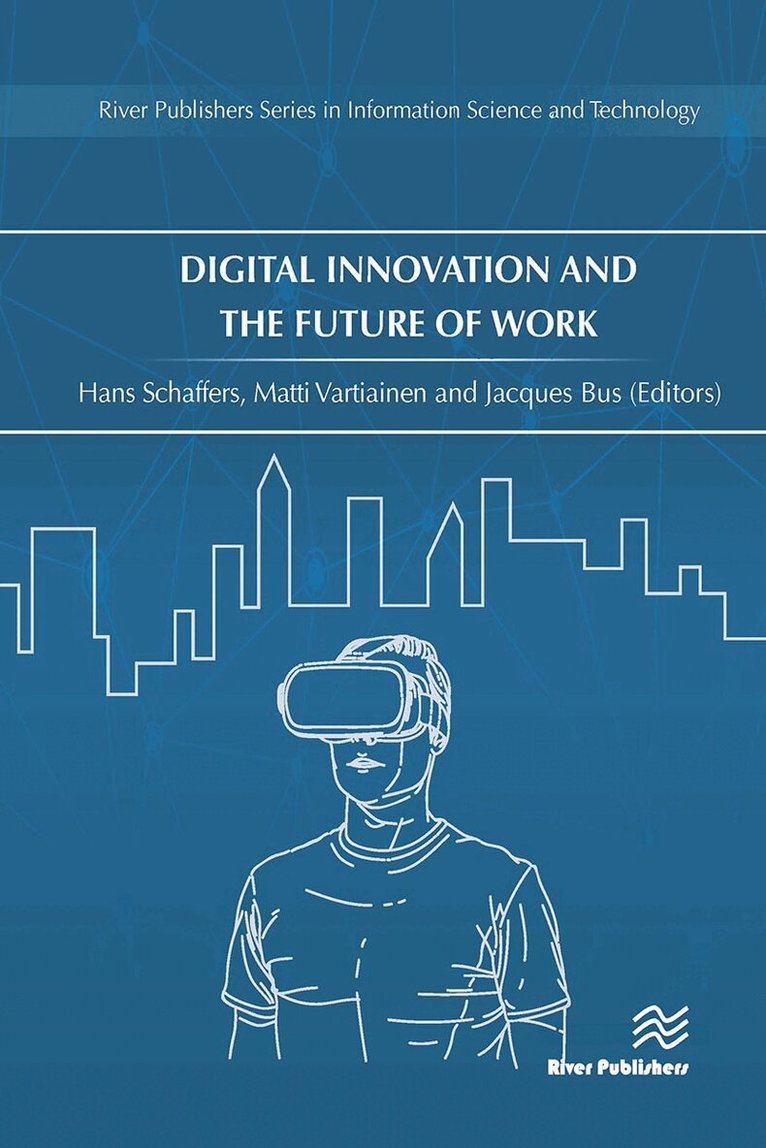
Digital Innovation and the Future of Work
Av Jacques Bus, Matti Vartiainen m. fl.
E-bok, 2022
701 kr
Lägg i varukorg
The concept of digitalization captures the widespread adoption of digital technologies in our lives, in the structure and functioning of organizations and in the transformation of our economy and society. Digital technologies for data processing and communication underly high-impact innovations …
Digital Innovation and the Future of Work
Av Jacques Bus, Matti Vartiainen m. fl.
E-bok, 2022
724 kr
Lägg i varukorg
The concept of digitalization captures the widespread adoption of digital technologies in our lives, in the structure and functioning of organizations and in the transformation of our economy and society. Digital technologies for data processing and communication underly high-impact innovations …
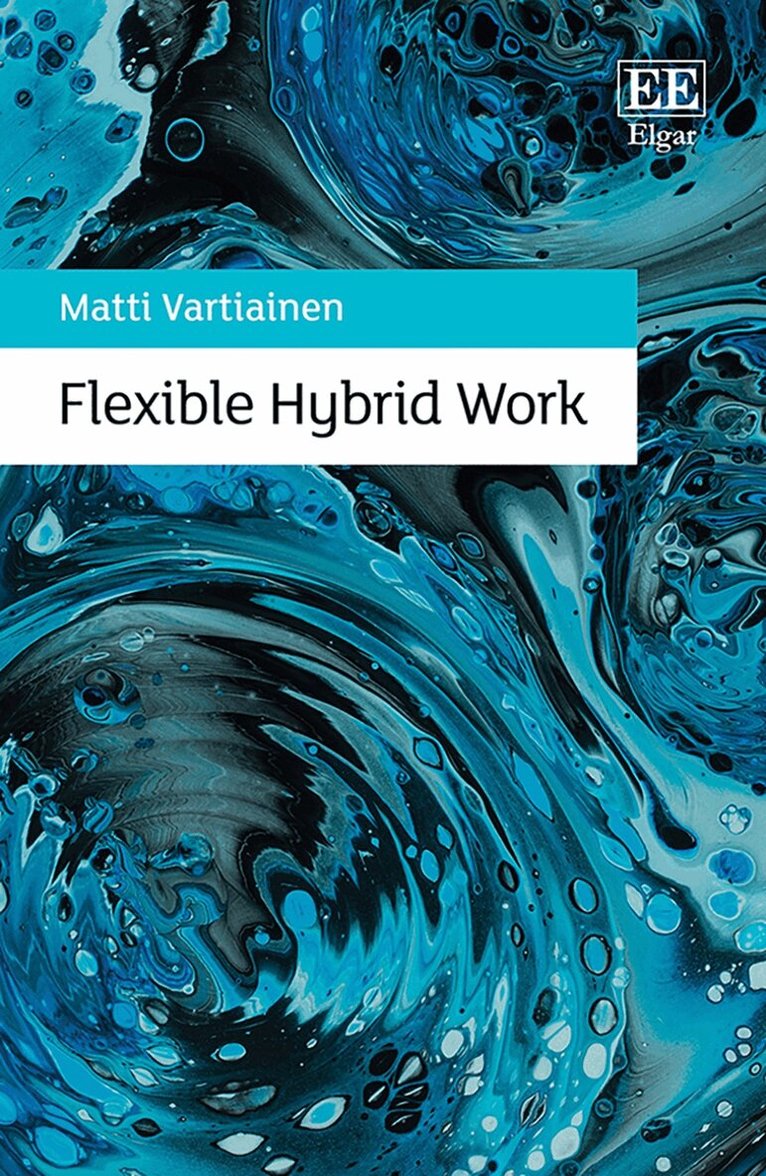
Flexible Hybrid Work
Inbunden, 2024
1516 kr
Lägg i varukorg
Despite hybrid work becoming increasingly relevant since the COVID-19 pandemic, exactly what the phenomenon entails remains a burgeoning field of research. Matti Vartiainen explores this shift in working culture and what it means for staff wellbeing and performance, as well as how remote work …
Flexible Hybrid Work
E-bok, 2024
472 kr
Lägg i varukorg
Despite hybrid work becoming increasingly relevant since the COVID-19 pandemic, exactly what the phenomenon entails remains a burgeoning field of research. Matti Vartiainen explores this shift in working culture and what it means for staff wellbeing and performance, as well as how remote work …
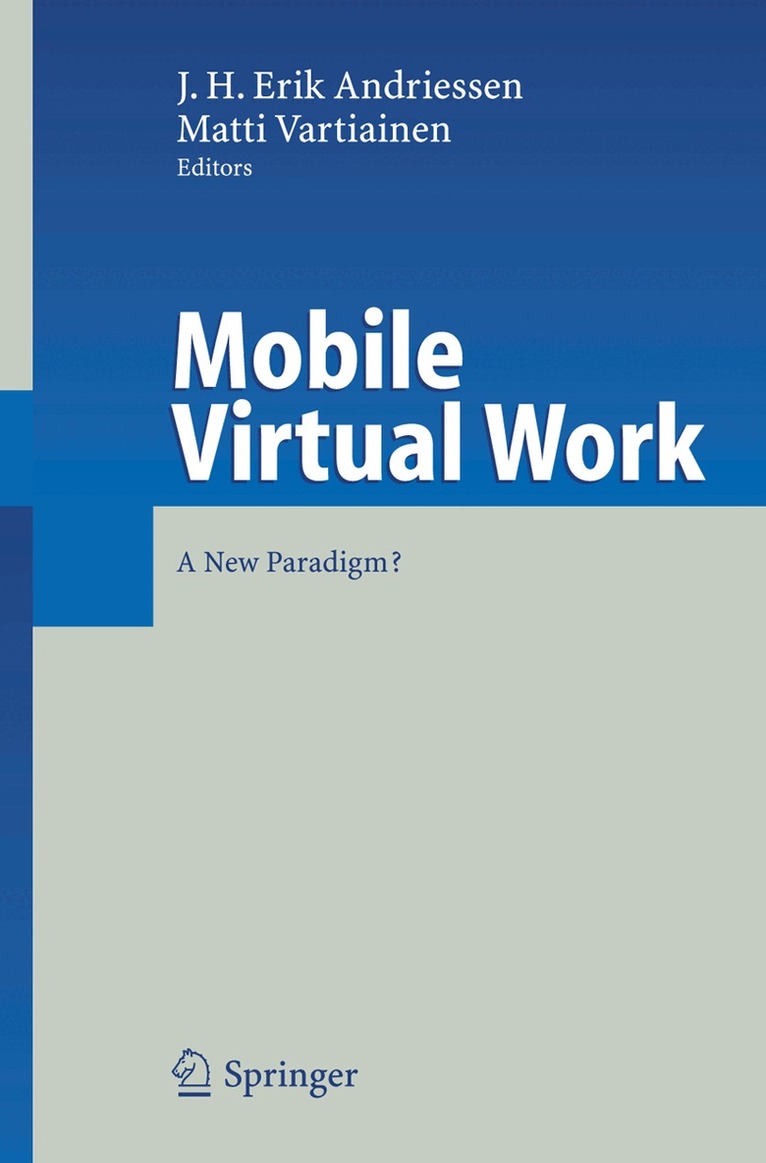
Mobile Virtual Work
A New Paradigm?
Av J.H. Erik Andriessen, Matti Vartiainen
Inbunden, 2005
1641 kr
Lägg i varukorg
Dear Reader This is a book about mobile virtual work. It aims at clarifying the basic concepts and showing present practices and future challenges. The roots of the book are in the collaboration of few European practitioners and - searchers, who met each other under the umbrella of the Swedish …
Mobile Virtual Work
A New Paradigm?
Av Matti Vartiainen, J.H. Erik Andriessen
E-bok, 2005
2065 kr
Lägg i varukorg
Dear Reader This is a book about mobile virtual work. It aims at clarifying the basic concepts and showing present practices and future challenges. The roots of the book are in the collaboration of few European practitioners and - searchers, who met each other under the umbrella of the Swedish …
Mobile Virtual Work
A New Paradigm?
Av J.H. Erik Andriessen, Matti Vartiainen
Häftad, 2010
1641 kr
Lägg i varukorg
Dear Reader This is a book about mobile virtual work. It aims at clarifying the basic concepts and showing present practices and future challenges. The roots of the book are in the collaboration of few European practitioners and - searchers, who met each other under the umbrella of the Swedish …
Digital Innovation and the Future of Work
Av Hans Schaffers, Matti Vartiainen m. fl.
Häftad, 2024
654 kr
Lägg i varukorg
The concept of digitalization captures the widespread adoption of digital technologies in our lives, in the structure and functioning of organizations and in the transformation of our economy and society. Digital technologies for data processing and communication underly high-impact innovations …
Digital Innovation and the Future of Work
Av Matti Vartiaine, Hans Schaffers m. fl.
Inbunden, 2020
1461 kr
Lägg i varukorg
The concept of digitalization captures the widespread adoption of digital technologies in our lives, in the structure and functioning of organizations and in the transformation of our economy and society. Digital technologies for data processing and communication underly high-impact innovations …
Aivot kuntoon
E-bok, 2025
226 kr
Lägg i varukorg
Tiedätkö, mikä sinun neuroterveytesi on? Neuroterveydestä puhutaan liian vähän. Miksi aivoterveys, neurokunto, on tärkeää meille kaikille ja varsinkin ikääntyessä? Opi tunnistamaan aivokunnon heikentymisen signaalit. Ikääntymisen huomaamattomat muutokset alkavat jo 30 vuoden jälkeen ja näkyvät …
Aivot kuntoon
Ljudbok, 2025
251 kr
Lägg i varukorg
Tiedätkö, mikä sinun neuroterveytesi on? Neuroterveydestä puhutaan liian vähän. Miksi aivoterveys, neurokunto, on tärkeää meille kaikille ja varsinkin ikääntyessä? Opi tunnistamaan aivokunnon heikentymisen signaalit. Ikääntymisen huomaamattomat muutokset alkavat jo 30 vuoden jälkeen ja näkyvät …