James P. Hawley – författare
Visar alla böcker från författaren James P. Hawley. Handla med fri frakt och snabb leverans.
14 produkter
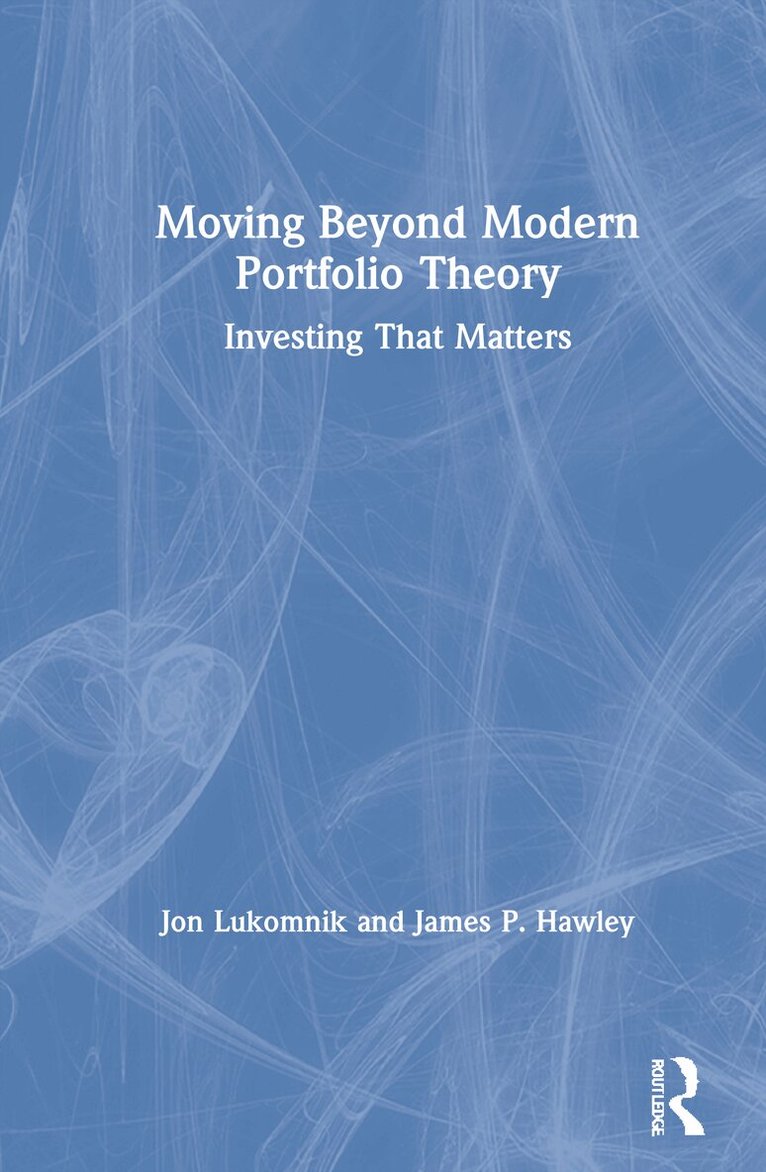
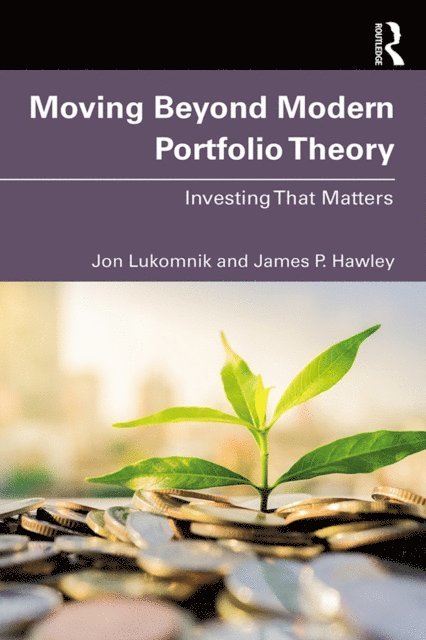
Moving Beyond Modern Portfolio Theory
Investing That Matters
Av Jon Lukomnik, James P. Hawley
Inbunden, 2021
2586 kr
Lägg i varukorg
Moving Beyond Modern Portfolio Theory: Investing That Matters tells the story of how Modern Portfolio Theory (MPT) revolutionized the investing world and the real economy, but is now showing its age. MPT has no mechanism to understand its impacts on the environmental, social and financial systems, …
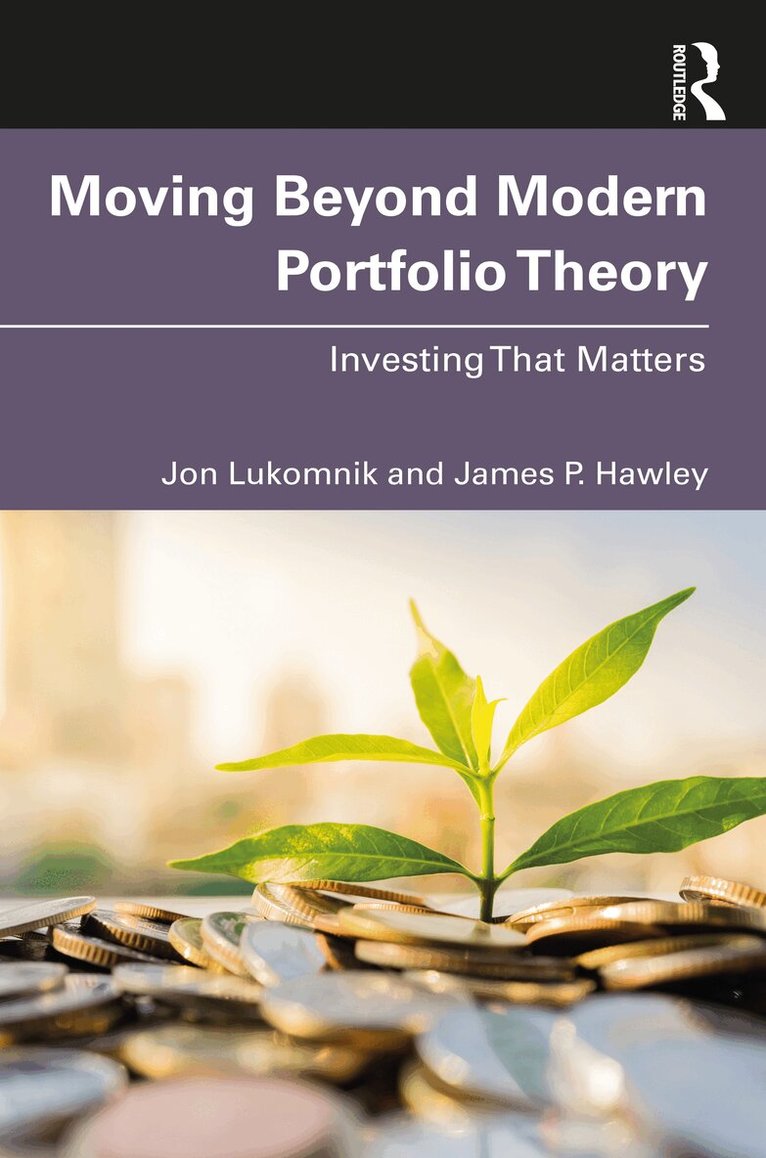
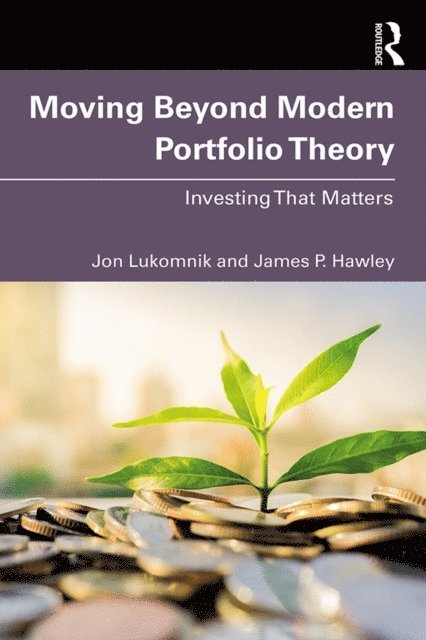
Moving Beyond Modern Portfolio Theory
Investing That Matters
Av Jon Lukomnik, James P. Hawley
Häftad, 2021
637 kr
Lägg i varukorg
Moving Beyond Modern Portfolio Theory: Investing That Matters tells the story of how Modern Portfolio Theory (MPT) revolutionized the investing world and the real economy, but is now showing its age. MPT has no mechanism to understand its impacts on the environmental, social and financial systems, …
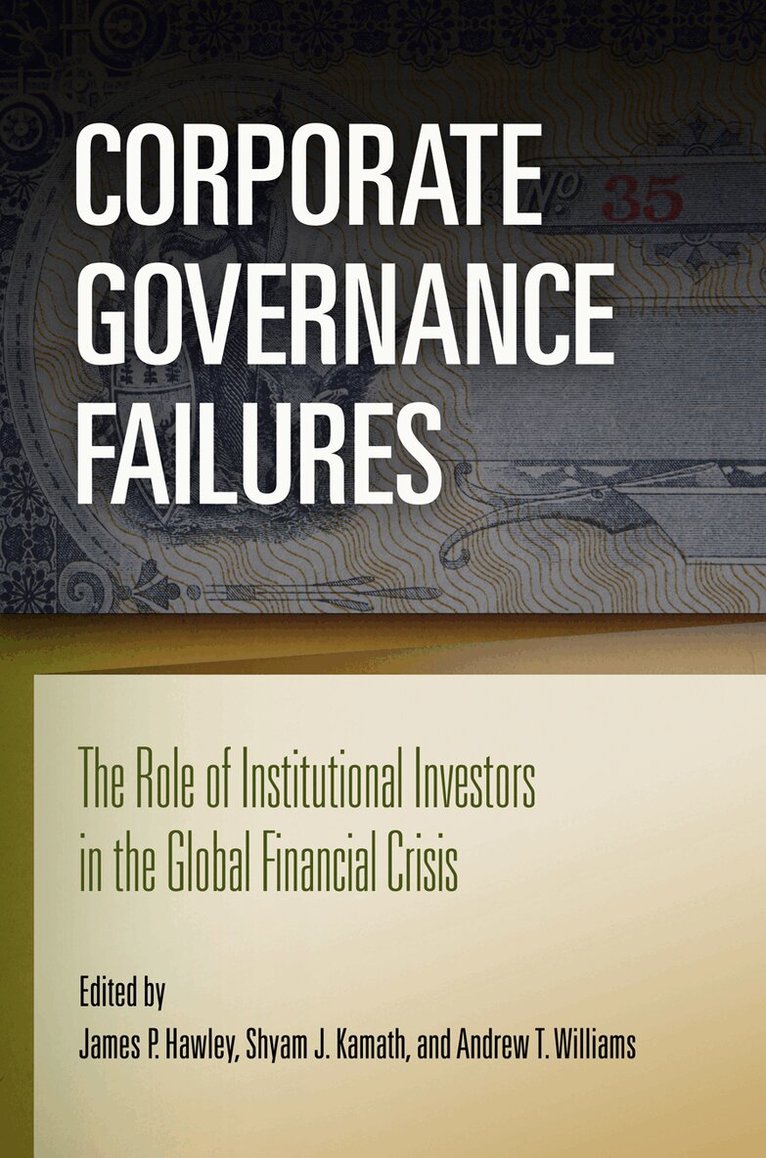
Corporate Governance Failures
The Role of Institutional Investors in the Global Financial Crisis
Av James P. Hawley, Shyam J. Kamath m. fl.
E-bok, 2011
1242 kr
Lägg i varukorg
Corporate governance, the internal policies and leadership that guide the actions of corporations, played a major part in the recent global financial crisis. While much blame has been targeted at compensation arrangements that rewarded extreme risk-taking but did not punish failure, the performance …
Rise of Fiduciary Capitalism
How Institutional Investors Can Make Corporate America More Democratic
Av James P. Hawley, Andrew T. Williams
Inbunden, 2000
938 kr
Lägg i varukorg
At the beginning of the twenty-first century, the structure of corporate ownership is undergoing major change. The Rise of Fiduciary Capitalism chronicles the rise of fiduciary institutions-primarily public and private pension funds-which now own almost 50 percent of the equity of American …
Moving Beyond Modern Portfolio Theory
Investing That Matters
Av James P. Hawley, Jon Lukomnik
E-bok, 2021
660 kr
Lägg i varukorg
Moving Beyond Modern Portfolio Theory: Investing That Matters tells the story of how Modern Portfolio Theory (MPT) revolutionized the investing world and the real economy, but is now showing its age. MPT has no mechanism to understand its impacts on the environmental, social and financial systems, …
Moving Beyond Modern Portfolio Theory
Investing That Matters
Av James P. Hawley, Jon Lukomnik
E-bok, 2021
660 kr
Lägg i varukorg
Moving Beyond Modern Portfolio Theory: Investing That Matters tells the story of how Modern Portfolio Theory (MPT) revolutionized the investing world and the real economy, but is now showing its age. MPT has no mechanism to understand its impacts on the environmental, social and financial systems, …
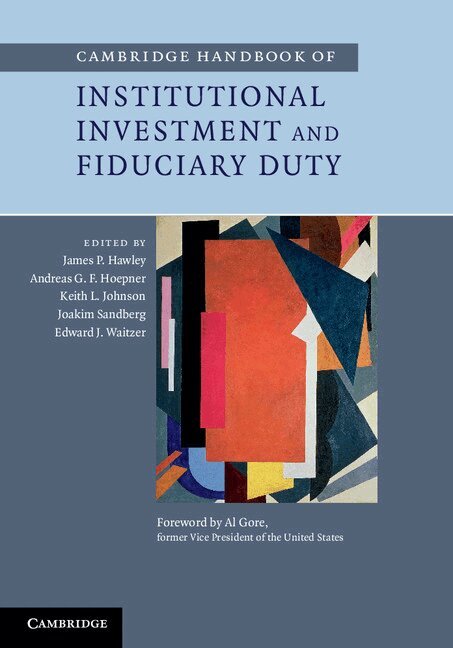
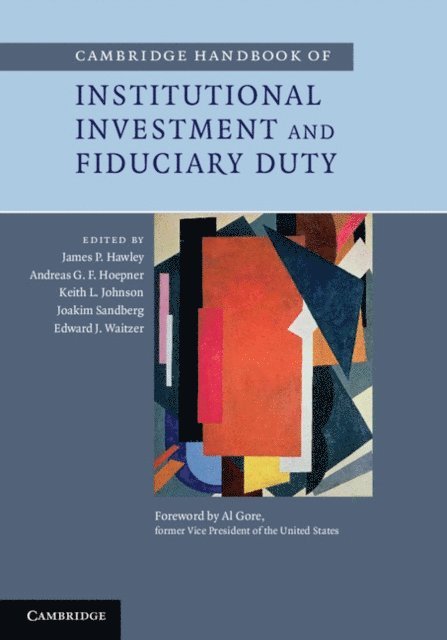
Cambridge Handbook of Institutional Investment and Fiduciary Duty
Av James P. Hawley, Andreas G. F. Hoepner m. fl.
Inbunden, 2014
1641 kr
Lägg i varukorg
The Cambridge Handbook of Institutional Investment and Fiduciary Duty is a comprehensive reference work exploring recent changes and future trends in the principles that govern institutional investors and fiduciaries. A wide range of contributors offer new perspectives on the dynamics that drive …
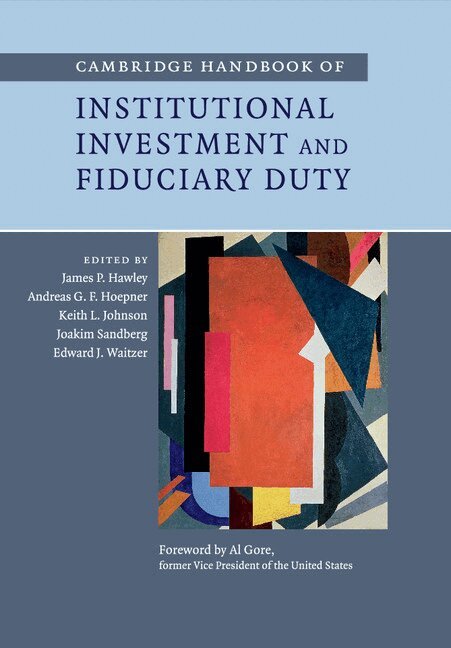
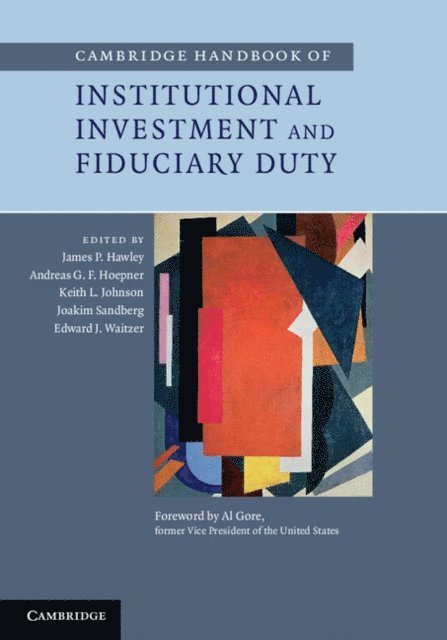
Cambridge Handbook of Institutional Investment and Fiduciary Duty
Av James P. Hawley, Andreas G. F. Hoepner m. fl.
Häftad, 2015
1115 kr
Lägg i varukorg
The Cambridge Handbook of Institutional Investment and Fiduciary Duty is a comprehensive reference work exploring recent changes and future trends in the principles that govern institutional investors and fiduciaries. A wide range of contributors offer new perspectives on the dynamics that drive …
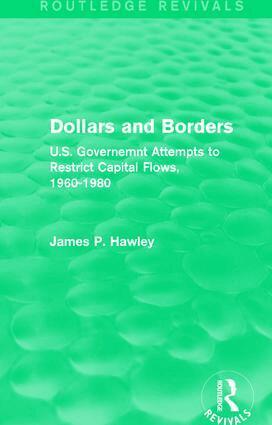
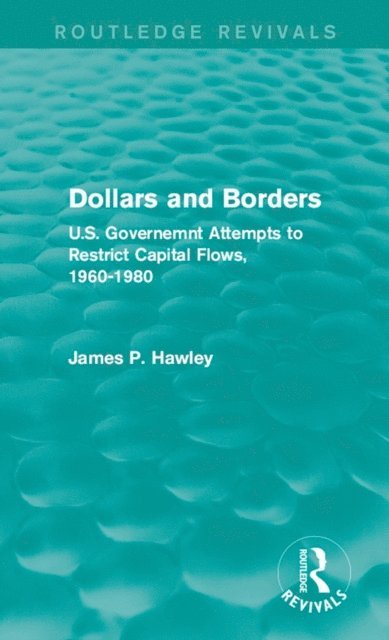
Dollars and Borders
U.S. Governemnt Attempts to Restrict Capital Flows, 1960-1980
Inbunden, 2016
2512 kr
Lägg i varukorg
Originally published in 1987, Dollars and Borders explores the United States’ government’s relation to transnational capital. James P. Hawley traces the attempts of four presidents (John F. Kennedy, Lyndon B. Johnson, Richard Nixon, and Jimmy Carter) in the 1960s and 1970s to restrict international …
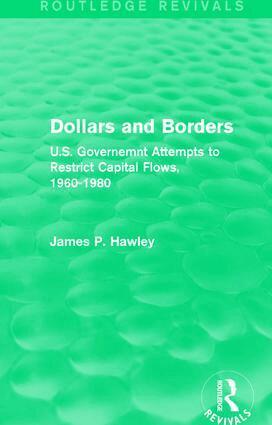
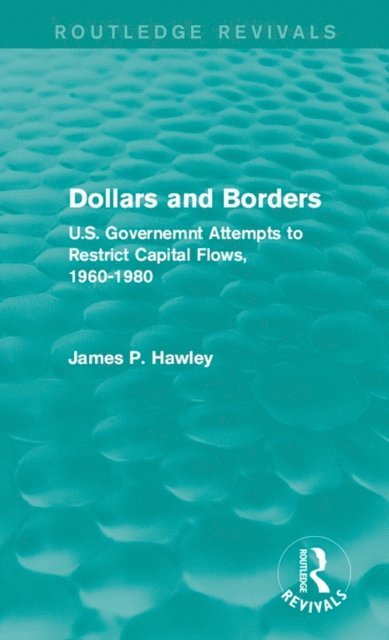
Dollars and Borders
U.S. Governemnt Attempts to Restrict Capital Flows, 1960-1980
Häftad, 2017
560 kr
Lägg i varukorg
Originally published in 1987, Dollars and Borders explores the United States’ government’s relation to transnational capital. James P. Hawley traces the attempts of four presidents (John F. Kennedy, Lyndon B. Johnson, Richard Nixon, and Jimmy Carter) in the 1960s and 1970s to restrict international …
Cambridge Handbook of Institutional Investment and Fiduciary Duty
Av Edward J. Waitzer, Joakim Sandberg m. fl.
E-bok, 2014
1092 kr
Lägg i varukorg
The Cambridge Handbook of Institutional Investment and Fiduciary Duty is a comprehensive reference work exploring recent changes and future trends in the principles that govern institutional investors and fiduciaries. A wide range of contributors offer new perspectives on the dynamics that drive …
Cambridge Handbook of Institutional Investment and Fiduciary Duty
Av Edward J. Waitzer, Joakim Sandberg m. fl.
E-bok, 2014
1125 kr
Lägg i varukorg
The Cambridge Handbook of Institutional Investment and Fiduciary Duty is a comprehensive reference work exploring recent changes and future trends in the principles that govern institutional investors and fiduciaries. A wide range of contributors offer new perspectives on the dynamics that drive …
Dollars and Borders
U.S. Governemnt Attempts to Restrict Capital Flows, 1960-1980
E-bok, 2016
678 kr
Lägg i varukorg
Originally published in 1987, Dollars and Borders explores the United States’ government’s relation to transnational capital. James P. Hawley traces the attempts of four presidents (John F. Kennedy, Lyndon B. Johnson, Richard Nixon, and Jimmy Carter) in the 1960s and 1970s to restrict …
Dollars and Borders
U.S. Governemnt Attempts to Restrict Capital Flows, 1960-1980
E-bok, 2016
663 kr
Lägg i varukorg
Originally published in 1987, Dollars and Borders explores the United States’ government’s relation to transnational capital. James P. Hawley traces the attempts of four presidents (John F. Kennedy, Lyndon B. Johnson, Richard Nixon, and Jimmy Carter) in the 1960s and 1970s to restrict …