James Retallack – författare
Visar alla böcker från författaren James Retallack. Handla med fri frakt och snabb leverans.
31 produkter
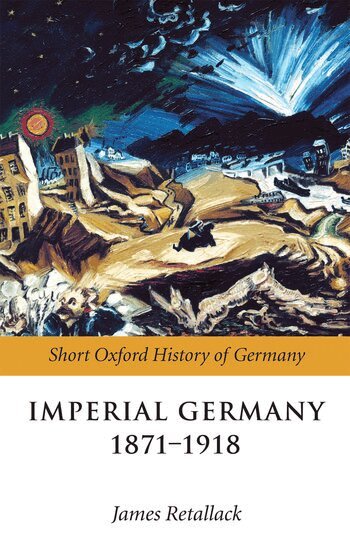
Imperial Germany 1871-1918
E-bok, 2008
453 kr
Lägg i varukorg
The German Empire was founded in January 1871 not only on the basis of Chancellor Otto von Bismarck''s ''blood and iron'' policy but also with the support of liberal nationalists. Under Bismarck and Kaiser Wilhelm II, Germany became the dynamo of Europe. Its economic and military power were …
Imperial Germany 1871-1918
E-bok, 2008
453 kr
Lägg i varukorg
The German Empire was founded in January 1871 not only on the basis of Chancellor Otto von Bismarck''s ''blood and iron'' policy but also with the support of liberal nationalists. Under Bismarck and Kaiser Wilhelm II, Germany became the dynamo of Europe. Its economic and military power were …
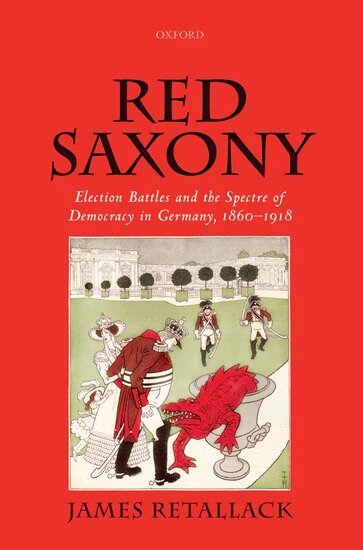
Red Saxony
Election battles and the Spectre of Democracy in Germany, 1860-1918
E-bok, 2017
642 kr
Lägg i varukorg
Red Saxony throws new light on the reciprocal relationship between political modernization and authoritarianism in Germany over the span of six decades.Election battles were fought so fiercely in Imperial Germany because they reflected two kinds of democratization. Social democratization could not …
Red Saxony
Election battles and the Spectre of Democracy in Germany, 1860-1918
E-bok, 2017
642 kr
Lägg i varukorg
Red Saxony throws new light on the reciprocal relationship between political modernization and authoritarianism in Germany over the span of six decades.Election battles were fought so fiercely in Imperial Germany because they reflected two kinds of democratization. Social democratization could not …
Red Saxony
Election battles and the Spectre of Democracy in Germany, 1860-1918
Häftad, 2020
727 kr
Lägg i varukorg
Red Saxony throws new light on the reciprocal relationship between political modernization and authoritarianism in Germany over the span of six decades.Election battles were fought so fiercely in Imperial Germany because they reflected two kinds of democratization. Social democratization could not …
Imperial Germany 1871-1918
Häftad, 2008
733 kr
Lägg i varukorg
The German Empire was founded in January 1871 not only on the basis of Chancellor Otto von Bismarck's 'blood and iron' policy but also with the support of liberal nationalists. Under Bismarck and Kaiser Wilhelm II, Germany became the dynamo of Europe. Its economic and military power were …
Imperial Germany 1871-1918
Inbunden, 2008
3082 kr
Lägg i varukorg
The German Empire was founded in January 1871 not only on the basis of Chancellor Otto von Bismarck's 'blood and iron' policy but also with the support of liberal nationalists. Under Bismarck and Kaiser Wilhelm II, Germany became the dynamo of Europe. Its economic and military power were …
Red Saxony
Election Battles and the Spectre of Democracy in Germany, 1860-1918
Inbunden, 2017
2318 kr
Lägg i varukorg
Red Saxony throws new light on the reciprocal relationship between political modernization and authoritarianism in Germany over the span of six decades. Election battles were fought so fiercely in Imperial Germany because they reflected two kinds of democratization. Social democratization could not …
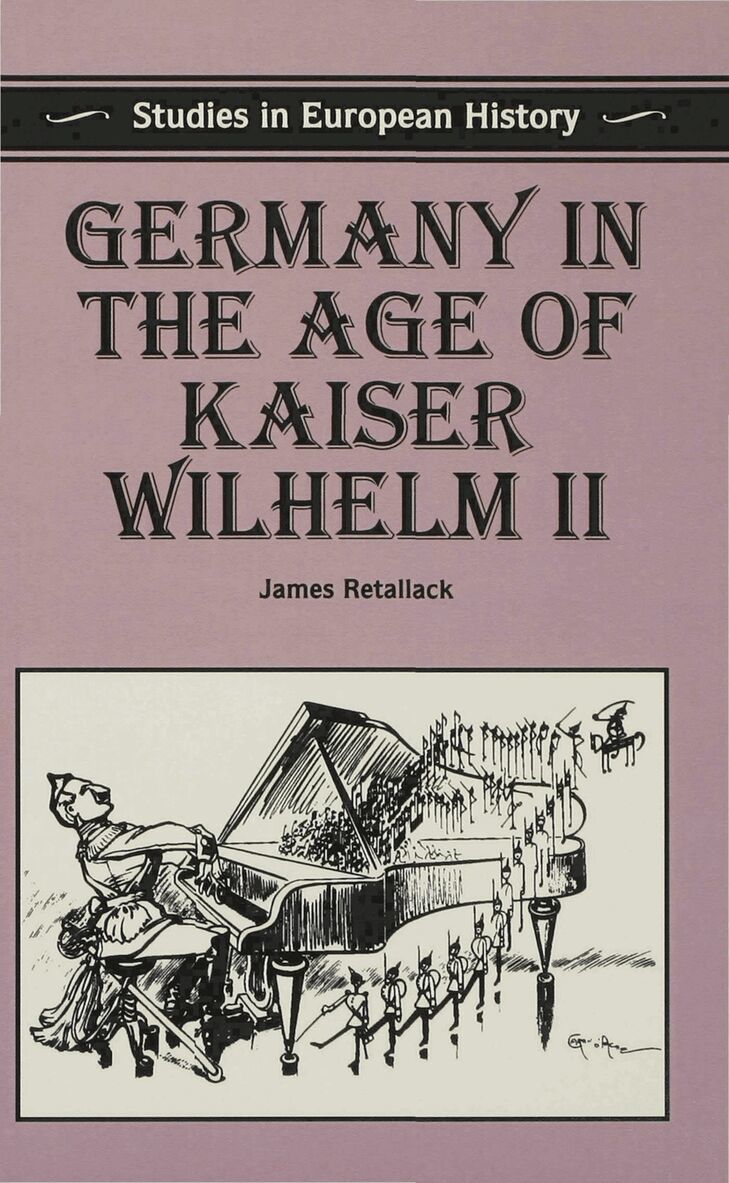
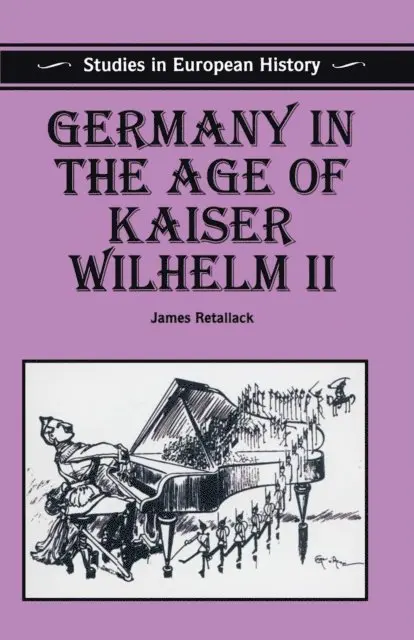
Germany in the Age of Kaiser Wilhelm II
Häftad, 1996
474 kr
Lägg i varukorg
This lively and concise book uses a dual approach to introduce students and non-specialists to Wilhelmine Germany (1888-1918). It surveys social, economic, political, cultural and diplomatic developments in an age of tumultuous upheaval. It also explains why historians have so often reversed the …
Elections, Mass Politics and Social Change in Modern Germany
New Perspectives
Av Larry Eugene Jones, James Retallack
Inbunden, 1992
1905 kr
Lägg i varukorg
This collection of essays presents the work on Germany's stormy and problematic encounter with mass politics from the time of Bismarck to the Nazi era. The authors - sixteen scholars from the United States, Canada, Great Britain and Germany - consider this problem from novel and sometimes …
Elections, Mass Politics and Social Change in Modern Germany
New Perspectives
Av Larry Eugene Jones, James Retallack
Häftad, 2002
753 kr
Lägg i varukorg
This collection of essays presents the work on Germany's stormy and problematic encounter with mass politics from the time of Bismarck to the Nazi era. The authors - sixteen scholars from the United States, Canada, Great Britain and Germany - consider this problem from novel and sometimes …
German Right, 1860-1920
Political Limits of the Authoritarian Imagination
Häftad, 2006
541 kr
Lägg i varukorg
Before the rise of Hitler and the Nazis, Germany was undergoing convulsive socioeconomic and political change. With unification as a nation state under Bismarck in 1871, Germany experienced the advent of mass politics, based on the principle of one man, one vote. The dynamic, diverse political …
Between Reform, Reaction and Resistance
Studies in the History of German Conservatism from 1789 to 1945
Av Larry Eugene Jones, James Retallack
Inbunden, 1993
2047 kr
Lägg i varukorg
Prominent American, British and German historians provide new insights into the social, political, and intellectual components of German conservatism from its origins in the late 18th century through to the end of the Third Reich. The essays combine fresh empirical research with new theoretical and …
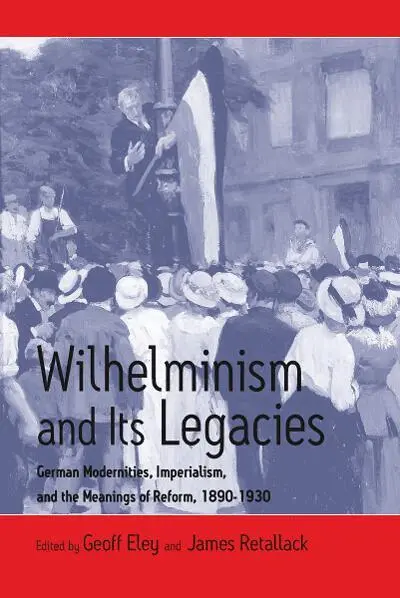
Wilhelminism and Its Legacies
German Modernities, Imperialism, and the Meanings of Reform, 1890-1930
Av James Retallack, Geoff Eley
E-bok, 2003
335 kr
Lägg i varukorg
What was distinctive—and distinctively "modern"—about German society and politics in the age of Kaiser Wilhelm II? In addressing this question, these essays assemble cutting-edge research by fourteen international scholars. Based on evidence of an explicit and self-confidently "bourgeois" formation …
Decades of Reconstruction
Postwar Societies, State-Building, and International Relations from the Seven Years' War to the Cold War
Av Ute Planert, James Retallack
Inbunden, 2017
1895 kr
Lägg i varukorg
As wars and other conflicts increase on a worldwide scale, the alleged 'new wars' of the present day have taught that military victory does not necessarily result in a sustained state of peace. Rather, societies in conflict experience a 'status mixtus' - a transformative period that includes …
Decades of Reconstruction
Postwar Societies, State-Building, and International Relations from the Seven Years' War to the Cold War
Av Ute Planert, James Retallack
Häftad, 2020
687 kr
Lägg i varukorg
As wars and other conflicts increase on a worldwide scale, the alleged 'new wars' of the present day have taught that military victory does not necessarily result in a sustained state of peace. Rather, societies in conflict experience a 'status mixtus' - a transformative period that includes …
Germany in the Age of Kaiser Wilhelm II
E-bok, 1996
514 kr
Lägg i varukorg
This lively and concise book uses a dual approach to introduce students and non-specialists to Wilhelmine Germany (1888-1918). It surveys social, economic, political, cultural and diplomatic developments in an age of tumultuous upheaval. It also explains why historians have so often reversed the …
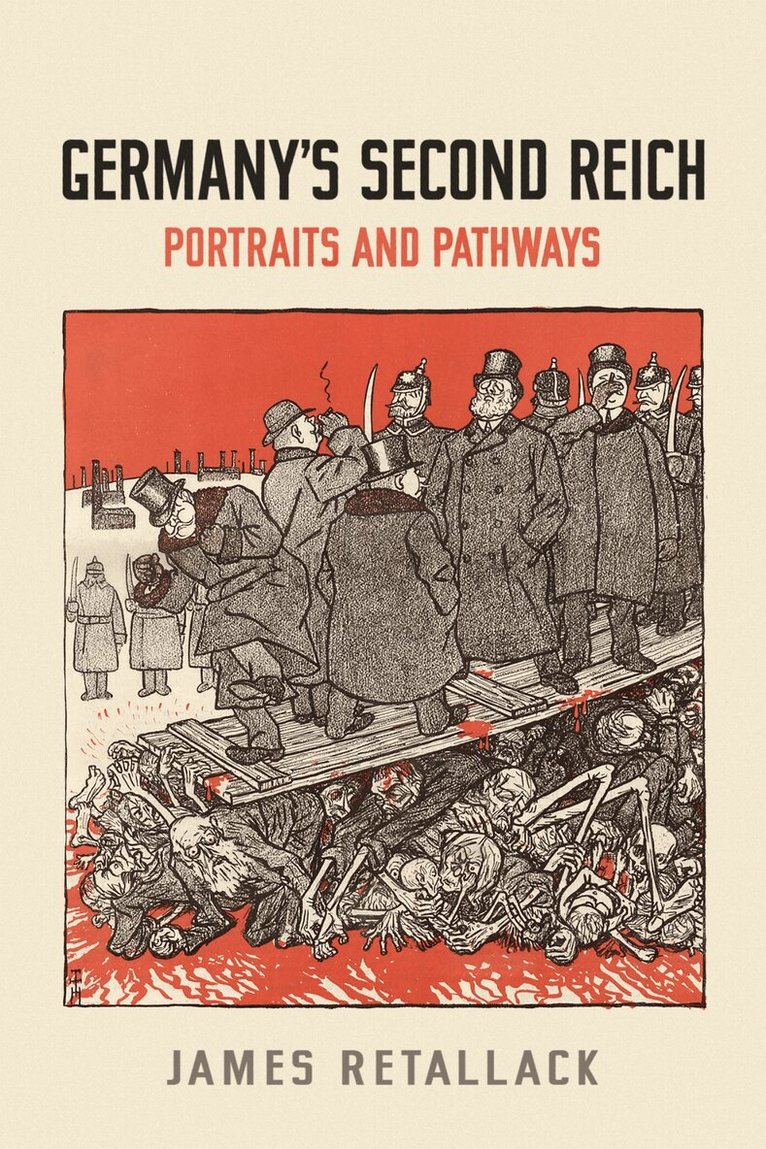
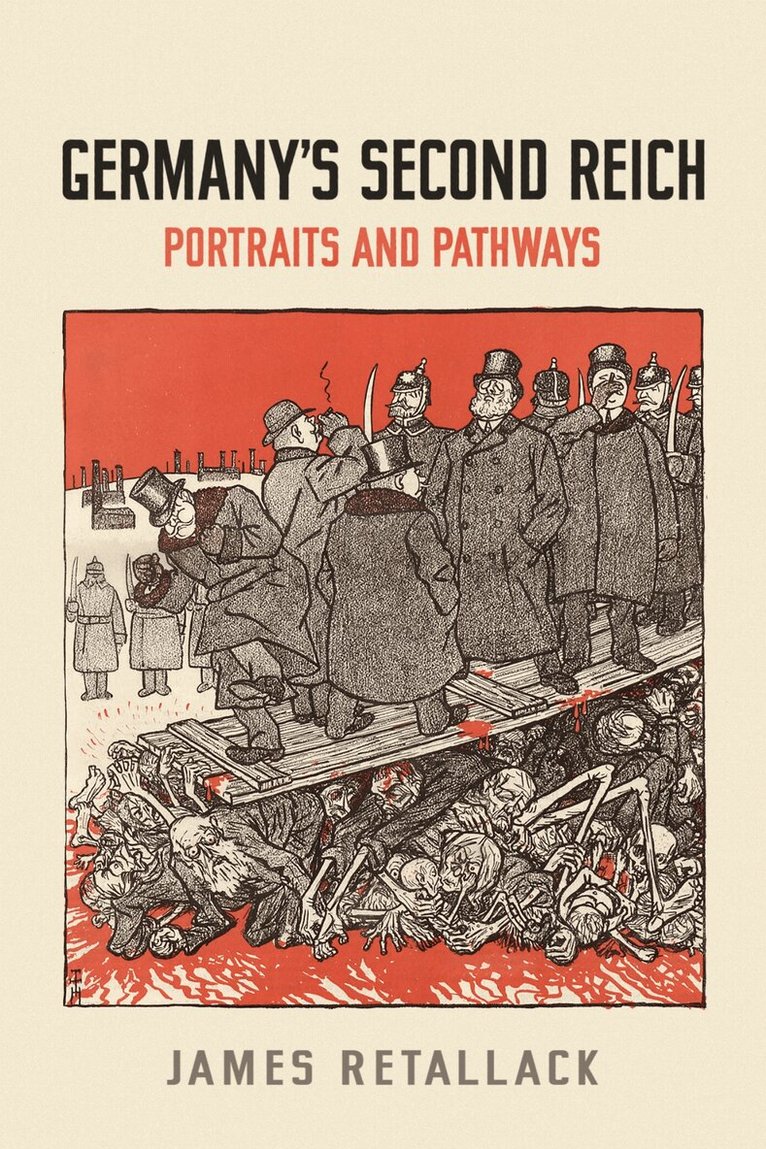
Germany's Second Reich
Portraits and Pathways
E-bok, 2015
571 kr
Lägg i varukorg
Despite recent studies of imperial Germany that emphasize the empire’s modern and reformist qualities, the question remains: to what extent could democracy have flourished in Germany’s stony soil? In Germany’s Second Reich, James Retallack continues his career-long inquiry into the era of Bismarck …
Germany's Second Reich
Portraits and Pathways
E-bok, 2015
571 kr
Lägg i varukorg
Despite recent studies of imperial Germany that emphasize the empire’s modern and reformist qualities, the question remains: to what extent could democracy have flourished in Germany’s stony soil? In Germany’s Second Reich, James Retallack continues his career-long inquiry into the era of Bismarck …
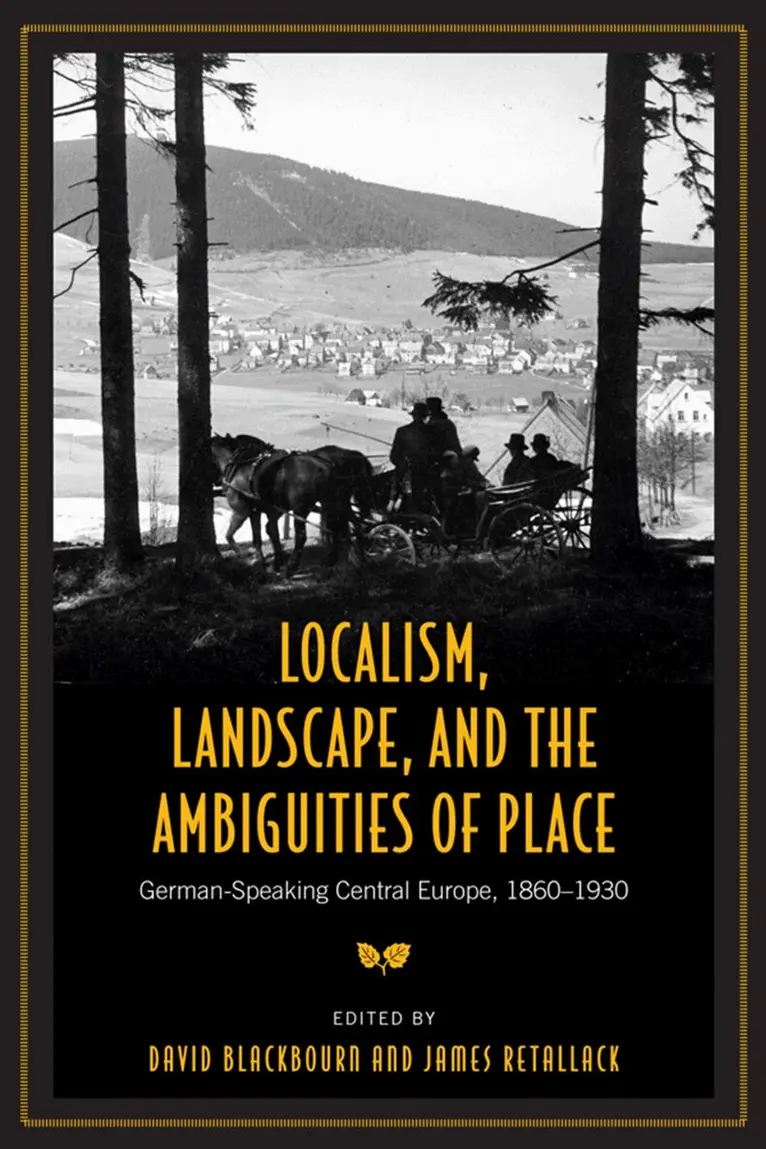
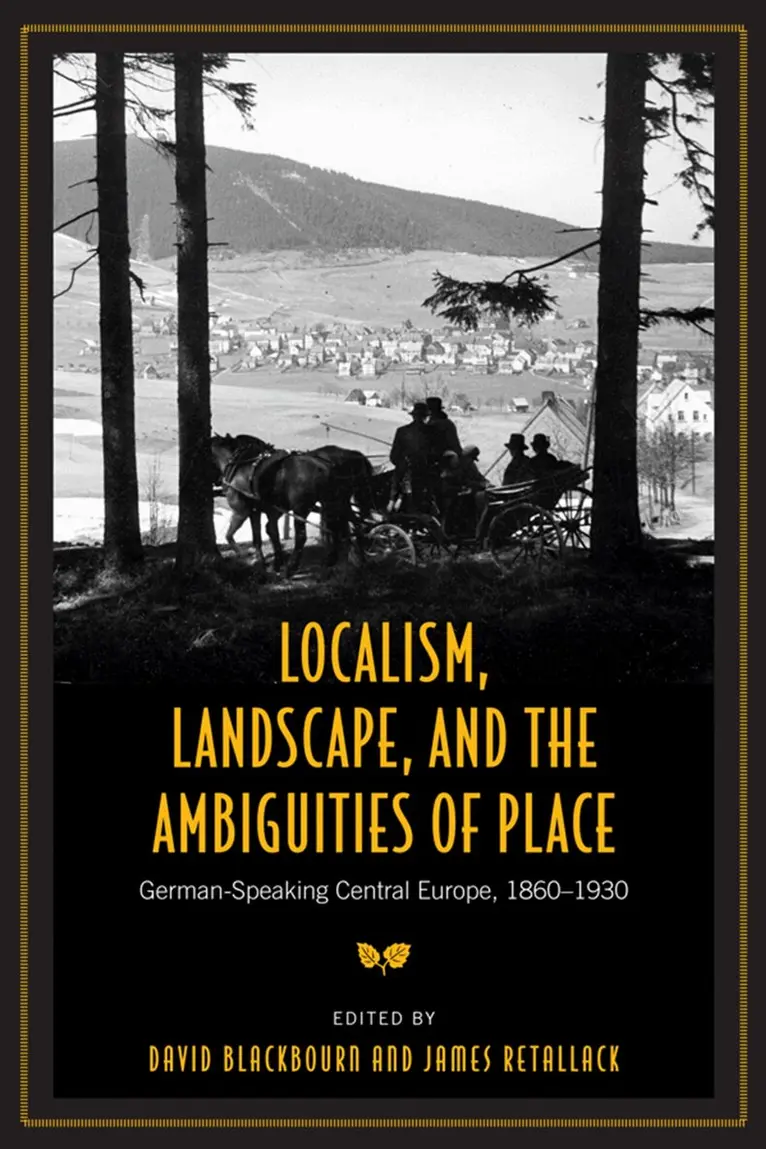
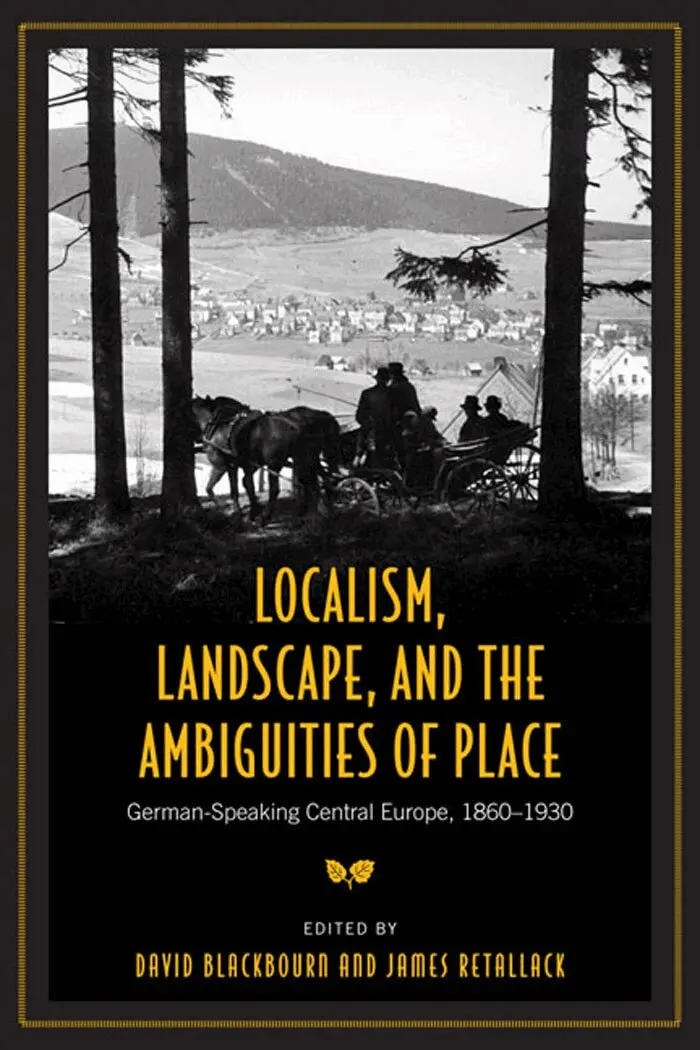
Localism, Landscape, and the Ambiguities of Place
German-Speaking Central Europe, 1860-1930
Av David Blackbourn, James Retallack
E-bok, 2015
571 kr
Lägg i varukorg
What makes a person call a particular place 'home'? Does it follow simply from being born there? Is it the result of a language shared with neighbours or attachment to a familiar landscape? Perhaps it is a piece of music, or a painting, or even a travelogue that captures the essence of home. And …
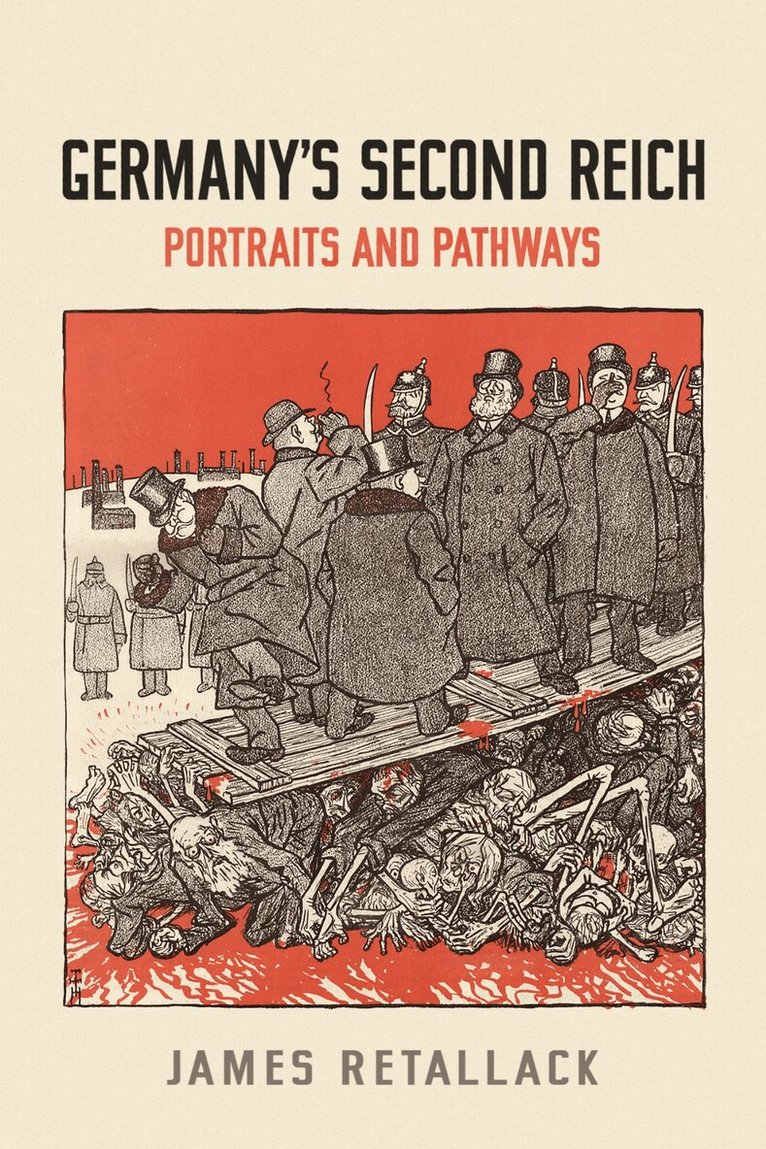
Germany's Second Reich
Portraits and Pathways
Häftad, 2015
456 kr
Lägg i varukorg
Despite recent studies of imperial Germany that emphasize the empire’s modern and reformist qualities, the question remains: to what extent could democracy have flourished in Germany’s stony soil? In Germany’s Second Reich, James Retallack continues his career-long inquiry into the era of Bismarck …
Localism, Landscape, and the Ambiguities of Place
German-Speaking Central Europe, 1860-1930
Av David Blackbourn, James Retallack
Häftad, 2014
456 kr
Lägg i varukorg
What makes a person call a particular place 'home'? Does it follow simply from being born there? Is it the result of a language shared with neighbours or attachment to a familiar landscape? Perhaps it is a piece of music, or a painting, or even a travelogue that captures the essence of home. And …
German Right, 1860-1920
Political Limits of the Authoritarian Imagination
E-bok, 2006
602 kr
Lägg i varukorg
Before the rise of Hitler and the Nazis, Germany was undergoing convulsive socioeconomic and political change. With unification as a nation state under Bismarck in 1871, Germany experienced the advent of mass politics, based on the principle of one man, one vote. The dynamic, diverse political …
German Right, 1860-1920
Political Limits of the Authoritarian Imagination
E-bok, 2006
705 kr
Lägg i varukorg
Before the rise of Hitler and the Nazis, Germany was undergoing convulsive socioeconomic and political change. With unification as a nation state under Bismarck in 1871, Germany experienced the advent of mass politics, based on the principle of one man, one vote. The dynamic, diverse political …
Localism, Landscape, and the Ambiguities of Place
German-Speaking Central Europe, 1860-1930
Av David Blackbourn, James Retallack
E-bok, 2007
504 kr
Lägg i varukorg
What makes a person call a particular place 'home'? Does it follow simply from being born there? Is it the result of a language shared with neighbours or attachment to a familiar landscape? Perhaps it is a piece of music, or a painting, or even a travelogue that captures the essence of home. And …
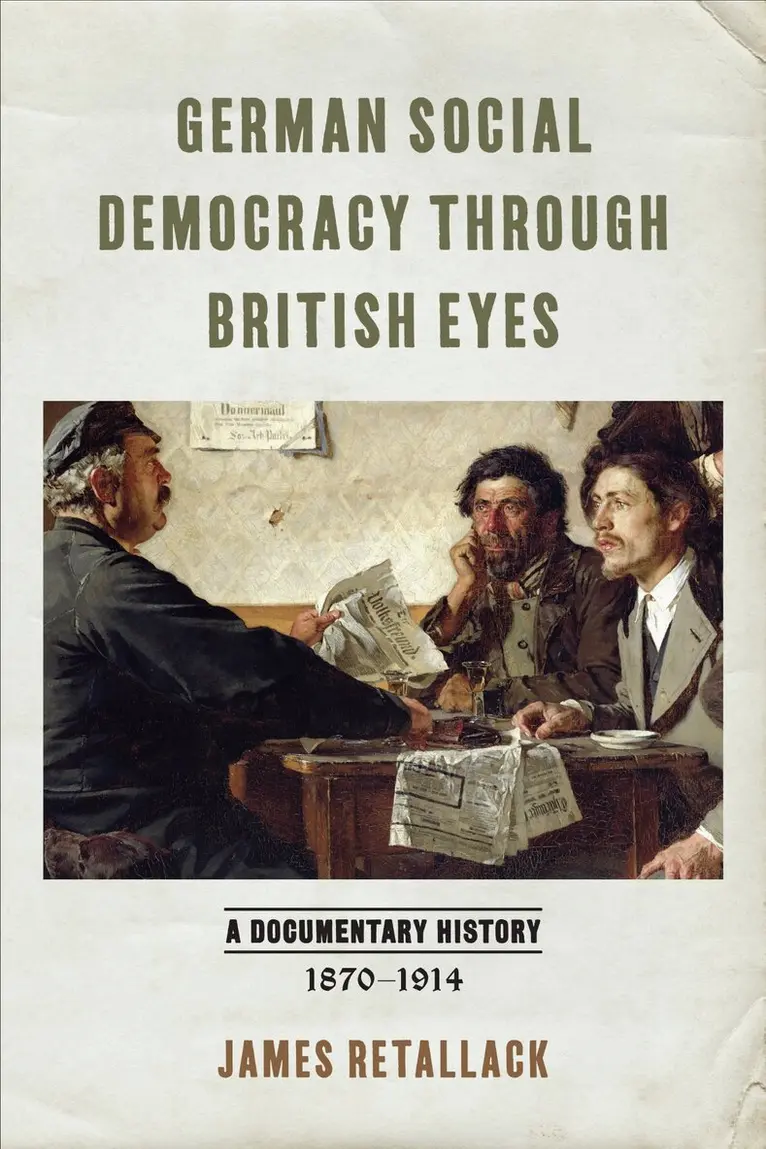
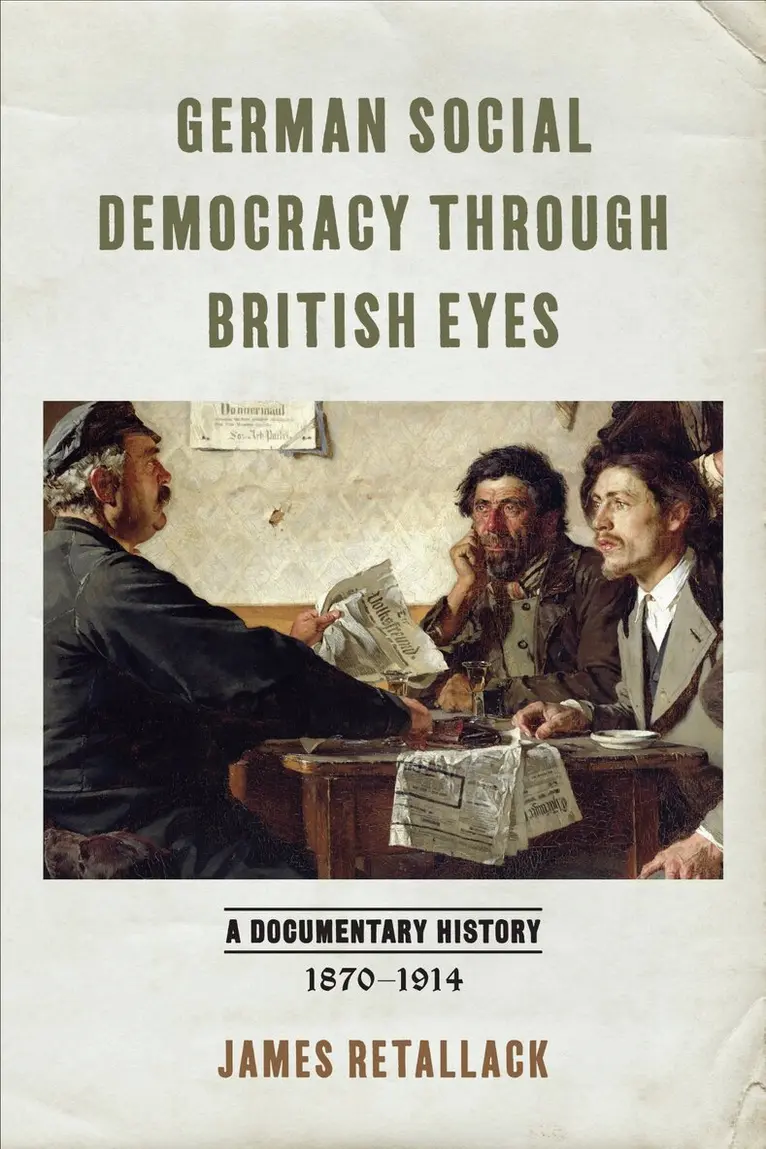
German Social Democracy Through British Eyes
A Documentary History, 1870-1914
Inbunden, 2021
918 kr
Lägg i varukorg
On the eve of the First World War, the German Social Democratic Party (SPD) was the largest and most powerful socialist party in the world. German Social Democracy through British Eyes examines the SPD’s rise using British diplomatic reports from Saxony, the third-largest federal state in Imperial …
German Social Democracy Through British Eyes
A Documentary History, 1870-1914
Häftad, 2022
352 kr
Lägg i varukorg
On the eve of the First World War, the German Social Democratic Party (SPD) was the largest and most powerful socialist party in the world. German Social Democracy through British Eyes examines the SPD’s rise using British diplomatic reports from Saxony, the third-largest federal state in Imperial …
German Social Democracy Through British Eyes
A Documentary History, 1870–1914
E-bok, 2021
460 kr
Lägg i varukorg
On the eve of the First World War, the German Social Democratic Party (SPD) was the largest and most powerful socialist party in the world. German Social Democracy through British Eyes examines the SPD’s rise using British diplomatic reports from Saxony, the third-largest federal state in Imperial …
German Social Democracy Through British Eyes
A Documentary History, 1870–1914
E-bok, 2021
470 kr
Lägg i varukorg
On the eve of the First World War, the German Social Democratic Party (SPD) was the largest and most powerful socialist party in the world. German Social Democracy through British Eyes examines the SPD’s rise using British diplomatic reports from Saxony, the third-largest federal state in Imperial …
Wilhelminism and Its Legacies
German Modernities, Imperialism, and the Meanings of Reform, 1890-1930
Av Geoff Eley, James Retallack
Inbunden, 2003
1936 kr
Lägg i varukorg
What was distinctive—and distinctively "modern"—about German society and politics in the age of Kaiser Wilhelm II? In addressing this question, these essays assemble cutting-edge research by fourteen international scholars. Based on evidence of an explicit and self-confidently "bourgeois" formation …