Jan K. Hoegh – författare
297 kr
Läs direkt efter köp
400 kr
Läs direkt efter köp
369 kr
Läs direkt efter köp
With foreword by Robert J. Marzano
When teachers adopt standards-based learning, students take ownership of their education and achievement soars. Written specifically for K-12 teachers, this resource details a sequential approach for connecting curriculum, instruction, assessment methods, and feedback through standards-based education. The authors provide practical advice, real-world examples, and answers to frequently asked questions designed to support you through this important transition.
Implement standards-based grading, instruction, and curriculum in your classroom and school:
Explore the theories and benefits of a standards-based curriculum and become familiar with several significant paradigm shifts that will help you make a strong transition to a standards-based classroom.Explore ways to shift your thinking about teaching and lesson plans in order to better understand content as a vehicle for the achievement of standards.Learn how to develop proficiency scales that will offer guidance in teaching to standards and establishing informative classroom assessment for student learning.Discover new styles of instruction, educational assessment, feedback, and curriculum building that are well suited to standards-based education.Understand how to develop student ownership through the setting of goals, and access free downloadable reproducibles available with this book.Contents:About the AuthorsAbout Marzano ResearchForeword by Robert J. MarzanoIntroductionChapter 1: Planning Instruction With Proficiency ScalesChapter 2: Instructing With Proficiency ScalesChapter 3: Setting Goals and Tracking ProgressChapter 4: Administering Quality Classroom Assessments and Figuring GradesChapter 5: Teaching Exceptional StudentsChapter 6: Communicating GradesEpilogueAppendix A: Frequently Asked QuestionsAppendix B: Creation of an Elementary Unit PlanReferences and ResourcesIndex
446 kr
Skickas inom 3-6 vardagar
403 kr
Läs direkt efter köp
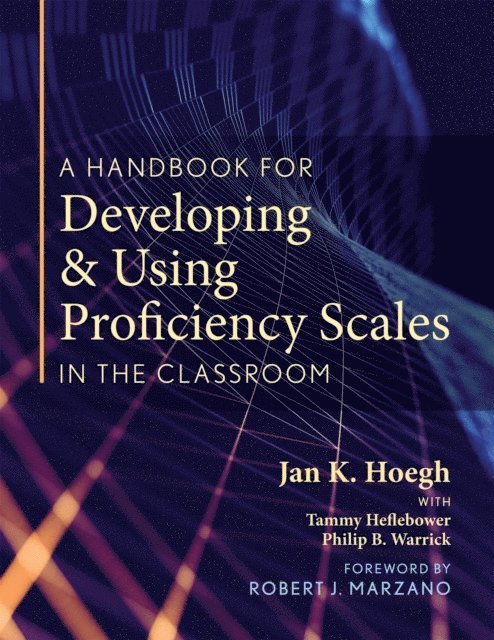
Discover a clear path for creating and utilizing high-quality proficiency scales. Through this practical handbook, you will gain access to a comprehensive toolkit of strategies, methods, and examples for a variety of content areas and grade levels. The author also outlines an array of accommodations and modifications to support students with disabilities, English learners, and gifted and talented students.
Benefits:
Understand how to create and use proficiency scales to clearly frame classroom instruction and assessments.Learn how to write high-quality proficiency scales and review how to enrich student learning opportunities.Recognize the various ways teachers, students, and parents can use proficiency scales.Access rubrics, criteria checklists, and pacing guides that you can use in concert with proficiency scales to provide valuable feedback to students.Contents:IntroductionChapter 1: The What and Why of Proficiency ScalesChapter 2: Proficiency Scale DevelopmentChapter 3: Score 4.0—Complex ContentChapter 4: The Use of Proficiency Scales in the ClassroomChapter 5: Scales and Related ToolsChapter 6: Using Scales With Exceptional LearnersChapter 7: Scales for Behaviors That Promote Academic SuccessEpilogueAppendix A: Example ScalesAppendix B: Common Scale Templates With ExamplesAppendix C: Scale Development ChecklistsAppendix D: Score 4.0 ExamplesAppendix E: Scales With Sample AssessmentsReferencesIndex
400 kr
Läs direkt efter köp
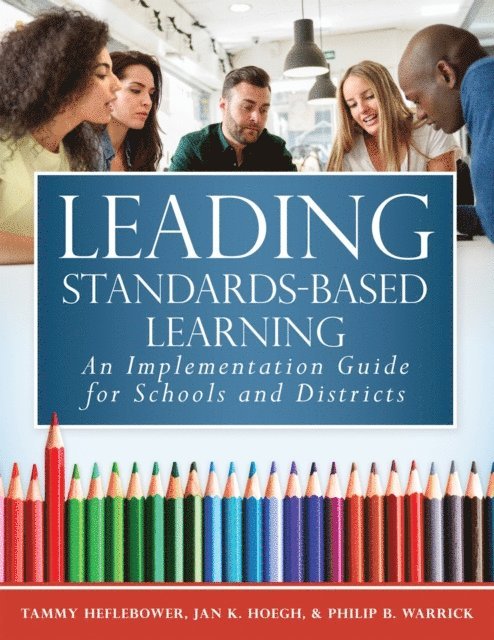
Standards-based learning is a great step forward for schools, but it must be implemented correctly to ensure the best educational experience possible. In this comprehensive implementation guide, the authors outline a research-backed, five-phase plan for leading transition to a standards-based grading system.
Use this book to take full advantage of academic standards and criterion-referenced forms of education:
Develop a strong standards-based curriculum.Align instruction and reliable assessments to the standards.Change outdated grading and reporting practices to promote student learning and growth.Share knowledge with and seek feedback from teachers, students, families, and other stakeholders.Achieve a sustainable standards-based learning system that benefits all students in a school or district.Study implementation examples from real teachers, leaders, and schools.Contents:IntroductionChapter 1: Phase 1--Curriculum, Assessment, and CommunicationChapter 2: Phase 2--Capacity BuildingChapter 3: Phase 3--ImplementationChapter 4: Phase 4--ImplementationChapter 5: Phase 5--MonitoringEpilogueAppendix A: Additional Resources for Chapter 1Appendix B: Additional Resources for Chapter 2Appendix C: Additional Resources for Chapter 3Appendix D: Additional Resources for Chapter 4Appendix E: Additional Resources for Chapter 5
365 kr
Läs direkt efter köp
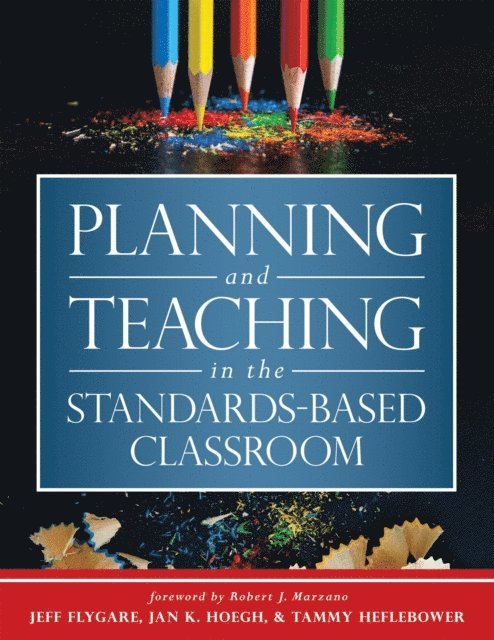
Shifting to standards-based learning is a big change. Rely on Planning and Teaching in the Standards-Based Classroom to help you move forward with clarity and confidence. Authors Jeff Flygare, Jan K. Hoegh, and Tammy Heflebower have created a must-have guide for teachers that delivers straightforward, practical tools and detailed instructions for everything from lesson planning to proficiency scales to parent communication.
Understand priority standards and proficiency scales.Develop curriculum maps to plan for the entire year or course.Follow the steps of the instructional cycle to create standards-based units and lessons.Help exceptional students continue to thrive and grow in a standards-based environment.Communicate objectively with students and families about learning.Contents:IntroductionChapter 1: Curriculum Based on Standards and ScalesChapter 2: Year-Long Planning With Curriculum MapsChapter 3: Unit Planning With the Instructional CycleChapter 4: Lesson Planning and Teaching Within the Instructional CycleChapter 5: Assessments and Progress TrackingChapter 6: Communication Using Proficiency ScalesEpilogue
365 kr
Läs direkt efter köp
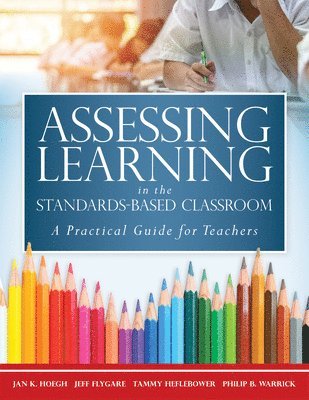
What do successful assessments look like? According to this team of authors, they provide meaningful assessment data that inform your instruction to help your students reach proficiency in priority standards. With the help of this practical guide, learn how to successfully integrate assessment with the standards-based teaching and learning process to improve student performance and evaluate instructional efficacy.
This book will help K–12 teachers and assessment coordinators: Gain clarity on the different roles of assessment throughout the instructional cycleDetermine the timing and format of assessments to best support student learningAddress test validity, reliability, and fairnessUnderstand collaborative techniques for assessment consistencyAccess numerous sample assessments from the fieldContents:IntroductionChapter 1: The Role and Purpose of Classroom AssessmentChapter 2: Assessment Throughout the Instructional CycleChapter 3: Assessment Practices for Consistency and CollaborationChapter 4: Technical QualityChapter 5: The Process of Scoring AssessmentsChapter 6: The Use of Data From AssessmentsChapter 7: Feedback to StudentsEpilogueReferences and ResourcesIndex