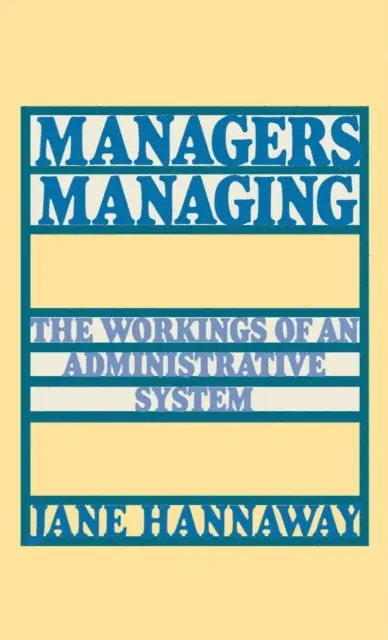
This book is about the inner workings of an administrative system in the public sector, and is a study of what managers actually do. It looks at why they act in the ways they do, what influences their focus of attention, which issues or people within an organization attract them, and which they avoid. Its clarity of style and lack of academic jargon makes it accessible to non-specialists.
Managers face a complex and seemingly overwhelming set of decisions in their work lives. Investigating exactly what managers do on the job, this study presents a wealth of new evidence to analyze why managers act in the ways they do, what influences their focus of attention, and which issues and other actors in an organization they tend to find attractive and which they tend to avoid. In short, it describes how managers in the real world make decisions.
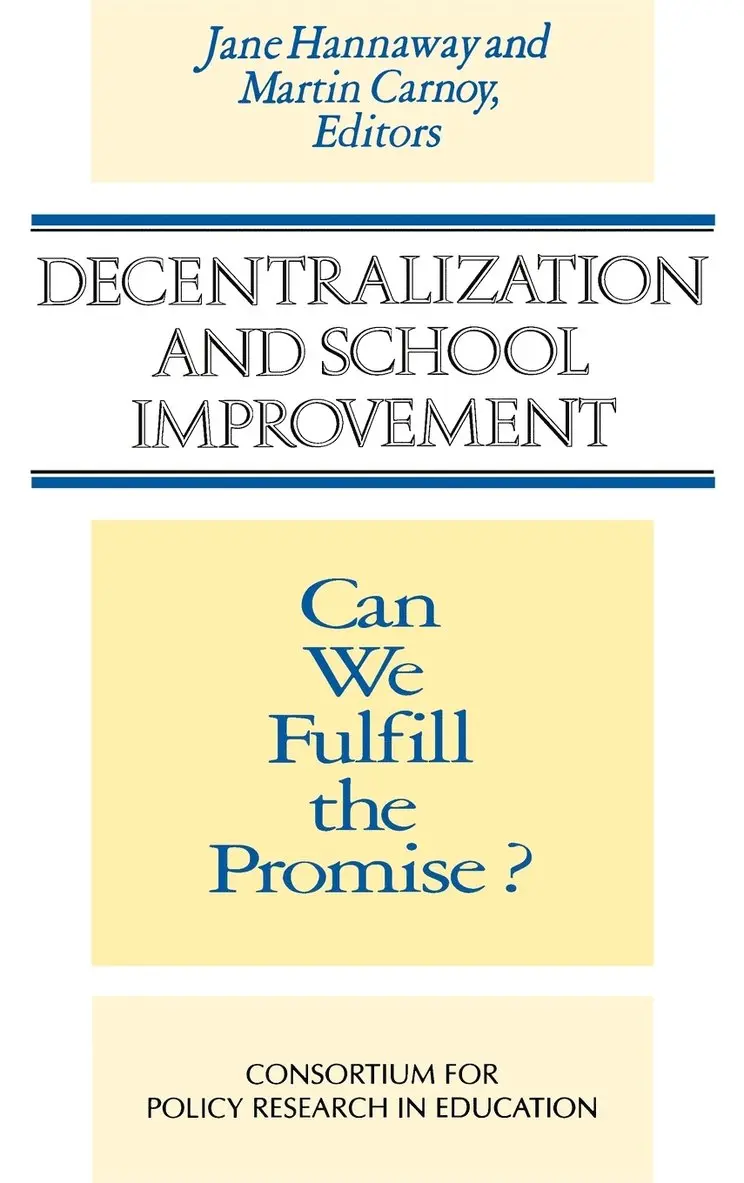
Sponsored by the Consortium for Policy Research in Education Drawing on theoretical models, case studies, and comparative analyses of other sectors and countries, the authors argue that governance reforms are likely to have little impact on what actually happens in schools, and they tell why decentralized structural arrangements alone are unlikely to establish conditions necessary for general improvement in educational practice.
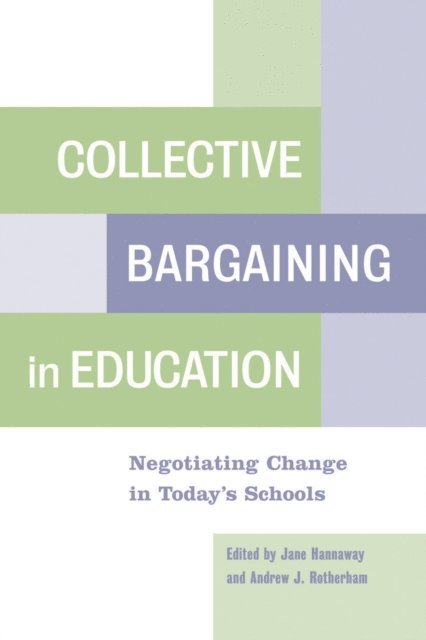
This timely and comprehensive volume will spur and strengthen public debate over the role of teachers unions in education reform for years to come. Collective bargaining shapes the way public schools are organized, financed, staffed, and operated. Understanding collective bargaining in education and its impact on the day-to-day life of schools is critical to designing and implementing reforms that will successfully raise student achievement. But when it comes to public discussion of school reform, teachers unions are the proverbial elephant in the room. Despite the tremendous influence of teachers unions, there has not been a significant research-based book examining the role of collective bargaining in education in more than two decades. As a result, there is little basis for a constructive, empirically grounded dialogue about the role of teachers unions in education today.