Janet L. Norwood – författare
Visar alla böcker från författaren Janet L. Norwood. Handla med fri frakt och snabb leverans.
15 produkter
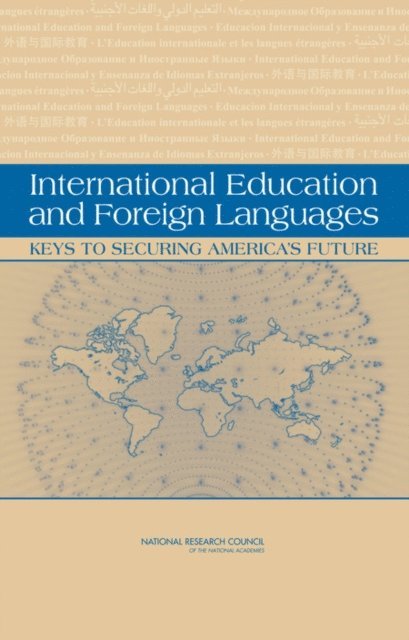
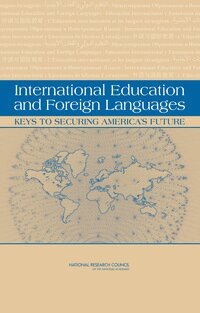
International Education and Foreign Languages
Keys to Securing America''s Future
Av Committee to Review the Title VI and Fulbright-Hays International Education Programs, Center for Education m. fl.
E-bok, 2007
906 kr
Lägg i varukorg
International Education and Foreign Languages reviews the Department of Education''s Title VI and Fulbright-Hays Programs, which provide higher education funding for international education and foreign language programs. This book offers a timely look at issues that are increasingly important in an …
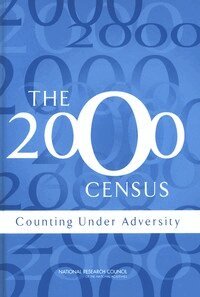
2000 Census
Counting Under Adversity
Av Panel to Review the 2000 Census, Committee on National Statistics m. fl.
E-bok, 2004
1126 kr
Lägg i varukorg
The decennial census was the federal government''s largest and most complexpeacetime operation. This report of a panel of the National Research Council''sCommittee on National Statistics comprehensively reviews the conduct of the 2000census and the quality of the resulting data. The panel''s …
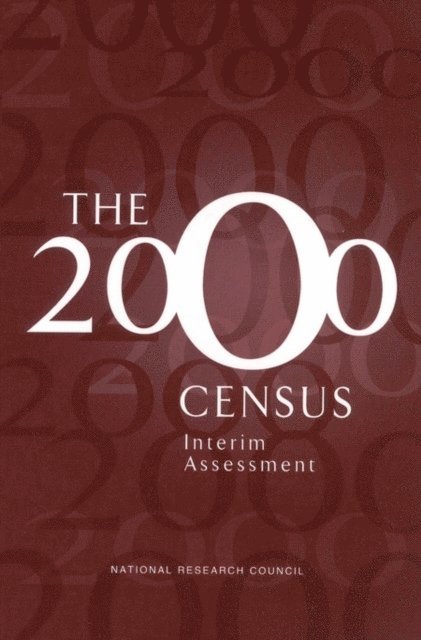
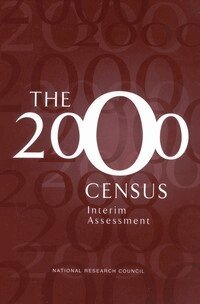
2000 Census
Interim Assessment
Av Panel to Review the 2000 Census, Committee on National Statistics m. fl.
E-bok, 2002
847 kr
Lägg i varukorg
This volume contains the full text of two reports: one is an interim review of major census operations, which also assesses the U.S. Census bureau''s recommendation in March 2001 regarding statistical adjustment of census data for redistricting. It does not address the decision on adjustment for …
Food Insecurity and Hunger in the United States
An Assessment of the Measure
Av Panel to Review the U.S Department of Agriculture's Measurement of Food Insecurity and Hunger, Committee on National Statistics m. fl.
E-bok, 2006
731 kr
Lägg i varukorg
The United States is viewed by the world as a country with plenty of food, yet not all households in America are food secure, meaning access at all times to enough food for an active, healthy life. A proportion of the population experiences food insecurity at some time in a given year because of …
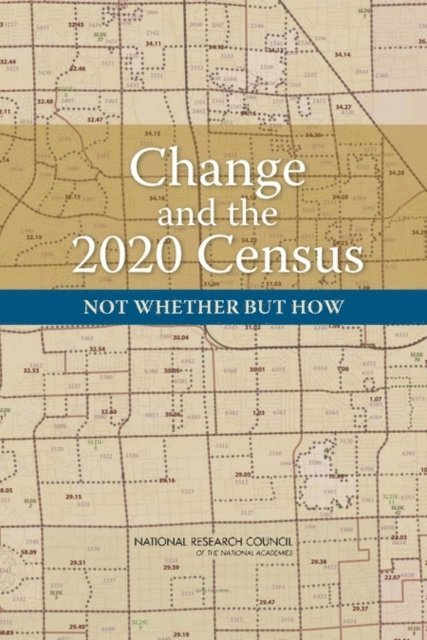
Change and the 2020 Census
Not Whether But How
Av Panel to Review the 2010 Census, Committee on National Statistics m. fl.
E-bok, 2011
286 kr
Lägg i varukorg
Sponsored by the Census Bureau and charged to evaluate the 2010 U.S. census with an eye toward suggesting research and development for the 2020 census, the Panel to Review the 2010 Census uses this first interim report to suggest general priorities for 2020 research. Although the Census Bureau has …
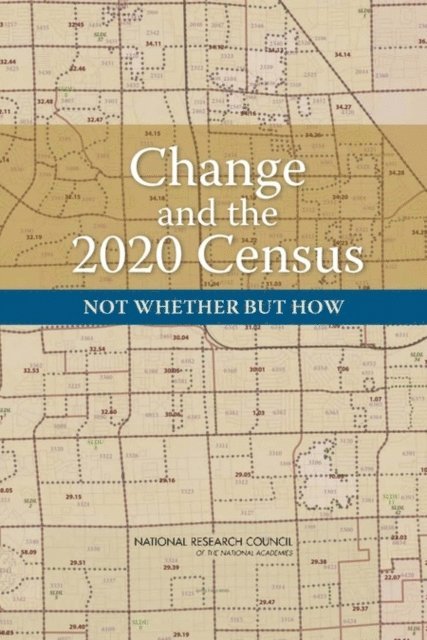
Change and the 2020 Census
Not Whether But How
Av Panel to Review the 2010 Census, Committee on National Statistics m. fl.
E-bok, 2011
286 kr
Lägg i varukorg
Sponsored by the Census Bureau and charged to evaluate the 2010 U.S. census with an eye toward suggesting research and development for the 2020 census, the Panel to Review the 2010 Census uses this first interim report to suggest general priorities for 2020 research. Although the Census Bureau has …
2000 Census
Interim Assessment
Av Panel to Review the 2000 Census, Committee on National Statistics m. fl.
E-bok, 2002
624 kr
Lägg i varukorg
This volume contains the full text of two reports: one is an interim review of major census operations, which also assesses the U.S. Census bureau''s recommendation in March 2001 regarding statistical adjustment of census data for redistricting. It does not address the decision on adjustment for …
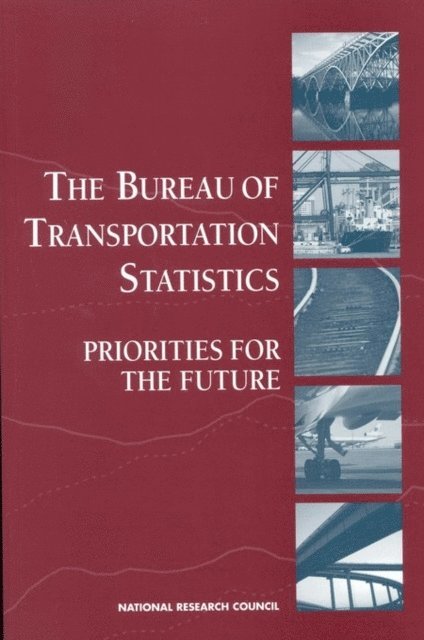
Bureau of Transportation Statistics
Priorities for the Future
Av Panel on Statistical Programs and Practices of the Bureau of Transportation Statistics, Commission on Behavioral and Social Sciences and Education m. fl.
E-bok, 1997
468 kr
Lägg i varukorg
How can the Bureau of Transportation Statistics (BTS), the nation''s newest federal statistical agency, contribute to the work of the U.S. Department of Transportation (USDOT)? What is the appropriate role for such an agency as a part of a major department? BTS was authorized in 1991 by the …
2000 Census
Counting Under Adversity
Av Panel to Review the 2000 Census, Committee on National Statistics m. fl.
E-bok, 2004
788 kr
Lägg i varukorg
The decennial census was the federal government''s largest and most complexpeacetime operation. This report of a panel of the National Research Council''sCommittee on National Statistics comprehensively reviews the conduct of the 2000census and the quality of the resulting data. The panel''s …
Food Insecurity and Hunger in the United States
An Assessment of the Measure
Av Panel to Review the U.S Department of Agriculture's Measurement of Food Insecurity and Hunger, Committee on National Statistics m. fl.
E-bok, 2006
509 kr
Lägg i varukorg
The United States is viewed by the world as a country with plenty of food, yet not all households in America are food secure, meaning access at all times to enough food for an active, healthy life. A proportion of the population experiences food insecurity at some time in a given year because of …
International Education and Foreign Languages
Keys to Securing America''s Future
Av Committee to Review the Title VI and Fulbright-Hays International Education Programs, Center for Education m. fl.
E-bok, 2007
648 kr
Lägg i varukorg
International Education and Foreign Languages reviews the Department of Education''s Title VI and Fulbright-Hays Programs, which provide higher education funding for international education and foreign language programs. This book offers a timely look at issues that are increasingly important in an …
Bureau of Transportation Statistics
Priorities for the Future
Av National Research Council, Division of Behavioral and Social Sciences and Education m. fl.
Häftad, 1997
1376 kr
Tillfälligt slut
How can the Bureau of Transportation Statistics (BTS), the nation's newest federal statistical agency, contribute to the work of the U.S. Department of Transportation (USDOT)? What is the appropriate role for such an agency as a part of a major department? BTS was authorized in 1991 by the …
2000 Census
Interim Assessment
Av National Research Council, Division of Behavioral and Social Sciences and Education m. fl.
Häftad, 2002
820 kr
Tillfälligt slut
This volume contains the full text of two reports: one is an interim review of major census operations, which also assesses the U.S. Census bureau's recommendation in March 2001 regarding statistical adjustment of census data for redistricting. It does not address the decision on adjustment for …
2000 Census
Counting Under Adversity
Av National Research Council, Division of Behavioral and Social Sciences and Education m. fl.
Inbunden, 2004
985 kr
Tillfälligt slut
The decennial census was the federal governmenta (TM)s largest and most complex peacetime operation. This report of a panel of the National Research Councila (TM)s Committee on National Statistics comprehensively reviews the conduct of the 2000 census and the quality of the resulting data. The …
International Education and Foreign Languages
Keys to Securing America's Future
Av National Research Council, Division of Behavioral and Social Sciences and Education m. fl.
Inbunden, 2007
850 kr
Tillfälligt slut
International Education and Foreign Languages reviews the Department of Education?s Title VI and Fulbright-Hays Programs, which provide higher education funding for international education and foreign language programs. This book offers a timely look at issues that are increasingly important in an …