Jaron Harambam - Böcker
Visar alla böcker från författaren Jaron Harambam. Handla med fri frakt och snabb leverans.
4 produkter
4 produkter
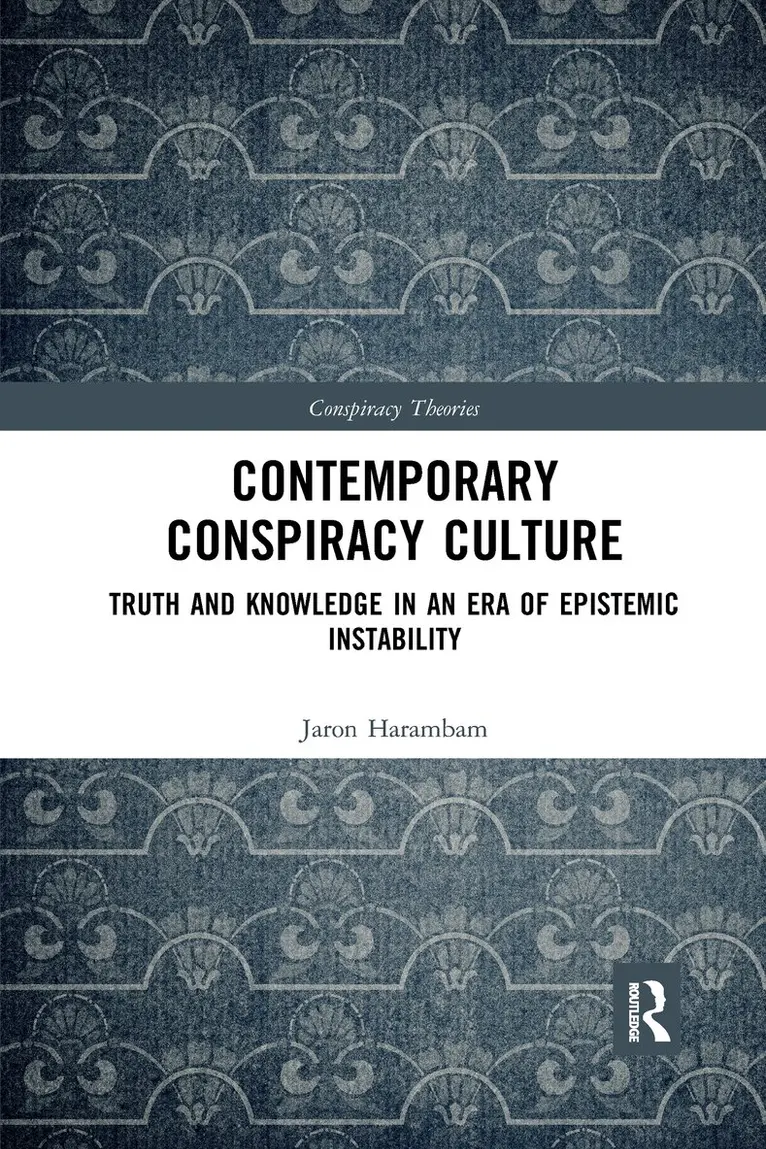
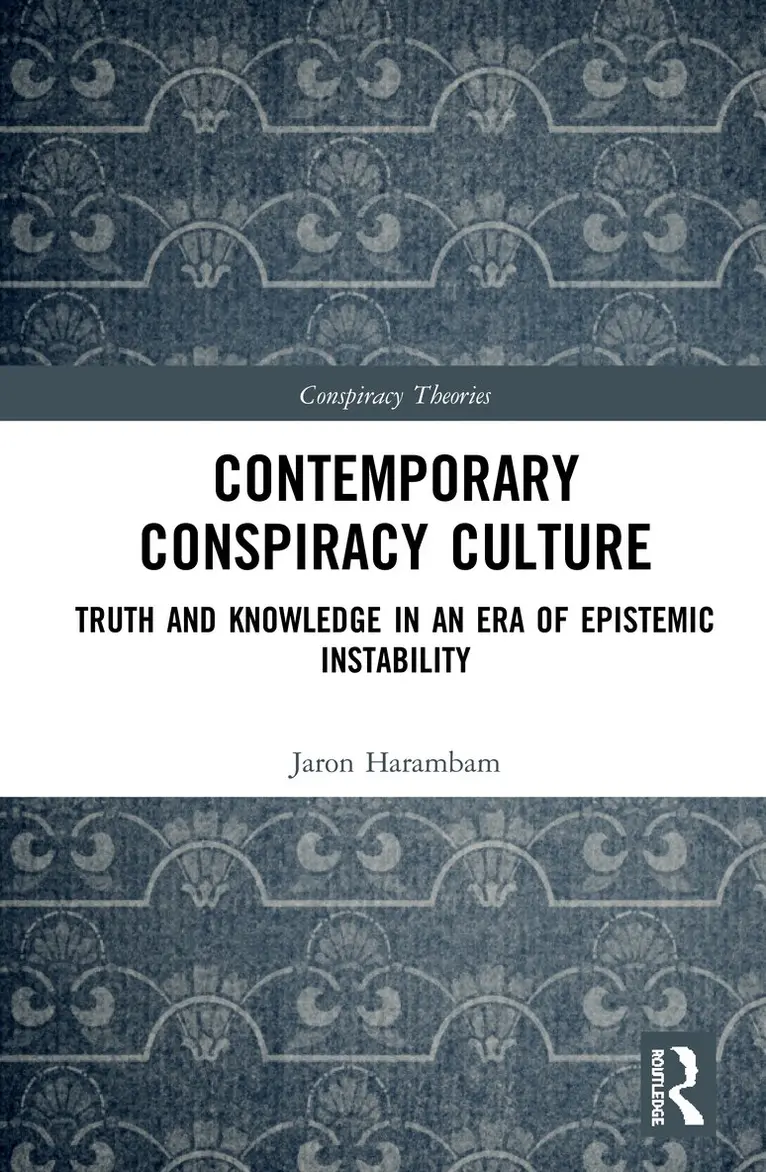
Contemporary Conspiracy Culture
Truth and Knowledge in an Era of Epistemic Instability
Inbunden, Engelska, 2020
2 088 kr
Skickas inom 10-15 vardagar
In this ethnographic study, the author takes an agnostic stance towards the truth value of conspiracy theories and delves into the everyday lives of people active in the conspiracy milieu to understand better what the contemporary appeal of conspiracy theories is.Conspiracy theories have become popular cultural products, endorsed and shared by significant segments of Western societies. Yet our understanding of who these people are and why they are attracted by these alternative explanations of reality is hampered by their implicit and explicit pathologization. Drawing on a wide variety of empirical sources, this book shows in rich detail what conspiracy theories are about, which people are involved, how they see themselves, and what they practically do with these ideas in their everyday lives. The author inductively develops from these concrete descriptions more general theorizations of how to understand this burgeoning subculture. He concludes by situating conspiracy culture in an age of epistemic instability where societal conflicts over knowledge abound, and the Truth is no longer assured, but "out there" for us to grapple with.This book will be an important source for students and scholars from a range of disciplines interested in the depth and complexity of conspiracy culture, including Anthropology, Cultural Studies, Communication Studies, Ethnology, Folklore Studies, History, Media Studies, Political Science, Psychology and Sociology. More broadly, this study speaks to contemporary (public) debates about truth and knowledge in a supposedly post-truth era, including widespread popular distrusts towards elites, mainstream institutions and their knowledge.
Contemporary Conspiracy Culture
Truth and Knowledge in an Era of Epistemic Instability
Häftad, Engelska, 2021
617 kr
Skickas inom 10-15 vardagar
In this ethnographic study, the author takes an agnostic stance towards the truth value of conspiracy theories and delves into the everyday lives of people active in the conspiracy milieu to understand better what the contemporary appeal of conspiracy theories is.Conspiracy theories have become popular cultural products, endorsed and shared by significant segments of Western societies. Yet our understanding of who these people are and why they are attracted by these alternative explanations of reality is hampered by their implicit and explicit pathologization. Drawing on a wide variety of empirical sources, this book shows in rich detail what conspiracy theories are about, which people are involved, how they see themselves, and what they practically do with these ideas in their everyday lives. The author inductively develops from these concrete descriptions more general theorizations of how to understand this burgeoning subculture. He concludes by situating conspiracy culture in an age of epistemic instability where societal conflicts over knowledge abound, and the Truth is no longer assured, but "out there" for us to grapple with.This book will be an important source for students and scholars from a range of disciplines interested in the depth and complexity of conspiracy culture, including Anthropology, Cultural Studies, Communication Studies, Ethnology, Folklore Studies, History, Media Studies, Political Science, Psychology and Sociology. More broadly, this study speaks to contemporary (public) debates about truth and knowledge in a supposedly post-truth era, including widespread popular distrusts towards elites, mainstream institutions and their knowledge.
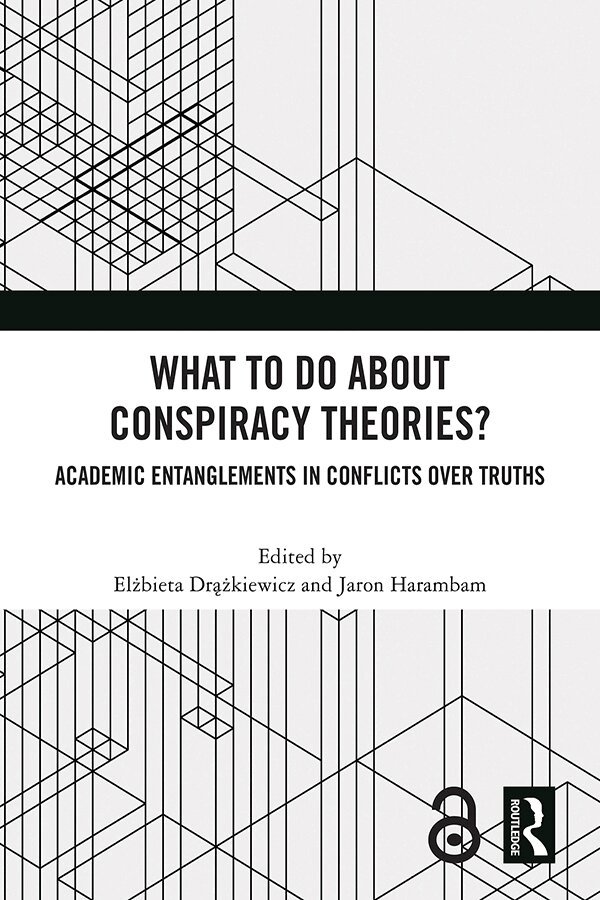
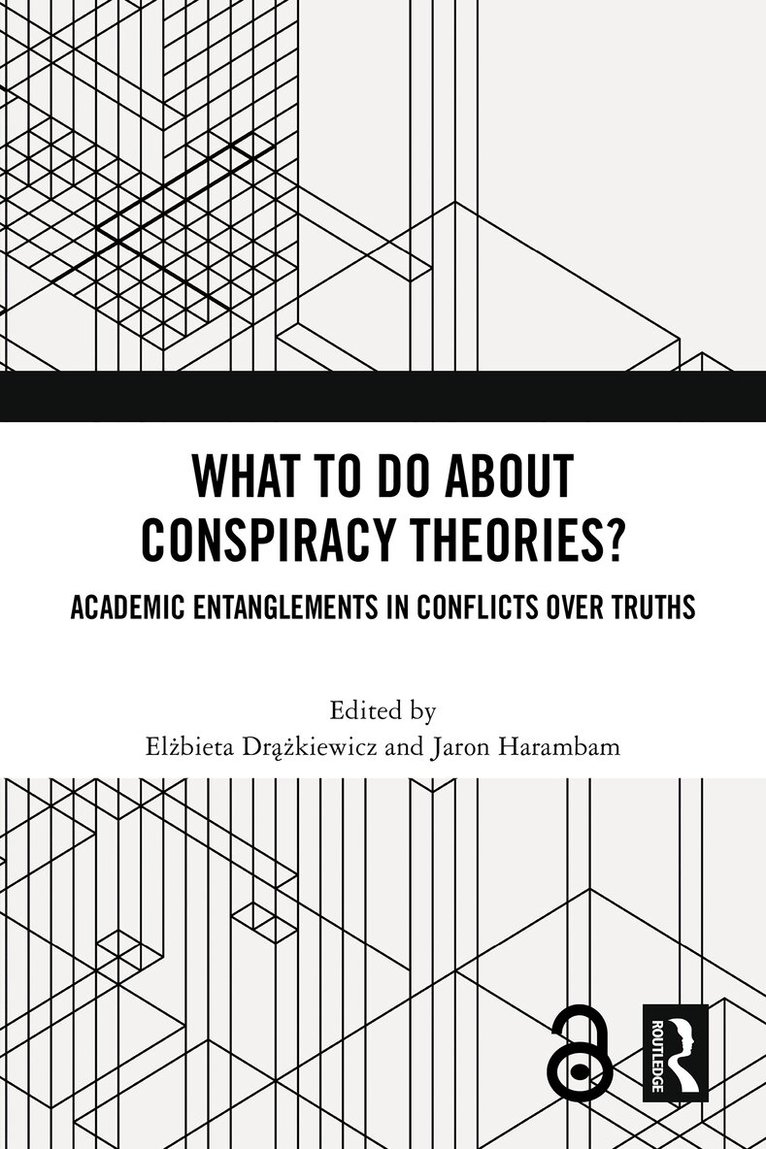
What To Do About Conspiracy Theories?
Academic Entanglements in Conflicts Over Truths
Inbunden, Engelska, 2024
2 088 kr
Skickas inom 10-15 vardagar
Increasingly social activists, journalists and policy makers have expressed concern over the proliferation of conspiracy theories in the public space. There is a growing fear of their impact on social cohesion and democracy, their power to erode trust in state institutions and science. These concerns often come with an expectation that it is the responsibility of academics to engage with conspiracy beliefs by countering them. But should they?In this book, contributors show that like everything that relates to conspiracy theories, even the answer to this question is not straightforward and can vary across disciplines and schools, can be influenced by disciplinary ethical codes of conduct, research methodologies, and specific approaches to conspiracy theories. Foregrounding a variety of approaches, from across disciplines (psychology, anthropology, sociology and media studies), academic seniority (from young scholars to full professors), and countries (USA, Ireland, UK, The Netherlands, Sweden, and Greece), the chapters in this book are in deep conversation with each other, offering multiple alternative takes on the issue of what should academics do with conspiracy theories. Together, the book embodies several bold and compelling provocations to dealing differently with conspiracy theories.This timely volume introduces perspectives of scholars representing media studies, anthropology, psychology and sociology and discusses case studies concerning politics, health, environment and security. It will be a key resource for researchers, scholars and practitioners engaged in these fields and will also appeal to anyone interested in conspiracy theories and other related phenomena such as disinformation or fake news. This book was originally published as a special issue of the Journal for Cultural Research. The Open Access version of this book, available at https://www.taylorfrancis.com/books/oa-edit/10.4324/9781032647463/conspiracy-theories-el%C5%BCbieta-dr%C4%85%C5%BCkiewicz-jaron-harambam?context=ubx&refId=34db6a37-3391-401b-bef8-10dd2351c582 has been made available under a Creative Commons [Attribution- Non Commercial- No Derivatives (CC- BY- NC- ND)] 4.0 International license. A version of the open access title is also available on the OAPEN platform: https://library.oapen.org/handle/20.500.12657/88254.
What To Do About Conspiracy Theories?
Academic Entanglements in Conflicts Over Truths
Häftad, Engelska, 2025
630 kr
Skickas inom 10-15 vardagar
Increasingly social activists, journalists and policy makers have expressed concern over the proliferation of conspiracy theories in the public space. There is a growing fear of their impact on social cohesion and democracy, their power to erode trust in state institutions and science. These concerns often come with an expectation that it is the responsibility of academics to engage with conspiracy beliefs by countering them. But should they?In this book, contributors show that like everything that relates to conspiracy theories, even the answer to this question is not straightforward and can vary across disciplines and schools, can be influenced by disciplinary ethical codes of conduct, research methodologies, and specific approaches to conspiracy theories. Foregrounding a variety of approaches, from across disciplines (psychology, anthropology, sociology and media studies), academic seniority (from young scholars to full professors), and countries (USA, Ireland, UK, The Netherlands, Sweden, and Greece), the chapters in this book are in deep conversation with each other, offering multiple alternative takes on the issue of what should academics do with conspiracy theories. Together, the book embodies several bold and compelling provocations to dealing differently with conspiracy theories.This timely volume introduces perspectives of scholars representing media studies, anthropology, psychology and sociology and discusses case studies concerning politics, health, environment and security. It will be a key resource for researchers, scholars and practitioners engaged in these fields and will also appeal to anyone interested in conspiracy theories and other related phenomena such as disinformation or fake news. This book was originally published as a special issue of the Journal for Cultural Research. The Open Access version of this book, available at https://www.taylorfrancis.com/books/oa-edit/10.4324/9781032647463/conspiracy-theories-el%C5%BCbieta-dr%C4%85%C5%BCkiewicz-jaron-harambam?context=ubx&refId=34db6a37-3391-401b-bef8-10dd2351c582 has been made available under a Creative Commons [Attribution- Non Commercial- No Derivatives (CC- BY- NC- ND)] 4.0 International license. A version of the open access title is also available on the OAPEN platform: https://library.oapen.org/handle/20.500.12657/88254.