Javier Couso – författare
Visar alla böcker från författaren Javier Couso. Handla med fri frakt och snabb leverans.
7 produkter
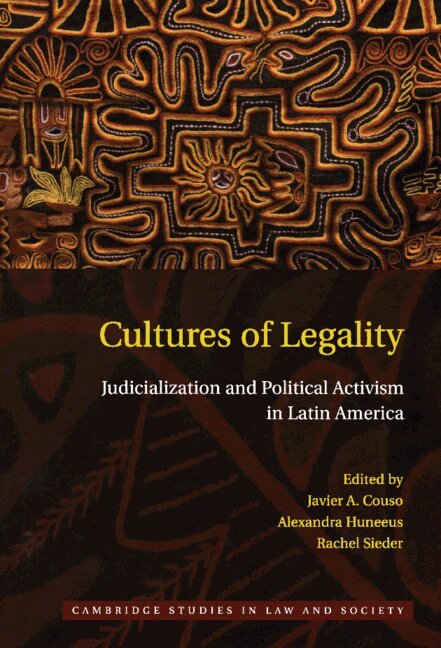
Cultures of Legality
Judicialization and Political Activism in Latin America
Av Javier Couso, Alexandra Huneeus m. fl.
Inbunden, 2010
1612 kr
Lägg i varukorg
Ideas about law are undergoing dramatic change in Latin America. The consolidation of democracy as the predominant form of government and the proliferation of transnational legal instruments have ushered in an era of new legal conceptions and practices. Law has become a core focus of political …
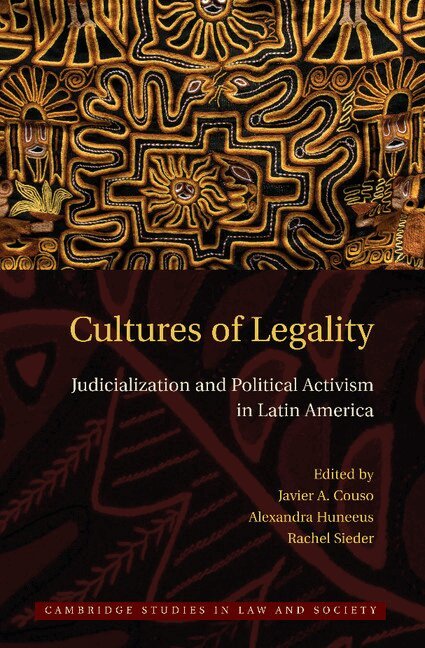
Cultures of Legality
Judicialization and Political Activism in Latin America
Av Javier Couso, Alexandra Huneeus m. fl.
Häftad, 2013
583 kr
Lägg i varukorg
Ideas about law are undergoing dramatic change in Latin America. The consolidation of democracy as the predominant form of government and the proliferation of transnational legal instruments have ushered in an era of new legal conceptions and practices. Law has become a core focus of political …
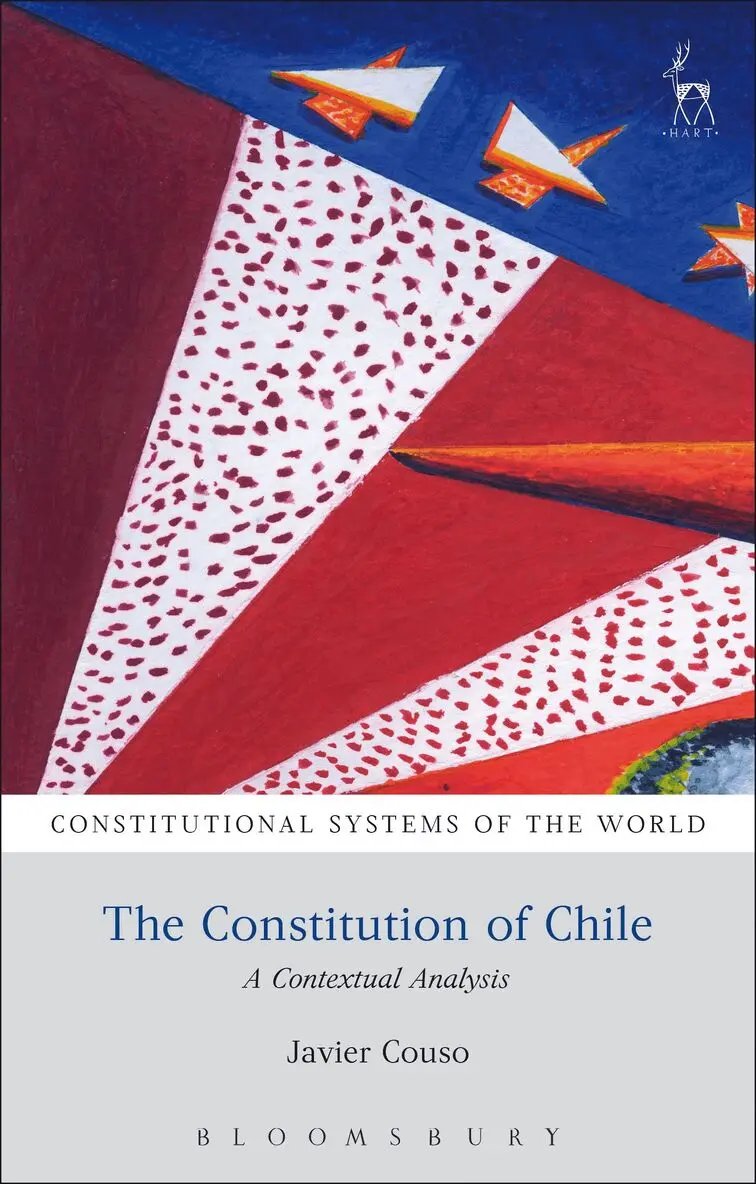
Constitution of Chile
A Contextual Analysis
Av Javier Couso, Peter Leyland m. fl.
Inbunden, 2025
1146 kr
Kommande
This book provides a critical introduction to Chile’s constitutional system, covering its key elements.It provides:- an account of its historical origins;- the structure of the different branches of government;- the way the fundamental rights are recognised and guaranteed; - the recent …
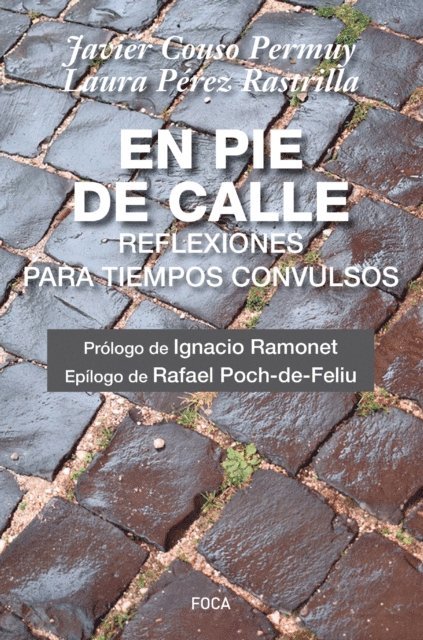
En pie de calle
Reflexiones para tiempos convulsos
Av Laura Perez Rastrilla, Javier Couso
E-bok, 2020
89 kr
Lägg i varukorg
Una muy útil y necesaria reflexión desde la izquierda para orientarse en un panorama marcado inesperadamente por la pandemia del Covid-19.En pie de calle se asoma a la trayectoria política de Javier Couso, a través de una conversación que se hila como una reflexión sobre los momentos más relevantes …
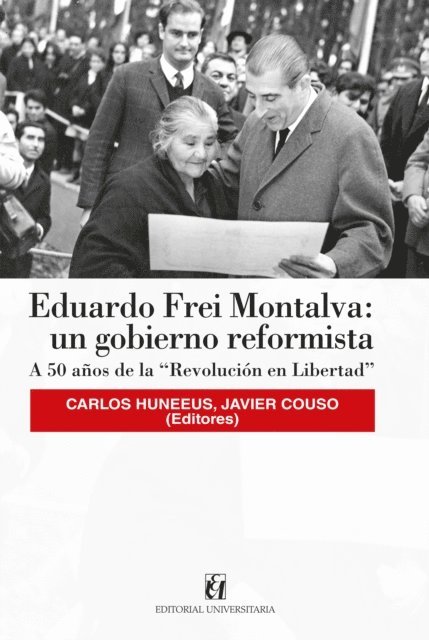
Eduardo Frei Montalva
un gobierno reformista
Av Carlos Huneeus, Javier Couso
Häftad, 2018
1151 kr
Lägg i varukorg
Eduardo Frei Montalva: un gobierno reformista
A 50 años de la "Revolución en Libertad"
Av Javier Couso, Carlos Huneeus
E-bok, 2022
102 kr
Lägg i varukorg
Con motivo del 50º aniversario del comienzo del gobierno del presidente Eduardo Frei Montalva –el primer democratacristiano que llegó a La Moneda–, quien encabezó una administración que realizó profundas transformaciones, los editores de este libro convocaron a un seminario para dialogar sobre cómo …
El constitucionalismo en el continente americano
Av Tanya Kateri Hernandez, Fernanda G. Nicola m. fl.
E-bok, 2016
141 kr
Lägg i varukorg
El presente libro se encuentra estructurado en tres partes bien diferenciadas. En la primera, se examina la relación que existe entre el constitucionalismo latinoamericano y el estadounidense. En particular, se examina la idea ampliamente difundida de que Latinoamérica es un mero espacio de …