Jennifer Price – författare
Visar alla böcker från författaren Jennifer Price. Handla med fri frakt och snabb leverans.
9 produkter
9 produkter
Häftad, Engelska, 2000
409 kr
Skickas inom 3-6 vardagar
In five sharply drawn chapters, Flight Maps charts the ways in which Americans have historically made connections,and missed connections,with nature. Beginning with an extraordinary chapter on the extinction of the Passenger Pigeon and the accompanying belligerent early view of nature's inexhaustibility, Price then moves on to discuss the Audubon Society's founding campaign in the 1890s against the extravagant use of stuffed birds to decorate women's hats. At the heart of the book is an improbable and extremely witty history of the plastic pink flamingo, perhaps the totem of Artifice and Kitsch,nevertheless a potent symbol through which to plumb our troublesome yet powerful visions of nature. From here the story of the affluent Baby-Boomers begins. Through an examination of the phenomenal success of The Nature Company, TV series such as Northern Exposure and Dr. Quinn, Medicine Woman, and the sport-utility vehicle craze, the author ruminates on our very American, very urbanized and suburbanized needs, discontents, and desires for meaningful, yet artificially constructed connections to nature. Witty, at times even whimsical, Flight Maps is also a sophisticated and meditative archaeology of Americans' very real and uneasy desire to make nature meaningful in their lives.
Del 193 - BAR British Series
Recent Research in Roman Yorkshire
Studies in honour of Mary Kitson Clark (Mrs Derwas Chitty)
Häftad, Engelska, 1988
1 367 kr
Skickas inom 5-8 vardagar
Häftad, Engelska, 2013
107 kr
Skickas inom 5-8 vardagar
Inbunden, Engelska, 2013
179 kr
Skickas inom 5-8 vardagar
E-bok
Engelska, 2021122 kr
Läs direkt efter köp
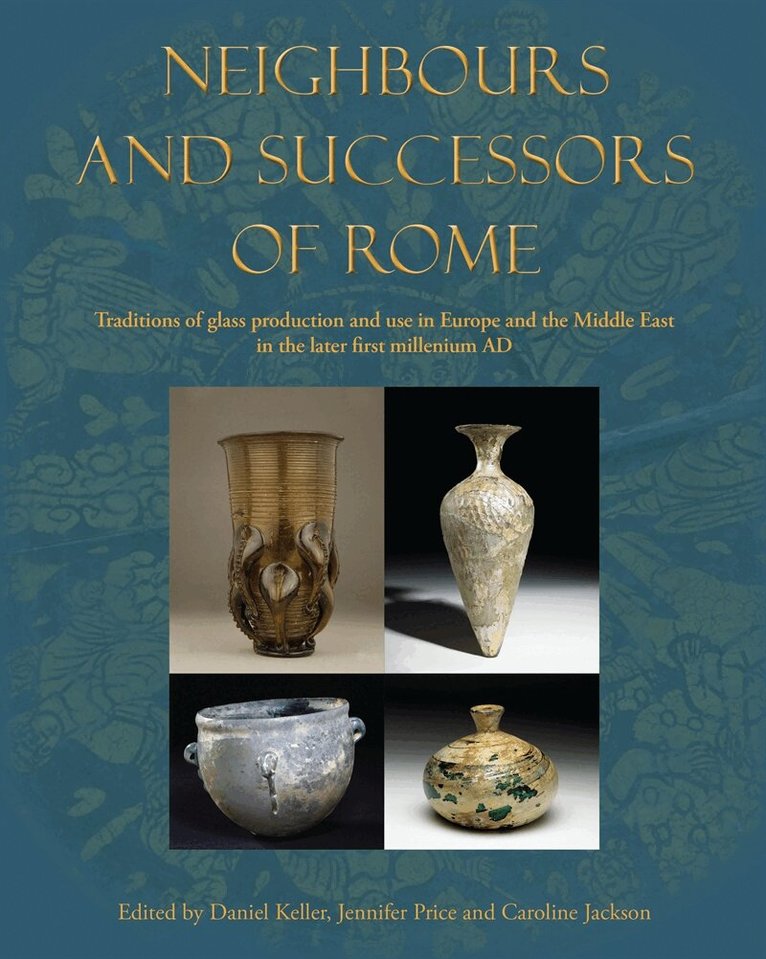
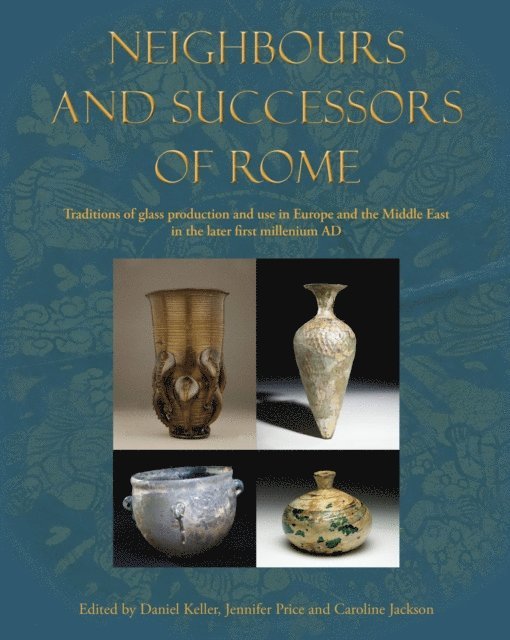
Presented through 20 case studies covering Europe and the Near East, Neighbours and Successors of Rome investigates development in the production of glass and the mechanisms of the wider glass economy as part of a wider material culture in Europe and the Near East around the later first millennium AD. Though highlighting and solidifying chronology, patterns of distribution, and typology, the primary aims of the collection are to present a new methodology that emphasises regional workshops, scientific data, and the wider trade culture.This methodology embraces a shift in conceptual approach to the study of glass by explaining typological change through the existence of a thriving supra-national commercial network that responded to market demands and combines the results of a range of new scientific techniques into a framework that stresses co-dependence and similarities between the various sites considered. Such an approach, particularly within Byzantine and Early Islamic glass production, is a pioneering concept that contextualises individual sites within the wider region.By twinning a critique of archaeometric methods with the latest archaeological research, the contributors present a foundation for glass research, seen through the lens of consumption demands and geographical necessity, that analyses production centres and traditional typological knowledge. In so doing the they bridge an important divide by demonstrating the co-habitability of diverse approaches and disciplines, linking, for example, the production of Campanulate bowls from Gallaecia with the burgeoning international late antique style. Equally, the particular details of those pieces allow us to identify a regional style as well as local production. As such this compilation provides a highly valuable resource for archaeologists, anthropologists, and art historians.
357 kr
Läs direkt efter köp
Presented through 20 case studies covering Europe and the Near East, Neighbours and Successors of Rome investigates development in the production of glass and the mechanisms of the wider glass economy as part of a wider material culture in Europe and the Near East around the later first millennium AD. Though highlighting and solidifying chronology, patterns of distribution, and typology, the primary aims of the collection are to present a new methodology that emphasises regional workshops, scientific data, and the wider trade culture.This methodology embraces a shift in conceptual approach to the study of glass by explaining typological change through the existence of a thriving supra-national commercial network that responded to market demands and combines the results of a range of new scientific techniques into a framework that stresses co-dependence and similarities between the various sites considered. Such an approach, particularly within Byzantine and Early Islamic glass production, is a pioneering concept that contextualises individual sites within the wider region.By twinning a critique of archaeometric methods with the latest archaeological research, the contributors present a foundation for glass research, seen through the lens of consumption demands and geographical necessity, that analyses production centres and traditional typological knowledge. In so doing the they bridge an important divide by demonstrating the co-habitability of diverse approaches and disciplines, linking, for example, the production of Campanulate bowls from Gallaecia with the burgeoning international late antique style. Equally, the particular details of those pieces allow us to identify a regional style as well as local production. As such this compilation provides a highly valuable resource for archaeologists, anthropologists, and art historians.
E-bok
Engelska, 2021122 kr
Läs direkt efter köp
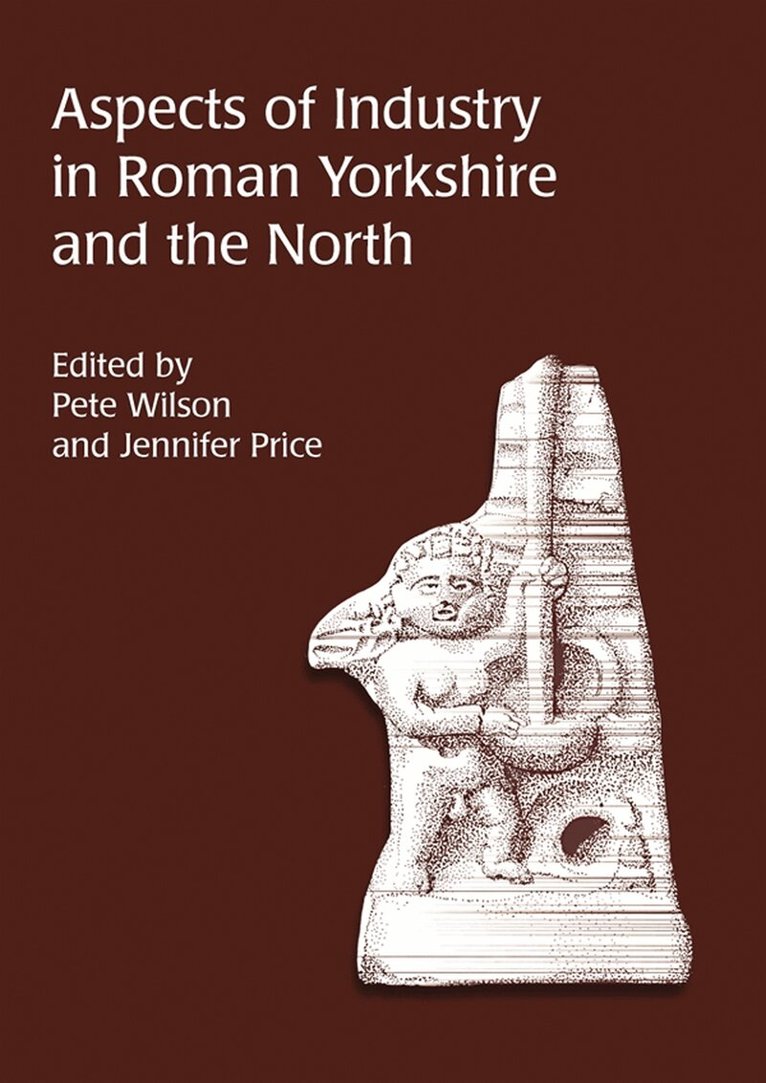
At the frontiers of the Roman Empire, military settlements had a profound influence on local crafting traditions. Legions were not just fighting units - they contained a large number of craftsmen, and the fortress would have been a centre of manufacturing activity. A timber legionary fortress, for example, required vast numbers of nails, many of which would have been made by legionary smiths on site, and an army of thousands would require many more pots, shoes and tents than could be produced by local domestic potters and leather workers. But can all developments in local craft and industry be seen as a result of the appearance of the Roman army? The ten papers in this volume focus on craft production in Roman Yorkshire, and the evidence for the role of the army in local manufacturing activities. Several papers examine broad questions surrounding the organisation and scale of production in urban and rural areas. Others consider the local evidence for individual materials and production processes, including those associated with pottery, glass, copper alloys, non-ferrous metals, leather, jet, and building stone.EPUB3: Reflowable
Häftad, Engelska, 2024
305 kr
Skickas inom 5-8 vardagar
Häftad, Engelska, 2024
361 kr
Skickas inom 5-8 vardagar