Jill Burke – författare
Visar alla böcker från författaren Jill Burke. Handla med fri frakt och snabb leverans.
12 produkter
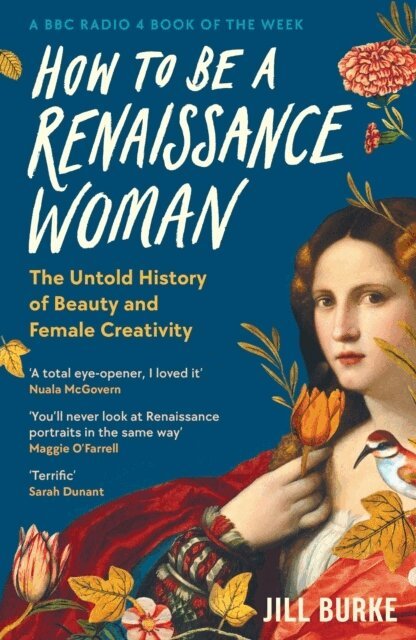
How to be a Renaissance Woman
The Untold History of Beauty and Female Creativity
Av Jill Burke
Häftad, 2024
146 kr
Lägg i varukorg
*A Waterstones Best Book of 2023**A BBC Radio 4 Book of the Week**A New York Times Editor's Pick*'Terrific' SARAH DUNANT'Lively and intriguing ... You'll never look at Renaissance portraits in the same way' MAGGIE O'FARRELL'Highlights a rich tapestry of female experience that encompasses everyone …
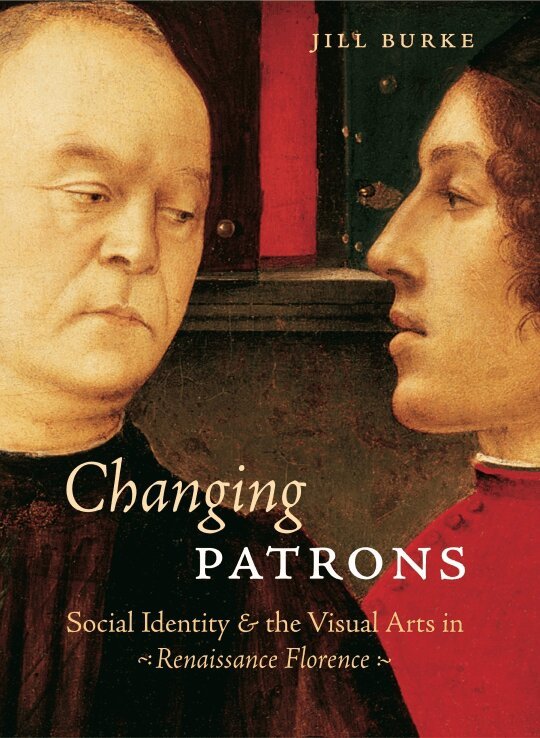
Changing Patrons
Social Identity and the Visual Arts in Renaissance Florence
Av Jill Burke
Inbunden, 2004
1233 kr
Lägg i varukorg
To whom should we ascribe the great flowering of the arts in Renaissance Italy? Artists like Botticelli and Michelangelo? Or wealthy, discerning patrons like Cosimo de' Medici? In recent years, scholars have attributed great importance to the role played by patrons, arguing that some should even be …
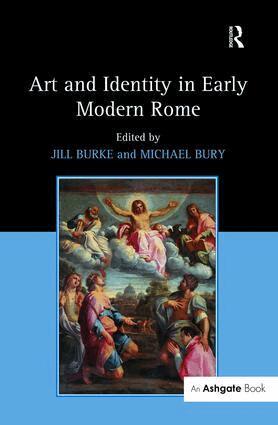
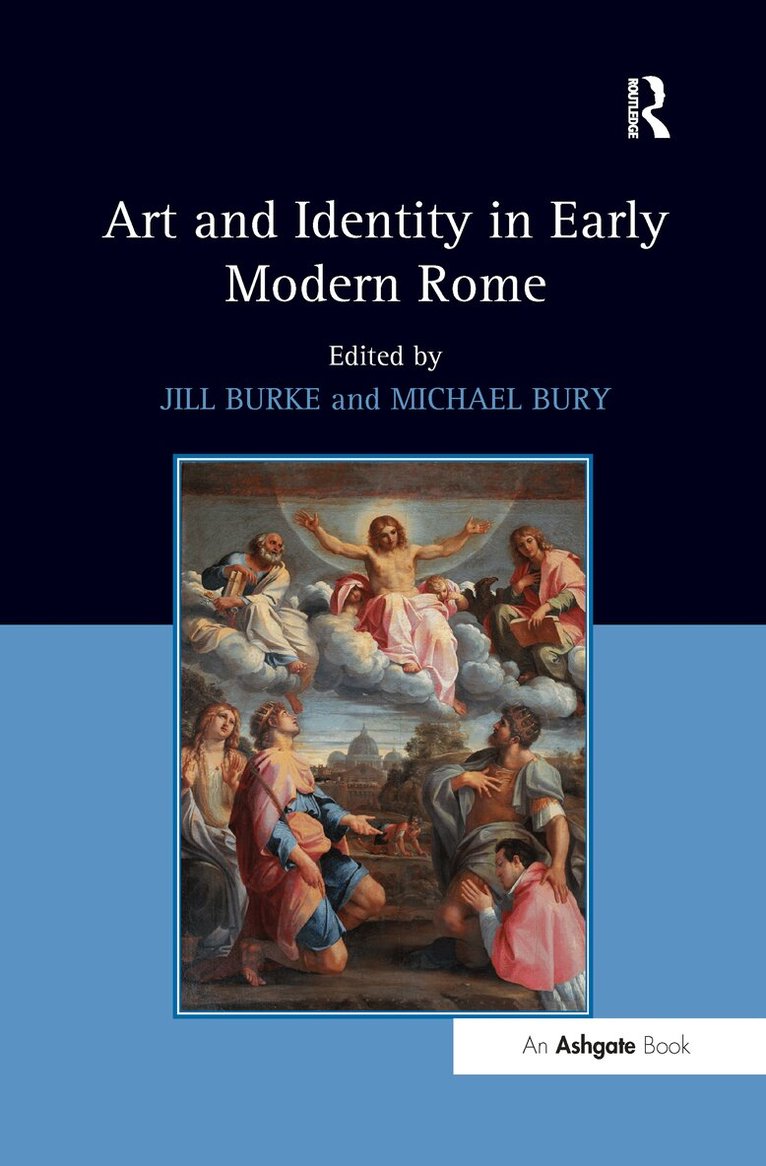
Art and Identity in Early Modern Rome
Inbunden, 2008
2586 kr
Lägg i varukorg
From the late fifteenth to the late seventeenth century, Rome was one of the most vibrant and productive centres for the visual arts in the West. Artists from all over Europe came to the city to see its classical remains and its celebrated contemporary art works, as well as for the opportunity to …
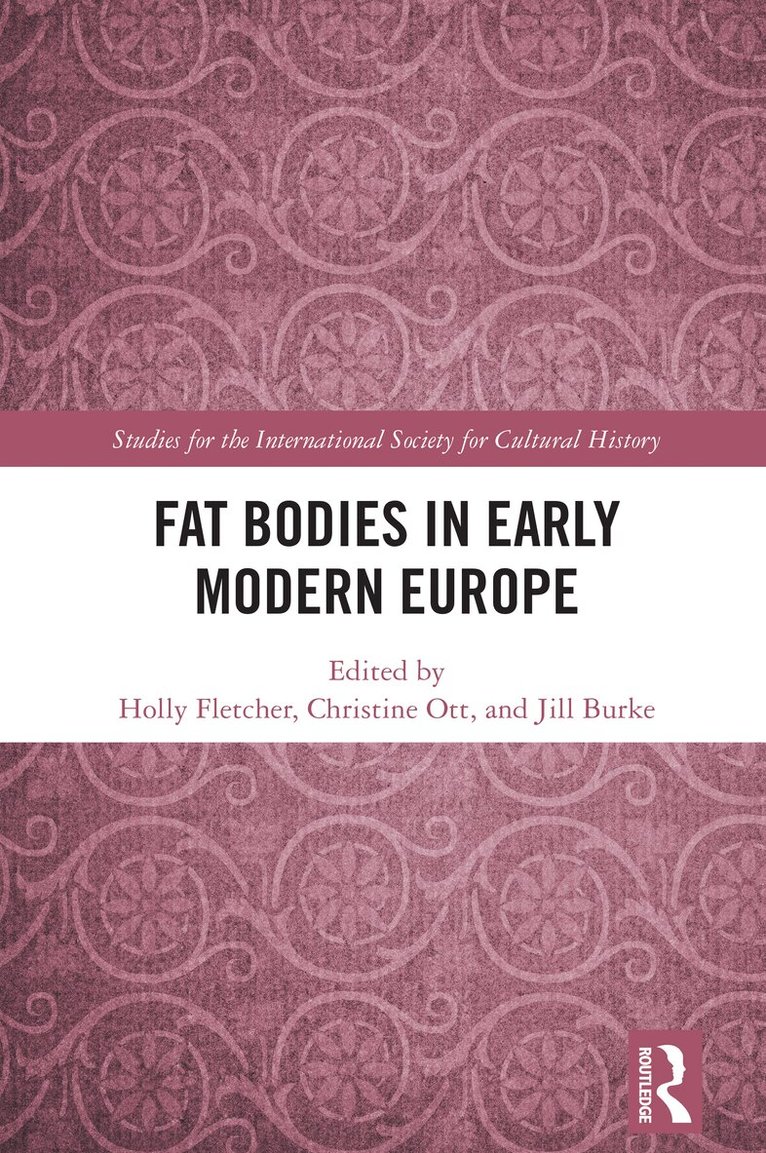
Fat Bodies in Early Modern Europe
Av Holly Fletcher, Christine Ott m. fl.
Inbunden, 2026
2888 kr
Lägg i varukorg
This book is the first to examine understandings and experiences of fatness in early modern Europe (c. 1450–1700), uncovering attitudes towards fat bodies across England, France, Germany, Italy, and Spain through interdisciplinary analysis.Readers will gain a comprehensive understanding of how …
Fat Bodies in Early Modern Europe
Av Jill Burke, Christine Ott m. fl.
E-bok, 2026
856 kr
Lägg i varukorg
This book is the first to examine understandings and experiences of fatness in early modern Europe (c. 1450-1700), uncovering attitudes towards fat bodies across England, France, Germany, Italy, and Spain through interdisciplinary analysis.Readers will gain a comprehensive understanding of how …
Fat Bodies in Early Modern Europe
Av Jill Burke, Christine Ott m. fl.
E-bok, 2026
838 kr
Lägg i varukorg
This book is the first to examine understandings and experiences of fatness in early modern Europe (c. 1450-1700), uncovering attitudes towards fat bodies across England, France, Germany, Italy, and Spain through interdisciplinary analysis.Readers will gain a comprehensive understanding of how …
Art and Identity in Early Modern Rome
Häftad, 2016
832 kr
Lägg i varukorg
From the late fifteenth to the late seventeenth century, Rome was one of the most vibrant and productive centres for the visual arts in the West. Artists from all over Europe came to the city to see its classical remains and its celebrated contemporary art works, as well as for the opportunity to …
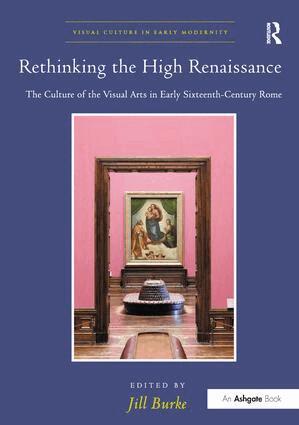
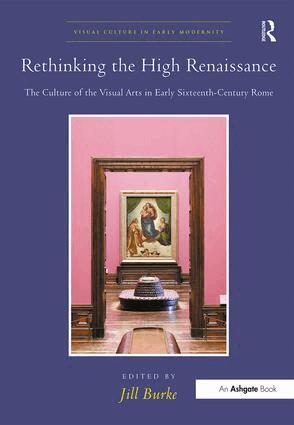
Rethinking the High Renaissance
The Culture of the Visual Arts in Early Sixteenth-Century Rome
Av Jill Burke
Häftad, 2016
952 kr
Lägg i varukorg
The perception that the early sixteenth century saw a culmination of the Renaissance classical revival - only to degrade into mannerism shortly after Raphael's death in 1520 - has been extremely tenacious; but many scholars agree that this tidy narrative is deeply problematic. Exploring how we can …
Rethinking the High Renaissance
The Culture of the Visual Arts in Early Sixteenth-Century Rome
Av Jill Burke
Inbunden, 2012
2595 kr
Lägg i varukorg
The perception that the early sixteenth century saw a culmination of the Renaissance classical revival - only to degrade into mannerism shortly after Raphael's death in 1520 - has been extremely tenacious; but many scholars agree that this tidy narrative is deeply problematic. Exploring how we can …
How to Be a Renaissance Woman: The Untold History of Beauty & Female Creativity
Av Jill Burke
Inbunden, 2024
337 kr
Lägg i varukorg
How to be a Renaissance Woman
The Untold History of Beauty and Female Creativity
Av Jill Burke
E-bok, 2023
147 kr
Lägg i varukorg
*A Waterstones Best Book of 2023**A BBC Radio 4 Book of the Week**A New York Times Editor''s Pick*''Terrific'' SARAH DUNANT''Lively and intriguing ... You''ll never look at Renaissance portraits in the same way'' MAGGIE O''FARRELL''Highlights a rich tapestry of female experience that encompasses …
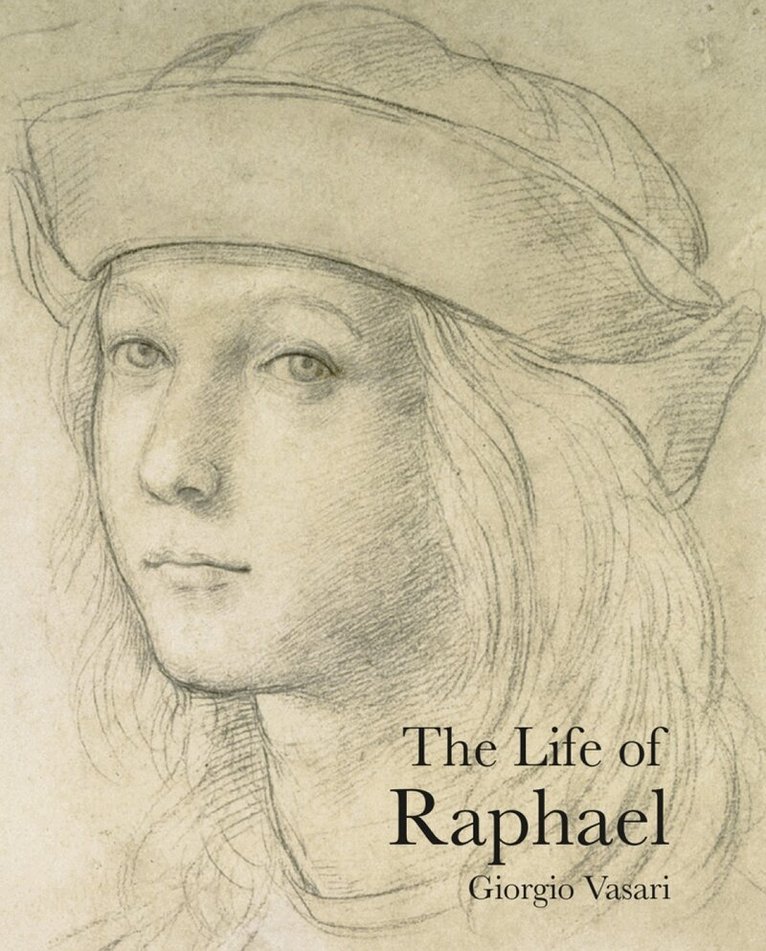
Life of Raphael
Häftad, 2018
145 kr
Tillfälligt slut
Raphael (1483-1520) was for centuries considered the greatest artist who ever lived. Much of what we know about him comes from this biography, written by the Florentine painter Giorgio Vasari and first published in 1550. Vasari's Lives of the Painters was the first attempt to write a systematic …