Jinhua Chen – författare
Visar alla böcker från författaren Jinhua Chen. Handla med fri frakt och snabb leverans.
20 produkter
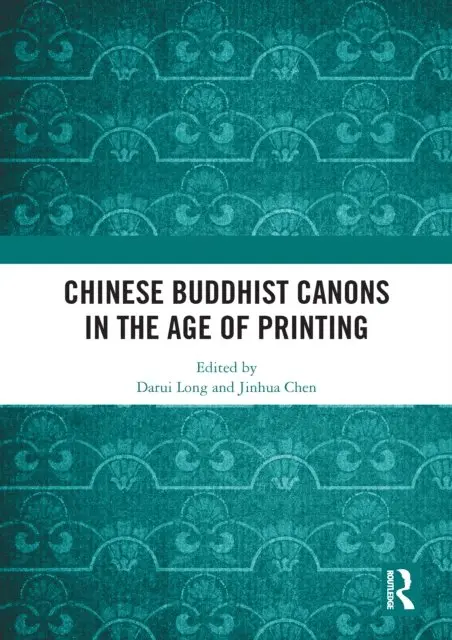
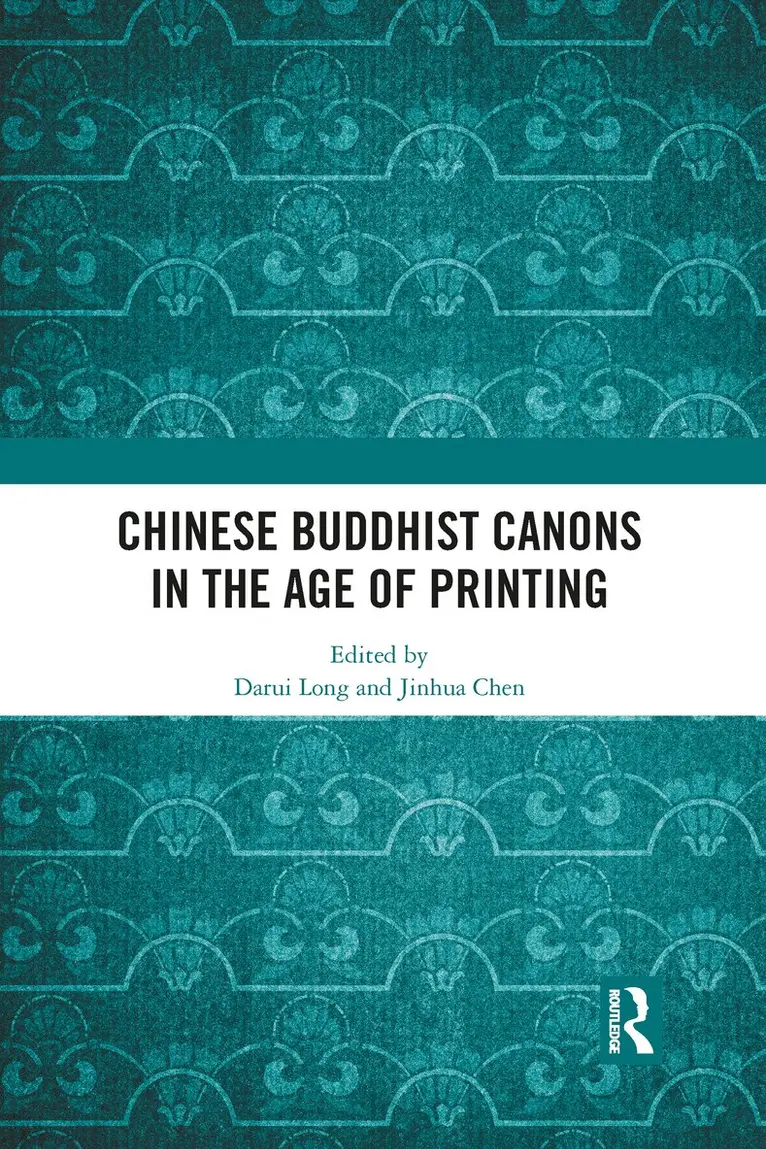
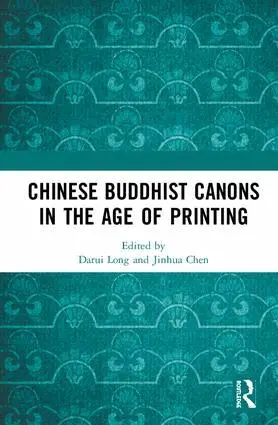
Chinese Buddhist Canons in the Age of Printing
E-bok, 2020
814 kr
Lägg i varukorg
The study of the Chinese Buddhist Canon—the basic literature of Buddhism—does not have an eminent place in study either in China or in the Western World. For the contributors to this volume, their chapters are the result of decades of dedication to academic research, and they reveal many facets of …
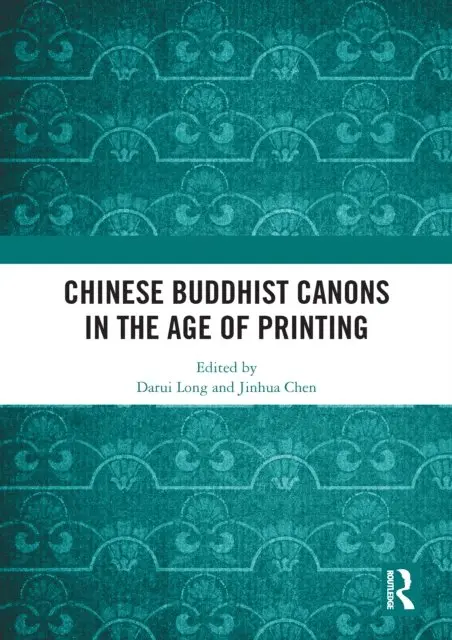
Chinese Buddhist Canons in the Age of Printing
E-bok, 2020
814 kr
Lägg i varukorg
The study of the Chinese Buddhist Canon—the basic literature of Buddhism—does not have an eminent place in study either in China or in the Western World. For the contributors to this volume, their chapters are the result of decades of dedication to academic research, and they reveal many facets of …
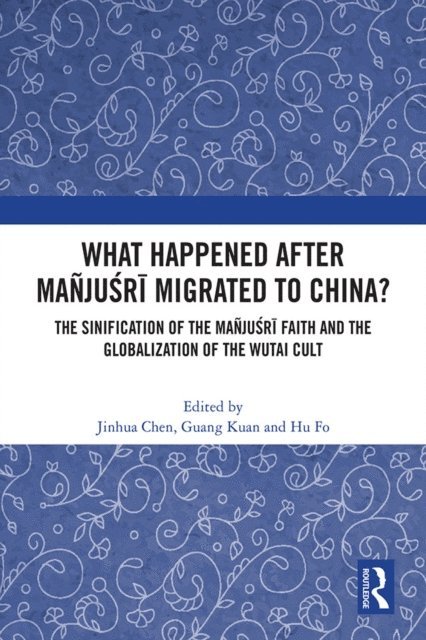
What Happened After Manjusri Migrated to China?
The Sinification of the Manjusri Faith and the Globalization of the Wutai Cult
Av Hu Fo, Guang Kuan m. fl.
E-bok, 2022
796 kr
Lägg i varukorg
The chapters in this book explore the transcultural, multi-ethnic, and cross-regional contexts and connections between the BuddhÄvataṃsaka-sÅ«tra , Mount Wutai and the veneration of MañjuÅ›rÄ« that contributed to the establishment and successive transformations of the cult centered on Mount …
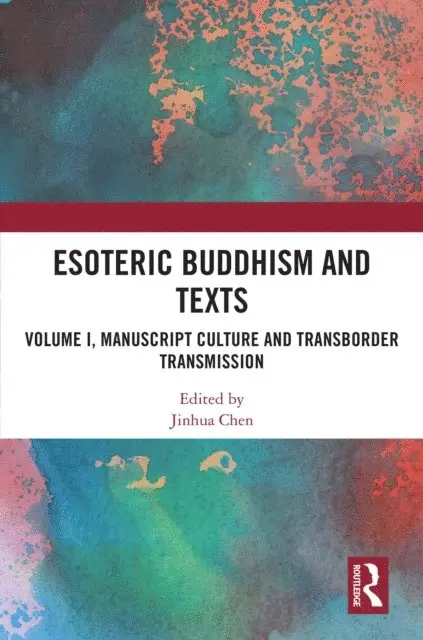
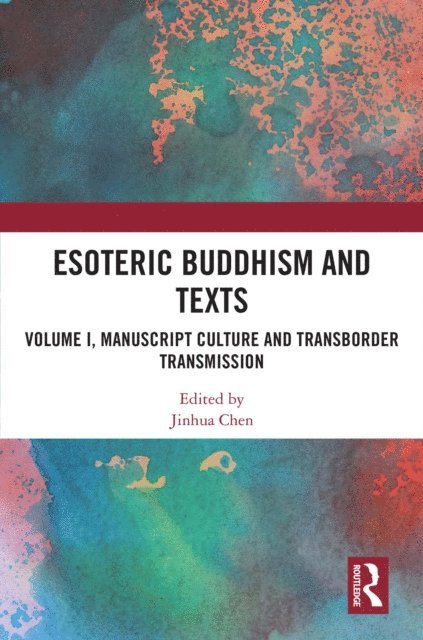
Esoteric Buddhism and Texts
Volume I, Manuscript Culture and Transborder Transmission
Av Jinhua Chen
E-bok, 2024
831 kr
Lägg i varukorg
This book explores trans-cultural and cross-border transmission and transformation of Esoteric Buddhism in East Asia, focusing on its manuscript culture and the transborder transmission of Esoteric Buddhist texts. In East Asia, Esoteric Buddhism’s influences can be seen across all levels of …
Esoteric Buddhism and Texts
Volume I, Manuscript Culture and Transborder Transmission
Av Jinhua Chen
E-bok, 2024
831 kr
Lägg i varukorg
This book explores trans-cultural and cross-border transmission and transformation of Esoteric Buddhism in East Asia, focusing on its manuscript culture and the transborder transmission of Esoteric Buddhist texts. In East Asia, Esoteric Buddhism’s influences can be seen across all levels of …
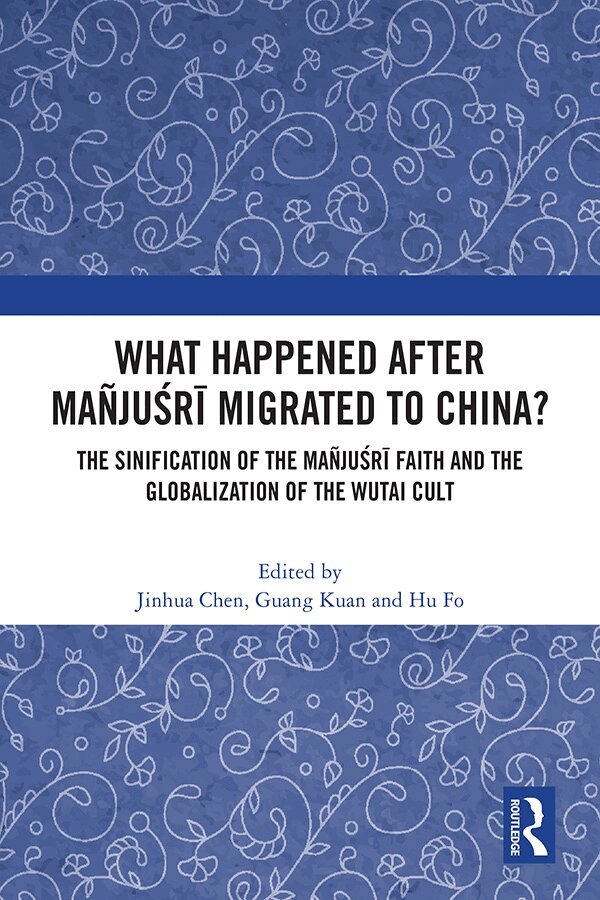
What Happened After Mañjuśrī Migrated to China?
The Sinification of the Mañjuśrī Faith and the Globalization of the Wutai Cult
Av Jinhua Chen, Guang Kuan m. fl.
Inbunden, 2022
2515 kr
Lägg i varukorg
The chapters in this book explore the transcultural, multi-ethnic, and cross-regional contexts and connections between the Buddhāvataṃsaka-sūtra, Mount Wutai and the veneration of Mañjuśrī that contributed to the establishment and successive transformations of the cult centered on Mount Wutai – and …
What Happened After Mañjuśrī Migrated to China?
The Sinification of the Mañjuśrī Faith and the Globalization of the Wutai Cult
Av Jinhua Chen, Guang Kuan m. fl.
Häftad, 2024
692 kr
Lägg i varukorg
The chapters in this book explore the transcultural, multi-ethnic, and cross-regional contexts and connections between the Buddhāvataṃsaka-sūtra, Mount Wutai and the veneration of Mañjuśrī that contributed to the establishment and successive transformations of the cult centered on Mount Wutai – and …
Chinese Buddhist Canons in the Age of Printing
Häftad, 2021
692 kr
Lägg i varukorg
The study of the Chinese Buddhist Canon—the basic literature of Buddhism—does not have an eminent place in study either in China or in the Western World. For the contributors to this volume, their chapters are the result of decades of dedication to academic research, and they reveal many facets of …
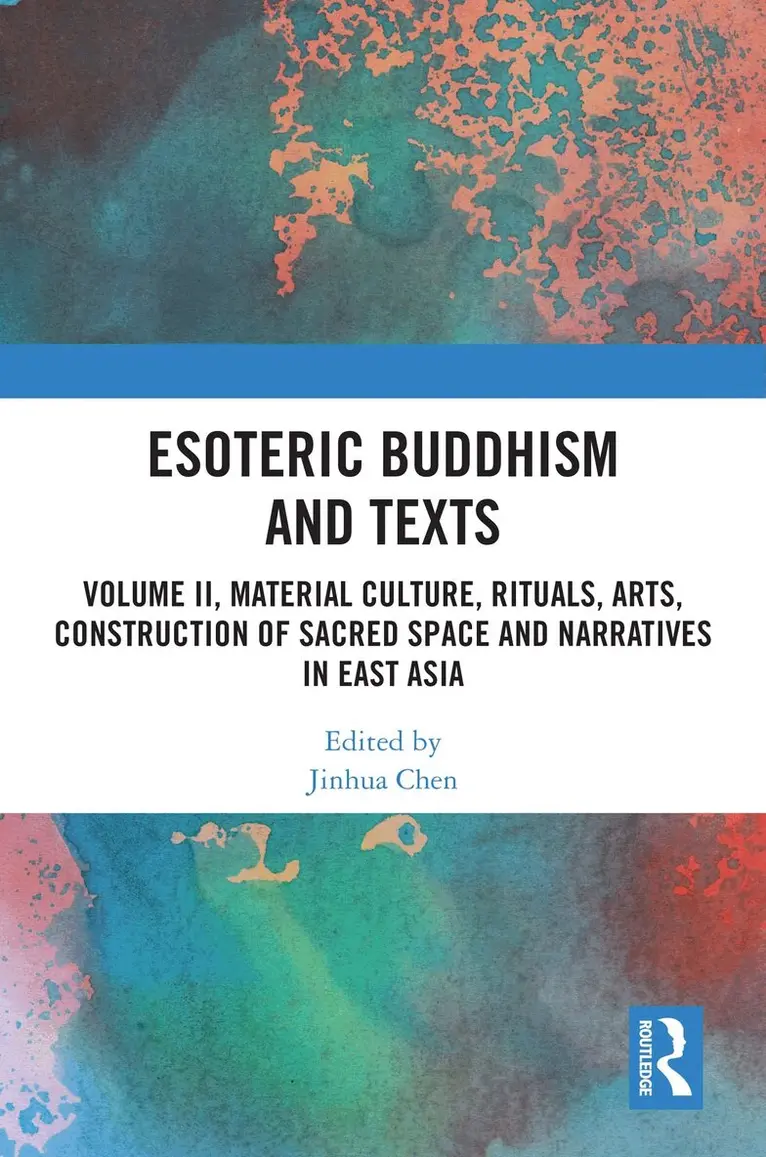
Esoteric Buddhism and Texts
Volume II, Material Culture, Rituals, Arts, Construction of Sacred Space and Narratives in East Asia
Av Jinhua Chen
Inbunden, 2024
2515 kr
Lägg i varukorg
This book explores trans-cultural and cross-border transformation of Esoteric Buddhism in East Asia, focusing on the significance of Esoteric Buddhism in relation to some forms of material culture, including rituals, arts, and the construction of sacred space and narratives.In East Asia, Esoteric …
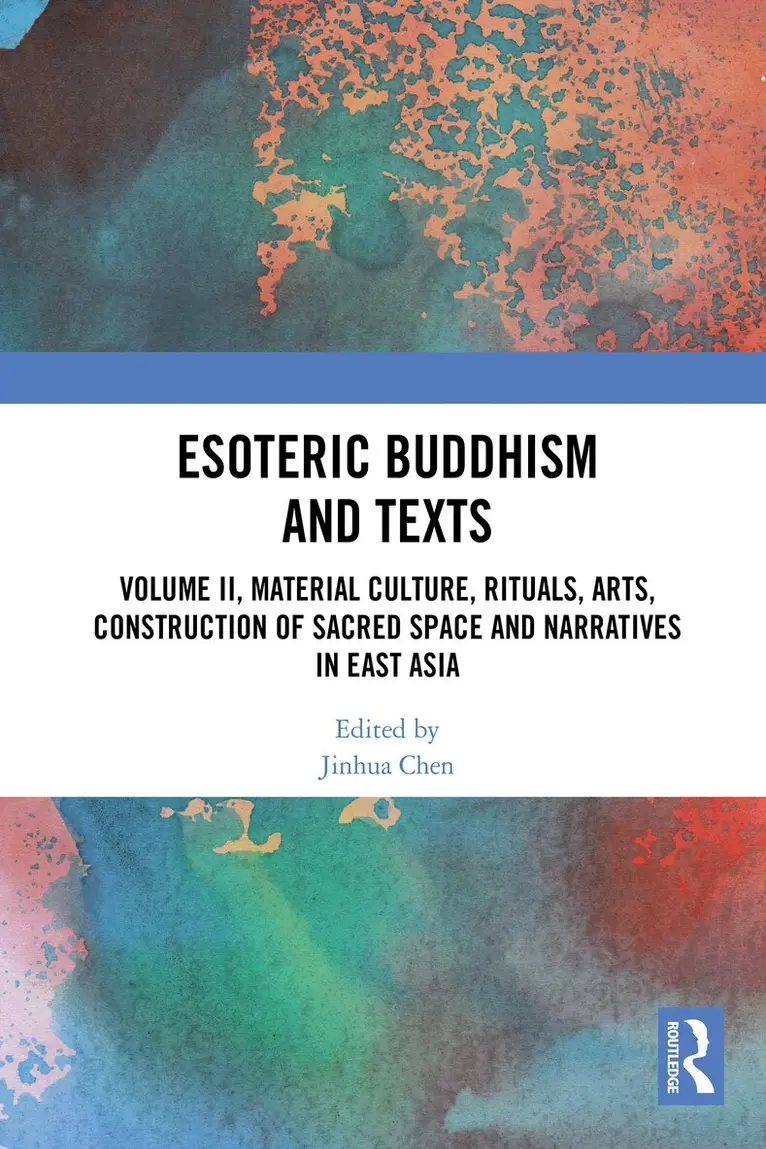
Esoteric Buddhism and Texts
Volume II, Material Culture, Rituals, Arts, Construction of Sacred Space and Narratives in East Asia
Av Jinhua Chen
Häftad, 2025
707 kr
Lägg i varukorg
This book explores trans-cultural and cross-border transformation of Esoteric Buddhism in East Asia, focusing on the significance of Esoteric Buddhism in relation to some forms of material culture, including rituals, arts, and the construction of sacred space and narratives.In East Asia, Esoteric …
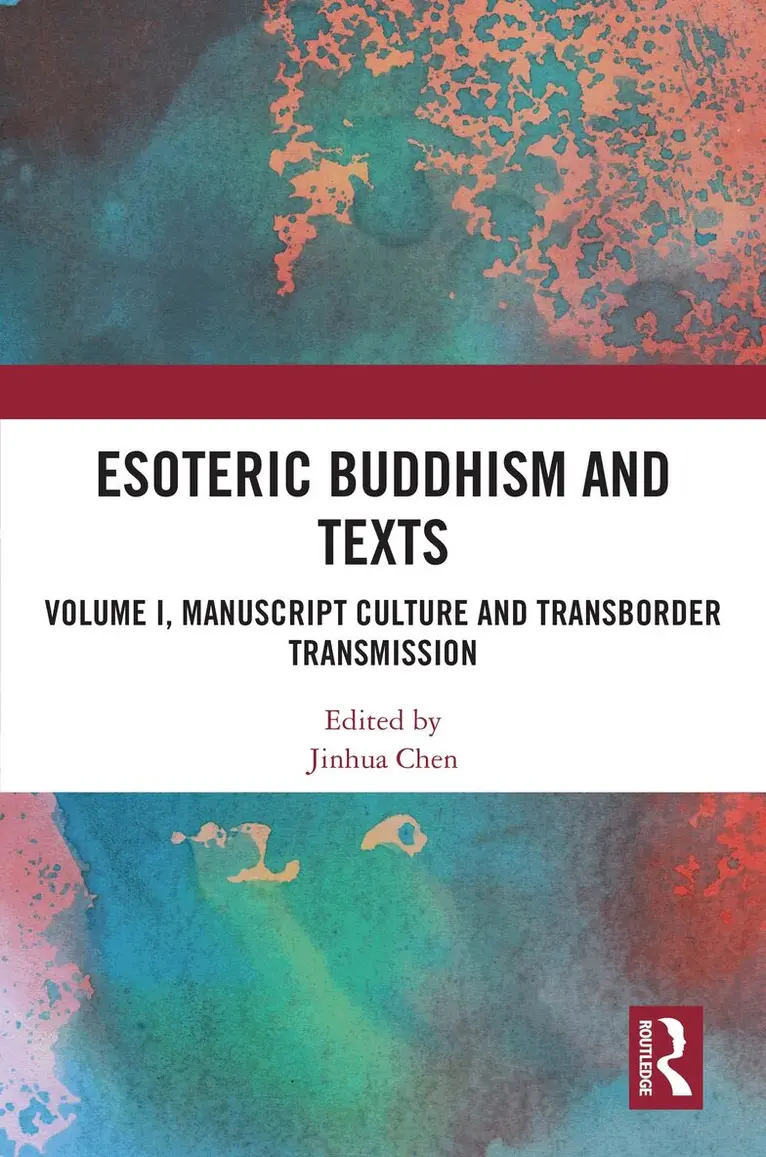
Esoteric Buddhism and Texts
Volume I, Manuscript Culture and Transborder Transmission
Av Jinhua Chen
Inbunden, 2024
2515 kr
Lägg i varukorg
This book explores trans-cultural and cross-border transmission and transformation of Esoteric Buddhism in East Asia, focusing on its manuscript culture and the transborder transmission of Esoteric Buddhist texts.In East Asia, Esoteric Buddhism’s influences can be seen across all levels of society: …
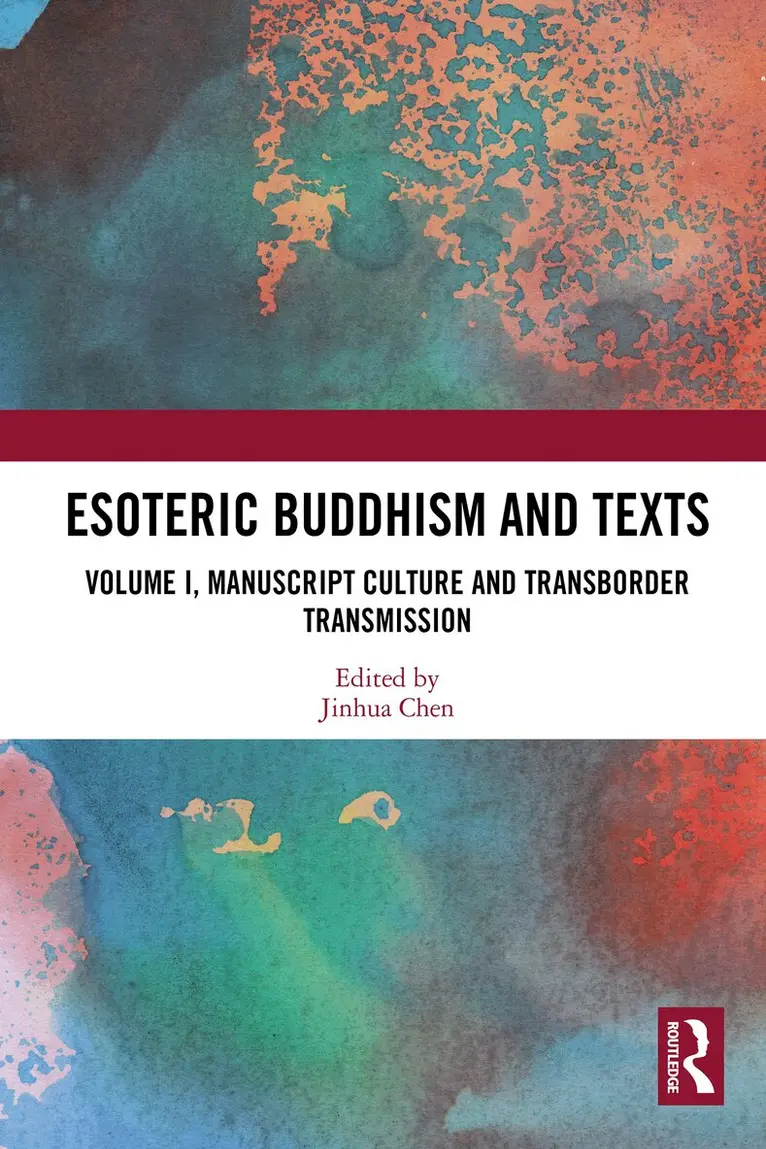
Esoteric Buddhism and Texts
Volume I, Manuscript Culture and Transborder Transmission
Av Jinhua Chen
Häftad, 2025
707 kr
Lägg i varukorg
This book explores trans-cultural and cross-border transmission and transformation of Esoteric Buddhism in East Asia, focusing on its manuscript culture and the transborder transmission of Esoteric Buddhist texts.In East Asia, Esoteric Buddhism’s influences can be seen across all levels of society: …
Chinese Buddhist Canons in the Age of Printing
Inbunden, 2019
2515 kr
Lägg i varukorg
The study of the Chinese Buddhist Canon—the basic literature of Buddhism—does not have an eminent place in study either in China or in the Western World. For the contributors to this volume, their chapters are the result of decades of dedication to academic research, and they reveal many facets of …
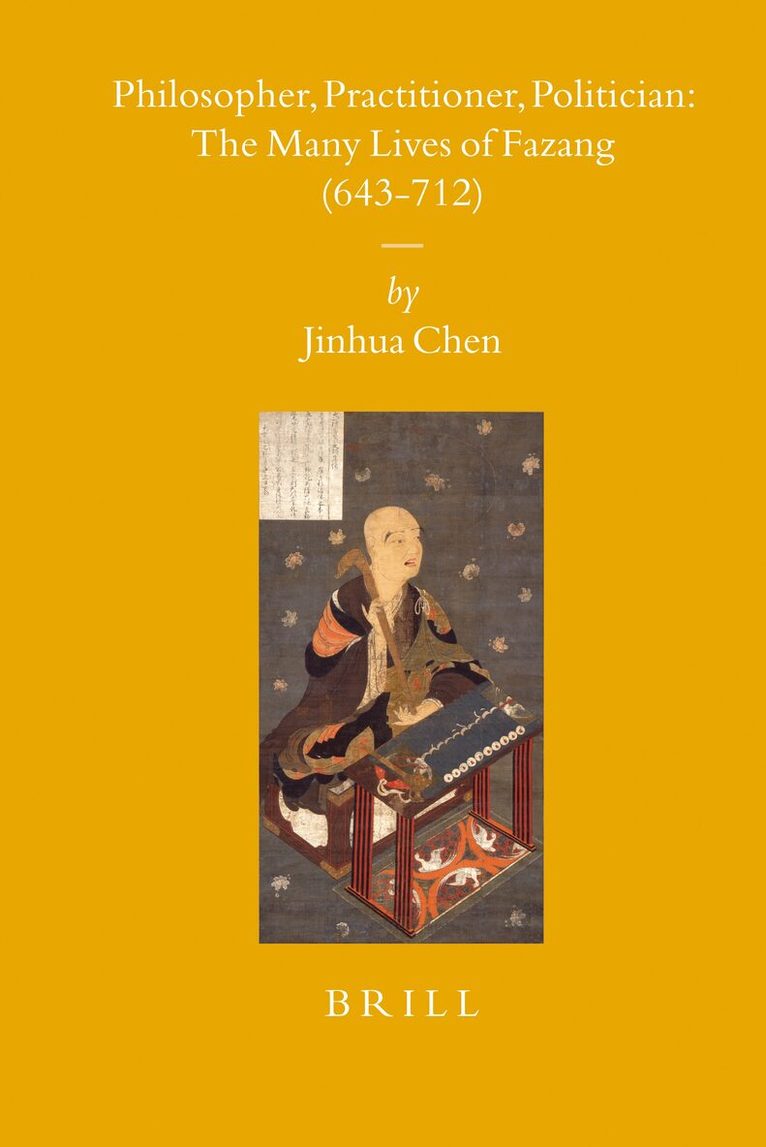
Philosopher, Practitioner, Politician: the Many Lives of Fazang (643-712)
Av Jinhua Chen
Inbunden, 2007
3688 kr
Lägg i varukorg
The Buddhist monk Fazang (643-712), regarded today mainly as a scholastic monk, was in fact one of the greatest metaphysicians in Asia. This biographical - and hagiographical - study of Fazang seeks to explore his other contributions and in so doing to correct some major mis-presentations and …
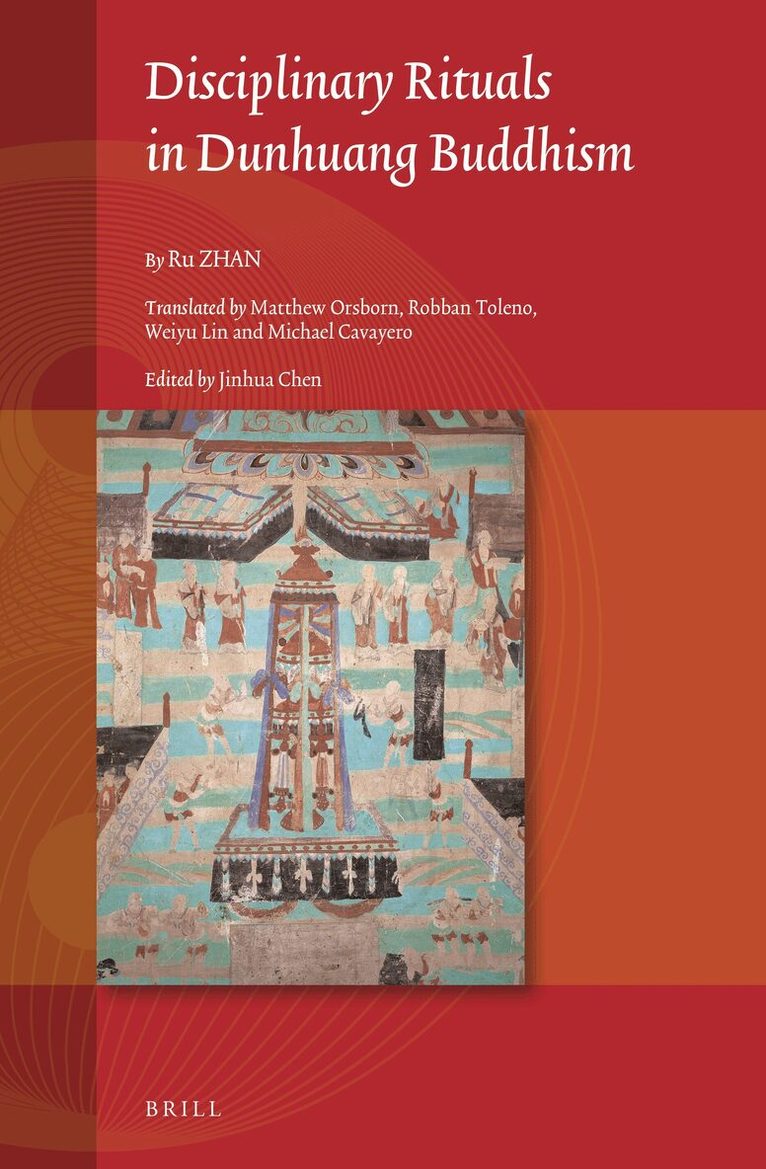
Disciplinary Rituals in Dunhuang Buddhism
Av Ru Zhan, Jinhua Chen
Inbunden, 2023
2687 kr
Lägg i varukorg
Drawing on Dunhuang manuscripts and the latest scholarship in Dunhuang and Buddhist Studies, this translation analyzes Buddhist monasticism via such topics as the organizational forms of Dunhuang Buddhist monasteries, the construction and operation of ordination platforms, ordination certificates …
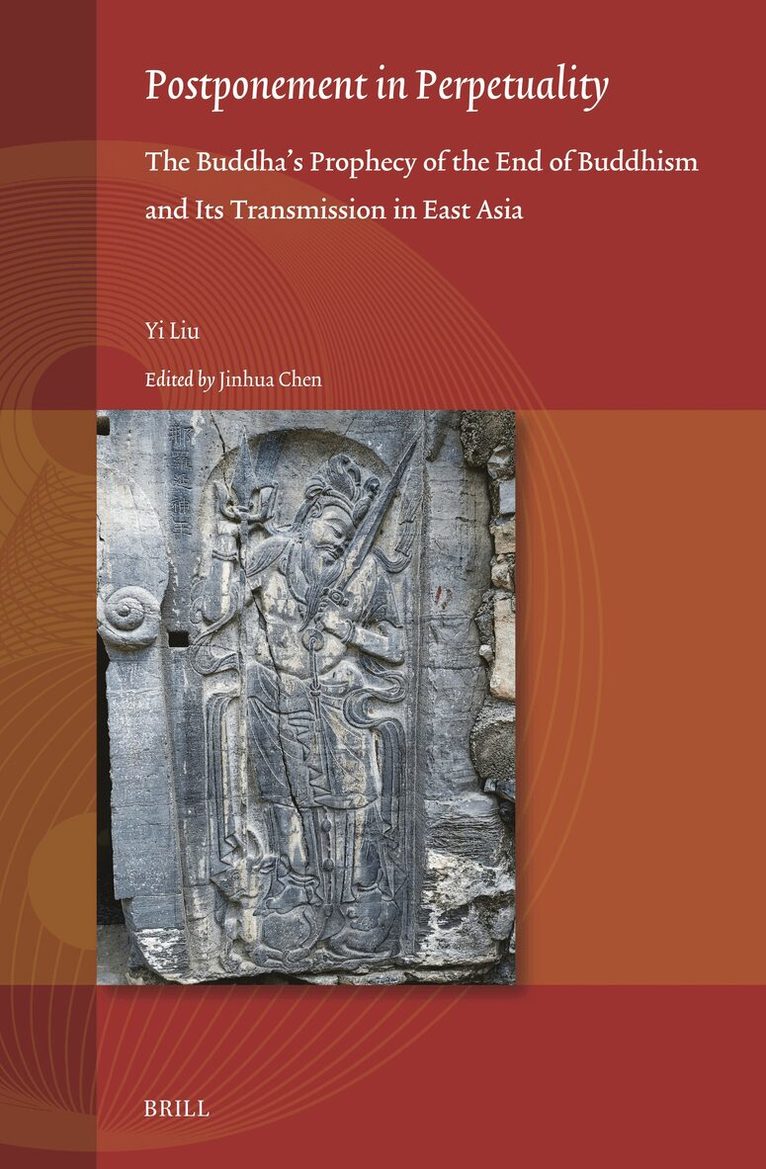
Postponement in Perpetuality: the Buddha’s Prophecy of the End of Buddhism and Its Transmission in East Asia
Av Yi Liu, Jinhua Chen
Inbunden, 2025
2094 kr
Lägg i varukorg
The Buddha prophesied that his teachings would vanish a few hundred years after his passing, creating an existential dilemma for Chinese Buddhists on the brink of Buddhism’s disappearance.This book examines the origins of this prophecy and the famie 法灭 (‘end of Buddhism’) belief in Indian and …
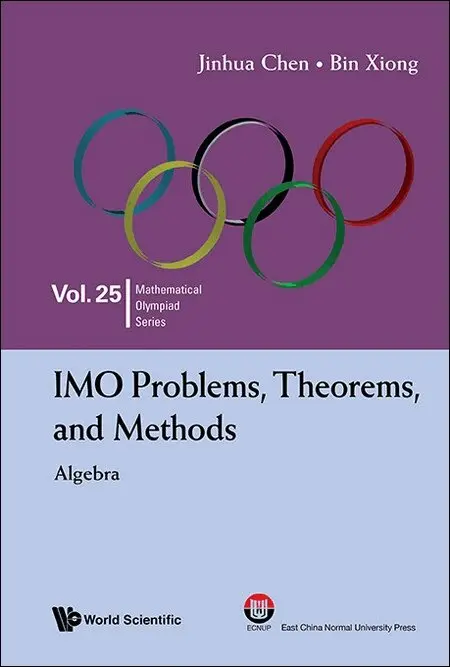
IMO PROBLEMS, THEOREMS, AND METHODS: ALGEBRA
Av Jinhua Chen, Bin Xiong
Inbunden, 2025
1286 kr
Lägg i varukorg
The problems in the International Mathematical Olympiad (IMO) are not only novel and interesting but also deeply rooted in profound mathematical context. The team at the International Mathematical Olympiad Research Center at East China Normal University has compiled and studied problems from past …
IMO PROBLEMS, THEOREMS, AND METHODS: ALGEBRA
Av Jinhua Chen, Bin Xiong
Häftad, 2025
651 kr
Lägg i varukorg
The problems in the International Mathematical Olympiad (IMO) are not only novel and interesting but also deeply rooted in profound mathematical context. The team at the International Mathematical Olympiad Research Center at East China Normal University has compiled and studied problems from past …
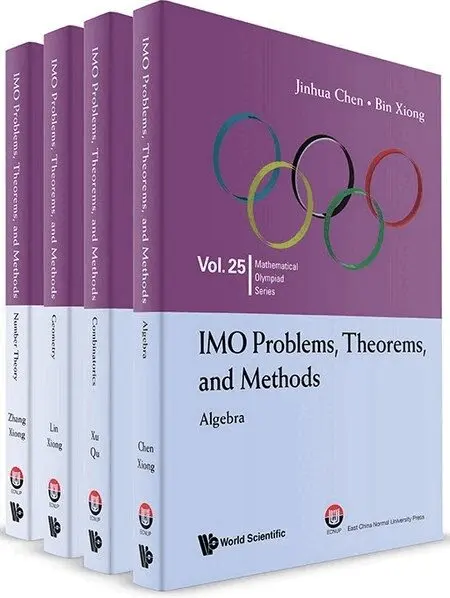
IMO PROBLEMS, THEOREMS, AND METHODS (IN 4 VOLUMES)
Av Jinhua Chen, Bin Xiong m. fl.
Häftad, 2025
2437 kr
Lägg i varukorg
The problems in the International Mathematical Olympiad (IMO) are not only novel and interesting but also deeply rooted in profound mathematical context. The team at the International Mathematical Olympiad Research Center at East China Normal University has compiled and studied problems from past …
IMO PROBLEMS, THEOREMS, AND METHODS (IN 4 VOLUMES)
Av Jinhua Chen, Bin Xiong m. fl.
Inbunden, 2025
4314 kr
Lägg i varukorg
The problems in the International Mathematical Olympiad (IMO) are not only novel and interesting but also deeply rooted in profound mathematical context. The team at the International Mathematical Olympiad Research Center at East China Normal University has compiled and studied problems from past …