Joao Caraca - Böcker
Visar alla böcker från författaren Joao Caraca. Handla med fri frakt och snabb leverans.
4 produkter
4 produkter
1 219 kr
Skickas inom 3-6 vardagar
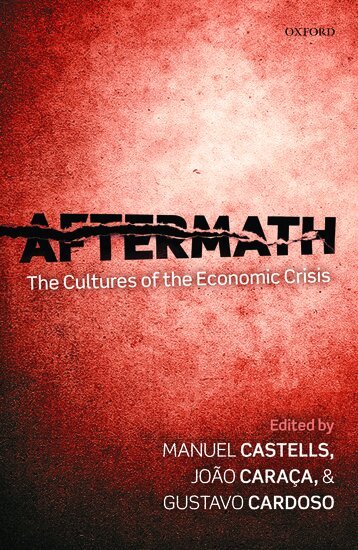
The crisis of global capitalism that has unfolded since 2008 is more than an economic crisis. It is structural and multidimensional. The sequence of events that have taken place in its aftermath show that we are entering a world that is very different from the social and economic conditions that characterized the rise of global, informational capitalism in the preceding three decades. The policies and strategies that intended to manage the crisis-with mixed results depending on the country-may usher in a distinctly different economic and institutional system, as the New Deal, the construction of the European Welfare State, and the Bretton Woods global financial architecture all gave rise to a new form of capitalism in the aftermath of the 1930s Depression, and World War II.This volume examines the cultures and institutions at the root of the crisis, as well as the conflicts and debates that lead to a new social landscape, including the rise of alternative economic cultures expressed in the social movements occupying Wall Street. The book presents the results of a shared project of reflection by an interdisciplinary group of researchers from around the world. It contends that there is no quick fix to the current financial and political system. Life beyond the crisis requires a transformation of the mindset that led to bankruptcy and despair, and to economies and societies based on an unsustainable model of speculative finance and political irresponsibility. The book explains why and explores the contours of the world emerging in the aftermath of the crisis.
425 kr
Skickas inom 5-8 vardagar
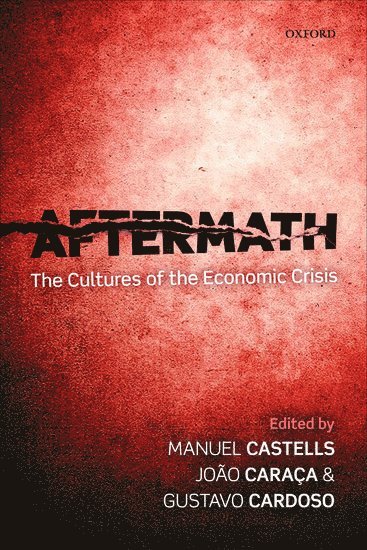
The crisis of global capitalism that has unfolded since 2008 is more than an economic crisis. It is structural and multidimensional. The sequence of events that have taken place in its aftermath show that we are entering a world that is very different from the social and economic conditions that characterized the rise of global, informational capitalism in the preceding three decades. The policies and strategies that were intended to manage the crisis--with mixed results depending on the country--may usher in a distinctly different economic and institutional system, as the New Deal, the construction of the European Welfare State, and the Bretton Woods global financial architecture all gave rise to a new form of capitalism in the aftermath of the 1930s Depression, and World War II.This volume examines the cultures and institutions at the root of the crisis, as well as the conflicts and debates that may lead to a new social landscape, including the rise of alternative economic cultures in the social movements that have sprung up around the world. This collection of essays presents the results of a shared project of reflection by a group of international sociologists and social scientists, led by Manuel Castells. They conclude that to address life beyond the crisis, we need nothing less than a complete transformation of the mind-set that led to bankruptcy and despair, and to economies and societies based on an unsustainable model of speculative finance and political irresponsibility.
802 kr
Skickas inom 7-10 vardagar
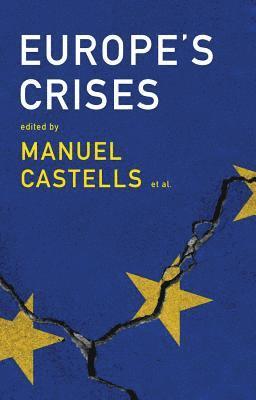
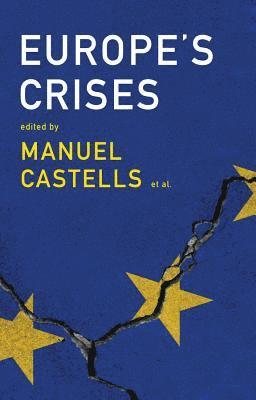
Today, the European Union is facing a crisis as serious as anything it has experienced since its origins more than half a century ago. What makes this so serious is that it is not a single crisis but rather multiple crises – the euro crisis, the migration/refugee crisis, Brexit, etc. – that overlap and reinforce one another, creating a cumulative array of challenges that threatens the very survival of the EU. For the first time in its history, there is a real risk that the EU could break up. This volume brings together sociologists, economists and political scientists from around Europe to shed light on how the EU got into this predicament. It argues that the multiple crises that have plagued the European Union in the last decade stem to a large extent from flaws in its construction and that these flaws are consequences of the political processes that led to the formation of the EU – in other words, the decisions that made possible the development of the EU created the conditions for the multiple crises it experiences today. This timely and wide-ranging book on one of the most important issues of our time will be of great interest to students and scholars in the social sciences, to politicians and policy-makers and to anyone concerned with Europe and its future.
259 kr
Skickas inom 7-10 vardagar
Today, the European Union is facing a crisis as serious as anything it has experienced since its origins more than half a century ago. What makes this so serious is that it is not a single crisis but rather multiple crises – the euro crisis, the migration/refugee crisis, Brexit, etc. – that overlap and reinforce one another, creating a cumulative array of challenges that threatens the very survival of the EU. For the first time in its history, there is a real risk that the EU could break up. This volume brings together sociologists, economists and political scientists from around Europe to shed light on how the EU got into this predicament. It argues that the multiple crises that have plagued the European Union in the last decade stem to a large extent from flaws in its construction and that these flaws are consequences of the political processes that led to the formation of the EU – in other words, the decisions that made possible the development of the EU created the conditions for the multiple crises it experiences today. This timely and wide-ranging book on one of the most important issues of our time will be of great interest to students and scholars in the social sciences, to politicians and policy-makers and to anyone concerned with Europe and its future.