Johannes Grössl – författare
Visar alla böcker från författaren Johannes Grössl. Handla med fri frakt och snabb leverans.
6 produkter
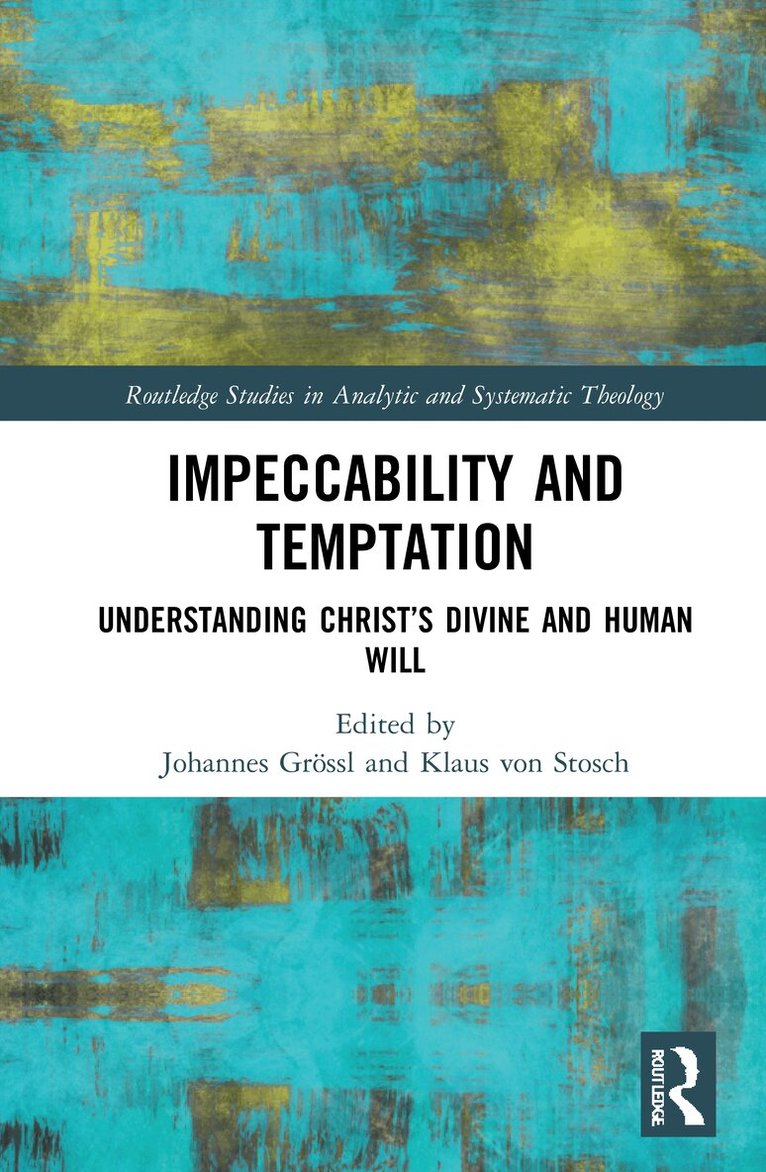
Impeccability and Temptation
Understanding Christ’s Divine and Human Will
Av Johannes Grössl, Klaus von Stosch
Inbunden, 2021
2746 kr
Lägg i varukorg
In Christian theology, the teaching that Christ possessed both a human and divine will is central to the doctrine of two natures, but it also represents a logical paradox, raising questions about how a person can be both impeccable and subject to temptation. This volume explores these questions …
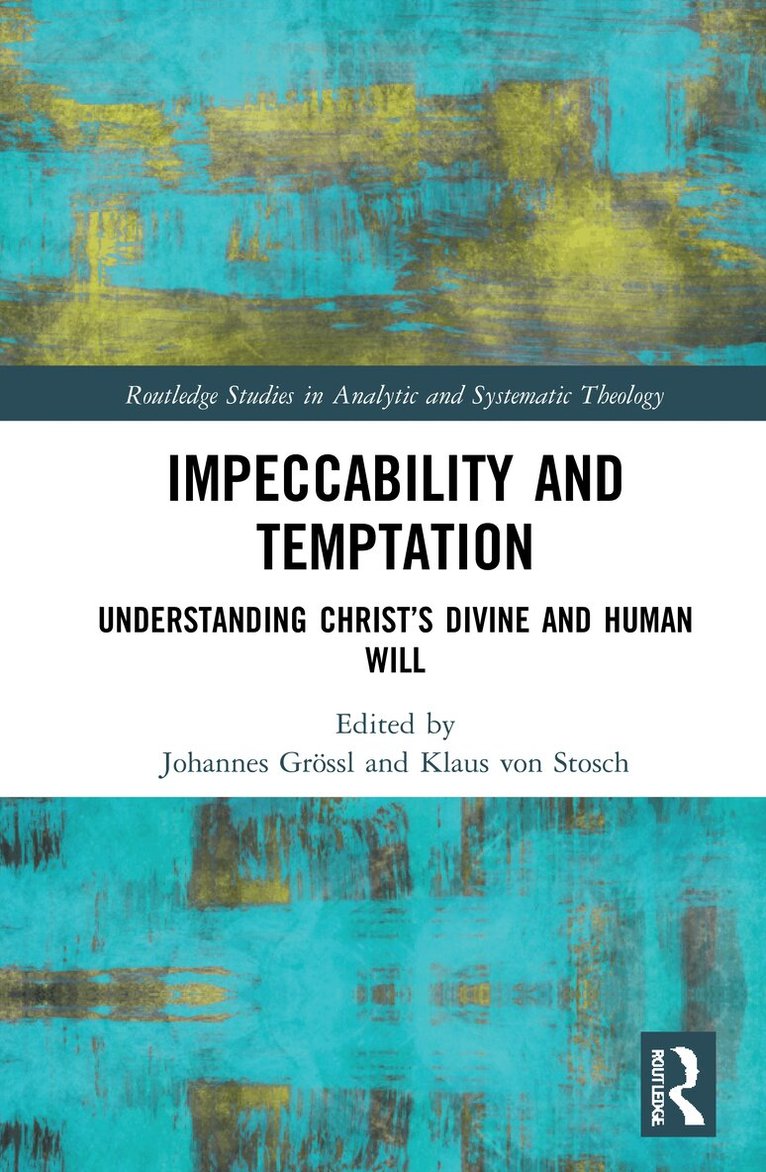
Impeccability and Temptation
Understanding Christ’s Divine and Human Will
Av Johannes Grössl, Klaus von Stosch
Häftad, 2023
648 kr
Lägg i varukorg
In Christian theology, the teaching that Christ possessed both a human and divine will is central to the doctrine of two natures, but it also represents a logical paradox, raising questions about how a person can be both impeccable and subject to temptation. This volume explores these questions …
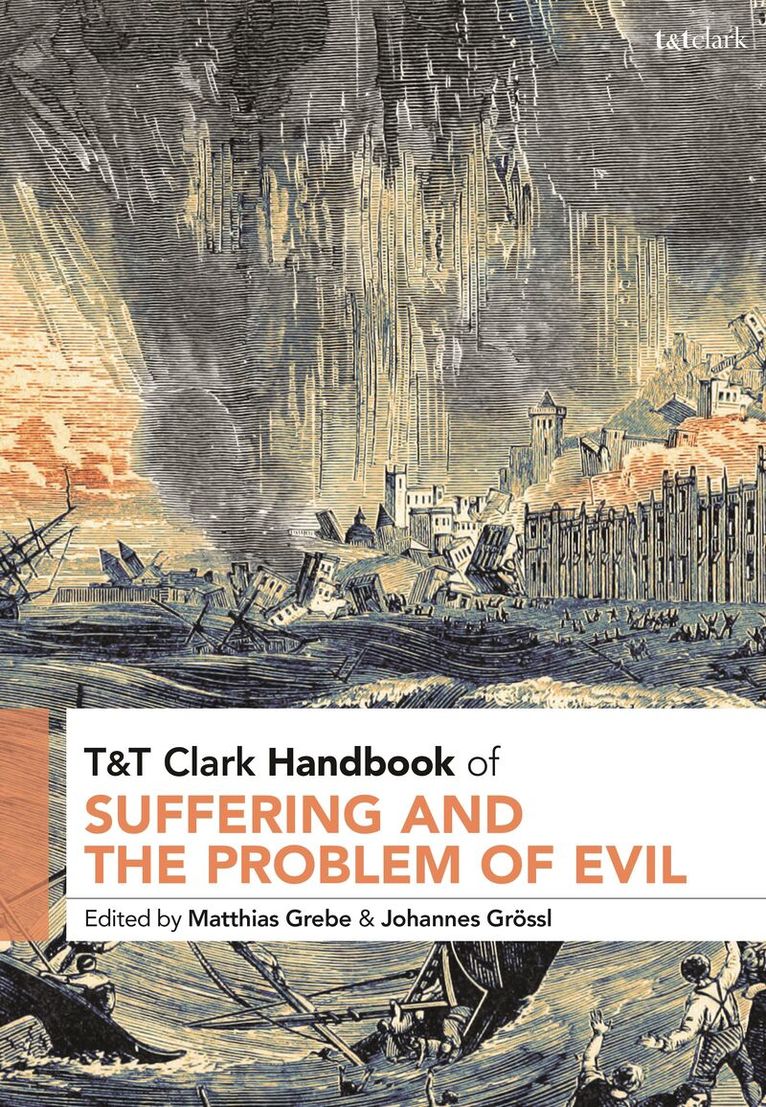
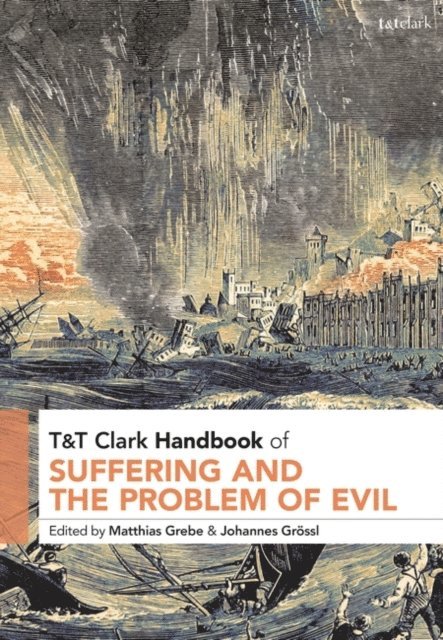
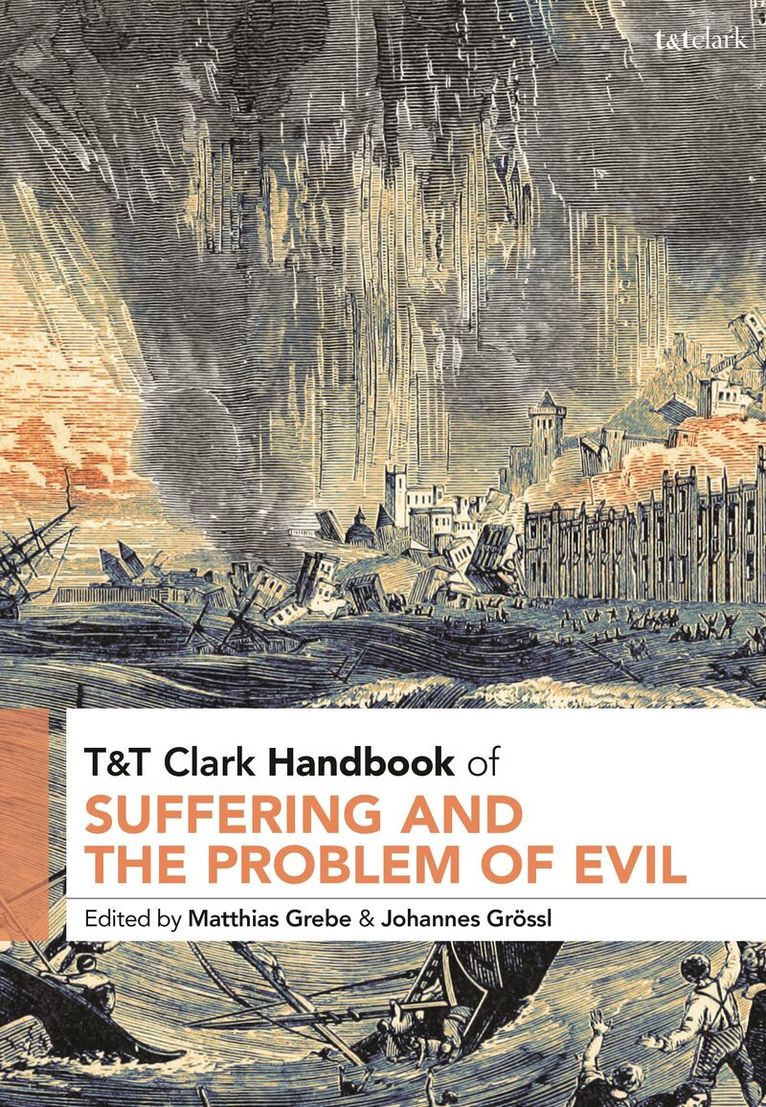
T&T Clark Handbook of Suffering and the Problem of Evil
Av Matthias Grebe, Johannes Grössl
Inbunden, 2023
2127 kr
Lägg i varukorg
This wide-ranging work provides an extensive exploration of the theology of theodicy, asking questions such as: should all instances of suffering necessarily be understood as evil? Why would an omnipotent and benevolent God allow or perpetrate evil? Is God unable or unwilling to reduce human and …
T&T Clark Handbook of Suffering and the Problem of Evil
Av Matthias Grebe, Johannes Grössl
E-bok, 2023
656 kr
Lägg i varukorg
This wide-ranging work provides an extensive exploration of the theology of theodicy, asking questions such as: should all instances of suffering necessarily be understood as evil? Why would an omnipotent and benevolent God allow or perpetrate evil? Is God unable or unwilling to reduce human and …
T&T Clark Handbook of Suffering and the Problem of Evil
Av Matthias Grebe, Johannes Grössl
E-bok, 2023
670 kr
Lägg i varukorg
This wide-ranging work provides an extensive exploration of the theology of theodicy, asking questions such as: should all instances of suffering necessarily be understood as evil? Why would an omnipotent and benevolent God allow or perpetrate evil? Is God unable or unwilling to reduce human and …
T&T Clark Handbook of Suffering and the Problem of Evil
Av Matthias Grebe, Johannes Grössl
Häftad, 2025
615 kr
Lägg i varukorg
This wide-ranging work provides an extensive exploration of the theology of theodicy, asking questions such as: should all instances of suffering necessarily be understood as evil? Why would an omnipotent and benevolent God allow or perpetrate evil? Is God unable or unwilling to reduce human and …