Klaus von Stosch – författare
Visar alla böcker från författaren Klaus von Stosch. Handla med fri frakt och snabb leverans.
22 produkter
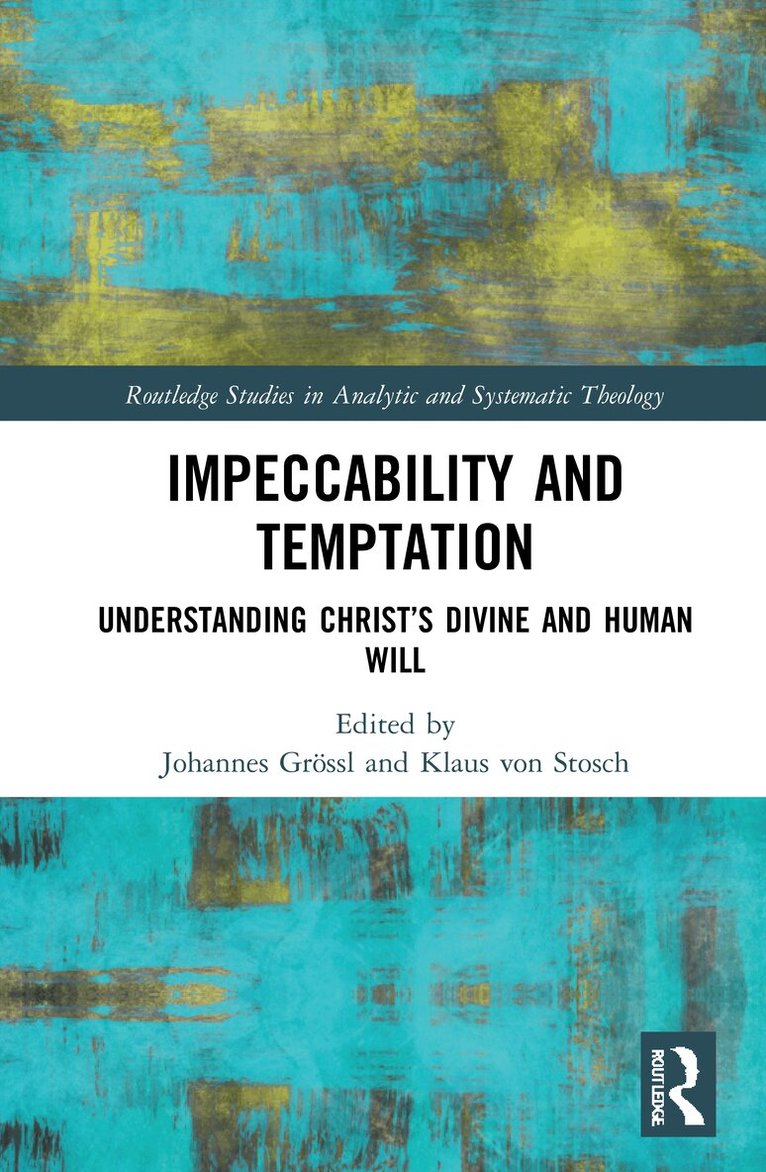
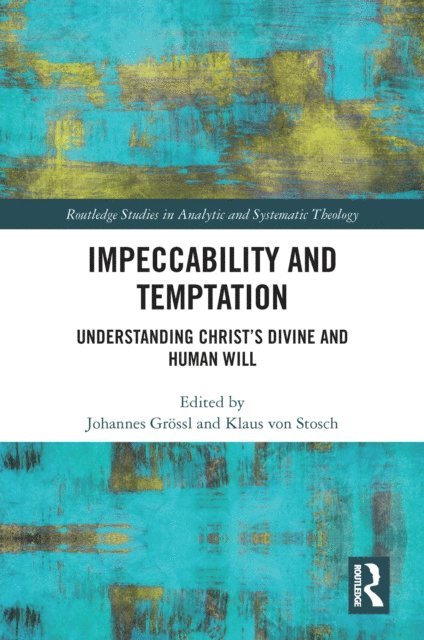
Impeccability and Temptation
Understanding Christ’s Divine and Human Will
Av Johannes Grössl, Klaus von Stosch
Inbunden, 2021
2738 kr
Lägg i varukorg
In Christian theology, the teaching that Christ possessed both a human and divine will is central to the doctrine of two natures, but it also represents a logical paradox, raising questions about how a person can be both impeccable and subject to temptation. This volume explores these questions …
Impeccability and Temptation
Understanding Christ’s Divine and Human Will
Av Johannes Grössl, Klaus von Stosch
Häftad, 2023
646 kr
Lägg i varukorg
In Christian theology, the teaching that Christ possessed both a human and divine will is central to the doctrine of two natures, but it also represents a logical paradox, raising questions about how a person can be both impeccable and subject to temptation. This volume explores these questions …
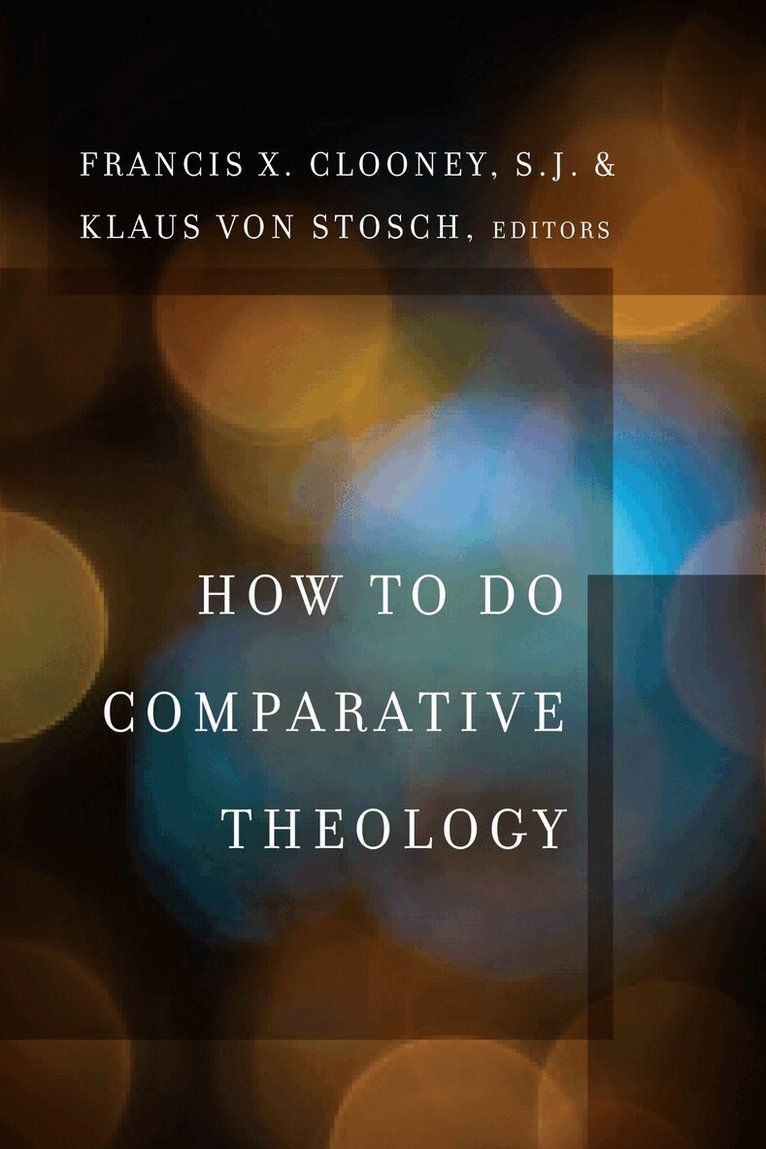
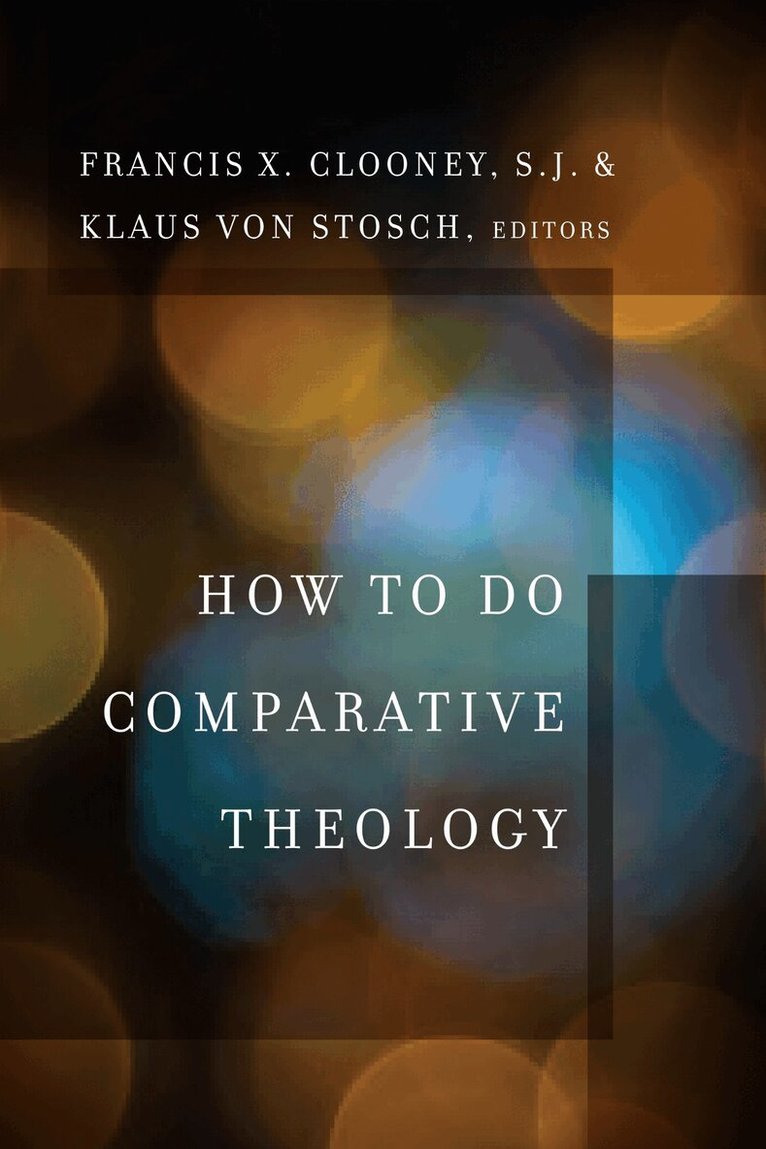
How to Do Comparative Theology
Av Francis X. Clooney, Klaus von Stosch
Häftad, 2017
526 kr
Lägg i varukorg
For a generation and more, the contribution of Christian theology to interreligious understanding has been a subject of debate. Some think of theological perspectives are of themselves inherently too narrow to support interreligious learning, and argue for an approach that is neutral or, on a more …
Impeccability and Temptation
Understanding Christ’s Divine and Human Will
Av Klaus von Stosch, Johannes Grossl
E-bok, 2021
762 kr
Lägg i varukorg
In Christian theology, the teaching that Christ possessed both a human and divine will is central to the doctrine of two natures, but it also represents a logical paradox, raising questions about how a person can be both impeccable and subject to temptation. This volume explores these questions …
Impeccability and Temptation
Understanding Christ’s Divine and Human Will
Av Klaus von Stosch, Johannes Grossl
E-bok, 2021
762 kr
Lägg i varukorg
In Christian theology, the teaching that Christ possessed both a human and divine will is central to the doctrine of two natures, but it also represents a logical paradox, raising questions about how a person can be both impeccable and subject to temptation. This volume explores these questions …
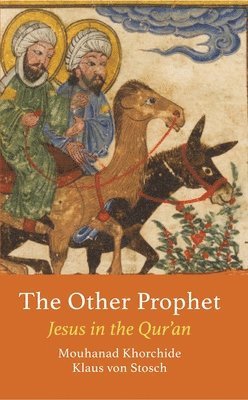
Other Prophet
Jesus in the Qur'an
Av Mouhanad Khorchide, Klaus von Stosch
Häftad, 2025
295 kr
Lägg i varukorg
The Qur'an identifies Jesus as a sign of God, and he holds a place as one of the most important prophets in Islam. Looking at Jesus in Islam also reveals both deep differences from and rich connections to the view of Jesus in Christianity. In The Other Prophet, Mouhanad Khorchide and Klaus von …
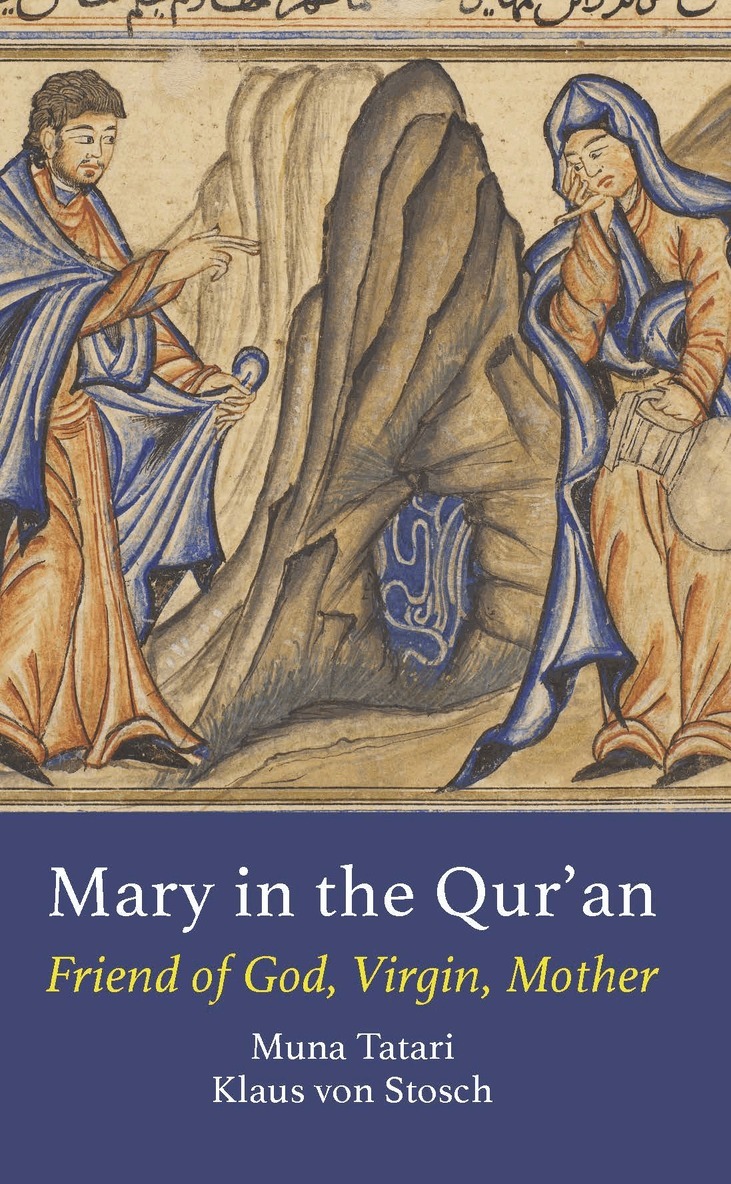
Mary in the Qur'an
Friend of God, Virgin, Mother
Av Muna Tatari, Klaus von Stosch
Häftad, 2025
295 kr
Lägg i varukorg
An entire chapter (surah) is dedicated to her, and she is the only woman mentioned by name in the Qur'an—indeed, her name appears more frequently than that of either Muhammad or Jesus. From the earliest times to the present day, Mary, the mother of Jesus, continues to be held in high regard by …
Schriftpraxis in Judentum, Christentum und Islam
Praxeologische Analysen zur Normativität Heiliger Schriften
Av Christiane Tietz, Klaus von Stosch
Häftad, 2026
1503 kr
Kommande
Die Beiträge dieses Bandes beleuchten Dimensionen von Normativität Heiliger Schriften, die sich im Umgang mit der Schrift in der Praxis der monotheistischen Schriftreligionen zeigen. Gewissermaßen aus dem Blick auf die Praxis erheben sie, wie viel von der Wertschätzung und Gestaltungskraft Heiliger …
Ambiguität, Macht und die Formierung religiöser Identitäten
Av Cornelia Dockter, Klaus Von Stosch
Häftad, 2024
624 kr
Lägg i varukorg
Describing God?: Christian and Muslim Approaches to the Divine Attributes in Dialogue
Av Klaus von Stosch, Lukas Wiesenhütter
Inbunden, 2025
1542 kr
Lägg i varukorg
Theology of Prophecy in Dialogue: A Jewish-Christian-Muslim Encounter
Av Zishan Ghaffar, Klaus Von Stosch
Inbunden, 2025
1575 kr
Lägg i varukorg
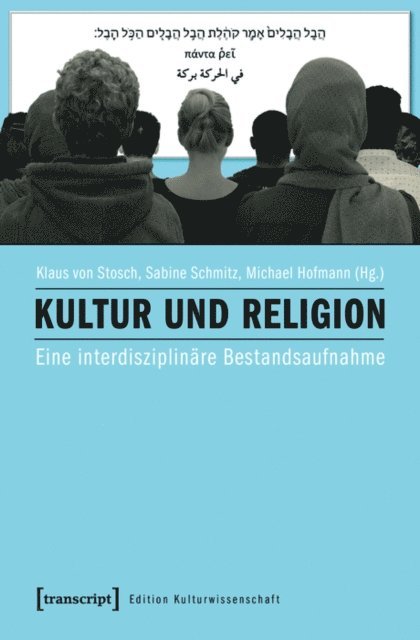
Kultur und Religion
Eine interdisziplinäre Bestandsaufnahme
Av Michael Hofmann, Sabine Schmitz m. fl.
E-bok
357 kr
Lägg i varukorg
Kultur und Religion stehen seit jeher in einem engen Wechselverhältnis: Religion ist vielen Kulturen als wichtiges Symbol- und Wertesystem inhärent und fungiert als bedeutsamer Bestandteil kultureller Identitäten. Eine kulturwissenschaftliche Analyse, die für Religion blind ist, würde also etwas …
How to Do Comparative Theology
Av Francis X. Clooney, Klaus von Stosch
Inbunden, 2017
1689 kr
Tillfälligt slut
For a generation and more, the contribution of Christian theology to interreligious understanding has been a subject of debate. Some think of theological perspectives are of themselves inherently too narrow to support interreligious learning, and argue for an approach that is neutral or, on a more …
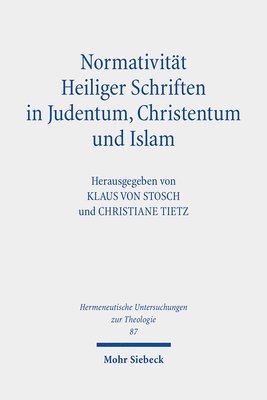
Normativität Heiliger Schriften in Judentum, Christentum und Islam
Av Christiane Tietz, Klaus von Stosch
Häftad, 2022
1366 kr
Tillfälligt slut
In Judentum, Christentum und Islam ist die Orientierung an "Heiligen Texten" zentral. War früher unstrittig, dass diese Texte aufgrund einer "Offenbarung" als direkt von Gott gegeben und als "Wort Gottes" verstanden werden können, ist seit der Aufklärung und historisch-kritischer Methoden die …