Muna Tatari – författare
Visar alla böcker från författaren Muna Tatari. Handla med fri frakt och snabb leverans.
7 produkter
7 produkter
Inbunden, Engelska, 2018
1 412 kr
Skickas inom 10-15 vardagar
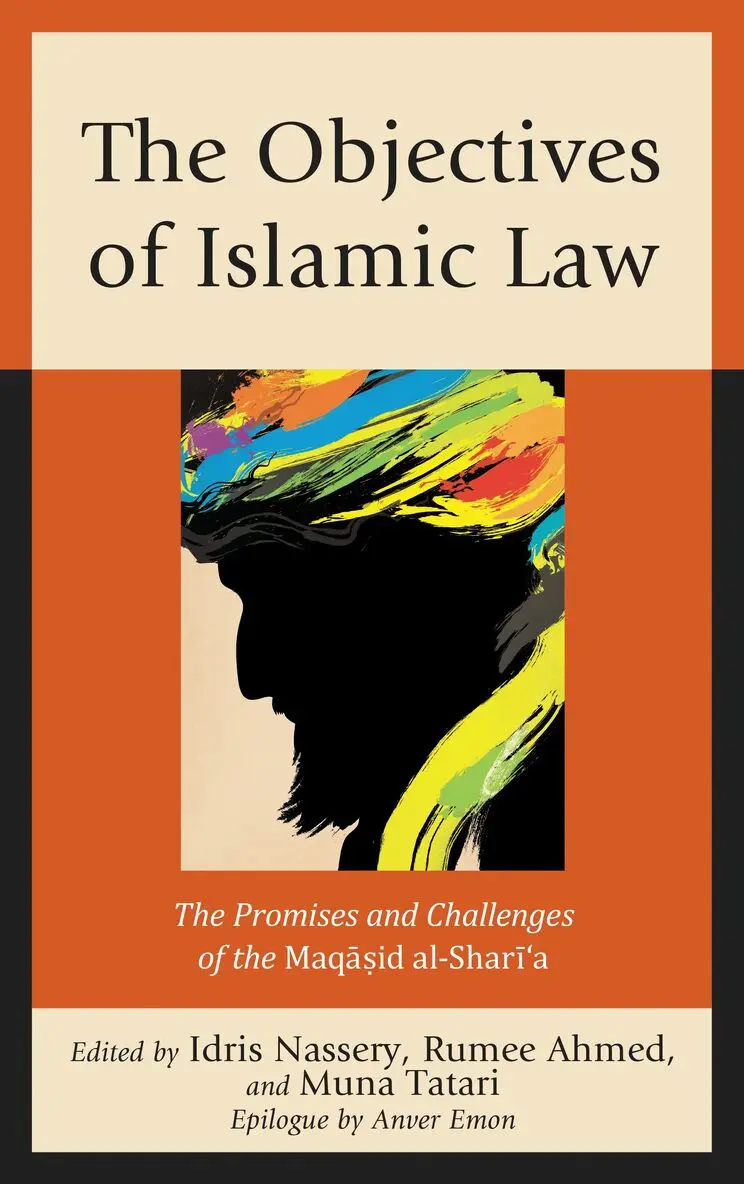
Scholars, thinkers, and activists around the world are paying increasing attention to a legal reform method that promises to revolutionize the way people think about Islamic law. Known as “The Objectives of the Shari‘a” (maqa?id al-shari‘a), the theory offers a way to derive and apply new Islamic laws using an ancient methodology. The theory identifies core objectives that underlie Islamic law, and then looks at inherited Islamic laws to see whether they meet those objectives. According to the maqa?id theory, historical Islamic laws that meet their objectives should be retained, and those that do not—no matter how entrenched in practice or embedded in texts—should be discarded or reformed.Recently, several scholars have questioned the maqa?id theory, arguing that it is designed not to reform laws, but to support existing power structures. They warn that adopting the maqa?id wholesale would set the reform project back, ensuring that inherited Islamic laws are never fully reformed to agree with contemporary values like gender-egalitarianism and universal human rights.The Objectives of Islamic Law: The Promises and Challenges of the Maqa?id al-Shari‘acaptures the ongoing debate between proponents and skeptics of the maqa?id theory. It raises some of the most important issues in Islamic legal debates today, and lays out visions for the future of Islamic law.
Häftad, Engelska, 2020
590 kr
Skickas inom 10-15 vardagar
Scholars, thinkers, and activists around the world are paying increasing attention to a legal reform method that promises to revolutionize the way people think about Islamic law. Known as “The Objectives of the Shari‘a” (maqa?id al-shari‘a), the theory offers a way to derive and apply new Islamic laws using an ancient methodology. The theory identifies core objectives that underlie Islamic law, and then looks at inherited Islamic laws to see whether they meet those objectives. According to the maqa?id theory, historical Islamic laws that meet their objectives should be retained, and those that do not—no matter how entrenched in practice or embedded in texts—should be discarded or reformed.Recently, several scholars have questioned the maqa?id theory, arguing that it is designed not to reform laws, but to support existing power structures. They warn that adopting the maqa?id wholesale would set the reform project back, ensuring that inherited Islamic laws are never fully reformed to agree with contemporary values like gender-egalitarianism and universal human rights.The Objectives of Islamic Law: The Promises and Challenges of the Maqa?id al-Shari‘acaptures the ongoing debate between proponents and skeptics of the maqa?id theory. It raises some of the most important issues in Islamic legal debates today, and lays out visions for the future of Islamic law.
Häftad, Engelska, 2025
287 kr
Skickas inom 5-8 vardagar
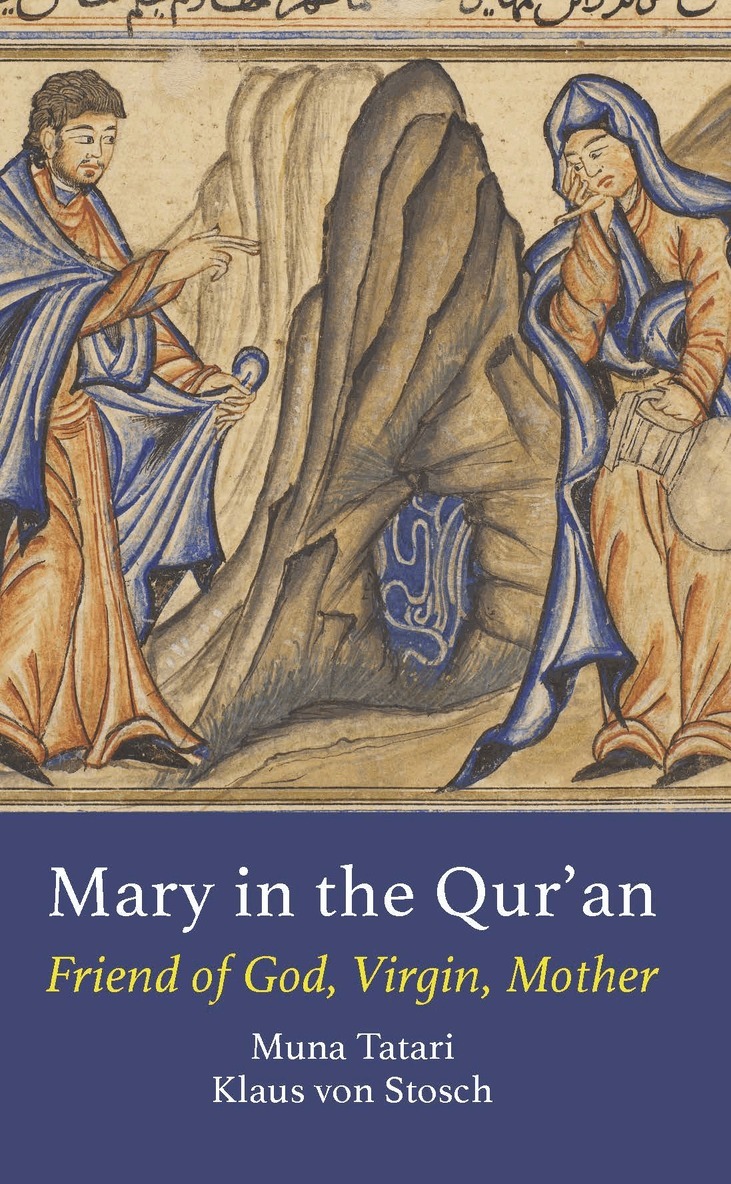
An entire chapter (surah) is dedicated to her, and she is the only woman mentioned by name in the Qur'an—indeed, her name appears more frequently than that of either Muhammad or Jesus. From the earliest times to the present day, Mary, the mother of Jesus, continues to be held in high regard by Christians and Muslims alike, yet she has also been the cause of much tension between these two religions.In this groundbreaking study, Muna Tatari and Klaus von Stosch painstakingly reconstruct the picture of Mary that is presented in the Qur'an and show how veneration of the Blessed Virgin Mary in the Roman Catholic Church intersects and interacts with the testimony of the Qur'an. This sensitive and scholarly treatise offers a significant contribution to contemporary interfaith dialogue.
Inbunden, Tyska, 2021
394 kr
Skickas inom 3-6 vardagar
E-bok
PDF, Tyska, 2016173 kr
Läs direkt efter köp
Armut ist eine der größten Herausforderungen der Gegenwart. Sie ist oft Folge wie Ursache sozialer Ausgrenzung und Marginalisierung und hat weitreichende Auswirkungen auf den gesellschaftlichen Zusammenhalt und auf das Selbstwertgefühl von Menschen. Damit sind Grundfragen von Menschenbild und Gesellschaft verbunden, welche die christliche und islamische Theologie zu allen Zeiten herausgefordert haben. In beiden Religionen finden sich unterschiedliche theologische Deutungen und teilweise auch Idealisierungen von Armut sowie Motive und Kriterien für eine gerechtere Gesellschaft. Christliche und islamische Wissenschaftler entwickeln in einem interreligiösen und interdisziplinären Rahmen Analysen aktueller gesellschaftlicher Problemlagen, formulieren theologische und ethische Deutungen und bringen kritische und konstruktive Impulse in den Kontext säkularer Gesellschaften ein.
E-bok
PDF, Tyska, 2017173 kr
Läs direkt efter köp
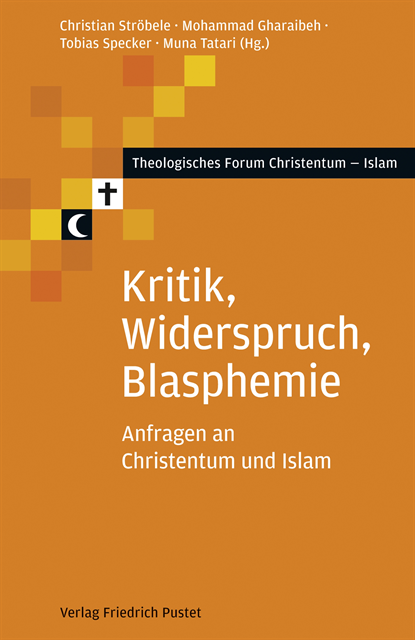
Religion ist (wieder) ein gesellschaftlich umstrittenes Thema. Dabei stehen nicht nur einzelne Formen religiöser Praxis im Fokus, sondern auch grundlegende Glaubensüberzeugungen. Ist der Glaube schädlich für das gesellschaftliche Zusammenleben? Sind Offenbarungsansprüche nicht sämtlich irrational? Die Kritik kommt dabei aus außerreligiöser Perspektive (soziologisch, naturwissenschaftlich, psychologisch, philosophisch), tritt aber auch interreligiös auf als wechselseitige Kritik verschiedener Religionen aneinander.Wie gehen Religionen mit dieser Kritik um? Wie kritikfähig sind sie? Welches Veränderungspotenzial wird durch die Kritik in den Religionen mobilisiert? Oder reagieren sie mit Abschottung und Gegenwehr?
E-bok
PDF, Tyska, 2019260 kr
Läs direkt efter köp
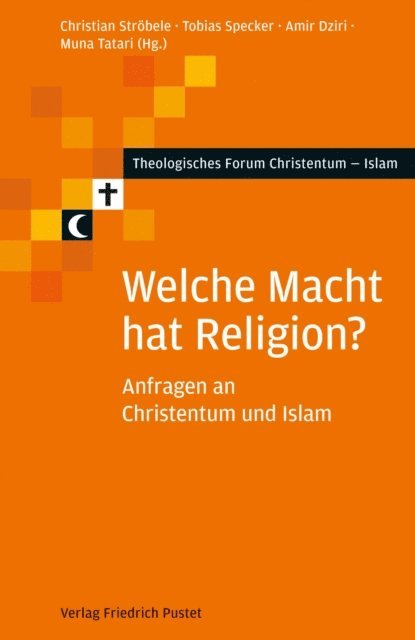
Das Thema "Religion und Macht" ist umfangreicher als die Frage nach dem Verhältnis der Religion zum Staat und zu demokratischen Strukturen. Im Namen Gottes wird in menschliches Leben eingegriffen, wird soziale Kontrolle ausgeübt und religiöse Autorität etabliert. Doch in religiösen Vollzügen werden Menschen auch ermächtigt, ihre Erfahrungen und Perspektiven zu Wort zu bringen und um Anerkennung zu ringen. Vor diesem Hintergrund fragen die Autorinnen und Autoren nach Kriterien zur Beurteilung von Machtausübung, nach Machtmissbrauch, nach legitimatorischen Strategien und kritischen Ressourcen aus den theologischen Traditionen, nach dem Zusammenhang zwischen theologischen Konzeptionen und dem Verhältnis zur Macht u. v. m.