Johannes M. Bauer - Böcker
Visar alla böcker från författaren Johannes M. Bauer. Handla med fri frakt och snabb leverans.
4 produkter
4 produkter
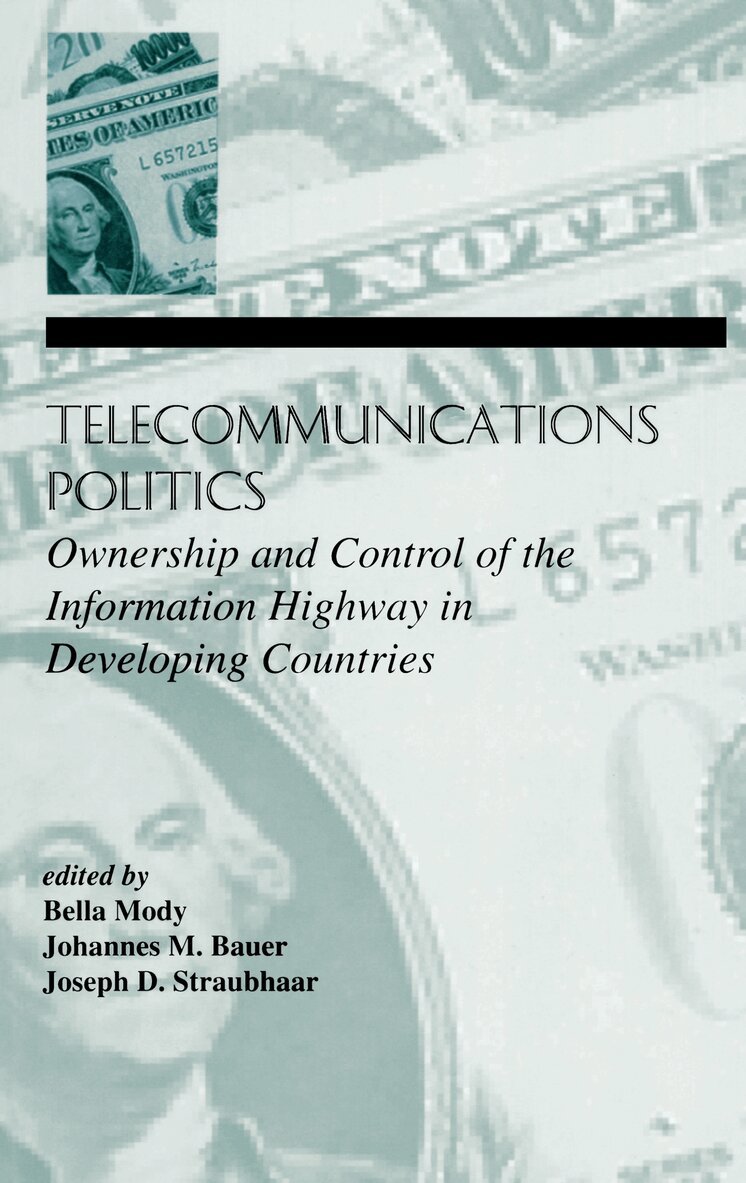
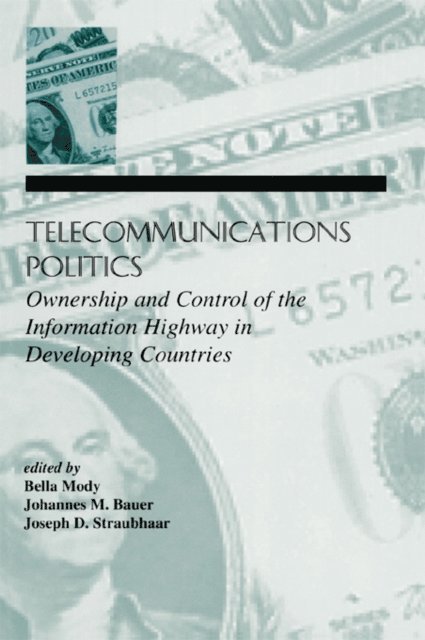
Telecommunications Politics
Ownership and Control of the information Highway in Developing Countries
Inbunden, Engelska, 1995
1 295 kr
Skickas inom 10-15 vardagar
This volume brings together scholars and policymakers to address the issue of telecommunications policy in developing countries. It elaborates on the position that economics and technology determine the framework for discussion, but politics makes the decision. Politics, in this case, refers to the dynamics of the power structure generated by the historical and contemporary context of state, social, economic, and cultural forces. The chapter authors address the system of information transportation -- the telecommunications sector in developing countries ranging from low-income countries with overburdened, rural roads in south Asia and Africa trying to catch up to digitalized fibre-optic superhighways in middle income countries such as Singapore.The organization of the book reflects a contextually situated intellectual viewpoint. The first part presents a historical and conceptual introduction to changes in the organization of telecommunications. The second part analyzes the major external and internal forces that have influenced the process of private sector participation in telecommunications. The third part offers ten comparative country case studies that provide evidence of the diverse conditions, goals, and processes of the realignment of public and private tasks in the telecommunications industry. Finally, contributors address the issue of regulation from differing positions -- a pragmatic, "how-to-cope" discussion for developing country decision makers. The diverse perspectives in this volume should provide help to developing countries in their struggle with proposals received from international banks, private investors, interested "big powers," and their consulting firms.
Telecommunications Politics
Ownership and Control of the information Highway in Developing Countries
Häftad, Engelska, 1995
441 kr
Skickas inom 10-15 vardagar
This volume brings together scholars and policymakers to address the issue of telecommunications policy in developing countries. It elaborates on the position that economics and technology determine the framework for discussion, but politics makes the decision. Politics, in this case, refers to the dynamics of the power structure generated by the historical and contemporary context of state, social, economic, and cultural forces. The chapter authors address the system of information transportation -- the telecommunications sector in developing countries ranging from low-income countries with overburdened, rural roads in south Asia and Africa trying to catch up to digitalized fibre-optic superhighways in middle income countries such as Singapore.The organization of the book reflects a contextually situated intellectual viewpoint. The first part presents a historical and conceptual introduction to changes in the organization of telecommunications. The second part analyzes the major external and internal forces that have influenced the process of private sector participation in telecommunications. The third part offers ten comparative country case studies that provide evidence of the diverse conditions, goals, and processes of the realignment of public and private tasks in the telecommunications industry. Finally, contributors address the issue of regulation from differing positions -- a pragmatic, "how-to-cope" discussion for developing country decision makers. The diverse perspectives in this volume should provide help to developing countries in their struggle with proposals received from international banks, private investors, interested "big powers," and their consulting firms.
4 406 kr
Skickas inom 7-10 vardagar
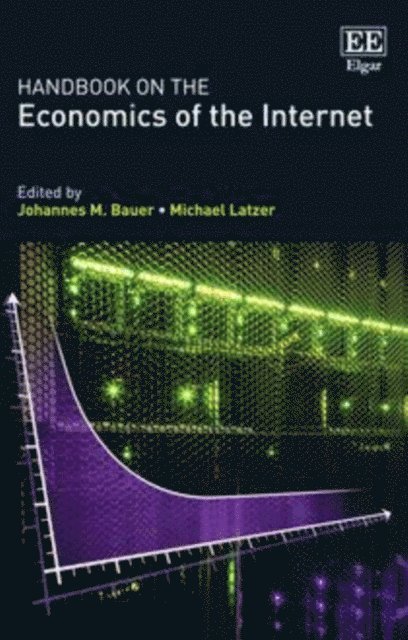
'Internet development dynamics are tackled in this Handbook by leading scholars representing mainstream, institutional, evolutionary economics and political economy perspectives. They show how complex markets for digital technologies and services are evolving. Crucially, they demonstrate why conventional analytical tool kits need to be extended by bridging disciplinary boundaries. This volume offers significant advances in the analysis of technological and institutional change and demonstrates how important it is to acknowledge conflict resolution and tradeoffs as essential aspects of the internet's history and its future.'-Robin Mansell, London School of Economics and Political Science, UKThe Internet is connecting an increasing number of individuals, organizations, and devices into global networks of information flows. It is accelerating the dynamics of innovation in the digital economy, affecting the nature and intensity of competition, and enabling private companies, government, and the non-profit sector to develop new business models. In this new ecosystem many of the theoretical assumptions and historical observations upon which economics rests are altered and need critical reassessment.This Handbook brings together twenty-six original chapters that discuss theoretical and applied frameworks for the study of the economics of the Internet, encompassing:its unique economics as a global information and communications infrastructurethe effects of the Internet on economic transactions, including social production, advertising, innovation, and intellectual property rightsthe economics and management of Internet-based industries, such as search, news, entertainment, culture, and virtual worldsthe effects of the Internet on the economy at largeInterdisciplinary in its approach, the Handbook synthesizes the state of knowledge and offers new perspectives for researchers, practitioners, and students.Contributors: S. Aggarwal, C. Antonelli, H. Asghari, J.M. Bauer, S. Bauer, Y. Benkler, S.M. Besen, I. Brown, E. Castronova, D.D. Clark, C. Corrado, C. Feijóo, D.L. Garcia, J.-L. Gómez-Barroso, C. Handke, J. Haucap, K. Hollnbuchner, N. Just, G. Knieps, I. Knowles, J.J. Kranz, L. Küng, M. Latzer, W.H. Lehr, Y.-L. Liu, W. Ma, P. Mazepa, V. Mosco, N. Newman, E.M. Noam, P.P. Patrucco, R.G. Picard, A. Picot, G. Sadowsky, F. Saurwein, V. Schneider, S.J. Schultze, R. Sherman, P. Stepan, T. Stühmeier, R. Towse, B. Van Ark, M. Van Eeten, B. Van Schewick, H.R. Varian, D. Waterman, R.S. Whitt, S.S. Wildman, S. Wunsch-Vincent
867 kr
Skickas inom 7-10 vardagar
'Internet development dynamics are tackled in this Handbook by leading scholars representing mainstream, institutional, evolutionary economics and political economy perspectives. They show how complex markets for digital technologies and services are evolving. Crucially, they demonstrate why conventional analytical tool kits need to be extended by bridging disciplinary boundaries. This volume offers significant advances in the analysis of technological and institutional change and demonstrates how important it is to acknowledge conflict resolution and tradeoffs as essential aspects of the internet's history and its future.'-Robin Mansell, London School of Economics and Political Science, UKThe Internet is connecting an increasing number of individuals, organizations, and devices into global networks of information flows. It is accelerating the dynamics of innovation in the digital economy, affecting the nature and intensity of competition, and enabling private companies, government, and the non-profit sector to develop new business models. In this new ecosystem many of the theoretical assumptions and historical observations upon which economics rests are altered and need critical reassessment.This Handbook brings together twenty-six original chapters that discuss theoretical and applied frameworks for the study of the economics of the Internet, encompassing:its unique economics as a global information and communications infrastructurethe effects of the Internet on economic transactions, including social production, advertising, innovation, and intellectual property rightsthe economics and management of Internet-based industries, such as search, news, entertainment, culture, and virtual worldsthe effects of the Internet on the economy at largeInterdisciplinary in its approach, the Handbook synthesizes the state of knowledge and offers new perspectives for researchers, practitioners, and students.Contributors: S. Aggarwal, C. Antonelli, H. Asghari, J.M. Bauer, S. Bauer, Y. Benkler, S.M. Besen, I. Brown, E. Castronova, D.D. Clark, C. Corrado, C. Feijóo, D.L. Garcia, J.-L. Gómez-Barroso, C. Handke, J. Haucap, K. Hollnbuchner, N. Just, G. Knieps, I. Knowles, J.J. Kranz, L. Küng, M. Latzer, W.H. Lehr, Y.-L. Liu, W. Ma, P. Mazepa, V. Mosco, N. Newman, E.M. Noam, P.P. Patrucco, R.G. Picard, A. Picot, G. Sadowsky, F. Saurwein, V. Schneider, S.J. Schultze, R. Sherman, P. Stepan, T. Stühmeier, R. Towse, B. Van Ark, M. Van Eeten, B. Van Schewick, H.R. Varian, D. Waterman, R.S. Whitt, S.S. Wildman, S. Wunsch-Vincent