John Dadosky – författare
Visar alla böcker från författaren John Dadosky. Handla med fri frakt och snabb leverans.
23 produkter
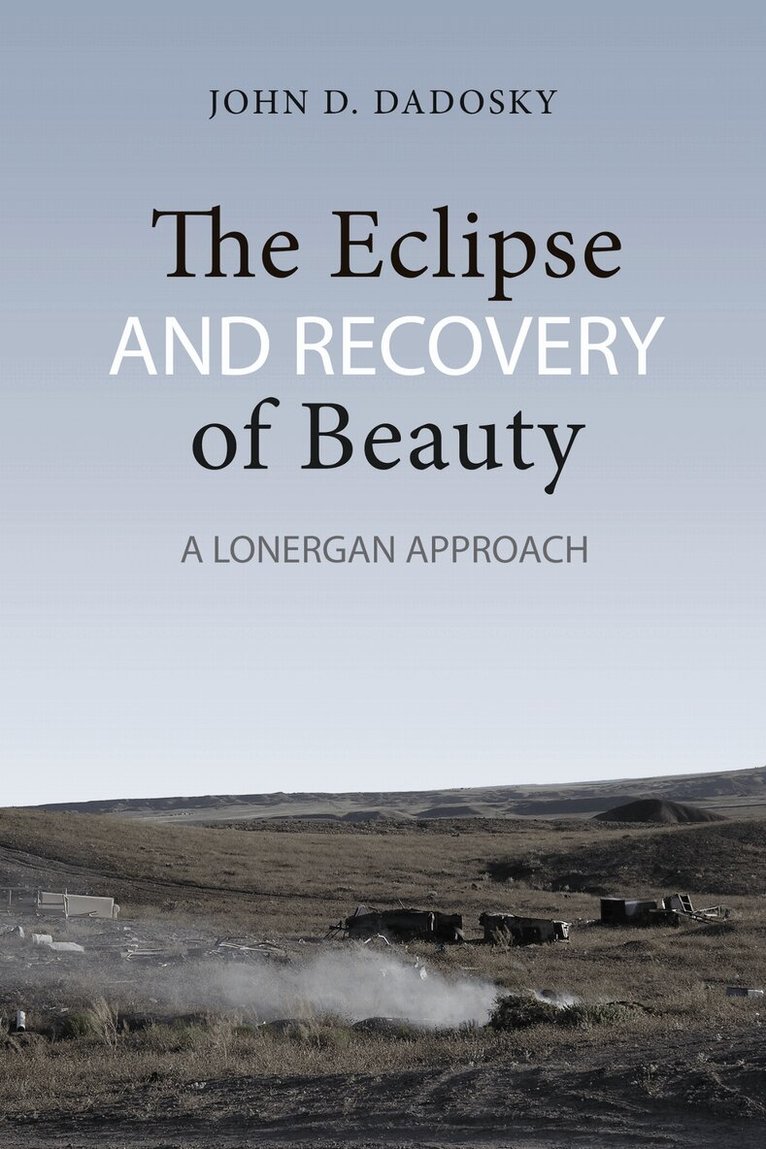
Eclipse and Recovery of Beauty
A Lonergan Approach
Av John Dadosky
Inbunden, 2014
719 kr
Lägg i varukorg
According to the Swiss theologian Hans Urs von Balthasar, a world that has lost sight of beauty is a world riddled with skepticism, moral and aesthetic relativism, conflicting religious worldviews, and escalating ecological crises. In The Eclipse and Recovery of Beauty, John D. Dadosky uses …
Eclipse and Recovery of Beauty
A Lonergan Approach
Av John Dadosky
E-bok, 2014
505 kr
Lägg i varukorg
According to the Swiss theologian Hans Urs von Balthasar, a world that has lost sight of beauty is a world riddled with skepticism, moral and aesthetic relativism, conflicting religious worldviews, and escalating ecological crises. In The Eclipse and Recovery of Beauty, John D. Dadosky uses …
Eclipse and Recovery of Beauty
A Lonergan Approach
Av John Dadosky
E-bok, 2014
495 kr
Lägg i varukorg
According to the Swiss theologian Hans Urs von Balthasar, a world that has lost sight of beauty is a world riddled with skepticism, moral and aesthetic relativism, conflicting religious worldviews, and escalating ecological crises. In The Eclipse and Recovery of Beauty, John D. Dadosky uses …
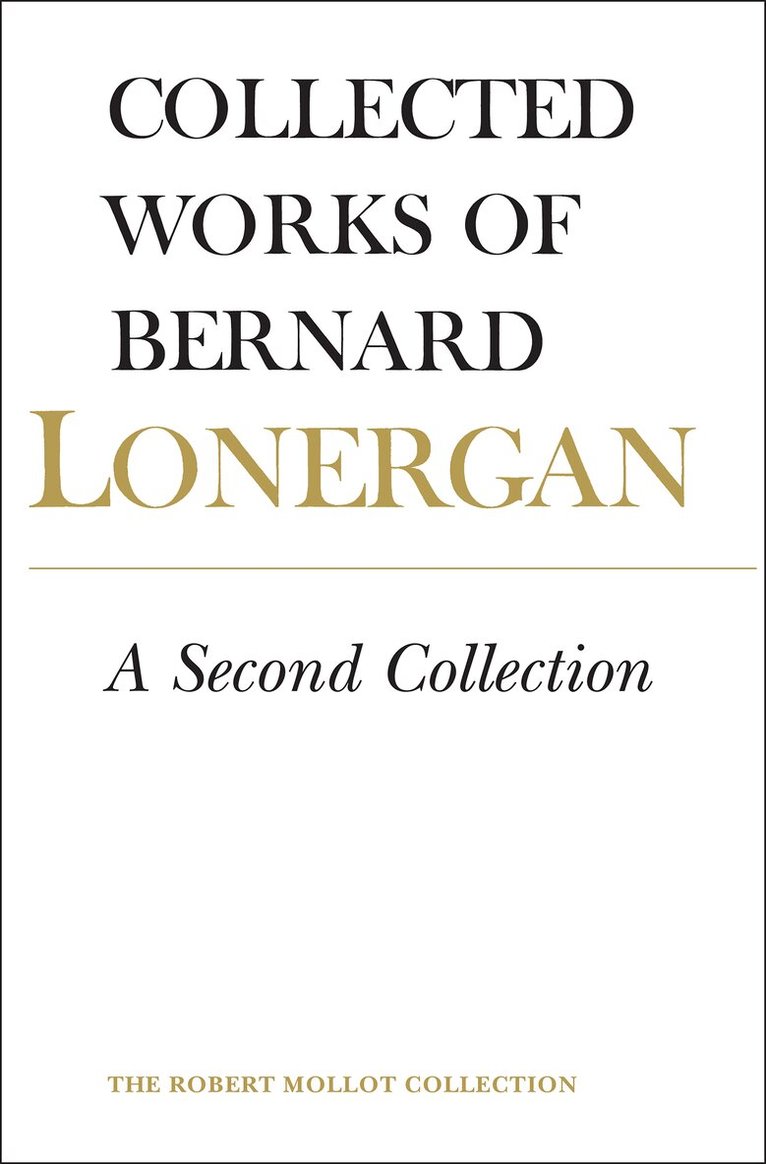
Second Collection
Volume 13
Av Bernard Lonergan, Robert Doran, S.J. m. fl.
Inbunden, 2016
844 kr
Lägg i varukorg
For the edition of A Second Collection prepared for the Collected Works of Bernard Lonergan, editors Robert M. Doran and John D. Dadosky have added archival materials directly related to almost every one of the papers, bringing the reader closer to the original compositions. The papers date from …
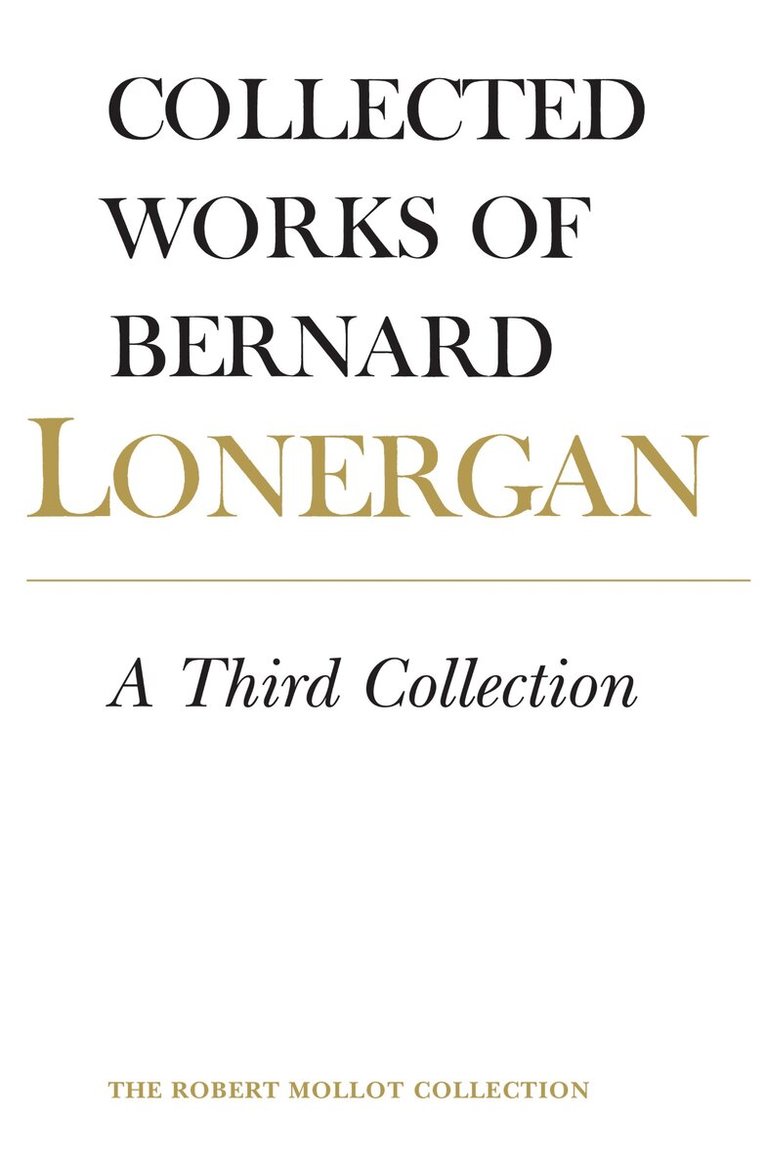
Third Collection
Volume 16
Av Bernard Lonergan, Lonergan Research Institute m. fl.
Inbunden, 2017
788 kr
Lägg i varukorg
A Third Collection, prepared for the Collected Works of Bernard Lonergan by editors Robert M. Doran and John D. Dadosky, is a helpful companion to volumes four and thirteen in the series. The volume contains fifteen papers, written between 1974 and 1982, and includes some of his most important …
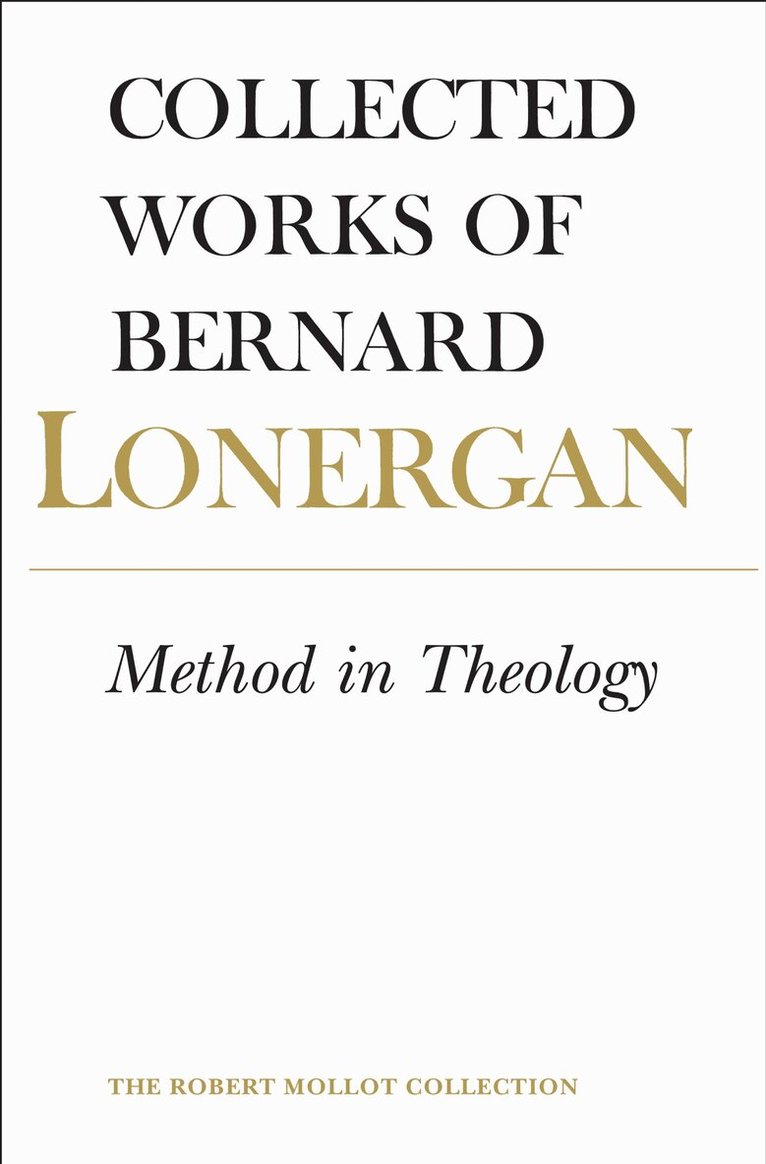
Method in Theology
Volume 14
Av Bernard Lonergan, Robert Doran, S.J. m. fl.
Inbunden, 2017
998 kr
Lägg i varukorg
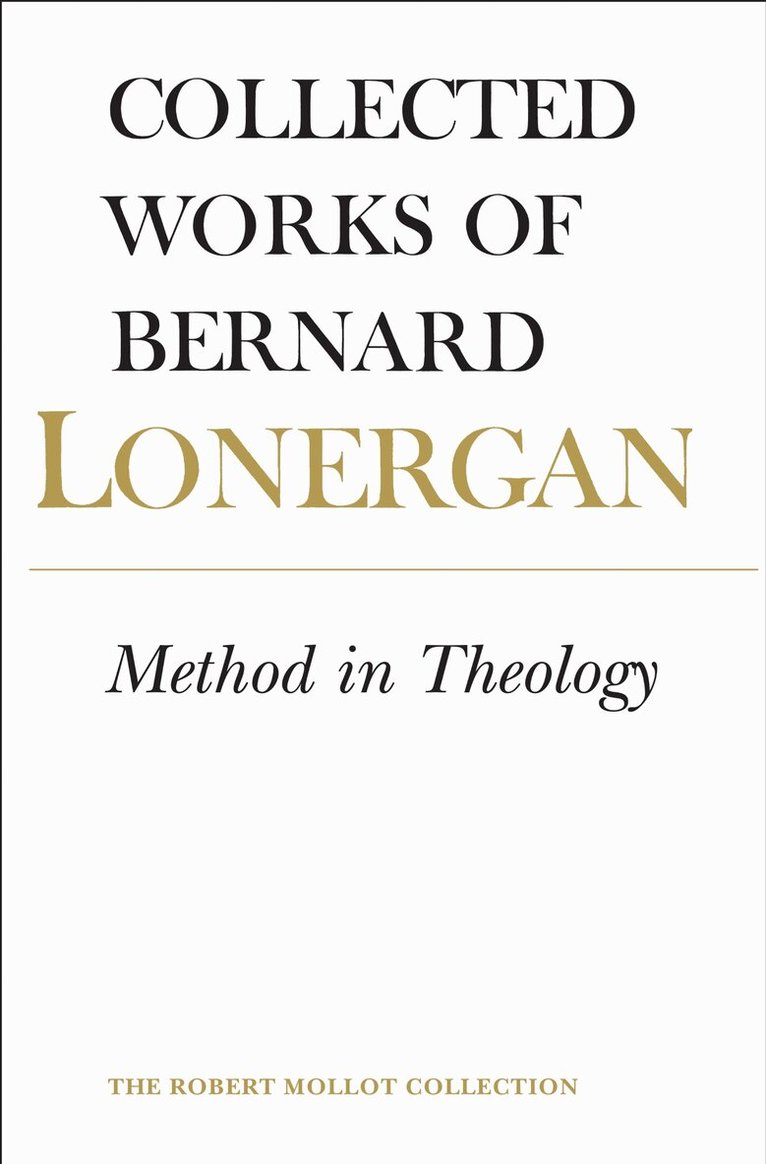
Method in Theology stands with Insight as Bernard Lonergan’s most important work. It is Lonergan’s answer to those who would argue that in this time of cultural change and dissolution, the believer is afloat on a sea of multiplying theologies, without rudder or compass. Lonergan was resolute in his …
Archival Material
Early Papers on History, Volume 25
Av Lonergan Research Institute, Robert Doran, S.J. m. fl.
Inbunden, 2019
746 kr
Lägg i varukorg
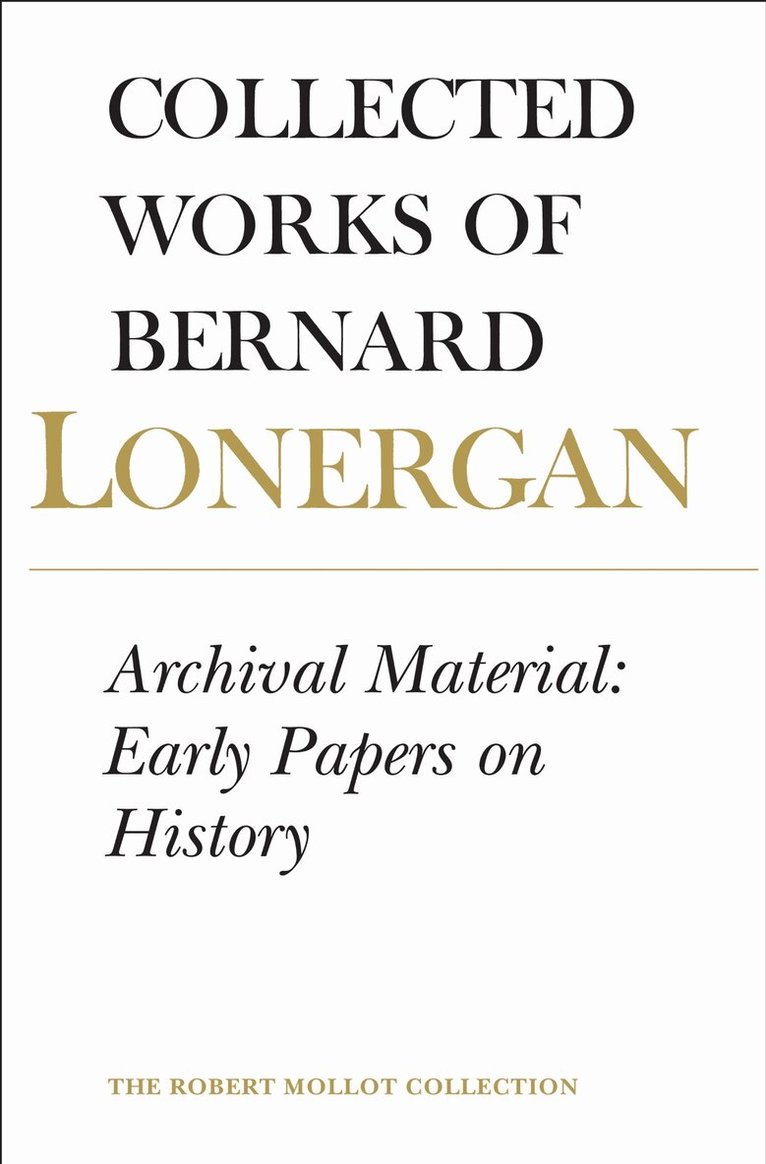
In the mid- to late-1930s, while he was a student at the Gregorian University in Rome, Bernard Lonergan wrote a series of eight essays on the philosophy and theology of history. These essays foreshadow a number of the major themes in his life’s work.The significance of these essays is enormous, not …
Second Collection
Volume 13
Av Bernard Lonergan, Robert Doran, S.J. m. fl.
E-bok, 2016
474 kr
Lägg i varukorg
For the edition of A Second Collection prepared for the Collected Works of Bernard Lonergan, editors Robert M. Doran and John D. Dadosky have added archival materials directly related to almost every one of the papers, bringing the reader closer to the original compositions. The papers date from …
Second Collection
Volume 13
Av Bernard Lonergan, Robert Doran, S.J. m. fl.
E-bok, 2016
479 kr
Lägg i varukorg
For the edition of A Second Collection prepared for the Collected Works of Bernard Lonergan, editors Robert M. Doran and John D. Dadosky have added archival materials directly related to almost every one of the papers, bringing the reader closer to the original compositions. The papers date from …
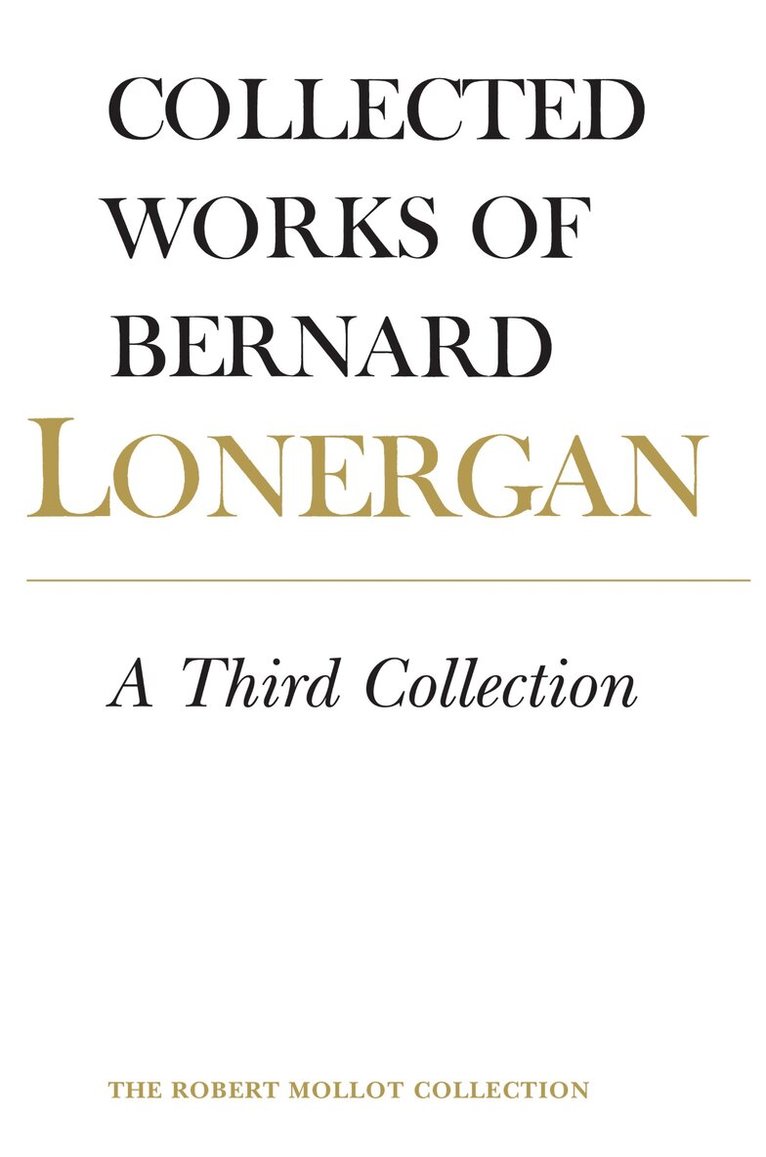
Third Collection
Volume 16
Av Bernard Lonergan, Lonergan Research Institute m. fl.
E-bok, 2017
479 kr
Lägg i varukorg
A Third Collection, prepared for the Collected Works of Bernard Lonergan by editors Robert M. Doran and John D. Dadosky, is a helpful companion to volumes four and thirteen in the series. The volume contains fifteen papers, written between 1974 and 1982, and includes some of his most important …
Third Collection
Volume 16
Av Bernard Lonergan, Lonergan Research Institute m. fl.
E-bok, 2017
479 kr
Lägg i varukorg
A Third Collection, prepared for the Collected Works of Bernard Lonergan by editors Robert M. Doran and John D. Dadosky, is a helpful companion to volumes four and thirteen in the series. The volume contains fifteen papers, written between 1974 and 1982, and includes some of his most important …
Method in Theology
Volume 14
Av Bernard Lonergan, Robert Doran, S.J. m. fl.
E-bok, 2017
554 kr
Lägg i varukorg
Method in Theology stands with Insight as Bernard Lonergan’s most important work. It is Lonergan’s answer to those who would argue that in this time of cultural change and dissolution, the believer is afloat on a sea of multiplying theologies, without rudder or compass. Lonergan was resolute in his …
Method in Theology
Volume 14
Av Bernard Lonergan, Robert Doran, S.J. m. fl.
E-bok, 2017
554 kr
Lägg i varukorg
Method in Theology stands with Insight as Bernard Lonergan’s most important work. It is Lonergan’s answer to those who would argue that in this time of cultural change and dissolution, the believer is afloat on a sea of multiplying theologies, without rudder or compass. Lonergan was resolute in his …
Second Collection
Volume 13
Av Bernard Lonergan, Robert Doran, S.J. m. fl.
Häftad, 2016
384 kr
Lägg i varukorg
For the edition of A Second Collection prepared for the Collected Works of Bernard Lonergan, editors Robert M. Doran and John D. Dadosky have added archival materials directly related to almost every one of the papers, bringing the reader closer to the original compositions. The papers date from …
Third Collection
Volume 16
Av Bernard Lonergan, Lonergan Research Institute m. fl.
Häftad, 2017
365 kr
Lägg i varukorg
A Third Collection, prepared for the Collected Works of Bernard Lonergan by editors Robert M. Doran and John D. Dadosky, is a helpful companion to volumes four and thirteen in the series. The volume contains fifteen papers, written between 1974 and 1982, and includes some of his most important …
Eclipse and Recovery of Beauty
A Lonergan Approach
Av John Dadosky
Häftad, 2017
412 kr
Lägg i varukorg
According to the Swiss theologian Hans Urs von Balthasar, a world that has lost sight of beauty is a world riddled with skepticism, moral and aesthetic relativism, conflicting religious worldviews, and escalating ecological crises. In The Eclipse and Recovery of Beauty, John D. Dadosky uses …
Method in Theology
Volume 14
Av Bernard Lonergan, Robert Doran, S.J. m. fl.
Häftad, 2017
495 kr
Lägg i varukorg
Method in Theology stands with Insight as Bernard Lonergan’s most important work. It is Lonergan’s answer to those who would argue that in this time of cultural change and dissolution, the believer is afloat on a sea of multiplying theologies, without rudder or compass. Lonergan was resolute in his …
Archival Material
Early Papers on History, Volume 25
Av Lonergan Research Institute, Robert Doran, S.J. m. fl.
Häftad, 2019
356 kr
Lägg i varukorg
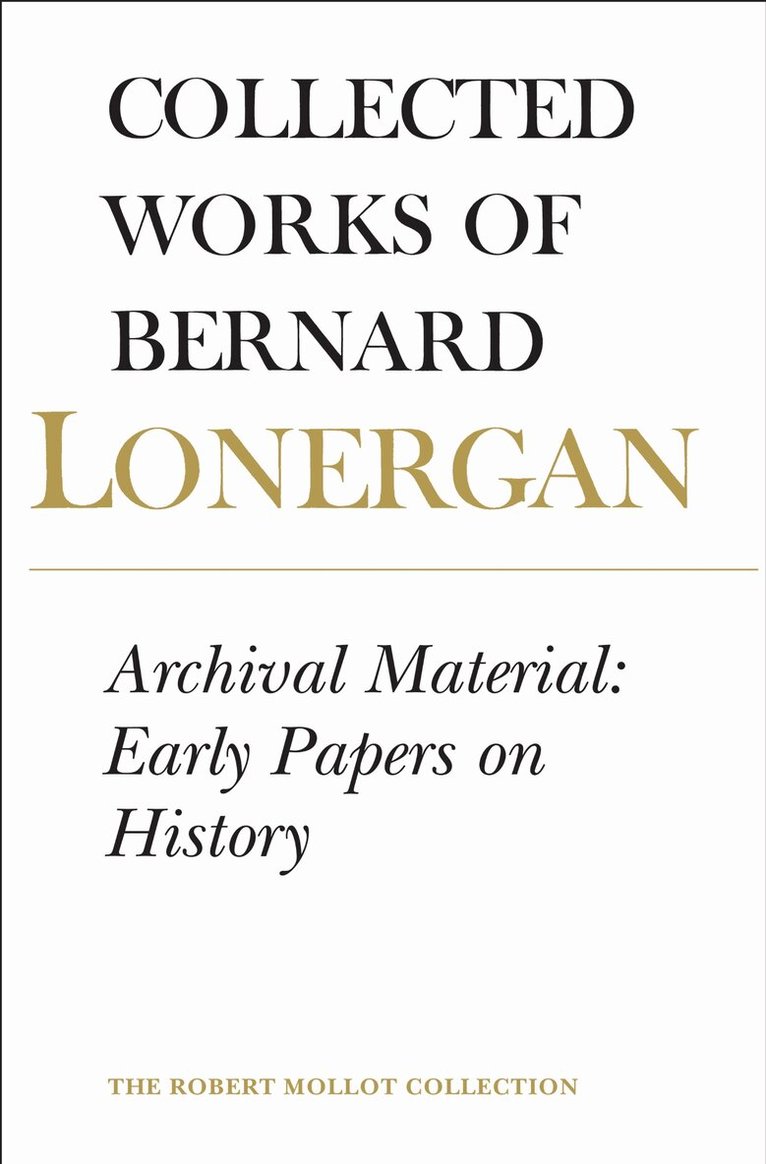
In the mid- to late-1930s, while he was a student at the Gregorian University in Rome, Bernard Lonergan wrote a series of eight essays on the philosophy and theology of history. These essays foreshadow a number of the major themes in his life’s work.The significance of these essays is enormous, not …
Archival Material
Early Papers on History, Volume 25
Av Lonergan Research Institute, Robert Doran, S.J. m. fl.
E-bok, 2019
457 kr
Lägg i varukorg
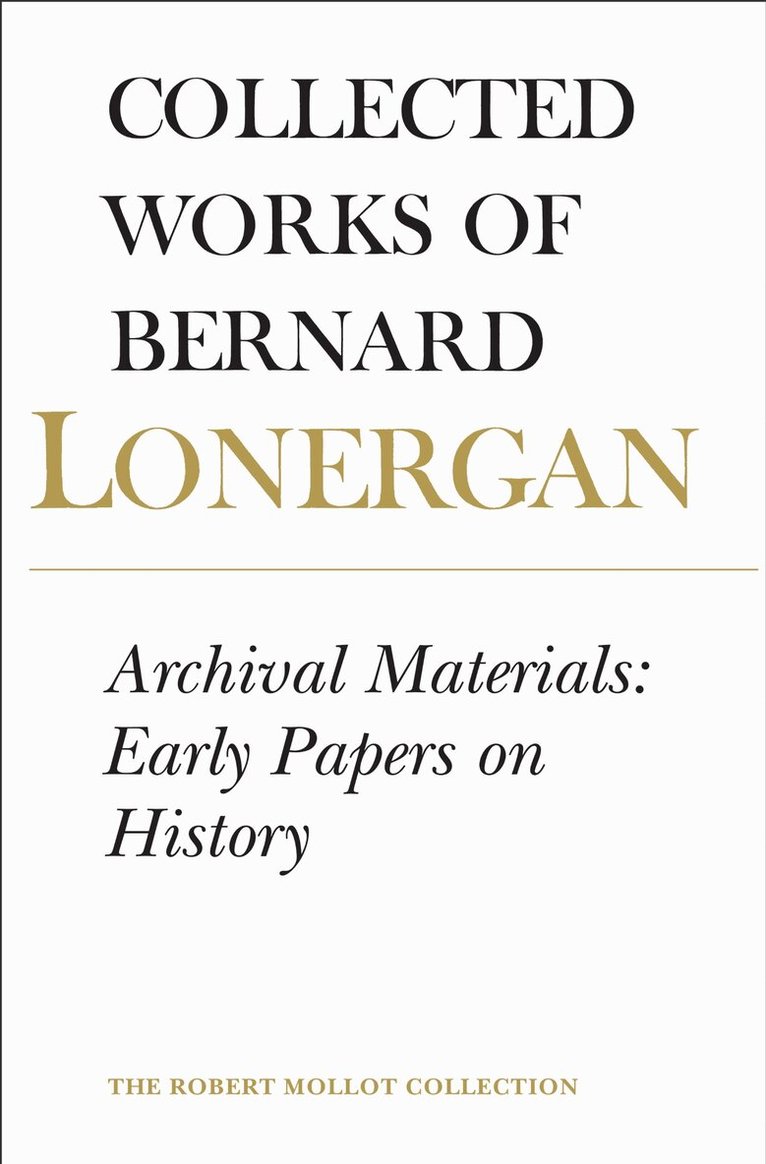
In the mid- to late-1930s, while he was a student at the Gregorian University in Rome, Bernard Lonergan wrote a series of eight essays on the philosophy and theology of history. These essays foreshadow a number of the major themes in his life’s work. The significance of these essays is enormous, …
Archival Material
Early Papers on History, Volume 25
Av Lonergan Research Institute, Robert Doran, S.J. m. fl.
E-bok, 2019
457 kr
Lägg i varukorg
In the mid- to late-1930s, while he was a student at the Gregorian University in Rome, Bernard Lonergan wrote a series of eight essays on the philosophy and theology of history. These essays foreshadow a number of the major themes in his life’s work. The significance of these essays is enormous, …
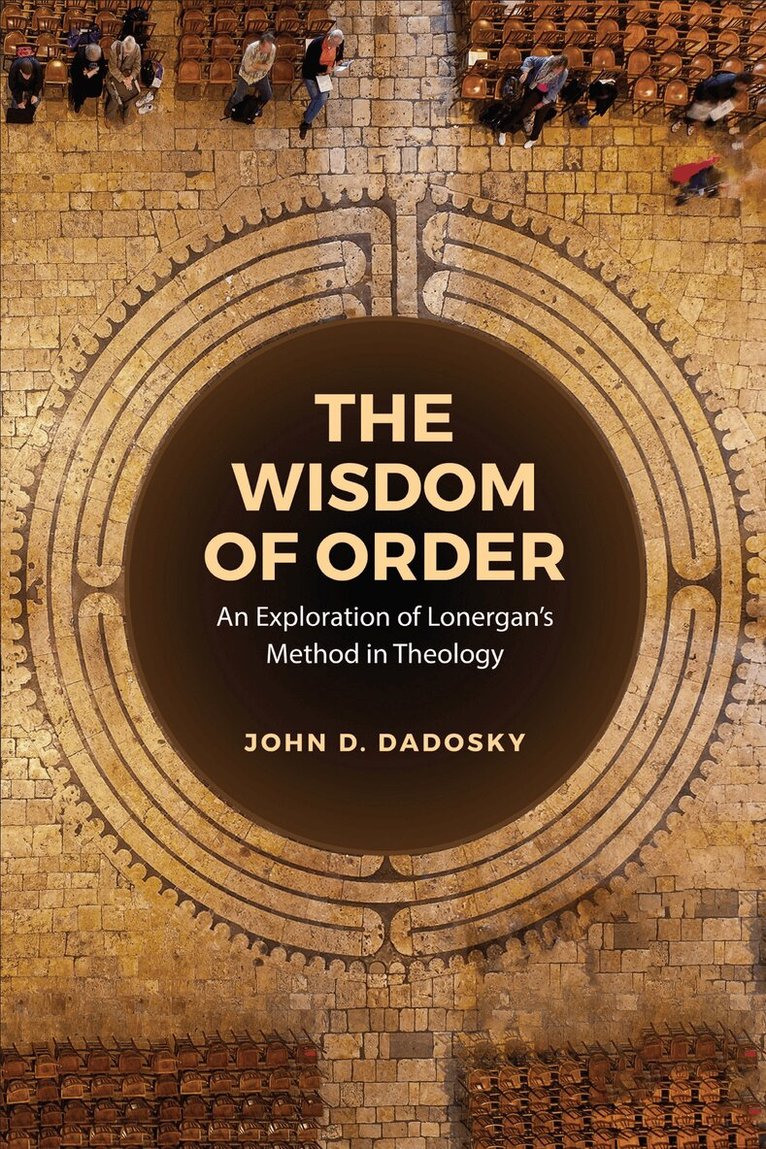
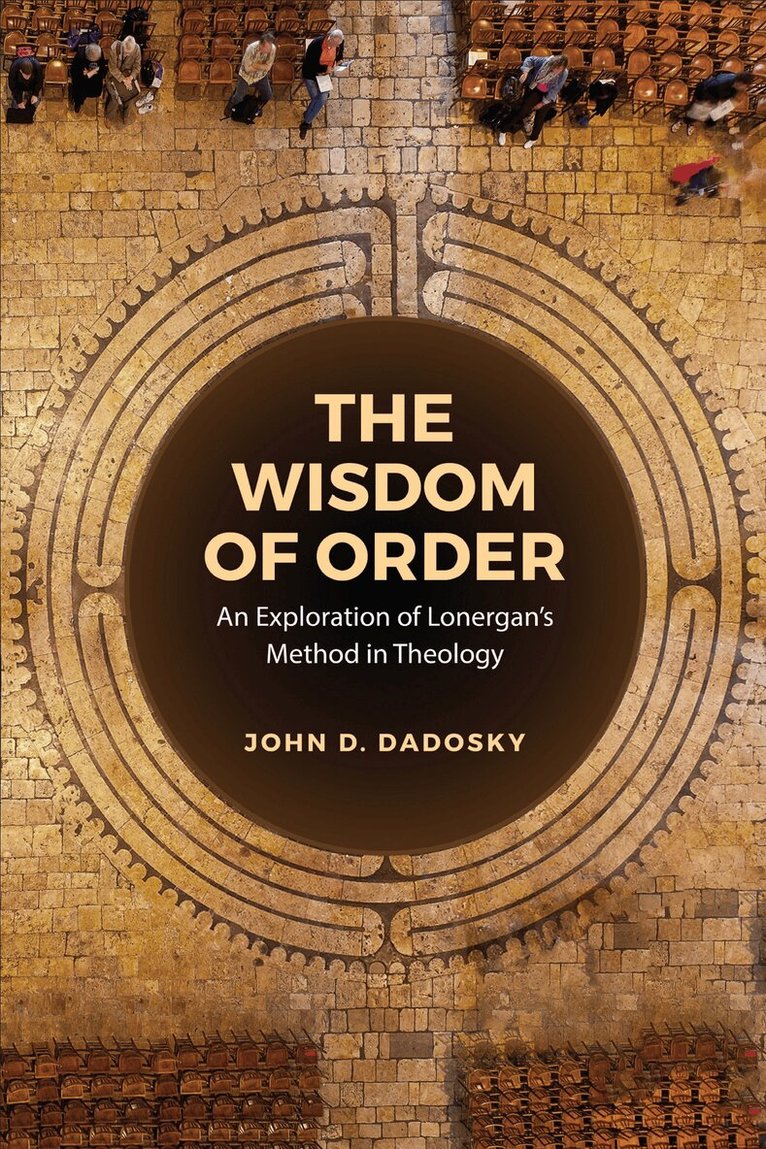
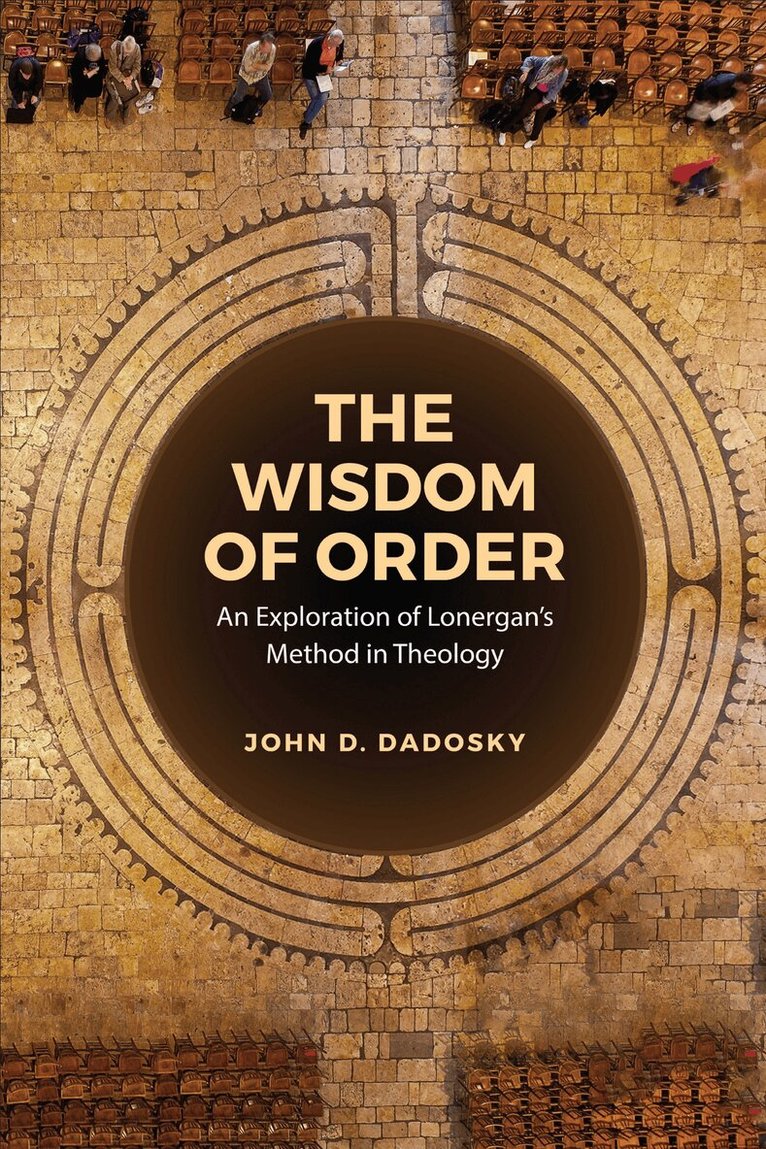
Wisdom of Order
An Exploration of Lonergan's Method in Theology
Av John Dadosky
Inbunden, 2024
398 kr
Lägg i varukorg
In 1972, renowned Canadian philosopher and theologian Bernard Lonergan published Method in Theology. Now, following the fiftieth anniversary of his landmark work, The Wisdom of Order presents the next step in advancing the thought of this significant religious theorist. In addition to the …
Wisdom of Order
An Exploration of Lonergan's Method in Theology
Av John Dadosky
E-bok, 2024
506 kr
Lägg i varukorg
In 1972, renowned Canadian philosopher and theologian Bernard Lonergan published Method in Theology . Now, following the fiftieth anniversary of his landmark work, The Wisdom of Order presents the next step in advancing the thought of this significant religious theorist. In addition to the …
Wisdom of Order
An Exploration of Lonergan's Method in Theology
Av John Dadosky
E-bok, 2024
506 kr
Lägg i varukorg
In 1972, renowned Canadian philosopher and theologian Bernard Lonergan published Method in Theology . Now, following the fiftieth anniversary of his landmark work, The Wisdom of Order presents the next step in advancing the thought of this significant religious theorist. In addition to the …