John Korstad – författare
Visar alla böcker från författaren John Korstad. Handla med fri frakt och snabb leverans.
8 produkter
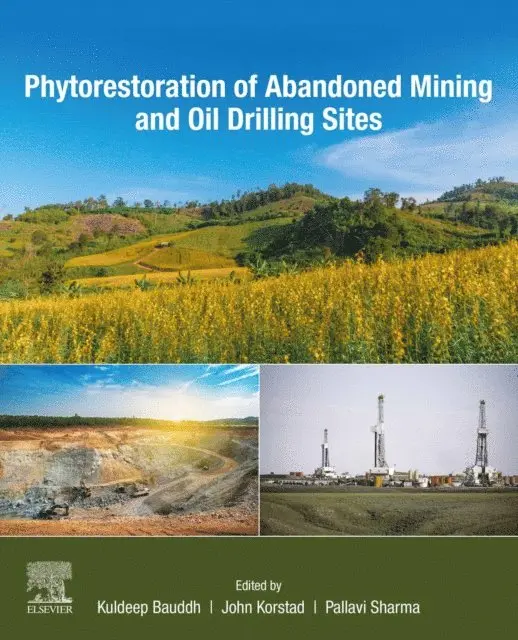
Phytorestoration of Abandoned Mining and Oil Drilling Sites
Av Kuldeep Bauddh, John Korstad m. fl.
Häftad, 2020
2022 kr
Lägg i varukorg
Phytorestoration of Abandoned Mining and Oil Drilling Sites presents case studies and the latest research on the most effective methods to address the large amounts of waste materials released due to mining and oil drilling. In particular, phytoremediation is described as a novel, eco-friendly, …
Phytorestoration of Abandoned Mining and Oil Drilling Sites
Av Pallavi Sharma, John Korstad m. fl.
E-bok, 2020
2933 kr
Lägg i varukorg
Phytorestoration of Abandoned Mining and Oil Drilling Sites presents case studies and the latest research on the most effective methods to address the large amounts of waste materials released due to mining and oil drilling. In particular, phytoremediation is described as a novel, eco-friendly, …
Emerging Micropollutants in Agro-ecosystems
Sources, Challenges, and Mitigation Approaches
Av Kuldeep Bauddh, Swati Sachdev m. fl.
Häftad, 2027
2296 kr
Kommande
Emerging Micropollutants in Agro-ecosystems: Sources, Challenges, and Mitigation Approaches offers a comprehensive and timely exploration of Emerging Micropollutants (EMPs) in agricultural environments-tracking their origins, environmental behavior, health risks, and cutting-edge solutions. …
Phytoremediation Potential of Bioenergy Plants
Av Kuldeep Bauddh, Bhaskar Singh m. fl.
Inbunden, 2017
1641 kr
Lägg i varukorg
The globally escalating population necessitates production of more goods and services to fulfil the expanding demands of human beings which resulted in urbanization and industrialization. Uncontrolled industrialization caused two major problems – energy crisis and accelerated environmental …
Phytoremediation Potential of Bioenergy Plants
Av Kuldeep Bauddh, Bhaskar Singh m. fl.
Häftad, 2018
1205 kr
Lägg i varukorg
The globally escalating population necessitates production of more goods and services to fulfil the expanding demands of human beings which resulted in urbanization and industrialization. Uncontrolled industrialization caused two major problems – energy crisis and accelerated environmental …
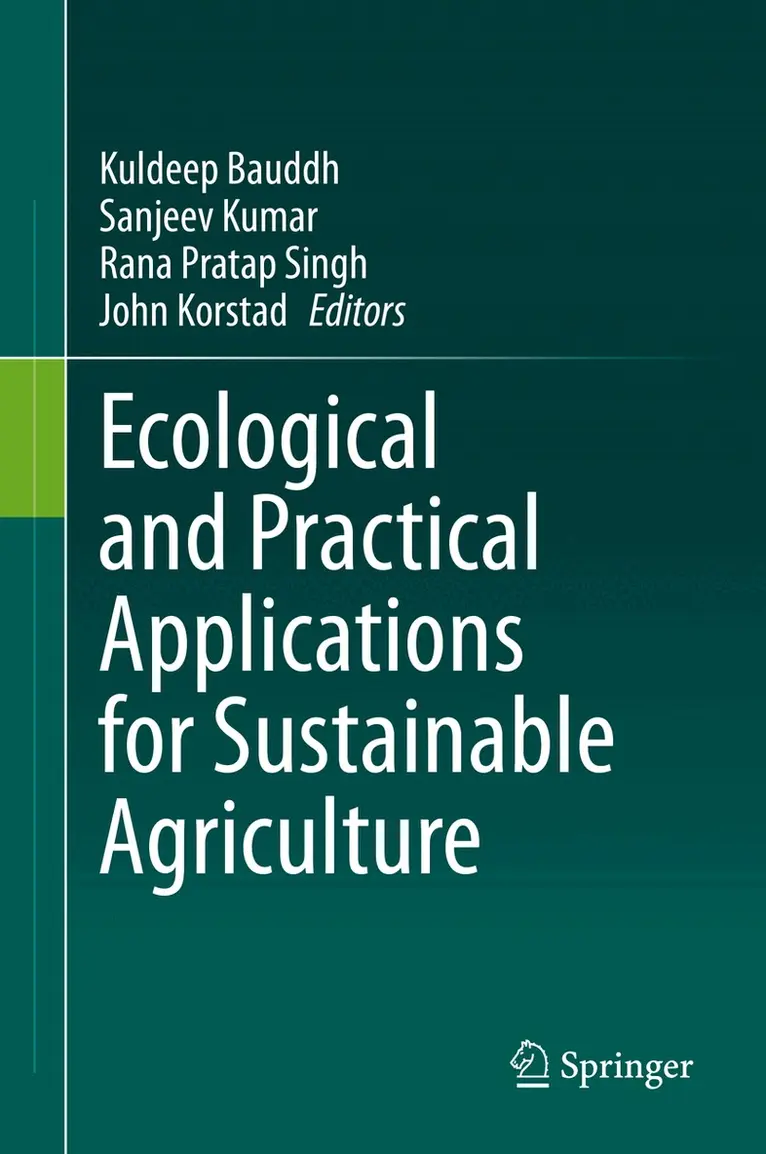
Ecological and Practical Applications for Sustainable Agriculture
Av Kuldeep Bauddh, Sanjeev Kumar m. fl.
Inbunden, 2020
2730 kr
Lägg i varukorg
Rampant industrialization, urbanization, and population growth have resulted in increased global environmental contamination. The productivity of agricultural soil is drastically deteriorated and requires a high dose of fertilizers to cultivate crops. To ensure food security, farmers are compelled …
Ecological and Practical Applications for Sustainable Agriculture
Av John Korstad, Rana Pratap Singh m. fl.
E-bok, 2020
3577 kr
Lägg i varukorg
Rampant industrialization, urbanization, and population growth have resulted in increased global environmental contamination. The productivity of agricultural soil is drastically deteriorated and requires a high dose of fertilizers to cultivate crops. To ensure food security, farmers are compelled …
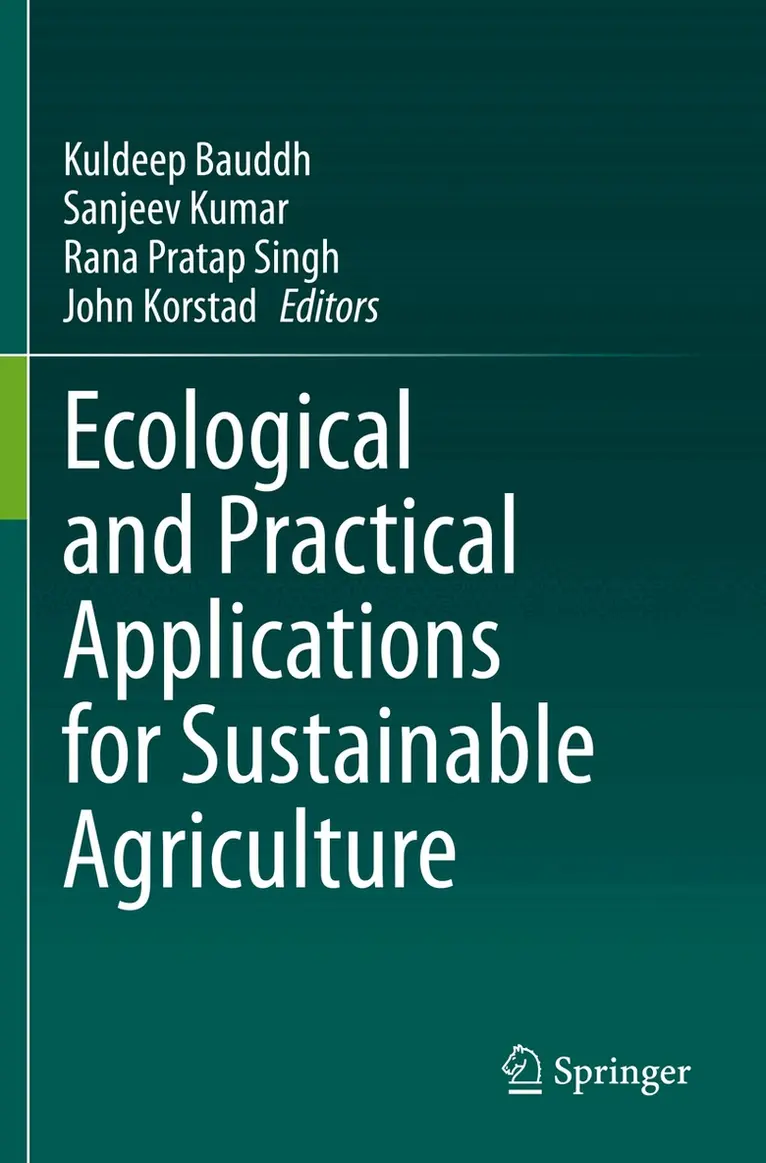
Ecological and Practical Applications for Sustainable Agriculture
Av Kuldeep Bauddh, Sanjeev Kumar m. fl.
Häftad, 2021
2730 kr
Lägg i varukorg
Rampant industrialization, urbanization, and population growth have resulted in increased global environmental contamination. The productivity of agricultural soil is drastically deteriorated and requires a high dose of fertilizers to cultivate crops. To ensure food security, farmers are compelled …