John Mashayamombe – författare
Visar alla böcker från författaren John Mashayamombe. Handla med fri frakt och snabb leverans.
5 produkter
5 produkter
Häftad, Engelska, 2023
387 kr
Skickas inom 5-8 vardagar
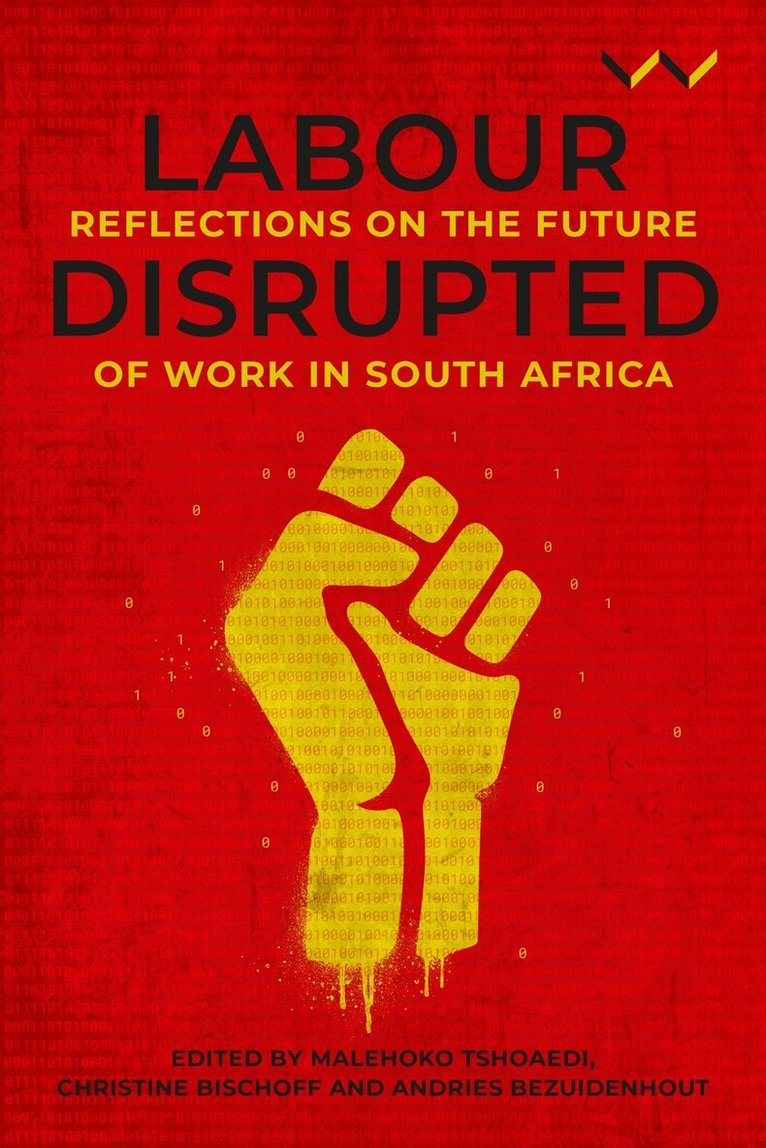
Analyses the fragmentation and future of labour movements in South Africa and globally in the context of globalisation, the fourth industrial revolution and the Covid-19 pandemic.
Inbunden, Engelska, 2023
1 118 kr
Skickas inom 5-8 vardagar
Analyses the fragmentation and future of labour movements in South Africa and globally in the context of globalisation, the fourth industrial revolution and the Covid-19 pandemic.
E-bok
PDF, Engelska, 2023430 kr
Läs direkt efter köp
Published in the 50th anniversary year of the 1973 Durban strikes, Labour Disrupted honours this milestone by reflecting on the past and the future of labour, primarily in South Africa but also globally. It focuses on how South Africa’s lockdown during the Covid-19 pandemic further exposed key contradictions and challenges that labour movements face. The contributions include a diverse range of topics by those actively engaged in the labour movement, who tackle a number of thorny issues: from redefining democracy in South Africa, to experiences of inclusiveness (or lack thereof) in workplace environments by women, young people, migrant workers, LGBTI people and people living with disabilities. They address contemporary issues related to the use of technology and the impact of the fourth industrial revolution on the youth and the working class, and the challenge of skills development and restructuring in the workplace. Labour Disrupted debates new forms of organising and labour movement alliances required to address issues of social justice in education, health and community solidarity, and exposes the precariousness of union organisation under the brutal forces of globalisation.
E-bok
Engelska, 2023430 kr
Läs direkt efter köp
Published in the 50th anniversary year of the 1973 Durban strikes, Labour Disrupted honours this milestone by reflecting on the past and the future of labour, primarily in South Africa but also globally. It focuses on how South Africa’s lockdown during the Covid-19 pandemic further exposed key contradictions and challenges that labour movements face. The contributions include a diverse range of topics by those actively engaged in the labour movement, who tackle a number of thorny issues: from redefining democracy in South Africa, to experiences of inclusiveness (or lack thereof) in workplace environments by women, young people, migrant workers, LGBTI people and people living with disabilities. They address contemporary issues related to the use of technology and the impact of the fourth industrial revolution on the youth and the working class, and the challenge of skills development and restructuring in the workplace. Labour Disrupted debates new forms of organising and labour movement alliances required to address issues of social justice in education, health and community solidarity, and exposes the precariousness of union organisation under the brutal forces of globalisation.
Inbunden, Engelska, 2022
1 084 kr
Skickas inom 10-15 vardagar
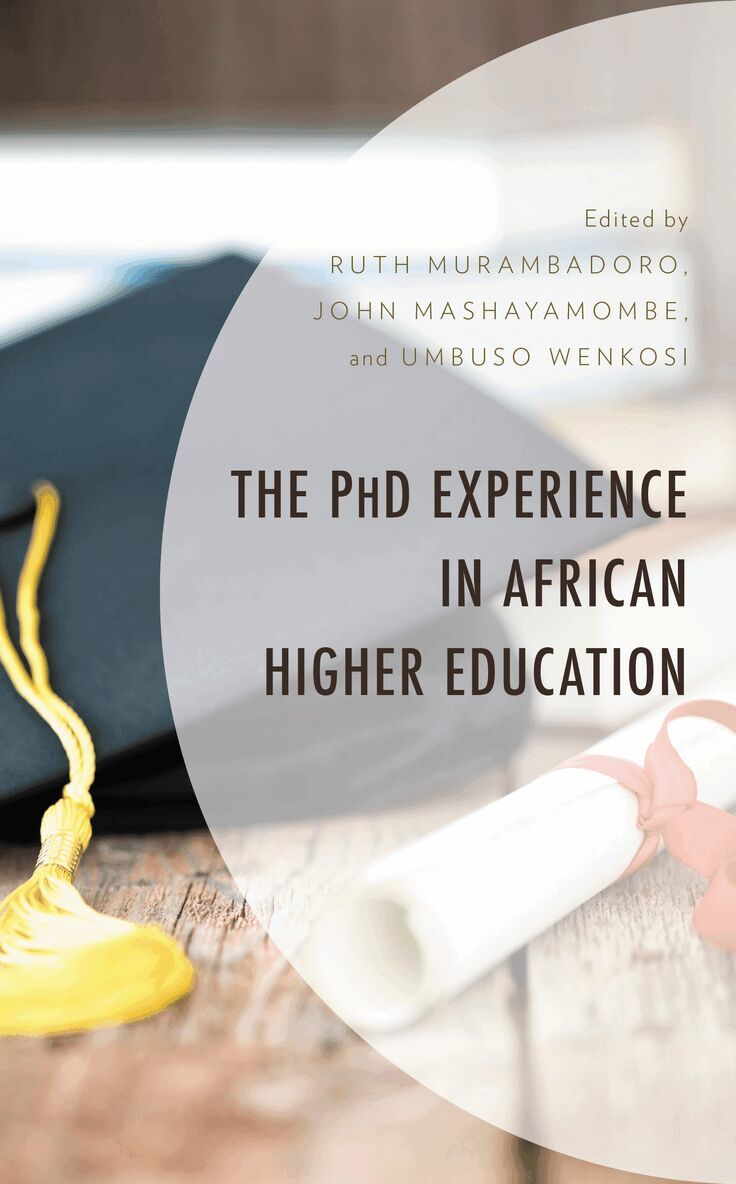
The PhD Experience in African Higher Education, edited by Ruth Murambadoro, John Mashayamombe, and uMbuso weNkosi, addresses the growing call to invest in the humanities and social sciences by exploring the nature of doctoral training in select institutions of higher learning in South Africa. In the past two decades, South Africa has become a key player in the global higher education landscape and dubbed the hub for doctoral training in Africa because of its developed educational infrastructure and highly ranked universities. Given South Africa’s positioning, the contributors in this volume argue that the government, donors, universities, and faculty have a socio-legal duty to ensure that doctoral programs in the humanities and social sciences are not offered to amass numbers of African graduates but are grounded on equipping students with both hard and soft skills necessary to succeed. This is achieved by offering skills training and research apprenticeships fostered in communities of practice because, as the contributors show, the humanities and social sciences are the backbone of society. Furthermore, they argue that treating doctoral candidates as equal partners is emancipatory because intellectual projects are best nurtured through collaborative learning.