John S. Torday – författare
1 534 kr
Skickas inom 10-15 vardagar
Quantum Mechanics, Cell-Cell Signaling, and Evolution offers a detailed accounting of the latest research and theorizing on the integration of quantum physics with biological action to produce a novel perspective on evolution. The book advocates for a paradigm shift towards understanding biology and medicine causally as predictive sciences, presenting quantum mechanics and physiology as vertically integrated. The author has taken a unique approach to the question of how and why evolution occurred. The account is based on extensive knowledge of lipid physical chemistry, and its role in the evolution of the lung under the influence of hormonal effects on structure and function.
The title arranges lipid biochemistry and biophysics into an integrated explanation, guiding readers from the immersion of lipids in water as the origin of life, to lung surfactant in alveolar homeostasis, and leading to a new understanding of how consciousness interacts with the laws of nature. This volume argues for a novel understanding of evolutionary processes based on fundamental science and positions itself as seeking consilience among research disciplines. Starting from the origins of the cosmos, the author proceeds through nucleosynthesis and Endosymbiosis Theory, to finally describe consciousness in relation to natural law.
Offers a novel account of evolutionary mechanisms integrating quantum mechanics and cell-cell signaling Presents the latest research and theorizing on the integration of quantum physics with biological action Grounds theoretical insights in lipid physical chemistry and the evolution of the lung Details an integrated, causal account of evolution operating across physical and biological domains Argues for a paradigm shift in the way evolution is understood2 182 kr
Läs direkt efter köp
1 102 kr
Skickas inom 11-20 vardagar
844 kr
Läs direkt efter köp
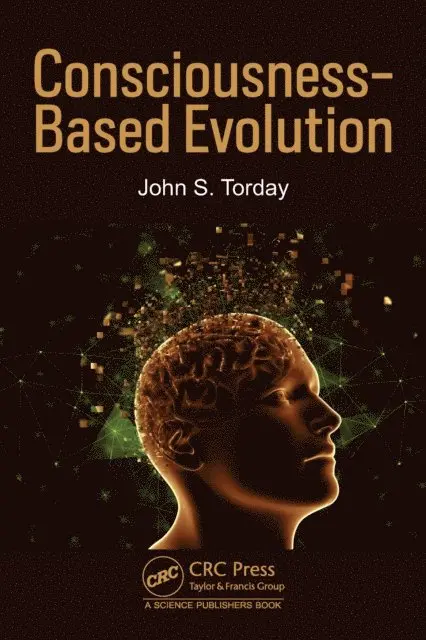
Consciousness is the key to understanding human existence. Many have attempted to determine the fundamental nature of consciousness based on deductive reasoning. In contrast to that, Consciousness-Based Evolution has exploited empiric evidence for the evolution of physiology from the unicell to man based on cell-cell communication as the origin of consciousness, each intermediary step representing an innate effort to maintain homeostasis by harnessing the energy flow initiated by The Big Bang. By tracing vertebrate evolution as development and phylogeny, focusing on specific emergent steps using a Bayesian approach, individual traits can be seen as exaptations of earlier ways in which existential threats were resolved over the course of evolution. You, the readers, are the beneficiary of those insights.
844 kr
Läs direkt efter köp
Consciousness is the key to understanding human existence. Many have attempted to determine the fundamental nature of consciousness based on deductive reasoning. In contrast to that, Consciousness-Based Evolution has exploited empiric evidence for the evolution of physiology from the unicell to man based on cell-cell communication as the origin of consciousness, each intermediary step representing an innate effort to maintain homeostasis by harnessing the energy flow initiated by The Big Bang. By tracing vertebrate evolution as development and phylogeny, focusing on specific emergent steps using a Bayesian approach, individual traits can be seen as exaptations of earlier ways in which existential threats were resolved over the course of evolution. You, the readers, are the beneficiary of those insights.
2 039 kr
Skickas inom 10-15 vardagar
735 kr
Skickas inom 10-15 vardagar
1 236 kr
Läs direkt efter köp
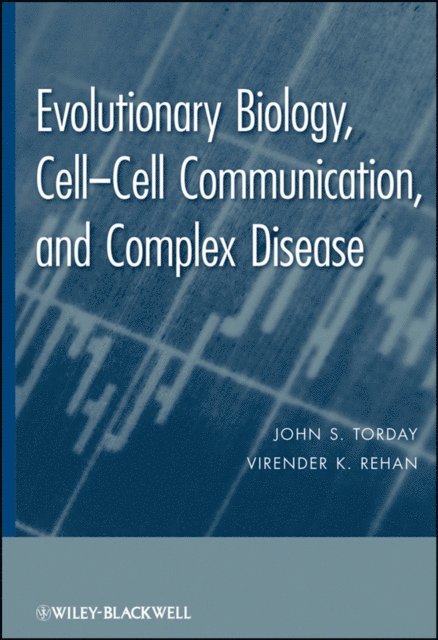
Even in this advanced age of genomics, the evolutionary process of unicellular and multicellular organisms is continually in debate. Evolutionary Biology, Cell–Cell Communication, and Complex Disease challenges current wisdom by using physiology to present an integrative view of the nature, origins, and evolution of fundamental biological systems.
Providing a deeper understanding of the way genes relate to the traits of living organisms, this book offers useful information applying evolutionary biology, functional genomics, and cell communication studies to complex disease. Examining the 4.5 billion-year evolution process from environment adaptations to cell-cell communication to communication of genetic information for reproduction, Evolutionary Biology hones in on the "why and how" of evolution by uniquely focusing on the cell as the smallest unit of biologic structure and function.
Based on empirically derived data rather than association studies, Evolutionary Biology covers:
A model for forming testable hypotheses in complex disease studies
The integrating role played by the evolution of metabolism, especially lipid metabolism
The evolutionary continuum from development to homeostasis
Regeneration and aging mediated by signaling molecules
Ambitious and game-changing Evolutionary Biology suggests that biology began as a mechanism for reducing energy within the cell, defying the Second Law of Thermodynamics. An ideal text for those interested in forward thinking scientific study, the insights presented in Evolutionary Biology help practitioners effectively comprehend the evolutionary process.
1 236 kr
Läs direkt efter köp
Even in this advanced age of genomics, the evolutionary process of unicellular and multicellular organisms is continually in debate. Evolutionary Biology, Cell–Cell Communication, and Complex Disease challenges current wisdom by using physiology to present an integrative view of the nature, origins, and evolution of fundamental biological systems.
Providing a deeper understanding of the way genes relate to the traits of living organisms, this book offers useful information applying evolutionary biology, functional genomics, and cell communication studies to complex disease. Examining the 4.5 billion-year evolution process from environment adaptations to cell-cell communication to communication of genetic information for reproduction, Evolutionary Biology hones in on the "why and how" of evolution by uniquely focusing on the cell as the smallest unit of biologic structure and function.
Based on empirically derived data rather than association studies, Evolutionary Biology covers:
A model for forming testable hypotheses in complex disease studies
The integrating role played by the evolution of metabolism, especially lipid metabolism
The evolutionary continuum from development to homeostasis
Regeneration and aging mediated by signaling molecules
Ambitious and game-changing Evolutionary Biology suggests that biology began as a mechanism for reducing energy within the cell, defying the Second Law of Thermodynamics. An ideal text for those interested in forward thinking scientific study, the insights presented in Evolutionary Biology help practitioners effectively comprehend the evolutionary process.
1 676 kr
Skickas inom 11-20 vardagar
1 877 kr
Läs direkt efter köp
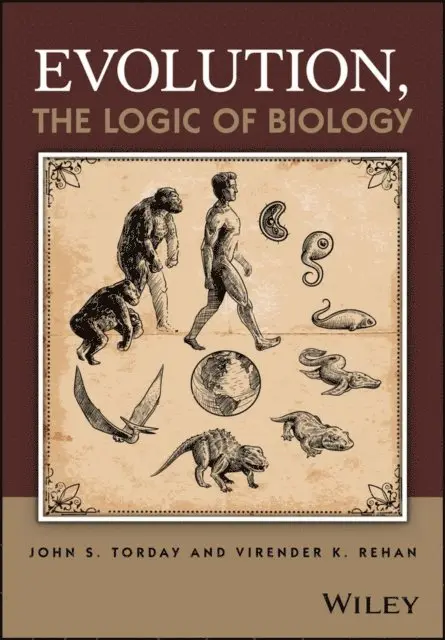
By focusing on the cellular mechanisms that underlie ontogeny, phylogeny and regeneration of complex physiologic traits, Evolution, the Logic of Biology demonstrates the use of homeostasis, the fundamental principle of physiology and medicine, as the unifying mechanism for evolution as all of biology. The homeostasis principle can be used to understand how environmental stressors have affected physiologic mechanisms to generate condition-specific novelty through cellular mechanisms.
Evolution, the Logic of Biology allows the reader to understand the vertebrate life-cycle as an intergenerational continuum in support of effective, on-going environmental adaptation. By understanding the principles of physiology from their fundamental unicellular origins, culminating in modern-day metazoans, the reader as student, researcher or practitioner will be encouraged to think in terms of the prevention of disease, rather than in the treatment of disease as the eradication of symptoms. By tracing the ontogeny and phylogeny of this and other phenotypic homologies, one can perceive and understand how complex physiologic traits have mechanistically evolved from their simpler ancestral and developmental origins as cellular structures and functions, providing a logic of biology for the first time.
Evolution, the Logic of Biology will be an invaluable resource for graduate students and researchers studying evolutionary development, medicine and biology, anthropology, comparative and developmental biology, genetics and genomics, and physiology.1 877 kr
Läs direkt efter köp
By focusing on the cellular mechanisms that underlie ontogeny, phylogeny and regeneration of complex physiologic traits, Evolution, the Logic of Biology demonstrates the use of homeostasis, the fundamental principle of physiology and medicine, as the unifying mechanism for evolution as all of biology. The homeostasis principle can be used to understand how environmental stressors have affected physiologic mechanisms to generate condition-specific novelty through cellular mechanisms.
Evolution, the Logic of Biology allows the reader to understand the vertebrate life-cycle as an intergenerational continuum in support of effective, on-going environmental adaptation. By understanding the principles of physiology from their fundamental unicellular origins, culminating in modern-day metazoans, the reader as student, researcher or practitioner will be encouraged to think in terms of the prevention of disease, rather than in the treatment of disease as the eradication of symptoms. By tracing the ontogeny and phylogeny of this and other phenotypic homologies, one can perceive and understand how complex physiologic traits have mechanistically evolved from their simpler ancestral and developmental origins as cellular structures and functions, providing a logic of biology for the first time.
Evolution, the Logic of Biology will be an invaluable resource for graduate students and researchers studying evolutionary development, medicine and biology, anthropology, comparative and developmental biology, genetics and genomics, and physiology.1 792 kr
Läs direkt efter köp
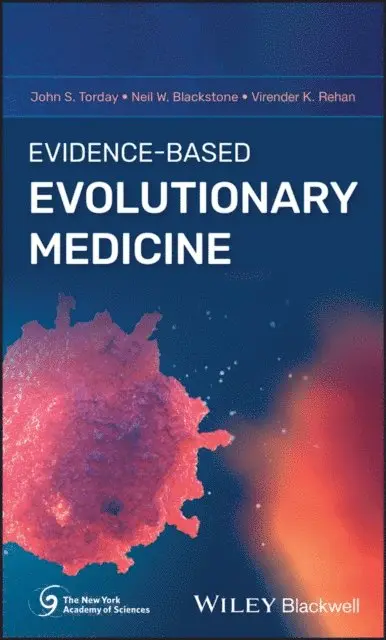
A groundbreaking, evidence-based text to the growing field of evolutionary medicine
Evidence-Based Evolutionary Medicine offers a comprehensive review of the burgeoning field of evolutionary medicine and explores vital topics such as evolution, ecology, and aging as they relate to mainstream medicine. The text integrates Darwinian principles and evidence-based medicine in order to offer a clear picture of the underlying principles that reflect how and why organisms have evolved on a cellular level.
The authors—noted authorities in their respective fields—address evolutionary medicine from a developmental cell-molecular perspective. They explore the first principles of physiology that explain the generation of existing tissues, organs, and organ systems. The text offers an understanding of the overall biology as a vertically integrated whole, from unicellular to multicellular organisms. In addition, it addresses clinical diagnostic and therapeutic approaches, both traditional and cell-homeostatic. This groundbreaking text:
Offers a much-needed, logical, and fundamental approach to biology and medicine Provides a clear explanation of complex physiology and pathophysiology Integrates topics like evolution, ecology and aging into mainstream medicine, making them more relevant Contains the first evidence-based text on evolutionary medicineWritten for medical and graduate students in biology, physiology, anatomy, endocrinology, reproductive biology, medicine, pathology, systems biology, this vital resource offers a unique text of both biology as an integrated whole with universal properties; and of medicine seeing the individual as a whole, not an inventory of parts and diseases.
1 808 kr
Läs direkt efter köp
A groundbreaking, evidence-based text to the growing field of evolutionary medicine
Evidence-Based Evolutionary Medicine offers a comprehensive review of the burgeoning field of evolutionary medicine and explores vital topics such as evolution, ecology, and aging as they relate to mainstream medicine. The text integrates Darwinian principles and evidence-based medicine in order to offer a clear picture of the underlying principles that reflect how and why organisms have evolved on a cellular level.
The authors—noted authorities in their respective fields—address evolutionary medicine from a developmental cell-molecular perspective. They explore the first principles of physiology that explain the generation of existing tissues, organs, and organ systems. The text offers an understanding of the overall biology as a vertically integrated whole, from unicellular to multicellular organisms. In addition, it addresses clinical diagnostic and therapeutic approaches, both traditional and cell-homeostatic. This groundbreaking text:
Offers a much-needed, logical, and fundamental approach to biology and medicine Provides a clear explanation of complex physiology and pathophysiology Integrates topics like evolution, ecology and aging into mainstream medicine, making them more relevant Contains the first evidence-based text on evolutionary medicineWritten for medical and graduate students in biology, physiology, anatomy, endocrinology, reproductive biology, medicine, pathology, systems biology, this vital resource offers a unique text of both biology as an integrated whole with universal properties; and of medicine seeing the individual as a whole, not an inventory of parts and diseases.
1 602 kr
Skickas inom 5-8 vardagar
1 204 kr
Skickas inom 5-8 vardagar
1 079 kr
Läs direkt efter köp
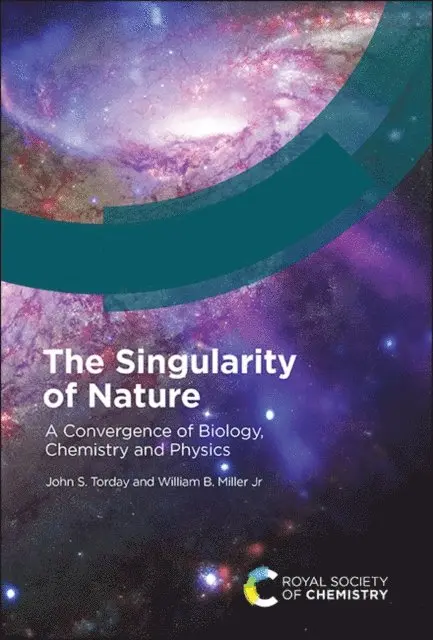
Understanding how simple molecules have given rise to the complex biochemical systems and processes of contemporary biology is widely regarded as one of chemistry’s great unsolved questions. There are numerous theories as to the origins of life, the majority of which draw on the idea that DNA and nucleic acids are the central dogma of biology. The Singularity of Nature: A Convergence of Biology, Chemistry and Physics takes a systems-based approach to the origin and evolution of complex life. Readers will gain a novel understanding of physiologic evolution and the limits to our current understanding: why biology remains descriptive and non-predictive, as well as offering new opportunities for understanding relationships between physics and biology in the origins of biological life at the cellular-molecular level.
1 069 kr
Läs direkt efter köp
Understanding how simple molecules have given rise to the complex biochemical systems and processes of contemporary biology is widely regarded as one of chemistry’s great unsolved questions. There are numerous theories as to the origins of life, the majority of which draw on the idea that DNA and nucleic acids are the central dogma of biology. The Singularity of Nature: A Convergence of Biology, Chemistry and Physics takes a systems-based approach to the origin and evolution of complex life. Readers will gain a novel understanding of physiologic evolution and the limits to our current understanding: why biology remains descriptive and non-predictive, as well as offering new opportunities for understanding relationships between physics and biology in the origins of biological life at the cellular-molecular level.
2 176 kr
Skickas inom 10-15 vardagar
2 741 kr
Läs direkt efter köp
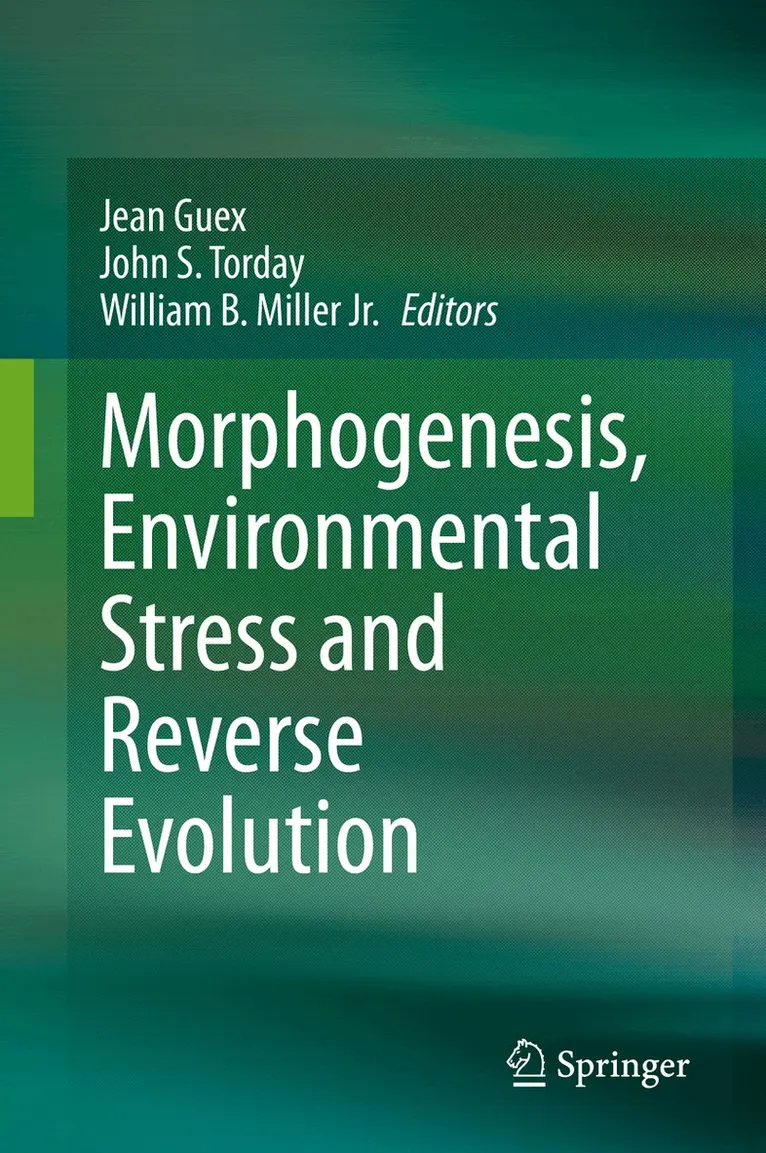
It is widely acknowledged that life has adapted to its environment, but the precise mechanism remains unknown since Natural Selection, Descent with Modification and Survival of the Fittest are metaphors that cannot be scientifically tested. In this unique text, invertebrate and vertebrate biologists illuminate the effects of physiologic stress on epigenetic responses in the process of evolutionary adaptation from unicellular organisms to invertebrates and vertebrates, respectively. This book offers a novel perspective on the mechanisms underlying evolution.
Capacities for morphologic alterations and epigenetic adaptations subject to environmental stresses are demonstrated in both unicellular and multicellular organisms. Furthermore, the underlying cellular-molecular mechanisms that mediate stress for adaptation will be elucidated wherever possible. These include examples of ‘reverse evolution’ by Professor Guex for Ammonites and for mammals by Professor Torday and Dr. Miller. This provides empiric evidence that the conventional way of thinking about evolution as unidirectional is incorrect, leaving open the possibility that it is determined by cell-cell interactions, not sexual selection and reproductive strategy. Rather, the process of evolution can be productively traced through the conservation of an identifiable set of First Principles of Physiology that began with the unicellular form and have been consistently maintained, as reflected by the return to the unicellular state over the course of the life cycle.
2 176 kr
Skickas inom 10-15 vardagar
1 740 kr
Skickas inom 10-15 vardagar
2 130 kr
Läs direkt efter köp
Cellular-molecular approach to evolution has led to radical changes in our understanding of biologic principles ranging from the Cell, to the Life Cycle, Development, Homeostasis, Senescence/Aging, Heterochrony, Pleiotropy, Phenotype, and perhaps the purpose of life itself. Much of this new way of thinking about biology and medicine emanates from experimental evidence for epigenetic inheritance. This leads one to question whether our unicellular state is the actual primary level of selection.
One particular system that is now recognized as being under the auspices of epigenetic inheritance is the endocrine system, which is conventionally thought to regulate physiologic homeostasis. However, because the sex hormones play such a major role in behaviors related to the acquisition of epigenetic data, and the processing of such epigenetic data by the gonads during meiosis, their role in the evolution of the organism become tractable. The composite of the activities ofthe individual over the course of its lifetime can now be understood causally, resulting from the orchestration of its physiology by hormones, prenatally, postnatally and during the aging process, across the entire life span of the organism. Specific behaviors over the course of the life cycle during childhood, adolescence, puberty, adulthood and aging can now be understood mechanistically rather than merely as milestones in the various stages of life.
With the above considerations in mind, this book presents the cellular-evolutionary perspective towards the relationship of the organism with its surroundings, human and non-human alike renders biology and medicine a continuum instead of fragmented, un-related anecdotes.1 740 kr
Skickas inom 10-15 vardagar
1 631 kr
Skickas inom 10-15 vardagar
1 985 kr
Läs direkt efter köp
1 631 kr
Skickas inom 10-15 vardagar
1 977 kr
Läs direkt efter köp