Joseph M. Cheer – författare
Visar alla böcker från författaren Joseph M. Cheer. Handla med fri frakt och snabb leverans.
40 produkter
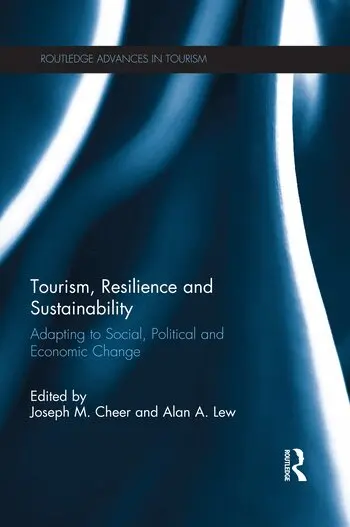
Tourism, Resilience and Sustainability
Adapting to Social, Political and Economic Change
Av Joseph M. Cheer, Alan A. Lew
Häftad, 2021
691 kr
Lägg i varukorg
In a world increasingly faced with, and divided by, regional and global crises, resilience has emerged as a key concept with significant relevance for tourism.A paradigmatic shift is taking place in the long-term planning of tourism development, in which the prevailing focus on sustainability is …
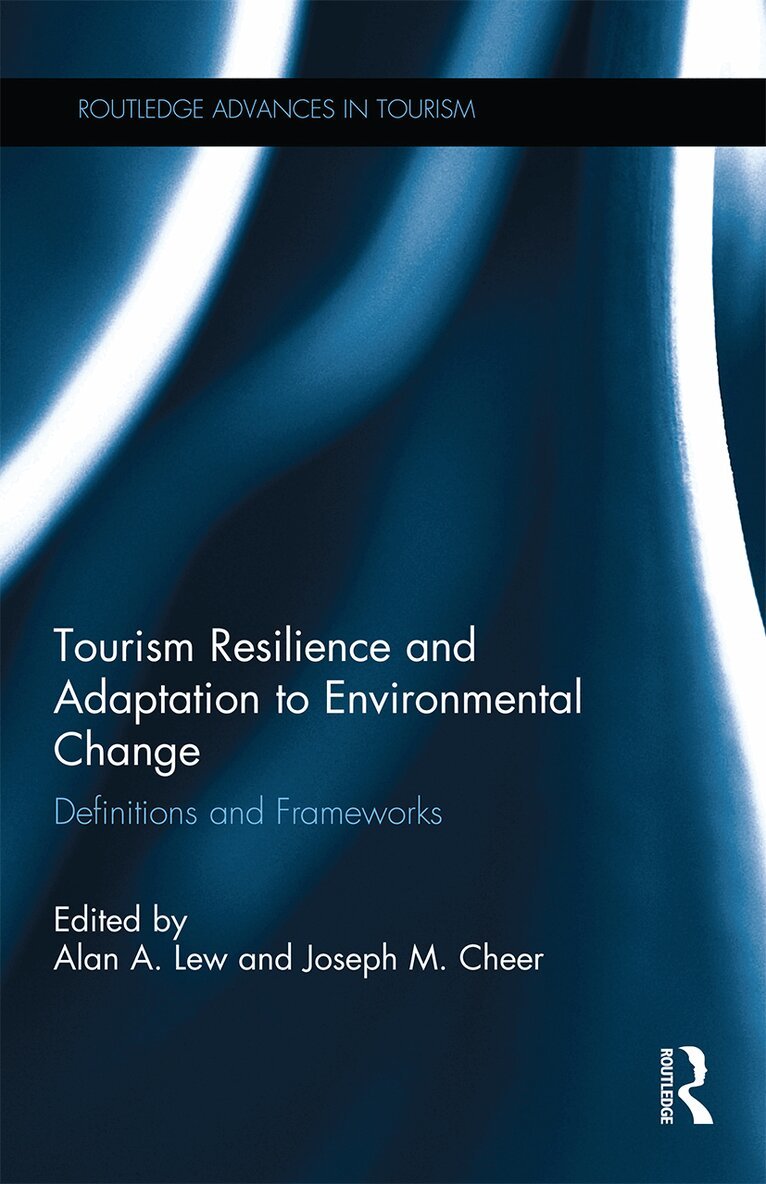
Tourism Resilience and Adaptation to Environmental Change
Definitions and Frameworks
Av Alan A. Lew, Joseph M. Cheer
Häftad, 2020
691 kr
Lägg i varukorg
In recent years, resilience theory has come to occupy the core of our understanding and management of the adaptive capacity of people and places in complex social and environmental systems. Despite this, tourism scholars have been slow to adopt resilience concepts, at a time when the emergence of …
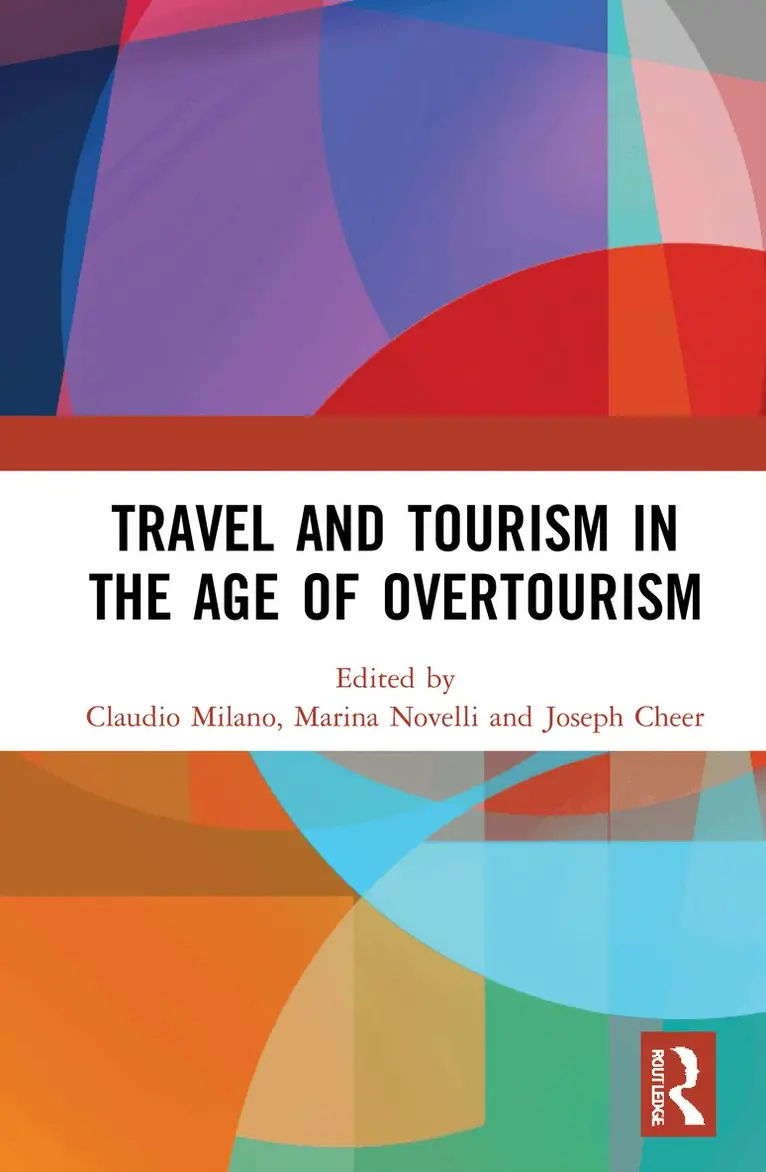
Travel and Tourism in the Age of Overtourism
Av Claudio Milano, Marina Novelli m. fl.
Inbunden, 2021
2585 kr
Lägg i varukorg
Over the last decade, while many scholars have maintained their interest in the classical debate concerning the impacts of tourism, some have attempted new conceptualisations, while others have converged towards critical narratives promoted by a number of social movements, and have become involved …
Travel and Tourism in the Age of Overtourism
Av Claudio Milano, Marina Novelli m. fl.
Häftad, 2023
711 kr
Lägg i varukorg
Over the last decade, while many scholars have maintained their interest in the classical debate concerning the impacts of tourism, some have attempted new conceptualisations, while others have converged towards critical narratives promoted by a number of social movements, and have become involved …
Travel and Tourism in the Age of Overtourism
Av Joseph M. Cheer, Marina Novelli m. fl.
E-bok, 2021
814 kr
Lägg i varukorg
Over the last decade, while many scholars have maintained their interest in the classical debate concerning the impacts of tourism, some have attempted new conceptualisations, while others have converged towards critical narratives promoted by a number of social movements, and have become involved …
Travel and Tourism in the Age of Overtourism
Av Joseph M. Cheer, Marina Novelli m. fl.
E-bok, 2021
788 kr
Lägg i varukorg
Over the last decade, while many scholars have maintained their interest in the classical debate concerning the impacts of tourism, some have attempted new conceptualisations, while others have converged towards critical narratives promoted by a number of social movements, and have become involved …
Global Tourism and COVID-19
Implications for Theory and Practice
Av Mary Mostafanezhad, Patrick Brouder m. fl.
E-bok, 2021
796 kr
Lägg i varukorg
This comprehensive book focuses on how the COVID-19 pandemic is transforming travel and tourism, globally. Despite the devastation caused by COVID-19, authors argue that within the ongoing crisis, there is also an opportunity to positively transform the tourism sector in ways that contribute to a …
Global Tourism and COVID-19
Implications for Theory and Practice
Av Mary Mostafanezhad, Patrick Brouder m. fl.
E-bok, 2021
814 kr
Lägg i varukorg
This comprehensive book focuses on how the COVID-19 pandemic is transforming travel and tourism, globally. Despite the devastation caused by COVID-19, authors argue that within the ongoing crisis, there is also an opportunity to positively transform the tourism sector in ways that contribute to a …
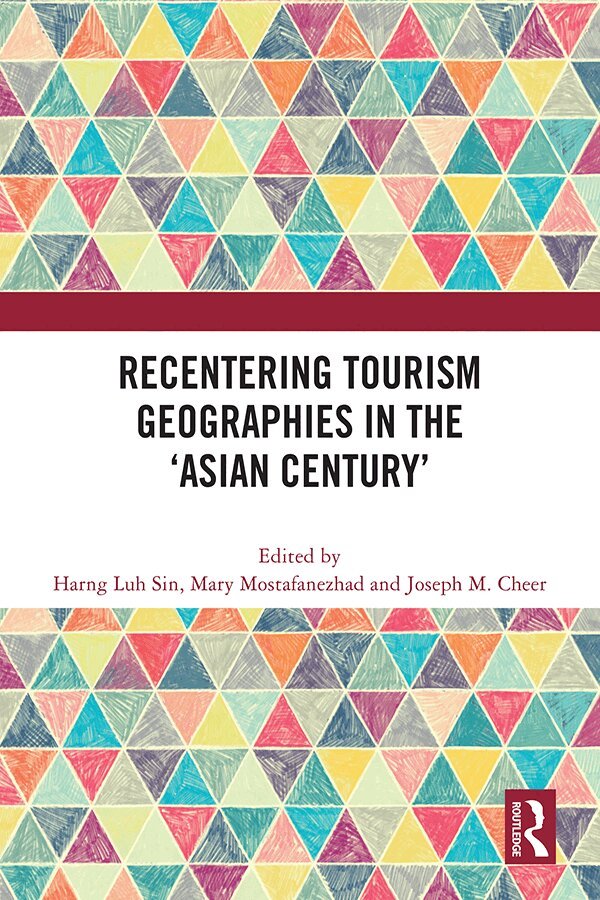
Recentering Tourism Geographies in the 'Asian Century'
Av Joseph M. Cheer, Mary Mostafanezhad m. fl.
E-bok, 2022
820 kr
Lägg i varukorg
This book considers what the transition into the Asian Century means for some of the most urgent issues in the world today, such as sustainable development, human rights, gender equality, and environmental change. The book critiques Anglo-Western centrism in tourism theory and calls on tourism …
Recentering Tourism Geographies in the 'Asian Century'
Av Joseph M. Cheer, Mary Mostafanezhad m. fl.
E-bok, 2022
838 kr
Lägg i varukorg
This book considers what the transition into the Asian Century means for some of the most urgent issues in the world today, such as sustainable development, human rights, gender equality, and environmental change. The book critiques Anglo-Western centrism in tourism theory and calls on tourism …
Global Tourism and COVID-19
Implications for Theory and Practice
Av Alan A. Lew, Joseph M. Cheer m. fl.
Inbunden, 2021
2585 kr
Lägg i varukorg
This comprehensive book focuses on how the COVID-19 pandemic is transforming travel and tourism, globally. Despite the devastation caused by COVID-19, authors argue that within the ongoing crisis, there is also an opportunity to positively transform the tourism sector in ways that contribute to a …
Global Tourism and COVID-19
Implications for Theory and Practice
Av Alan A. Lew, Joseph M. Cheer m. fl.
Häftad, 2023
711 kr
Lägg i varukorg
This comprehensive book focuses on how the COVID-19 pandemic is transforming travel and tourism, globally. Despite the devastation caused by COVID-19, authors argue that within the ongoing crisis, there is also an opportunity to positively transform the tourism sector in ways that contribute to a …
Recentering Tourism Geographies in the ‘Asian Century’
Av Harng Luh Sin, Mary Mostafanezhad m. fl.
Inbunden, 2022
2585 kr
Lägg i varukorg
This book considers what the transition into the Asian Century means for some of the most urgent issues in the world today, such as sustainable development, human rights, gender equality, and environmental change. The book critiques Anglo-Western centrism in tourism theory and calls on tourism …
Recentering Tourism Geographies in the ‘Asian Century’
Av Harng Luh Sin, Mary Mostafanezhad m. fl.
Häftad, 2024
711 kr
Lägg i varukorg
This book considers what the transition into the Asian Century means for some of the most urgent issues in the world today, such as sustainable development, human rights, gender equality, and environmental change. The book critiques Anglo-Western centrism in tourism theory and calls on tourism …
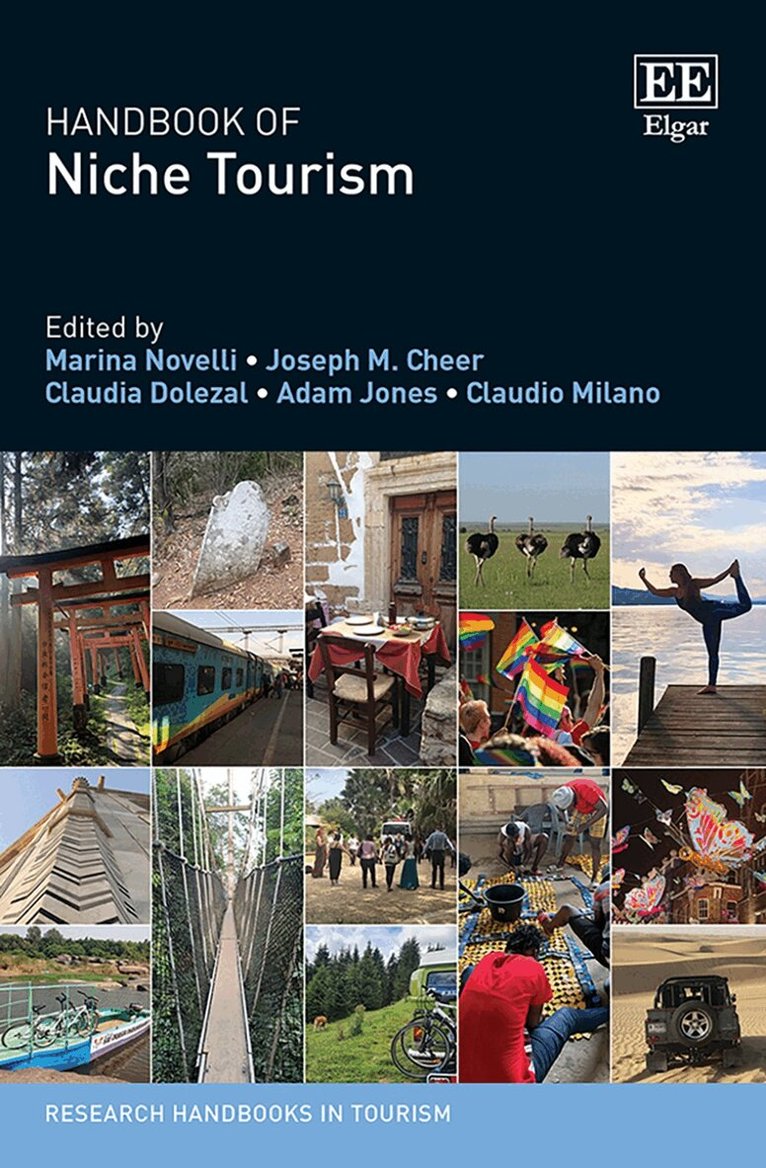
Handbook of Niche Tourism
Av Marina Novelli, Joseph M. Cheer m. fl.
Häftad, 2024
760 kr
Lägg i varukorg
This Handbook provides a critical analysis of the evolution of the contemporary niche tourism phenomenon. By framing discussions around sustainable development thinking, concepts and practical applications, each chapter provides specific reflections on niche tourism trends, successes and/or …
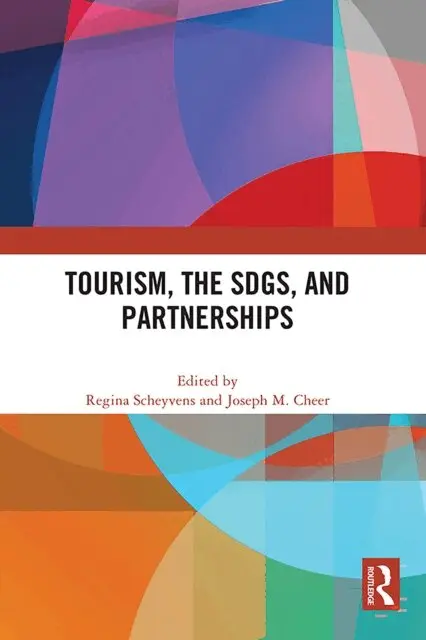
Tourism, the SDGs, and Partnerships
Av Joseph M. Cheer, Regina Scheyvens
E-bok, 2026
2805 kr
Lägg i varukorg
This book appraises the place of partnerships in the pursuit of the 2030 Agenda across diverse international cases and tourism industry contexts. The potential for tourism to contribute to the Sustainable Development Goals is roundly acknowledged, with SDG17 (Partnerships for the Goals) being …
Tourism, the SDGs, and Partnerships
Av Joseph M. Cheer, Regina Scheyvens
E-bok, 2026
2805 kr
Lägg i varukorg
This book appraises the place of partnerships in the pursuit of the 2030 Agenda across diverse international cases and tourism industry contexts. The potential for tourism to contribute to the Sustainable Development Goals is roundly acknowledged, with SDG17 (Partnerships for the Goals) being …
Tourism, the SDGs, and Partnerships
Av Regina Scheyvens, Joseph M. Cheer
Inbunden, 2026
2510 kr
Lägg i varukorg
This book appraises the place of partnerships in the pursuit of the 2030 Agenda across diverse international cases and tourism industry contexts. The potential for tourism to contribute to the Sustainable Development Goals is roundly acknowledged, with SDG17 (Partnerships for the Goals) being …
Evidence-informed Sustainable Tourism
Governance, Policy and Practice
Av Michael Volgger, Joseph M. Cheer m. fl.
Inbunden, 2026
2510 kr
Lägg i varukorg
This book critically examines the role of evidence-informed decision-making in tourism planning, destination management, and policymaking, emphasizing its importance for sustainable tourism development. Through a blend of conceptual reflections and innovative empirical case studies from diverse …
Tourism, Resilience and Sustainability
Adapting to Social, Political and Economic Change
Av Joseph M. Cheer, Alan A. Lew
Inbunden, 2017
2510 kr
Lägg i varukorg
In a world increasingly faced with, and divided by, regional and global crises, resilience has emerged as a key concept with significant relevance for tourism.A paradigmatic shift is taking place in the long-term planning of tourism development, in which the prevailing focus on sustainability is …
Tourism Resilience and Adaptation to Environmental Change
Definitions and Frameworks
Av Alan A. Lew, Joseph M. Cheer
Inbunden, 2017
2510 kr
Lägg i varukorg
In recent years, resilience theory has come to occupy the core of our understanding and management of the adaptive capacity of people and places in complex social and environmental systems. Despite this, tourism scholars have been slow to adopt resilience concepts, at a time when the emergence of …
Tourism Resilience and Adaptation to Environmental Change
Definitions and Frameworks
Av Joseph M. Cheer, Alan A. Lew
E-bok, 2017
814 kr
Lägg i varukorg
In recent years, resilience theory has come to occupy the core of our understanding and management of the adaptive capacity of people and places in complex social and environmental systems. Despite this, tourism scholars have been slow to adopt resilience concepts, at a time when the emergence of …
Tourism Resilience and Adaptation to Environmental Change
Definitions and Frameworks
Av Joseph M. Cheer, Alan A. Lew
E-bok, 2017
814 kr
Lägg i varukorg
In recent years, resilience theory has come to occupy the core of our understanding and management of the adaptive capacity of people and places in complex social and environmental systems. Despite this, tourism scholars have been slow to adopt resilience concepts, at a time when the emergence of …
Tourism, Resilience and Sustainability
Adapting to Social, Political and Economic Change
Av Alan A. Lew, Joseph M. Cheer
E-bok, 2017
814 kr
Lägg i varukorg
In a world increasingly faced with, and divided by, regional and global crises, resilience has emerged as a key concept with significant relevance for tourism. A paradigmatic shift is taking place in the long-term planning of tourism development, in which the prevailing focus on sustainability is …
Tourism, Resilience and Sustainability
Adapting to Social, Political and Economic Change
Av Alan A. Lew, Joseph M. Cheer
E-bok, 2017
814 kr
Lägg i varukorg
In a world increasingly faced with, and divided by, regional and global crises, resilience has emerged as a key concept with significant relevance for tourism. A paradigmatic shift is taking place in the long-term planning of tourism development, in which the prevailing focus on sustainability is …
Overtourism
Excesses, Discontents and Measures in Travel and Tourism
Av Claudio Milano, Joseph M Cheer m. fl.
Inbunden, 2019
1489 kr
Lägg i varukorg
This book examines the evolution of the phenomenon and explores the genesis of overtourism and the system dynamics underlining it. The 'overtourism' phenomenon is defined as the excessive growth of visitors leading to overcrowding and the consequential suffering of residents, due to temporary and …
Modern Day Slavery and Orphanage Tourism
Av Joseph M Cheer, Leigh Mathews m. fl.
Inbunden, 2019
1361 kr
Lägg i varukorg
Orphanage tourism is where tourist interactions with 'orphaned' children are central to traveller itineraries and experience making in less-developed contexts. While appealing to the desire of tourists and volunteers to 'do good' while travelling, underlining orphanage tourism is the fact that the …
Islandscapes and Tourism
An Anthology
Av Joseph M Cheer, Philip Hayward m. fl.
Inbunden, 2023
1857 kr
Lägg i varukorg
The links between islands and tourism, as sights of pleasure is embodied in the touristification of sun, sand and sea. Islandscapes are central to the tourist imaginaries that shape islands as touristified places - curated, designed and commodified for both mass tourism and more niche inclined …
Islandscapes and Tourism
An Anthology
Av Joseph M Cheer, Philip Hayward m. fl.
E-bok, 2023
1983 kr
Lägg i varukorg
The links between islands and tourism, as sights of pleasure is embodied in the touristification of sun, sand and sea. Islandscapes are central to the tourist imaginaries that shape islands as touristified places - curated, designed and commodified for both mass tourism and more niche inclined …
Islandscapes and Tourism
An Anthology
Av Joseph M Cheer, Philip Hayward m. fl.
E-bok, 2023
1925 kr
Lägg i varukorg
The links between islands and tourism, as sights of pleasure is embodied in the touristification of sun, sand and sea. Islandscapes are central to the tourist imaginaries that shape islands as touristified places - curated, designed and commodified for both mass tourism and more niche inclined …