Joshua Rovner - Böcker
Visar alla böcker från författaren Joshua Rovner. Handla med fri frakt och snabb leverans.
8 produkter
8 produkter
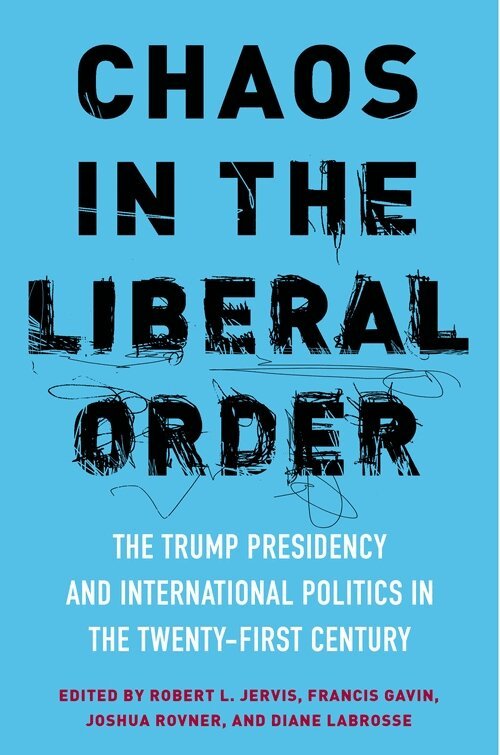
Chaos in the Liberal Order
The Trump Presidency and International Politics in the Twenty-First Century
Inbunden, Engelska, 2018
2 420 kr
Skickas inom 3-6 vardagar
Donald Trump’s election has called into question many fundamental assumptions about politics and society. Should the forty-fifth president of the United States make us reconsider the nature and future of the global order? Collecting a wide range of perspectives from leading political scientists, historians, and international-relations scholars, Chaos in the Liberal Order explores the global trends that led to Trump’s stunning victory and the impact his presidency will have on the international political landscape.Contributors situate Trump among past foreign policy upheavals and enduring models for global governance, seeking to understand how and why he departs from precedents and norms. The book considers key issues, such as what Trump means for America’s role in the world; the relationship between domestic and international politics; and Trump’s place in the rise of the far right worldwide. It poses challenging questions, including: Does Trump’s election signal the downfall of the liberal order or unveil its resilience? What is the importance of individual leaders for the international system, and to what extent is Trump an outlier? Is there a Trump doctrine, or is America’s president fundamentally impulsive and scattershot? The book considers the effects of Trump’s presidency on trends in human rights, international alliances, and regional conflicts. With provocative contributions from prominent figures such as Stephen M. Walt, Andrew J. Bacevich, and Samuel Moyn, this timely collection brings much-needed expert perspectives on our tumultuous era.
Chaos in the Liberal Order
The Trump Presidency and International Politics in the Twenty-First Century
Häftad, Engelska, 2018
321 kr
Skickas inom 7-10 vardagar
Donald Trump’s election has called into question many fundamental assumptions about politics and society. Should the forty-fifth president of the United States make us reconsider the nature and future of the global order? Collecting a wide range of perspectives from leading political scientists, historians, and international-relations scholars, Chaos in the Liberal Order explores the global trends that led to Trump’s stunning victory and the impact his presidency will have on the international political landscape.Contributors situate Trump among past foreign policy upheavals and enduring models for global governance, seeking to understand how and why he departs from precedents and norms. The book considers key issues, such as what Trump means for America’s role in the world; the relationship between domestic and international politics; and Trump’s place in the rise of the far right worldwide. It poses challenging questions, including: Does Trump’s election signal the downfall of the liberal order or unveil its resilience? What is the importance of individual leaders for the international system, and to what extent is Trump an outlier? Is there a Trump doctrine, or is America’s president fundamentally impulsive and scattershot? The book considers the effects of Trump’s presidency on trends in human rights, international alliances, and regional conflicts. With provocative contributions from prominent figures such as Stephen M. Walt, Andrew J. Bacevich, and Samuel Moyn, this timely collection brings much-needed expert perspectives on our tumultuous era.
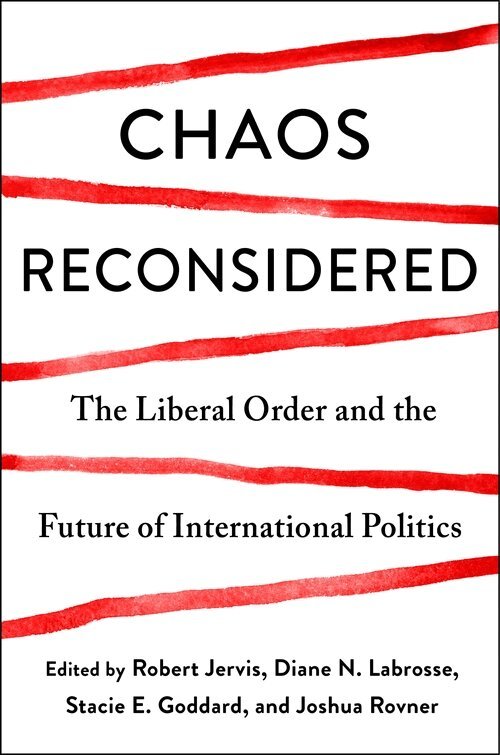
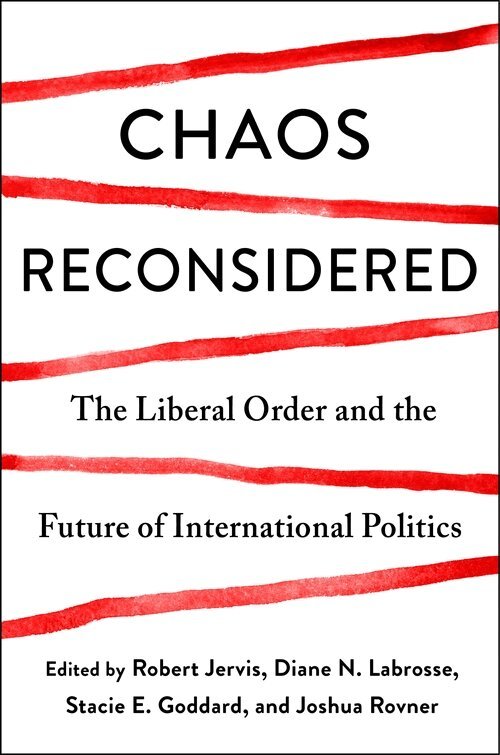
Chaos Reconsidered
The Liberal Order and the Future of International Politics
Inbunden, Engelska, 2023
1 261 kr
Skickas inom 7-10 vardagar
The shock of Donald Trump’s election caused many observers to ask whether the liberal international order—the system of institutions and norms established after World War II—was coming to an end. The victory of Joe Biden, a committed institutionalist, suggested that the liberal order would endure. Even so, important questions remained: Was Trump an aberration? Is Biden struggling in vain against irreparable changes in international politics? What does the future hold for the international order?The essays in Chaos Reconsidered answer those questions. Leading scholars assess the domestic and global effects of the Trump and Biden presidencies. The historians put the Trump years and Biden’s victory in historical context. Regional specialists evaluate U.S. diplomacy in Asia, Europe, Africa, the Middle East, and Latin America. Others foreground topics such as global right-wing populism, the COVID-19 pandemic, racial inequality, and environmental degradation. International relations theorists reconsider the nature of international politics, pointing to deficiencies in traditional IR methods for explaining world events and Trump’s presidency in particular. Together, these experts provide a comprehensive analysis of the state of U.S. alliances and partnerships, the durability of the liberal international order, the standing and reputation of the United States as a global leader, the implications of China’s assertiveness and Russia’s aggression, and the prospects for the Biden administration and its successors.
321 kr
Skickas inom 7-10 vardagar
The shock of Donald Trump’s election caused many observers to ask whether the liberal international order—the system of institutions and norms established after World War II—was coming to an end. The victory of Joe Biden, a committed institutionalist, suggested that the liberal order would endure. Even so, important questions remained: Was Trump an aberration? Is Biden struggling in vain against irreparable changes in international politics? What does the future hold for the international order?The essays in Chaos Reconsidered answer those questions. Leading scholars assess the domestic and global effects of the Trump and Biden presidencies. The historians put the Trump years and Biden’s victory in historical context. Regional specialists evaluate U.S. diplomacy in Asia, Europe, Africa, the Middle East, and Latin America. Others foreground topics such as global right-wing populism, the COVID-19 pandemic, racial inequality, and environmental degradation. International relations theorists reconsider the nature of international politics, pointing to deficiencies in traditional IR methods for explaining world events and Trump’s presidency in particular. Together, these experts provide a comprehensive analysis of the state of U.S. alliances and partnerships, the durability of the liberal international order, the standing and reputation of the United States as a global leader, the implications of China’s assertiveness and Russia’s aggression, and the prospects for the Biden administration and its successors.
511 kr
Skickas inom 10-15 vardagar
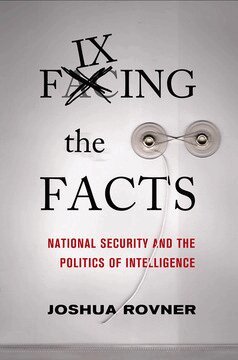
What is the role of intelligence agencies in strategy and policy? How do policymakers use (or misuse) intelligence estimates? When do intelligence-policy relations work best? How do intelligence-policy failures influence threat assessment, military strategy, and foreign policy? These questions are at the heart of recent national security controversies, including the 9/11 attacks and the war in Iraq. In both cases the relationship between intelligence and policy broke down—with disastrous consequences. In Fixing the Facts, Joshua Rovner explores the complex interaction between intelligence and policy and shines a spotlight on the problem of politicization. Major episodes in the history of American foreign policy have been closely tied to the manipulation of intelligence estimates. Rovner describes how the Johnson administration dealt with the intelligence community during the Vietnam War; how President Nixon and President Ford politicized estimates on the Soviet Union; and how pressure from the George W. Bush administration contributed to flawed intelligence on Iraq. He also compares the U.S. case with the British experience between 1998 and 2003, and demonstrates that high-profile government inquiries in both countries were fundamentally wrong about what happened before the war.
386 kr
Skickas inom 10-15 vardagar
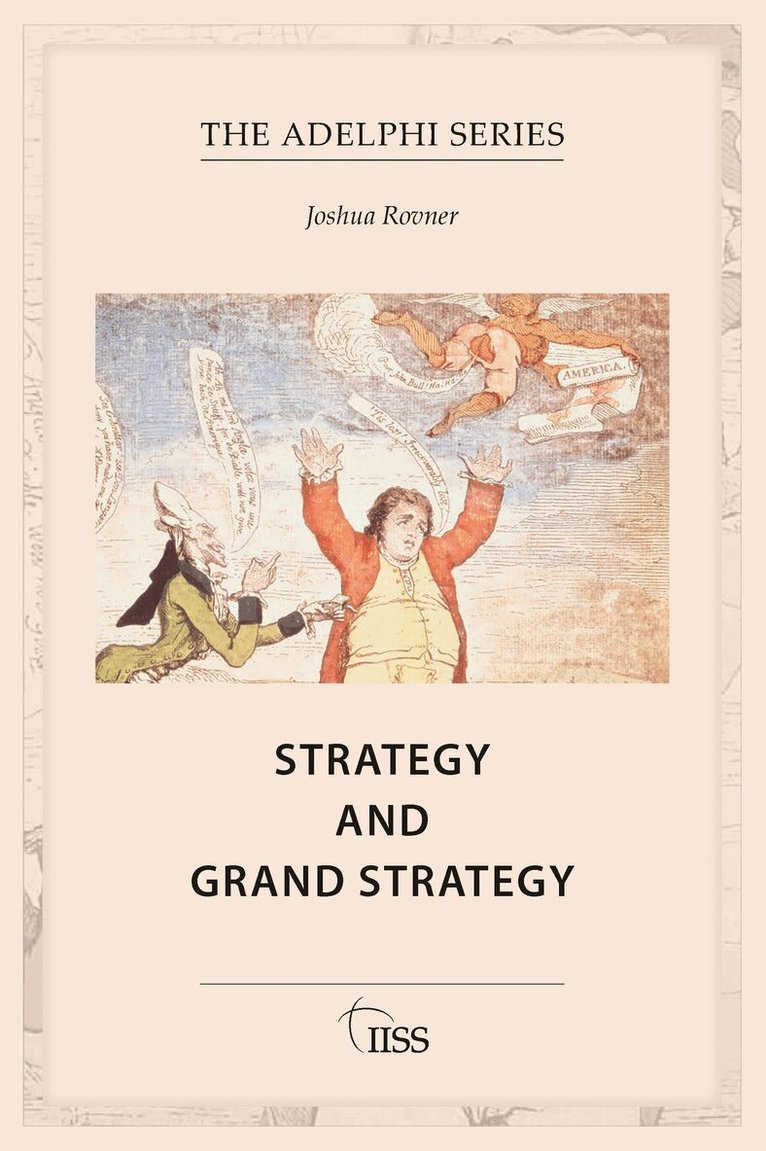
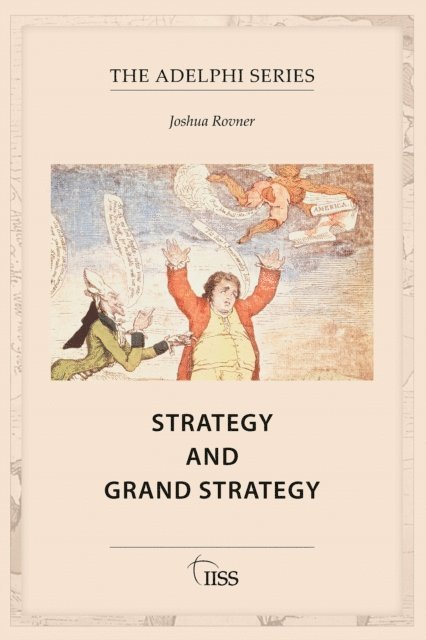
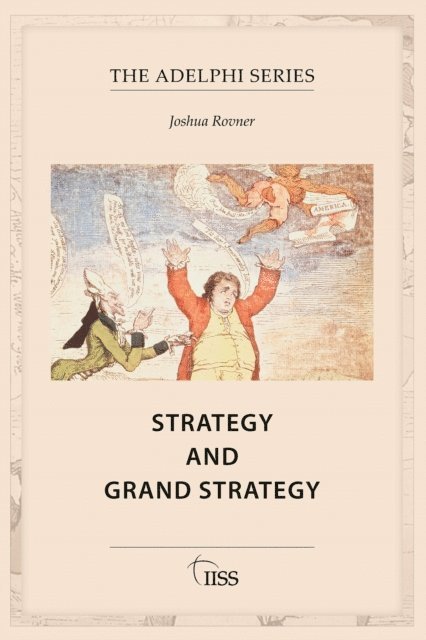
Wartime leaders should understand the link between violent means and political ends. They should also have a sense of how strategic decisions will affect the post-war peace. Yet they often fail to make these connections. Mistaking strategy for grand strategy, or misunderstanding the relationship between them, can frustrate soldiers and statesmen alike. Sometimes it can lead to national ruin. In this Adelphi book, Joshua Rovner offers a lucid analysis of strategy (a theory of victory) and grand strategy (a theory of security). He demonstrates vividly how these concepts interact in case studies from antiquity to the present, and he describes the implications for war and peace at a time of extraordinary technological change. Rovner’s work will prove indispensable to policymakers, scholars and anyone seeking to grasp these essential but often misunderstood concepts.
246 kr
Skickas inom 10-15 vardagar
What is the role of intelligence agencies in strategy and policy? How do policymakers use (or misuse) intelligence estimates? When do intelligence-policy relations work best? How do intelligence-policy failures influence threat assessment, military strategy, and foreign policy? These questions are at the heart of recent national security controversies, including the 9/11 attacks and the war in Iraq. In both cases the relationship between intelligence and policy broke down—with disastrous consequences. In Fixing the Facts, Joshua Rovner explores the complex interaction between intelligence and policy and shines a spotlight on the problem of politicization. Major episodes in the history of American foreign policy have been closely tied to the manipulation of intelligence estimates. Rovner describes how the Johnson administration dealt with the intelligence community during the Vietnam War; how President Nixon and President Ford politicized estimates on the Soviet Union; and how pressure from the George W. Bush administration contributed to flawed intelligence on Iraq. He also compares the U.S. case with the British experience between 1998 and 2003, and demonstrates that high-profile government inquiries in both countries were fundamentally wrong about what happened before the war.
239 kr
Skickas