Julian Droogan - Böcker
Visar alla böcker från författaren Julian Droogan. Handla med fri frakt och snabb leverans.
7 produkter
7 produkter
2 088 kr
Skickas inom 10-15 vardagar
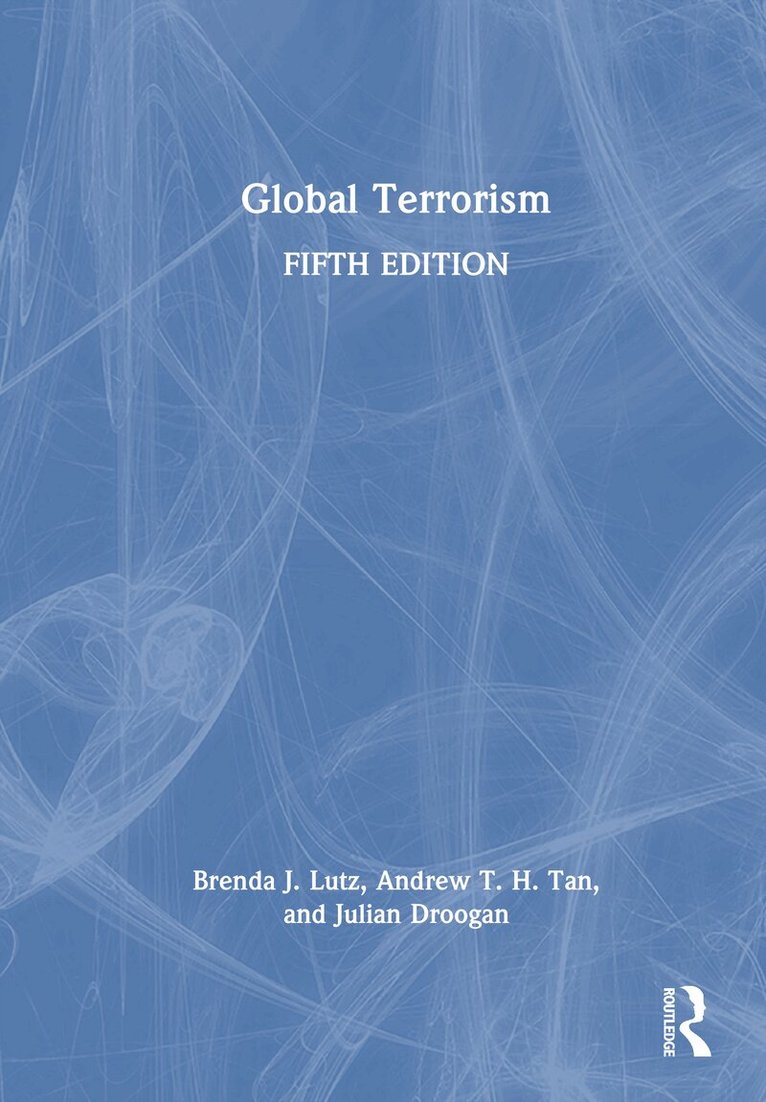
This thoroughly revised and updated edition explores the evolution and persistence of terrorism by examining the core motivations—religious, ethnic, and political—driving violent extremist groups and individuals. Global Terrorism, Fifth Edition, features a variety of comprehensive case studies, and expanded coverage on: The intersection between terrorism and insurgency Modern terrorism financing networks Emerging weapons and tactical innovations, such as the use of drones and online extremism Right-Wing Extremism (RWE) Updated case studies The Hamas–Israel conflict in Gaza Counter-terrorism strategies How terrorism ends By placing contemporary events within broader historical and geopolitical contexts, the authors demonstrate that terrorism is not confined to any single region, ideology, or tactical approach. The book’s flexible structure allows instructors and readers to focus on specific aspects most relevant to their interests. It will be an essential text for upperlevel undergraduate courses in political science, international relations, security studies, peace and conflict studies, and history, and an invaluable resource for anyone seeking to understand the complexity of global terrorism and the challenges it presents to the entire world.
576 kr
Skickas inom 10-15 vardagar
This thoroughly revised and updated edition explores the evolution and persistence of terrorism by examining the core motivations—religious, ethnic, and political—driving violent extremist groups and individuals. Global Terrorism, Fifth Edition, features a variety of comprehensive case studies, and expanded coverage on: The intersection between terrorism and insurgency Modern terrorism financing networks Emerging weapons and tactical innovations, such as the use of drones and online extremism Right-Wing Extremism (RWE) Updated case studies The Hamas–Israel conflict in Gaza Counter-terrorism strategies How terrorism ends By placing contemporary events within broader historical and geopolitical contexts, the authors demonstrate that terrorism is not confined to any single region, ideology, or tactical approach. The book’s flexible structure allows instructors and readers to focus on specific aspects most relevant to their interests. It will be an essential text for upperlevel undergraduate courses in political science, international relations, security studies, peace and conflict studies, and history, and an invaluable resource for anyone seeking to understand the complexity of global terrorism and the challenges it presents to the entire world.
4 039 kr
Kommande
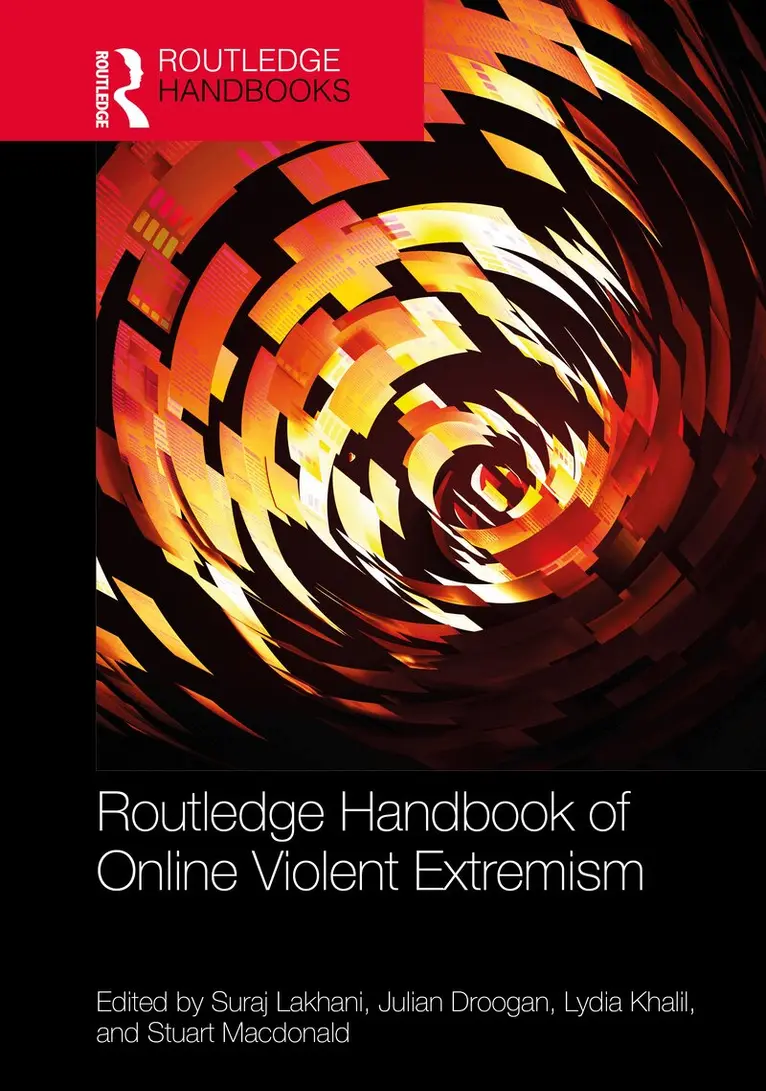
This new Handbook is the first reference work to offer an overview of the problem of online violent extremism and possible solutions to this.The volume provides the reader with perspectives from the emerging multidisciplinary sub-discipline of online violent extremism studies, combining historical context with contemporary case studies. Each chapter demonstrates, through its own lens and subject matter, how the myriads of digital platforms and their affordances, digital infrastructures, and the regulatory environment that sits behind them, continue to shape violent extremism. Written by leading international experts and up-and-coming scholars, the 40 chapters are divided into four thematic sections: Part I, ‘Online Violent Extremism and Regulatory Responses’, begins by providing a conceptual overview of ‘online terrorism’ and ‘online extremism’, examining how the terms terrorism and extremism have been defined and interpreted in the online realm. Part II, ‘Research Design, Methodologies and Ethics’, provides theoretical and practical insights into conducting research in this area. Part III, ‘Online Violent Extremism’, provides an overview of the important platforms, online spaces, and emerging technologies in the field. Finally, Part IV, ‘Ideologies and Actors’, considers historical and contemporarily prominent ideologies, groups, movements, actors, and gender-related issues, examining how they have utilised online spaces and digital technologies.This handbook will be of much interest to students of violent extremism, terrorism studies, criminology, security studies, and others, as well as policymakers, law enforcement and practitioners.
2 088 kr
Skickas inom 10-15 vardagar
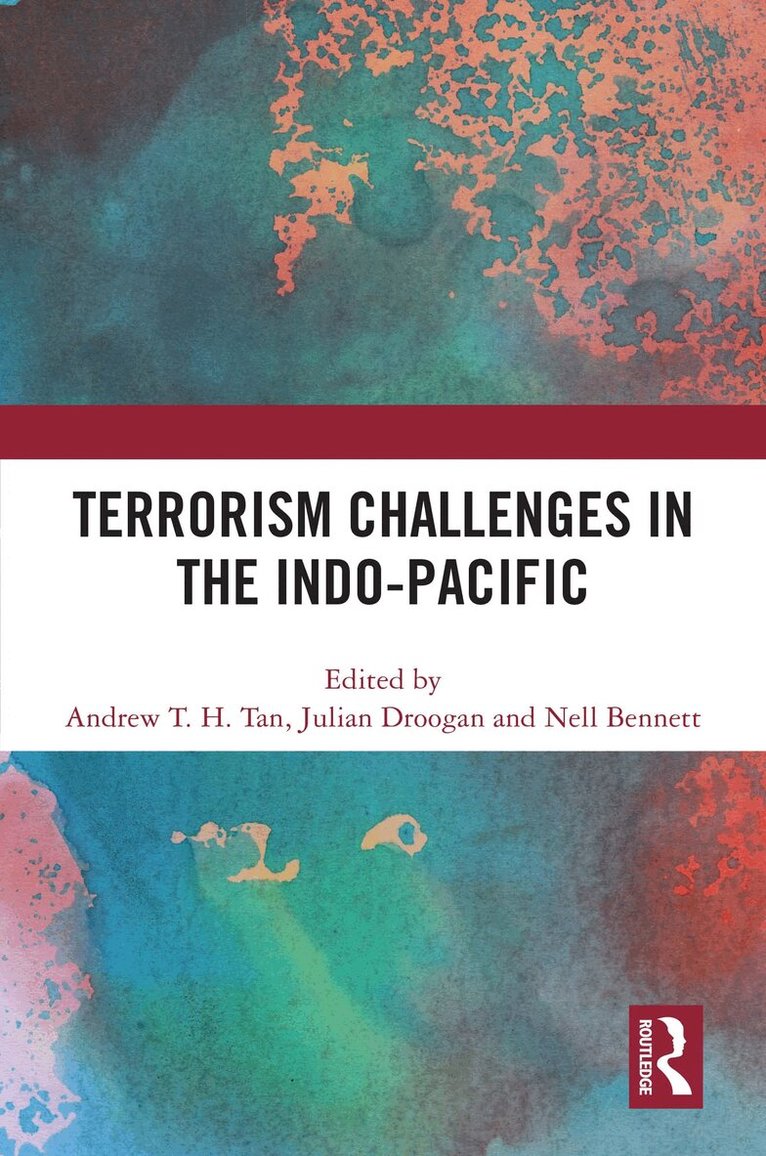
This edited volume focuses on contemporary terrorism challenges that remain serious in the Indo-Pacific region long after the seminal terrorist attacks on 11 September 2001.Since then, the emergence of the new terrorism has been epitomised by rise of radical Islamist terrorist groups such as Al Qaeda and the Islamic State. Through the use of new terrorism techniques and strategies, such movements have been able to transform themselves into worldwide, global jihadist movements. While both Al Qaeda and the Islamic State have suffered greatly from vigorous and sustained global counter-terrorism operations led by the United States, their local affiliates in the Indo-Pacific, as well as other local radical Islamist and non-Islamist groups, have continued to pose serious terrorist challenges in the Indo-Pacific region. While the threat has somewhat abated in recent times in Southeast Asia, the terrorist threat remains very serious in South Asia. The chapters in this book assess the key threats and counter-terrorism responses of South and Southeast Asia to these on-going challenges.This book will be indispensable to students, scholars and policy makers working on Asian Security, Politics, International Relations and the security dynamics of the Indo-Pacific region. The chapters in this issue were originally published as a special issue of Journal of Policing, Intelligence and Counter Terrorism.
234 kr
Skickas inom 7-10 vardagar
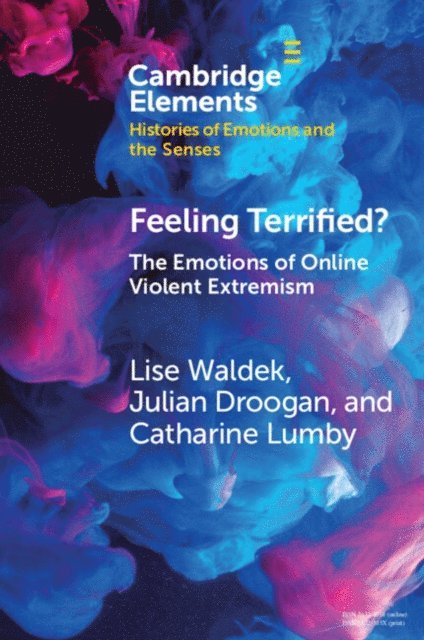
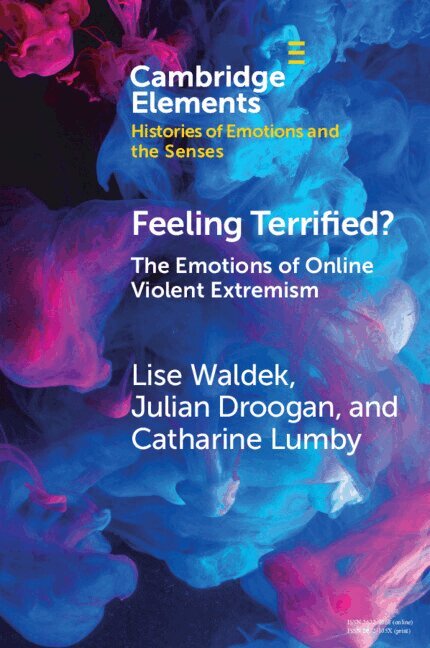
This Element presents original research into how young people interact with violent extremist material, including terrorist propaganda, when online. It explores a series of emotional and behavioural responses that challenge assumptions that terror or trauma are the primary emotional responses to these online environments. It situates young people's emotional responses within a social framework, revealing them to have a relatively sophisticated relationship with violent extremism on social media that challenges simplistic concerns about processes of radicalisation. The Element draws on four years of research, including quantitative surveys and qualitative focus groups with young people, and presents a unique perspective drawn from young people's experiences.
1 833 kr
Skickas inom 10-15 vardagar
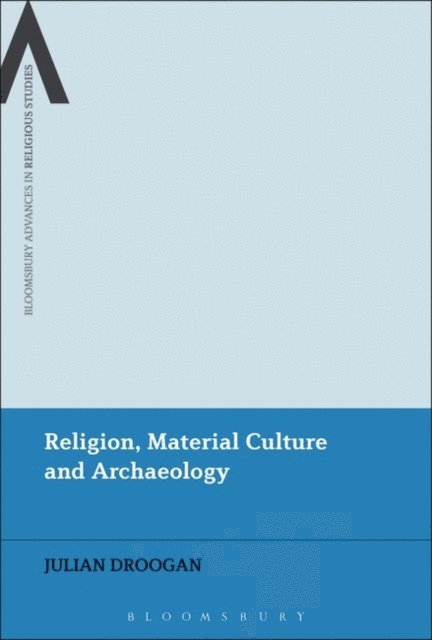
Religion, Material Culture and Archaeology offers a new understanding of the materiality of religion. By drawing on the field of archaeological theory and method, the relationship between religion and material culture is explored. It is argued that the material elements of religious life have been largely neglected by the discipline of religious studies, while at the same time religion has been traditionally seen as problematic for archaeologists. Why do we not talk of the discipline of the archaeology of religion, in the same way we do the anthropology of religion, or the sociology of religion?The volume considers the historical problems of approaching the material elements of religious life and bridges the methodological gap between religious studies and archaeology by proposing a new way of understanding the materiality of religion – as active, engaged and projecting a level of autonomous social agency. Finally, the critical examination of archaeological approaches to the materiality of religion is furthered through the consideration of non-archaeological ways of examining the social roles that material culture plays in human life.
528 kr
Skickas inom 10-15 vardagar
Religion, Material Culture and Archaeology offers a new understanding of the materiality of religion. By drawing on the field of archaeological theory and method, the relationship between religion and material culture is explored. It is argued that the material elements of religious life have been largely neglected by the discipline of religious studies, while at the same time religion has been traditionally seen as problematic for archaeologists. Why do we not talk of the discipline of the archaeology of religion, in the same way we do the anthropology of religion, or the sociology of religion?The volume considers the historical problems of approaching the material elements of religious life and bridges the methodological gap between religious studies and archaeology by proposing a new way of understanding the materiality of religion – as active, engaged and projecting a level of autonomous social agency. Finally, the critical examination of archaeological approaches to the materiality of religion is furthered through the consideration of non-archaeological ways of examining the social roles that material culture plays in human life.