Nell Bennett – författare
1 459 kr
Skickas inom 3-6 vardagar
709 kr
Skickas inom 3-6 vardagar
2 042 kr
Skickas inom 10-15 vardagar
652 kr
Skickas inom 10-15 vardagar
2 182 kr
Skickas inom 10-15 vardagar
665 kr
Kommande
891 kr
Läs direkt efter köp
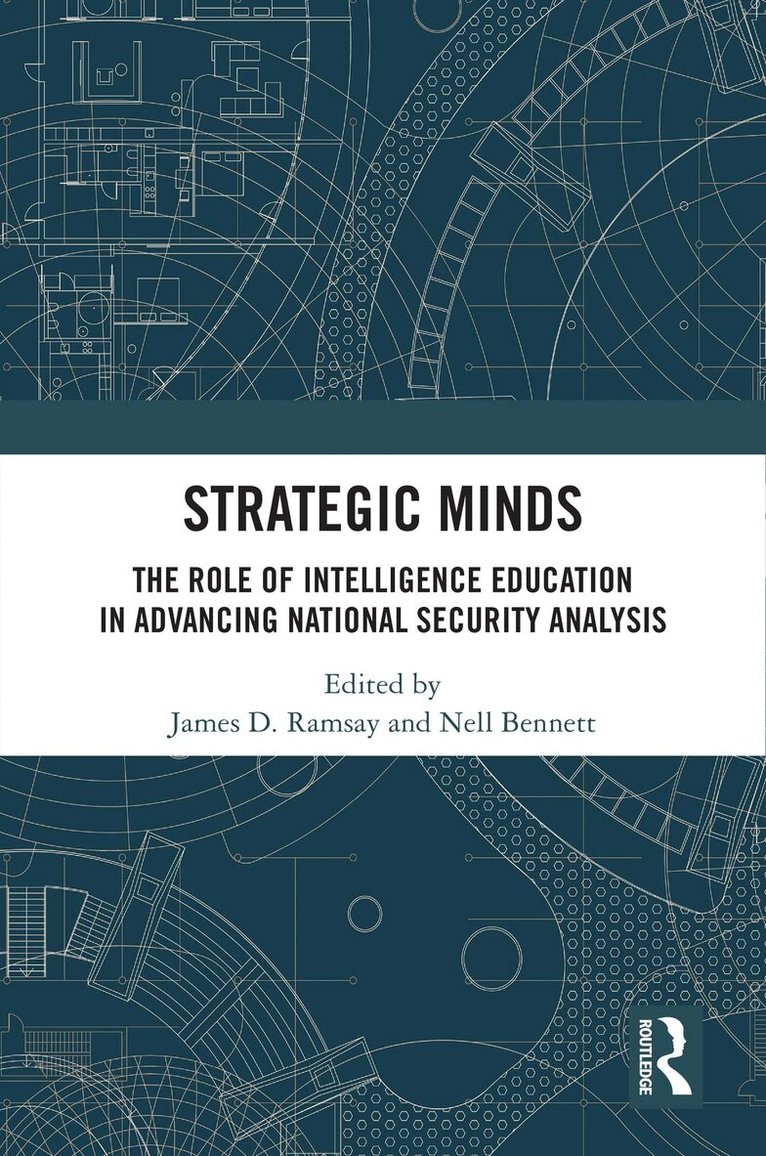
This unique book captures state of the art thinking and methodologies designed to advance intelligence education to produce a capable and qualified intelligence workforce.
Intelligence is evolving because it must keep pace with the many wicked threats that face open democracies. Public health threats such as the COVID-19 pandemic, threats emanating from regional instabilities from climate change, cyber-based threats from artificial intelligence, and the spread of disinformation have all shown how traditional intelligence education must evolve. Tomorrow’s workforce simply needs better education and training – which arguably are better provided by institutions of higher education that have the capacity and time to do it appropriately. While some “on the job” training will always be required, and while the profession will always need specialists in linguistics, engineering, sociology, international relations, religious studies, and the like, it is increasingly obvious that the role of a degree in intelligence studies has never been more important to the intelligence community, and by extension, to the peace and civility of the world. Put simply, intelligence education is critical to preserving democracy.
This book will be of great interest to all students, scholars and practitioners of intelligence studies, data science literacy and machine learning, ethics, security studies, foreign policy and international relations. The chapters in this book were originally published as a special issue of Journal of Policing, Intelligence and Counter Terrorism.
883 kr
Läs direkt efter köp
This unique book captures state of the art thinking and methodologies designed to advance intelligence education to produce a capable and qualified intelligence workforce.
Intelligence is evolving because it must keep pace with the many wicked threats that face open democracies. Public health threats such as the COVID-19 pandemic, threats emanating from regional instabilities from climate change, cyber-based threats from artificial intelligence, and the spread of disinformation have all shown how traditional intelligence education must evolve. Tomorrow’s workforce simply needs better education and training – which arguably are better provided by institutions of higher education that have the capacity and time to do it appropriately. While some “on the job” training will always be required, and while the profession will always need specialists in linguistics, engineering, sociology, international relations, religious studies, and the like, it is increasingly obvious that the role of a degree in intelligence studies has never been more important to the intelligence community, and by extension, to the peace and civility of the world. Put simply, intelligence education is critical to preserving democracy.
This book will be of great interest to all students, scholars and practitioners of intelligence studies, data science literacy and machine learning, ethics, security studies, foreign policy and international relations. The chapters in this book were originally published as a special issue of Journal of Policing, Intelligence and Counter Terrorism.
883 kr
Läs direkt efter köp
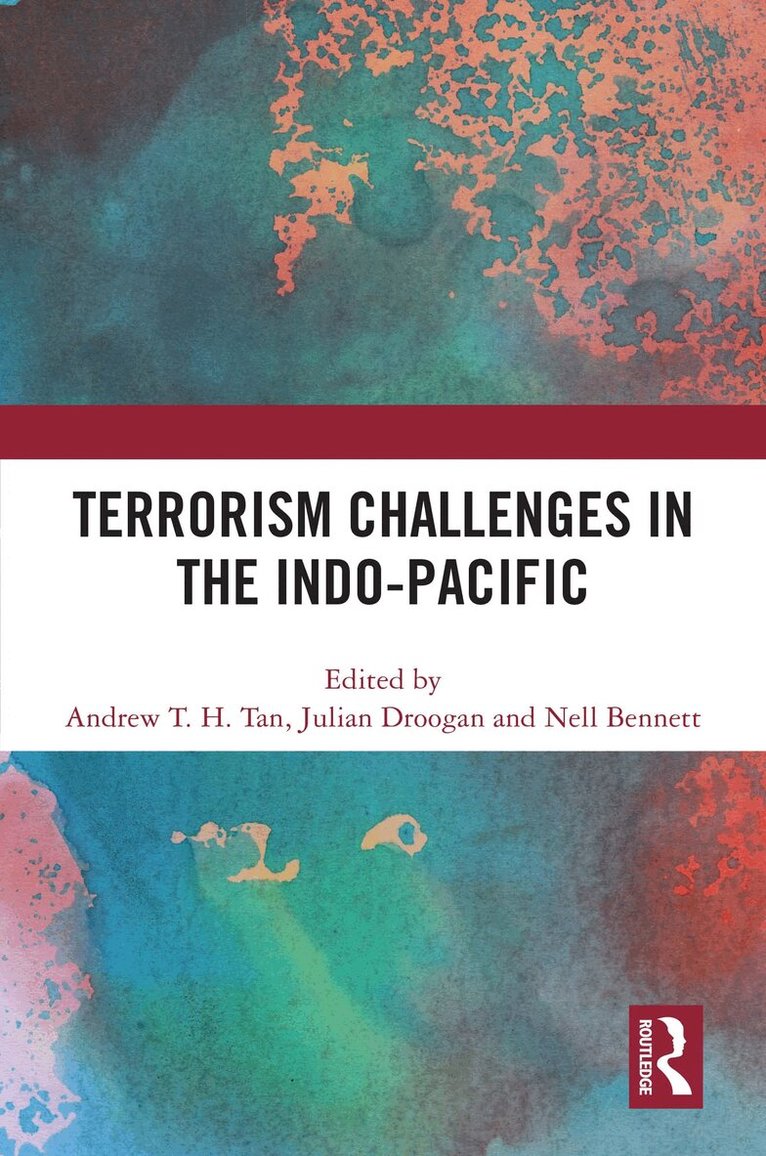
This edited volume focuses on contemporary terrorism challenges that remain serious in the Indo-Pacific region long after the seminal terrorist attacks on 11 September 2001.
Since then, the emergence of the new terrorism has been epitomised by rise of radical Islamist terrorist groups such as Al Qaeda and the Islamic State. Through the use of new terrorism techniques and strategies, such movements have been able to transform themselves into worldwide, global jihadist movements. While both Al Qaeda and the Islamic State have suffered greatly from vigorous and sustained global counter-terrorism operations led by the United States, their local affiliates in the Indo-Pacific, as well as other local radical Islamist and non-Islamist groups, have continued to pose serious terrorist challenges in the Indo-Pacific region. While the threat has somewhat abated in recent times in Southeast Asia, the terrorist threat remains very serious in South Asia. The chapters in this book assess the key threats and counter-terrorism responses of South and Southeast Asia to these on-going challenges.
This book will be indispensable to students, scholars and policy makers working on Asian Security, Politics, International Relations and the security dynamics of the Indo-Pacific region. The chapters in this issue were originally published as a special issue of Journal of Policing, Intelligence and Counter Terrorism.
883 kr
Läs direkt efter köp
This edited volume focuses on contemporary terrorism challenges that remain serious in the Indo-Pacific region long after the seminal terrorist attacks on 11 September 2001.
Since then, the emergence of the new terrorism has been epitomised by rise of radical Islamist terrorist groups such as Al Qaeda and the Islamic State. Through the use of new terrorism techniques and strategies, such movements have been able to transform themselves into worldwide, global jihadist movements. While both Al Qaeda and the Islamic State have suffered greatly from vigorous and sustained global counter-terrorism operations led by the United States, their local affiliates in the Indo-Pacific, as well as other local radical Islamist and non-Islamist groups, have continued to pose serious terrorist challenges in the Indo-Pacific region. While the threat has somewhat abated in recent times in Southeast Asia, the terrorist threat remains very serious in South Asia. The chapters in this book assess the key threats and counter-terrorism responses of South and Southeast Asia to these on-going challenges.
This book will be indispensable to students, scholars and policy makers working on Asian Security, Politics, International Relations and the security dynamics of the Indo-Pacific region. The chapters in this issue were originally published as a special issue of Journal of Policing, Intelligence and Counter Terrorism.
178 kr
Skickas
150 kr
Skickas inom 5-8 vardagar
32 kr
Läs direkt efter köp
A beautifully illustrated guide to the marvellous and varied world of trees, and a fascinating introduction to the hidden secrets of 52 British species. Botanist and ecologist Ros Bennett has spent a lifetime helping people understand and identify plants and always hoped her daughter Nell would grow up to share her love of the natural world.During Nell''s childhood years they spent much time exploring the local woods together. Here, Nell discovered the visual and tactile beauty of trees.In Tree-spotting, Ros and Nell have combined their backgrounds and talents to show you – through Ros''s extensive experience and Nell''s exquisite illustrations – how to identify 52 British trees simply and confidently.A beautiful and captivating insight into the wonderful world of trees, Tree-spotting burrows down into the history and hidden secrets of each species. It explores how our relationship with trees can be very personal, and will bring you closer to the natural world around you.