Juliette Harrisson - Böcker
Visar alla böcker från författaren Juliette Harrisson. Handla med fri frakt och snabb leverans.
11 produkter
11 produkter
631 kr
Skickas inom 10-15 vardagar
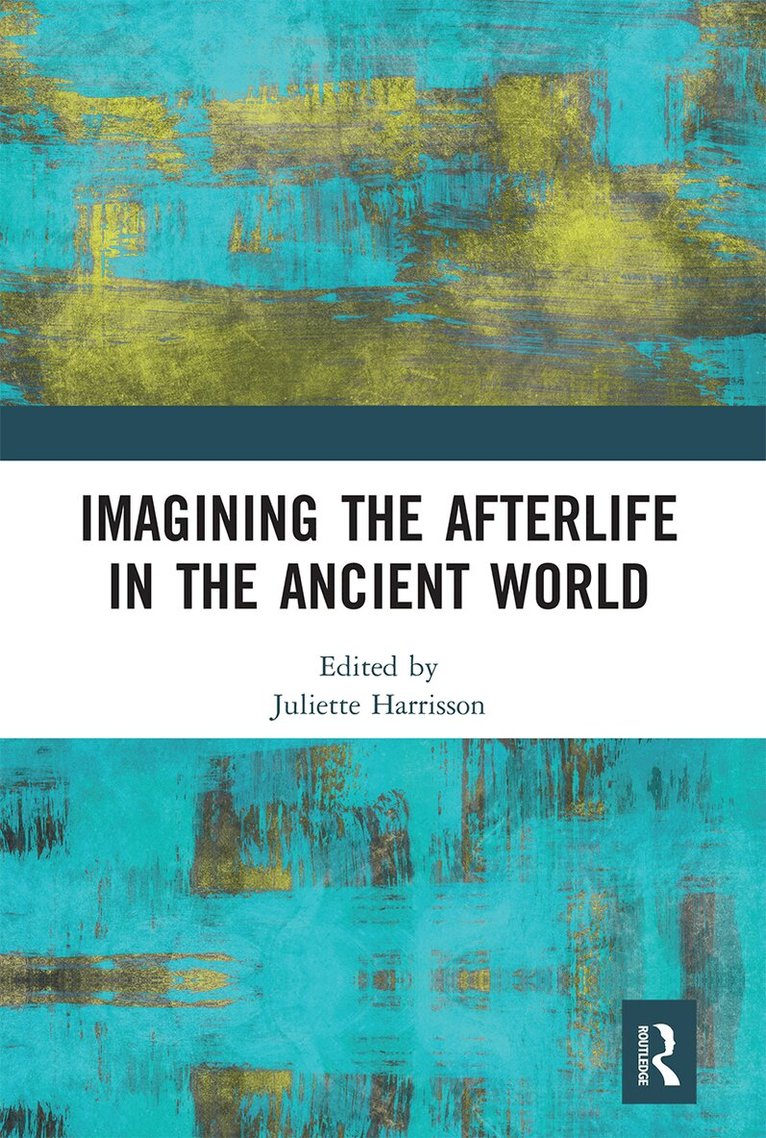
Human beings have speculated about whether or not there is life after death, and if so, what form that life might take, for centuries. What did people in the ancient world think the next life would hold, and did they imagine there was a chance for a relationship between the living and the dead? How did people in the ancient world keep their dead loved ones alive through memory, and were they afraid the dead might return and haunt the living in another form? What sort of afterlife did the ancient Greeks and Romans imagine for themselves? This volume explores these questions and more.While individual representations of the afterlife have often been examined, few studies have taken a more general view of ideas about the afterlife circulating in the ancient world. By drawing together current research from international scholars on archaeological evidence for afterlife belief, chiefly from funerary sites, together with studies of works of literature, this volume provides a broader overview of ancient ideas about the afterlife than has so far been available.Imagining the Afterlife in the Ancient World explores these key questions through a series of wide-ranging studies, taking in ghosts, demons, dreams, cosmology, and the mutilation of corpses along the way, offering a valuable resource to those studying all aspects of death in the ancient world
188 kr
Skickas inom 5-8 vardagar
2 088 kr
Skickas inom 10-15 vardagar
Human beings have speculated about whether or not there is life after death, and if so, what form that life might take, for centuries. What did people in the ancient world think the next life would hold, and did they imagine there was a chance for a relationship between the living and the dead? How did people in the ancient world keep their dead loved ones alive through memory, and were they afraid the dead might return and haunt the living in another form? What sort of afterlife did the ancient Greeks and Romans imagine for themselves? This volume explores these questions and more.While individual representations of the afterlife have often been examined, few studies have taken a more general view of ideas about the afterlife circulating in the ancient world. By drawing together current research from international scholars on archaeological evidence for afterlife belief, chiefly from funerary sites, together with studies of works of literature, this volume provides a broader overview of ancient ideas about the afterlife than has so far been available.Imagining the Afterlife in the Ancient World explores these key questions through a series of wide-ranging studies, taking in ghosts, demons, dreams, cosmology, and the mutilation of corpses along the way, offering a valuable resource to those studying all aspects of death in the ancient world
1 245 kr
Skickas inom 10-15 vardagar
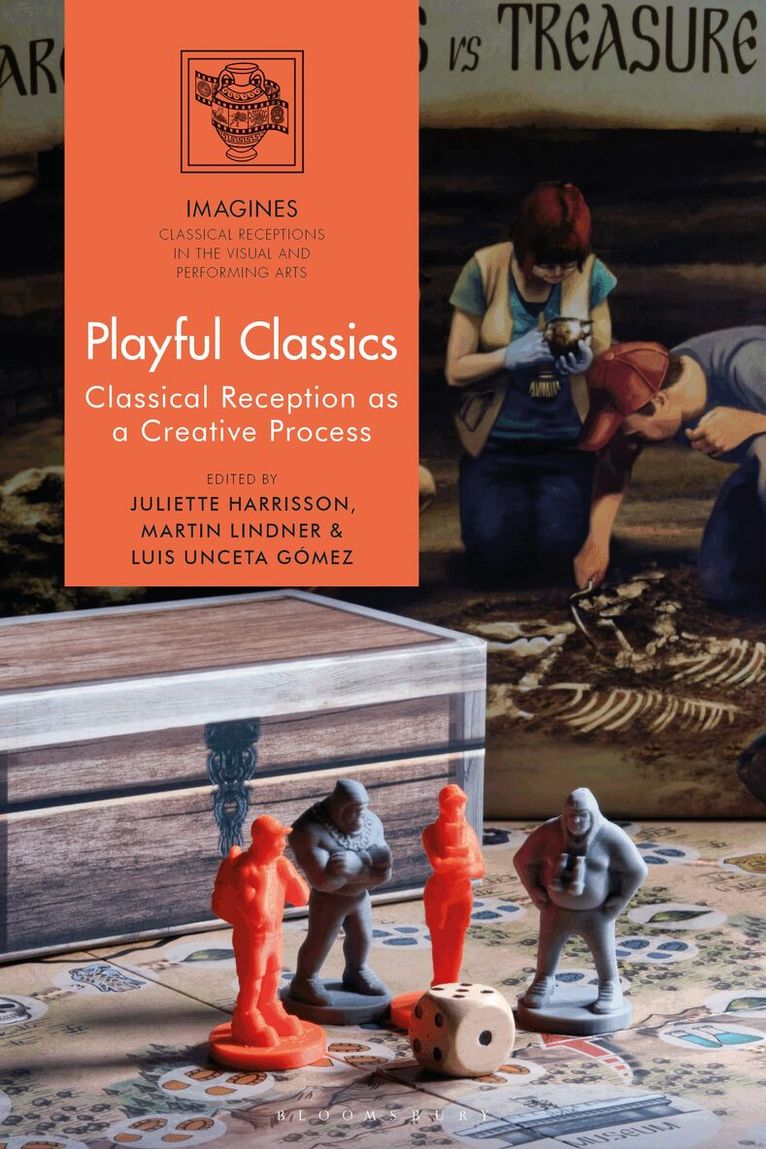
This is the first book to deal exclusively with ludic interactions with classical antiquity – an understudied research area within classical reception studies – that can shed light on current processes of construction and appropriation of the Greco-Roman world. Classical antiquity has, for many years, been sold as a product and consumed in a wide variety of forms of entertainment. As a result, games, playing and playful experiences are a privileged space for the reception of antiquity. Through the medium of games, players, performers and audiences are put into direct contact with the classical past, and encouraged to experience it in a participative, creative and subjective fashion.The chapters in this volume, written by scholars and practitioners, cover a variety of topics and cultural artefacts including toys, board games and video games, as well as immersive experiences such as museums, theme parks and toga parties. The contributors tackle contemporary ludic practices and several papers establish a dialogue between artists and scholars, contrasting and harmonising their different approaches to the role of playfulness. Other chapters explore the educational potential of these manifestations, or their mediating role in shaping our conceptions of ancient Greece and Rome. Altogether, this edited collection is the first to offer a comprehensive overview of the ways we can play with antiquity.
530 kr
Kommande
This is the first book to deal exclusively with ludic interactions with classical antiquity – an understudied research area within classical reception studies – that can shed light on current processes of construction and appropriation of the Greco-Roman world. Classical antiquity has, for many years, been sold as a product and consumed in a wide variety of forms of entertainment. As a result, games, playing and playful experiences are a privileged space for the reception of antiquity. Through the medium of games, players, performers and audiences are put into direct contact with the classical past, and encouraged to experience it in a participative, creative and subjective fashion.The chapters in this volume, written by scholars and practitioners, cover a variety of topics and cultural artefacts including toys, board games and video games, as well as immersive experiences such as museums, theme parks and toga parties. The contributors tackle contemporary ludic practices and several papers establish a dialogue between artists and scholars, contrasting and harmonising their different approaches to the role of playfulness. Other chapters explore the educational potential of these manifestations, or their mediating role in shaping our conceptions of ancient Greece and Rome. Altogether, this edited collection is the first to offer a comprehensive overview of the ways we can play with antiquity.
1 964 kr
Skickas inom 10-15 vardagar
This title deals with the role of memory in shaping religion in the ancient cities of Mesopotamia, Egypt, Greece and Rome. This volume brings together scholars and researchers working on memory and religion in ancient urban environments. Chapters explore topics relating to religious traditions and memory, and the multifunctional roles of architectural and geographical sites, mythical figures and events, literary works and artefacts. Pagan religions were often less static and more open to new influences than previously understood. One of the factors that shape religion is how fundamental elements are remembered as valuable and therefore preservable for future generations. Memory, therefore, plays a pivotal role when - as seen in ancient Rome during late antiquity - a shift of religions takes place within communities. The significance of memory in ancient societies and how it was promoted, prompted, contested and even destroyed is discussed in detail.This volume, the first of its kind, will not only address the main cultures of the ancient world - Mesopotamia, Egypt, Greece and Rome - but also look at urban religious culture and funerary belief, and how concepts of ethnic religion were adapted in new religious environments.
2 108 kr
Skickas inom 10-15 vardagar
The history and literature of the Roman Empire is full of reports of dream prophecies, dream ghosts and dream gods. This volume offers a fresh approach to the study of ancient dreams by asking not what the ancients dreamed or how they experienced dreaming, but why the Romans considered dreams to be important and worthy of recording. Dream reports from historical and imaginative literature from the high point of the Roman Empire (the first two centuries AD) are analysed as objects of cultural memory, records of events of cultural significance that contribute to the formation of a group's cultural identity. The book also introduces the term ‘cultural imagination', as a tool for thinking about ancient myth and religion, and avoiding the question of ‘belief', which arises mainly from creed-based religions. The book's conclusion compares dream reports in the Classical world with modern attitudes towards dreams and dreaming, identifying distinctive features of both the world of the Romans and our own culture.
528 kr
Skickas inom 10-15 vardagar
Memory and Urban Religion in the Ancient World brings together scholars and researchers working on memory and religion in ancient urban environments. Chapters explore topics relating to religious traditions and memory, and the multifunctional roles of architectural and geographical sites, mythical figures and events, literary works and artefacts. Pagan religions were often less static and more open to new influences than previously understood. One of the factors that shape religion is how fundamental elements are remembered as valuable and therefore preservable for future generations. Memory, therefore, plays a pivotal role when - as seen in ancient Rome during late antiquity - a shift of religions takes place within communities. The significance of memory in ancient societies and how it was promoted, prompted, contested and even destroyed is discussed in detail. This volume, the first of its kind, not only addresses the main cultures of the ancient world - Mesopotamia, Egypt, Greece and Rome - but also looks at urban religious culture and funerary belief, and how concepts of ethnic religion were adapted in new religious environments.
544 kr
Skickas inom 10-15 vardagar
The history and literature of the Roman Empire is full of reports of dream prophecies, dream ghosts and dream gods. This volume offers a fresh approach to the study of ancient dreams by asking not what the ancients dreamed or how they experienced dreaming, but why the Romans considered dreams to be important and worthy of recording. Dream reports from historical and imaginative literature from the high point of the Roman Empire (the first two centuries AD) are analysed as objects of cultural memory, records of events of cultural significance that contribute to the formation of a group's cultural identity. The book also introduces the term ‘cultural imagination', as a tool for thinking about ancient myth and religion, and avoiding the question of ‘belief', which arises mainly from creed-based religions. The book's conclusion compares dream reports in the Classical world with modern attitudes towards dreams and dreaming, identifying distinctive features of both the world of the Romans and our own culture.
173 kr
Skickas inom 5-8 vardagar
179 kr
Skickas inom 5-8 vardagar