Jung H. Han – författare
Visar alla böcker från författaren Jung H. Han. Handla med fri frakt och snabb leverans.
13 produkter
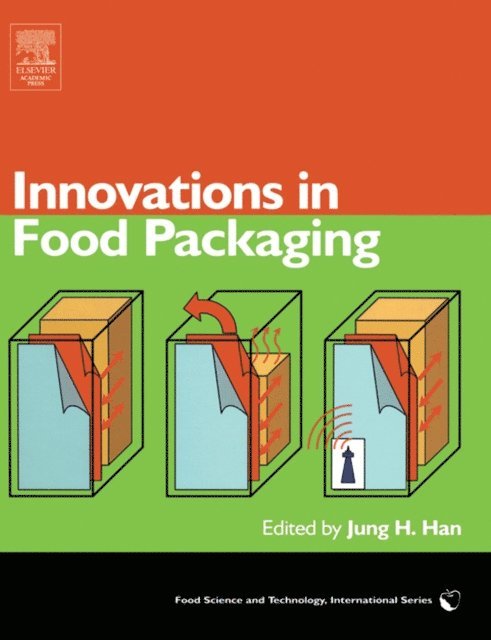
Innovations in Food Packaging
Av Jung H. Han
E-bok, 2005
1993 kr
Lägg i varukorg
Innovations in Food Packaging addresses selective topics of functions of food packaging to modify the traditional notion of this process. This book is organized into five parts. Part I focuses on the fundamental theories covering physical chemistry background and quality preservation of foods. …
Innovations in Food Packaging
Av Jung H. Han
Inbunden, 2013
1778 kr
Lägg i varukorg
This new edition of Innovations in Food Packaging ensures that readers have the most current information on food packaging options, including active packaging, intelligent packaging, edible/biodegradable packaging, nanocomposites and other options for package design. Today's packaging not only …
Innovations in Food Packaging
Av Jung H. Han
E-bok, 2013
2036 kr
Lägg i varukorg
This new edition of Innovations in Food Packaging ensures that readers have the most current information on food packaging options, including active packaging, intelligent packaging, edible/biodegradable packaging, nanocomposites and other options for package design.Today''s packaging not only …
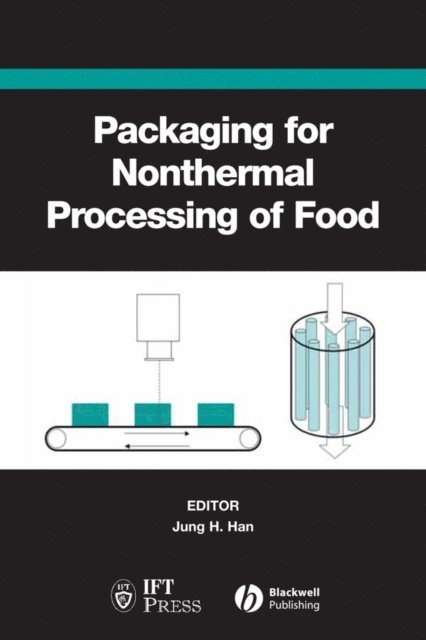
Packaging for Nonthermal Processing of Food
Av Jung H. Han
E-bok, 2008
3161 kr
Lägg i varukorg
A number of novel thermal and nonthermal processing methods are in active research and development in industry, academic and government laboratories. A key step that needs to be addressed is how to best package commodities processed by high pressure, pulsed electric fields, UV, irradiation, …
Modified Atmosphere Packaging for Fresh-Cut Fruits and Vegetables
Av Jung H. Han, Hong Zhuang m. fl.
E-bok, 2010
3405 kr
Lägg i varukorg
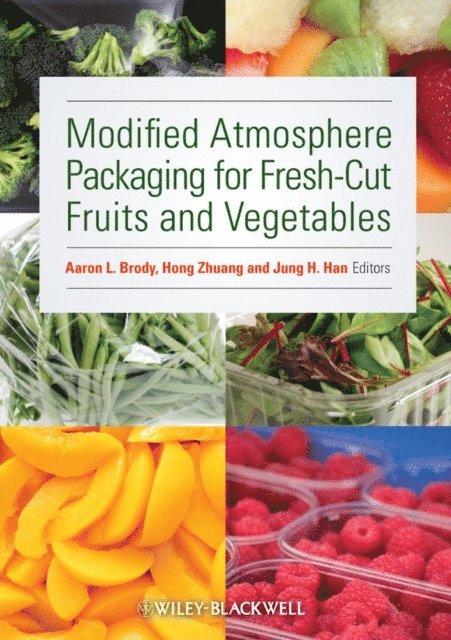
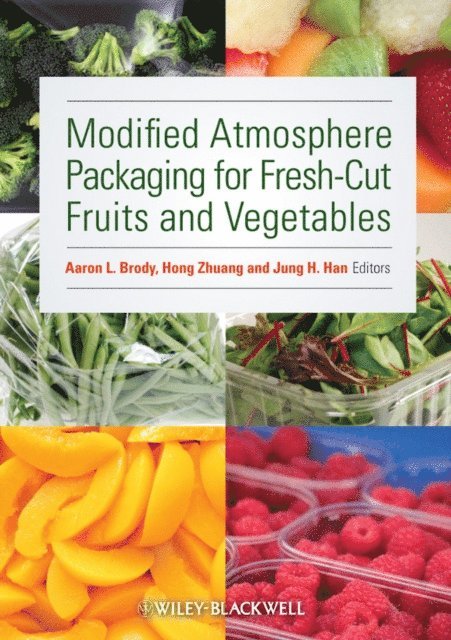
Modified Atmosphere Packaging for Fresh-cut Fruits and Vegetables provides comprehensive coverage of all aspects of modern MAP technologies for fresh-cut fruits and vegetables. Coverage begins with the general MAP concept and application by introducing the concept of MAP, how MAP works for …
Modified Atmosphere Packaging for Fresh-Cut Fruits and Vegetables
Av Jung H. Han, Hong Zhuang m. fl.
E-bok, 2010
3373 kr
Lägg i varukorg
Modified Atmosphere Packaging for Fresh-cut Fruits and Vegetables provides comprehensive coverage of all aspects of modern MAP technologies for fresh-cut fruits and vegetables. Coverage begins with the general MAP concept and application by introducing the concept of MAP, how MAP works for …
Modified Atmosphere Packaging for Fresh-Cut Fruits and Vegetables
Av Aaron L. Brody, Hong Zhuang m. fl.
Inbunden, 2011
2958 kr
Lägg i varukorg
Modified Atmosphere Packaging for Fresh-cut Fruits and Vegetables provides comprehensive coverage of all aspects of modern MAP technologies for fresh-cut fruits and vegetables. Coverage begins with the general MAP concept and application by introducing the concept of MAP, how MAP works for …
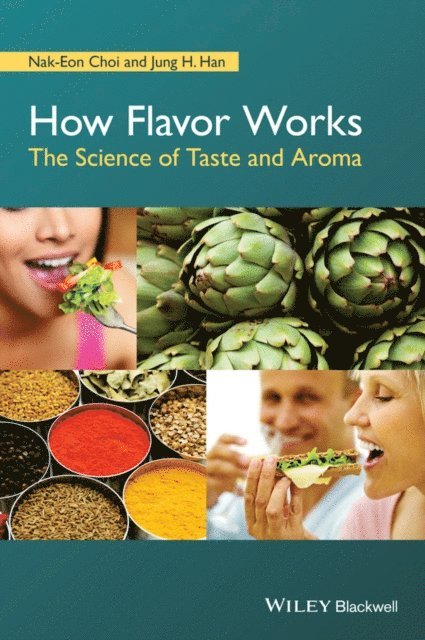
How Flavor Works
The Science of Taste and Aroma
E-bok, 2014
1173 kr
Lägg i varukorg
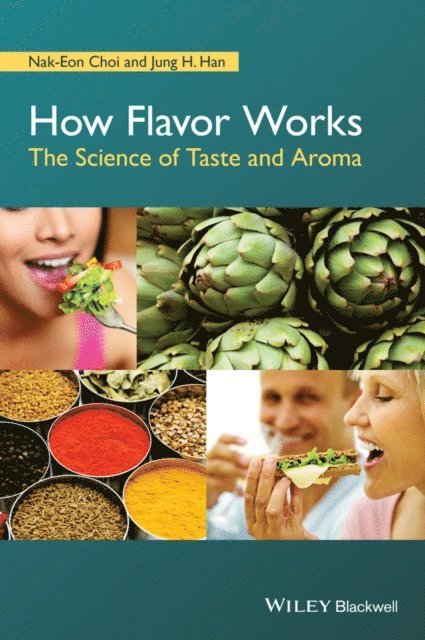
Taste is the number one driving force in the decision to purchase a food product and food consumption is the most critical function for living organisms to obtain the energy and resources essential to their vitality. Flavor and aroma are therefore universally important concepts: intrinsic to human …
How Flavor Works
The Science of Taste and Aroma
E-bok, 2014
1148 kr
Lägg i varukorg
Taste is the number one driving force in the decision to purchase a food product and food consumption is the most critical function for living organisms to obtain the energy and resources essential to their vitality. Flavor and aroma are therefore universally important concepts: intrinsic to human …
How Flavor Works
The Science of Taste and Aroma
Häftad, 2015
1257 kr
Lägg i varukorg
Taste is the number one driving force in the decision to purchase a food product and food consumption is the most critical function for living organisms to obtain the energy and resources essential to their vitality. Flavor and aroma are therefore universally important concepts: intrinsic to human …
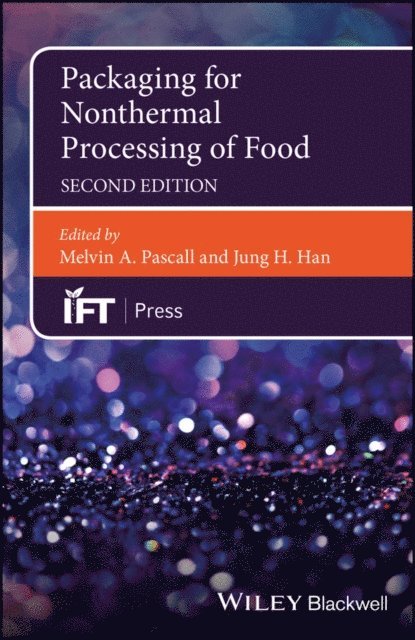
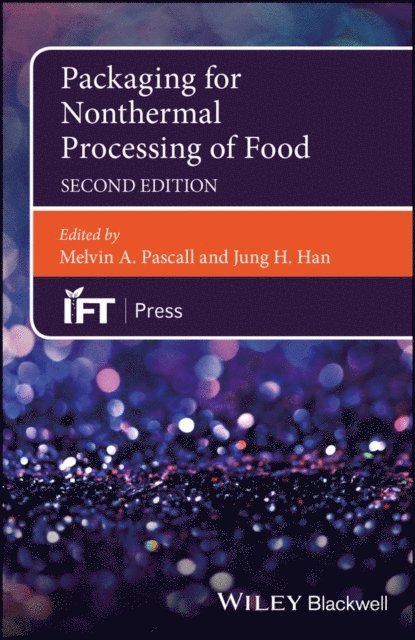
Packaging for Nonthermal Processing of Food
Av Melvin A. Pascall, Jung H. Han
Inbunden, 2018
2430 kr
Lägg i varukorg
A comprehensive review of the many new developments in the growing food processing and packaging fieldRevised and updated for the first time in a decade, this book discusses packaging implications for recent nonthermal processing technologies and mild food preservation such as high pressure …
Packaging for Nonthermal Processing of Food
Av Jung H. Han, Melvin A. Pascall
E-bok, 2018
2770 kr
Lägg i varukorg
A comprehensive review of the many new developments in the growing food processing and packaging field Revised and updated for the first time in a decade, this book discusses packaging implications for recent nonthermal processing technologies and mild food preservation such as high pressure …
Packaging for Nonthermal Processing of Food
Av Jung H. Han, Melvin A. Pascall
E-bok, 2018
2770 kr
Lägg i varukorg
A comprehensive review of the many new developments in the growing food processing and packaging field Revised and updated for the first time in a decade, this book discusses packaging implications for recent nonthermal processing technologies and mild food preservation such as high pressure …