Justyna Żywiołek – författare
Visar alla böcker från författaren Justyna Żywiołek. Handla med fri frakt och snabb leverans.
16 produkter
16 produkter
Inbunden, Engelska, 2023
1 805 kr
Skickas inom 10-15 vardagar
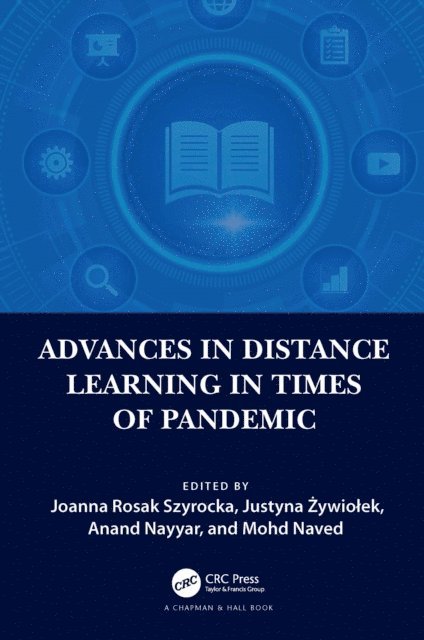
The book Advances in Distance Learning in Times of Pandemic is devoted to the issues and challenges faced by universities in the field of distance learning in COVID-19 times. It covers both the theoretical and practical aspects connected to distance education. It elaborates on issues regarding distance learning, its challenges, assessment by students and their expectations, the use of tools to improve distance learning, and the functioning of e-learning in the industry 4.0 and society 5.0 eras. The book also devotes a lot of space to the issues of Web 3.0 in university e-learning, quality assurance, and knowledge management. The aim and scope of this book is to draw a holistic picture of ongoing online teaching-activities before and during the lockdown period and present the meaning and future of e-learning from students’ points of view, taking into consideration their attitudes and expectations as well as industry 4.0 and society 5.0 aspects. The book presents the approach to distance learning and how it has changed, especially during a pandemic that revolutionized education. It highlights • the function of online education and how that has changed before and during the pandemic. • how e-learning is beneficial in promoting digital citizenship. • distance learning characteristic in the era of industry 4.0 and society 5.0. • how the era of industry 4.0 treats distance learning as a desirable form of education. The book covers both scientific and educational aspects and can be useful for university-level undergraduate, postgraduate and research-grade courses and can be referred to by anyone interested in exploring the diverse aspects of distance learning.
Häftad, Engelska, 2024
671 kr
Skickas inom 10-15 vardagar
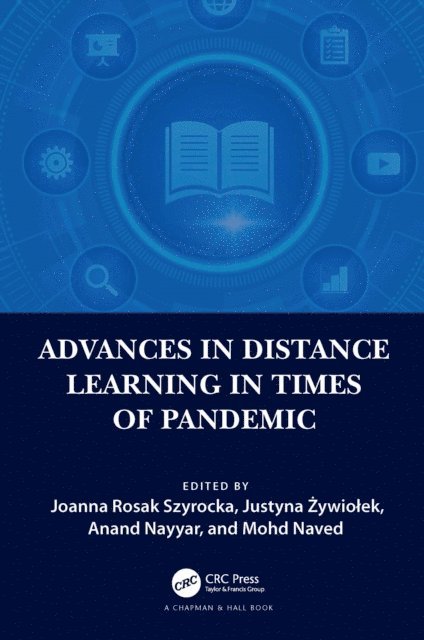
The book Advances in Distance Learning in Times of Pandemic is devoted to the issues and challenges faced by universities in the field of distance learning in COVID-19 times. It covers both the theoretical and practical aspects connected to distance education. It elaborates on issues regarding distance learning, its challenges, assessment by students and their expectations, the use of tools to improve distance learning, and the functioning of e-learning in the industry 4.0 and society 5.0 eras. The book also devotes a lot of space to the issues of Web 3.0 in university e-learning, quality assurance, and knowledge management. The aim and scope of this book is to draw a holistic picture of ongoing online teaching-activities before and during the lockdown period and present the meaning and future of e-learning from students’ points of view, taking into consideration their attitudes and expectations as well as industry 4.0 and society 5.0 aspects. The book presents the approach to distance learning and how it has changed, especially during a pandemic that revolutionized education. It highlights • the function of online education and how that has changed before and during the pandemic. • how e-learning is beneficial in promoting digital citizenship. • distance learning characteristic in the era of industry 4.0 and society 5.0. • how the era of industry 4.0 treats distance learning as a desirable form of education. The book covers both scientific and educational aspects and can be useful for university-level undergraduate, postgraduate and research-grade courses and can be referred to by anyone interested in exploring the diverse aspects of distance learning.
Inbunden, Engelska, 2023
2 215 kr
Skickas inom 10-15 vardagar
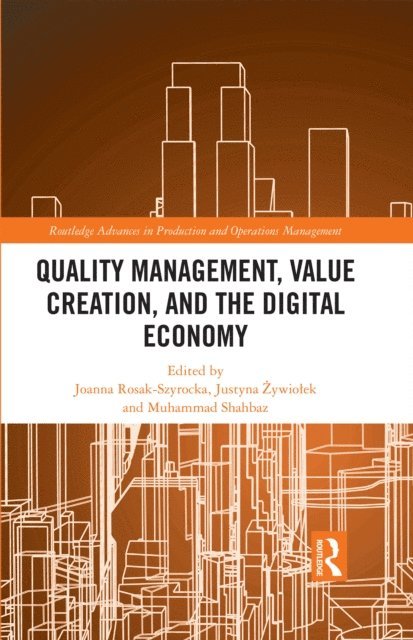
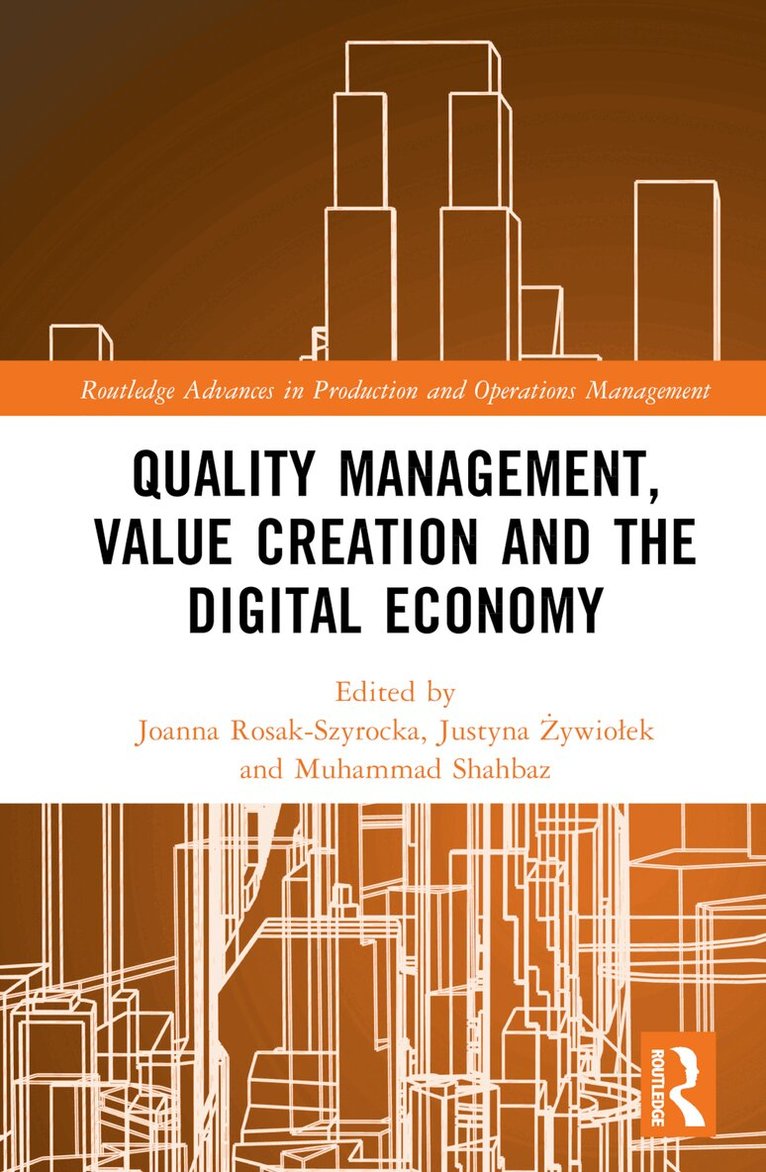
In the conditions of the modern market economy, in which globalization and competition are rife, quality is of great importance for determining a company's position in the market. The changing and complex economic reality is shaping new market patterns while modern technologies influence purchasing decisions. This book presents an effective and novel framework for creating value in Industry 4.0 conditions by building a smart enterprise model using quality management theories. The book explores tools and platforms that can be utilized to contribute to the creation of the ideal quality for demanding customers, using case studies from international contributors. It proposes novel architectures that drive economically viable production and services businesses, addressing unique Industry 4.0 and 5.0 solutions in Internet of Things (IoT) that involve the entire spectrum of analysis, with a special focus on lean methodologies and cybersecurity. This original book will be valuable reading for researchers and scholars in the areas of quality management, manufacturing, production, and operations management.
Häftad, Engelska, 2024
605 kr
Skickas inom 10-15 vardagar
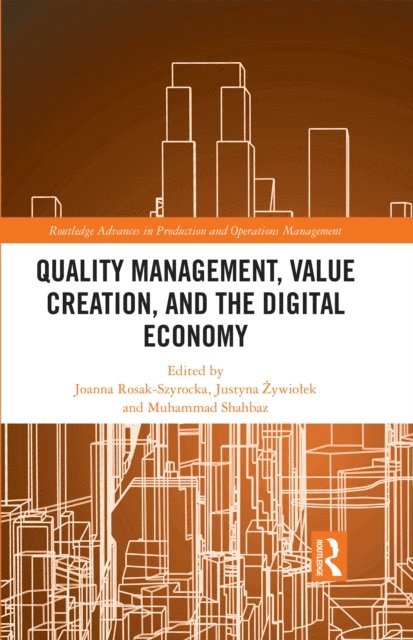
In the conditions of the modern market economy, in which globalization and competition are rife, quality is of great importance for determining a company's position in the market. The changing and complex economic reality is shaping new market patterns while modern technologies influence purchasing decisions. This book presents an effective and novel framework for creating value in Industry 4.0 conditions by building a smart enterprise model using quality management theories. The book explores tools and platforms that can be utilized to contribute to the creation of the ideal quality for demanding customers, using case studies from international contributors. It proposes novel architectures that drive economically viable production and services businesses, addressing unique Industry 4.0 and 5.0 solutions in Internet of Things (IoT) that involve the entire spectrum of analysis, with a special focus on lean methodologies and cybersecurity. This original book will be valuable reading for researchers and scholars in the areas of quality management, manufacturing, production, and operations management.
Inbunden, Engelska, 2024
3 355 kr
Skickas inom 10-15 vardagar
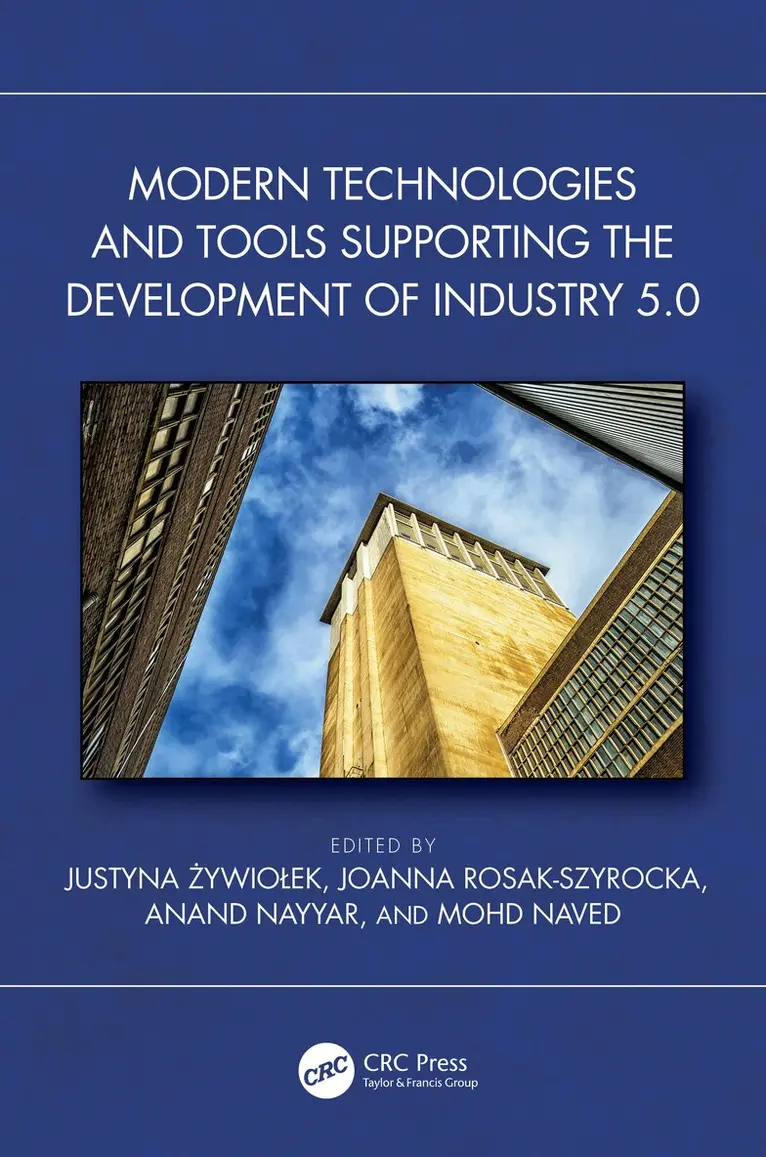
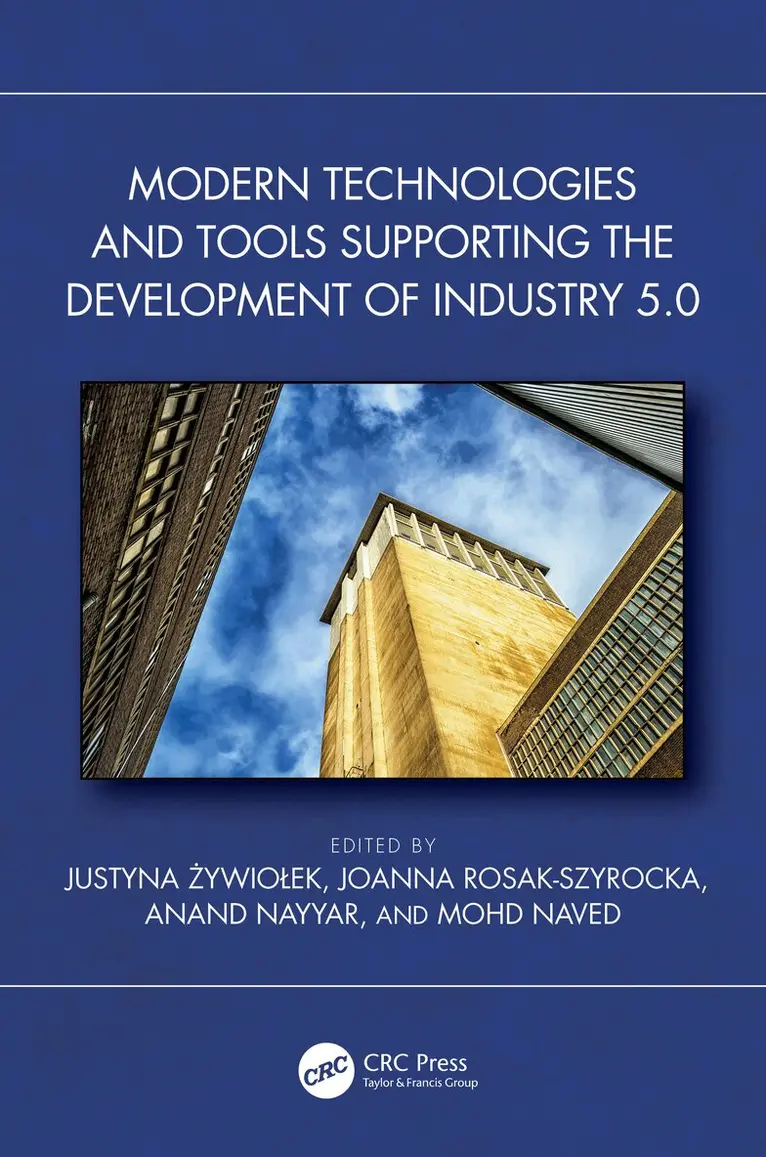
In an era where technological advancements are not just tools but partners in our workspaces, Modern Technologies and Tools Supporting the Development of Industry 5.0 emerges as a seminal guide to understanding and navigating the complexities of the Fifth Industrial Revolution. This book, a collective work of expert authors, delves into the heart of Industry 5.0, exploring how it synergizes human creativity with robotic precision to redefine industrial landscapes. From collaborative robotics to sustainable development, each chapter unfolds layers of knowledge essential for professionals, academics, and students alike.Features• Covers modern technologies including artificial intelligence, robotics, and the Internet of Everything for modernizing Industry 5.0 and the transformative role of collaborative robots in the workplace and how they are changing the dynamics of human labour.• Focuses on technologies mimicking human behaviour and reasoning to solve complex problems and explores the evolving role of human expertise in an increasingly automated world and the competencies needed to thrive in this new era.• Showcases the impact of Industry 5.0 on the environment, and industry commitment to sustainable development by laying a map to understand how Industry 5.0 is steering industries towards sustainable practices, focusing on green supply chains, reverse logistics, and the critical role of internal audits.• Highlights future perspectives such as smart manufacturing and the Industrial Internet of Things (IIoT) for Industry 5.0 manufacturing processes and provides insights into the challenges and security concerns as industries prepare to adopt Industry 5.0, offering foresight into its long-term impacts on global markets and societies.• Presents real-time case studies on tools, technologies, architecture, and product outcomes for Industry 5.0. Modern Technologies and Tools Supporting the Development of Industry 5.0 is more than a book; it’s a roadmap for the future, guiding readers through the intricacies of industrial evolution. It is primarily written for senior undergraduate and graduate students and academic researchers in the fields of industrial engineering, production engineering, mechanical engineering, and aerospace engineering.
Inbunden, Engelska, 2023
1 805 kr
Skickas inom 10-15 vardagar
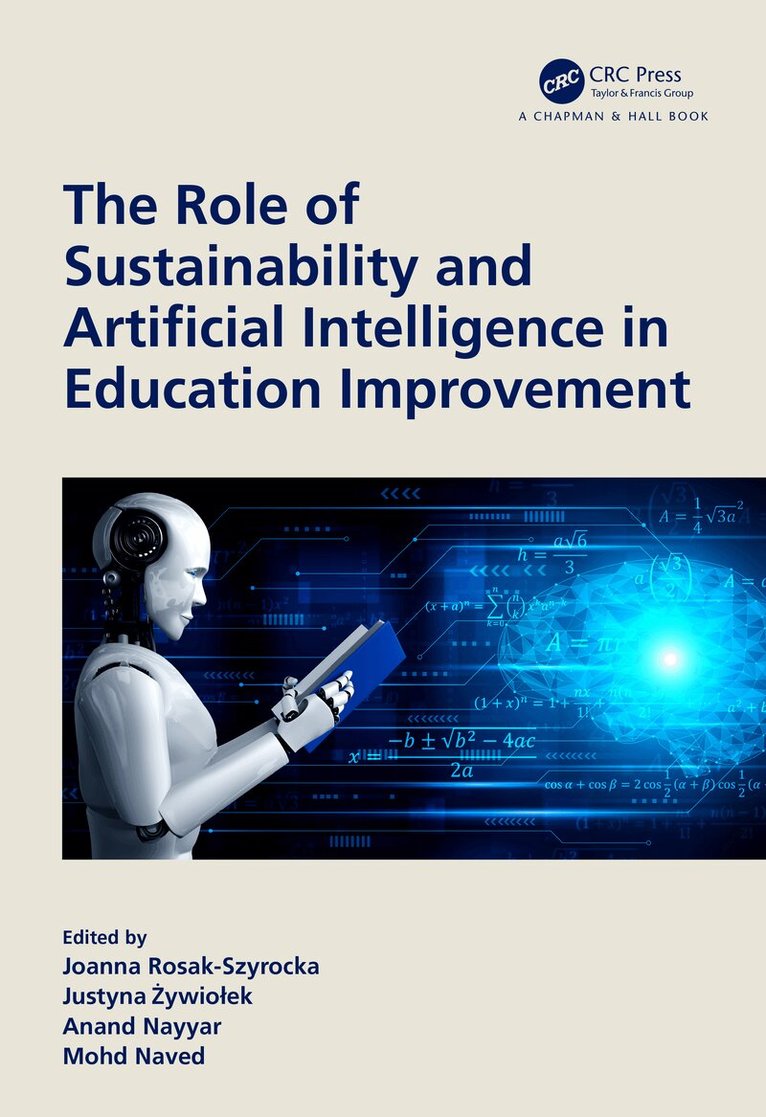
This book is devoted to the issues faced by universities in the field of distance learning during and after COVID, as well as in digitalization times. The book devotes a lot of space to the issues of Web 3.0 in university e-learning, Industry 4.0, artificial intelligence and digital equity. The aim and scope of this book is to draw a holistic picture of education before and after COVID, the psychological effects of COVID in education, and using modern technologies application in education, taking into consideration aspects of sustainability development, Industry 4.0 and Society 5.0. The authors also raise the issue of artificial intelligence investigation in learner-instructor interaction.Features:To elaborate the functions of online education and numerous pedagogical strategies based on electronic learning to aid teachers and students with the tools required to succeed in the 21st century via engaging virtual experiencesTo analyze tools provided by Ed-Tech firms and the effect of digital tools on maintaining the educational process in times of crisis and after pandemicTo create a roadmap for higher education institutions and provide tips regarding how to improve the effectiveness of the hybrid learning systemTo understand e-learning characteristic in the era of Industry 4.0 and Society 5.0 and characteristics of the different web generationsTo use AI applications to improve connections and relationships between students and teachers and in education in the futureThe book is both scientific and educational. It can be used at the university level and by anyone interested in the topics it covers.
Häftad, Engelska, 2025
1 100 kr
Skickas inom 10-15 vardagar
This book is devoted to the issues faced by universities in the field of distance learning during and after COVID, as well as in digitalization times. The book devotes a lot of space to the issues of Web 3.0 in university e-learning, Industry 4.0, artificial intelligence and digital equity. The aim and scope of this book is to draw a holistic picture of education before and after COVID, the psychological effects of COVID in education, and using modern technologies application in education, taking into consideration aspects of sustainability development, Industry 4.0 and Society 5.0. The authors also raise the issue of artificial intelligence investigation in learner-instructor interaction.Features:To elaborate the functions of online education and numerous pedagogical strategies based on electronic learning to aid teachers and students with the tools required to succeed in the 21st century via engaging virtual experiencesTo analyze tools provided by Ed-Tech firms and the effect of digital tools on maintaining the educational process in times of crisis and after pandemicTo create a roadmap for higher education institutions and provide tips regarding how to improve the effectiveness of the hybrid learning systemTo understand e-learning characteristic in the era of Industry 4.0 and Society 5.0 and characteristics of the different web generationsTo use AI applications to improve connections and relationships between students and teachers and in education in the futureThe book is both scientific and educational. It can be used at the university level and by anyone interested in the topics it covers.
Häftad, Engelska, 2025
1 204 kr
Skickas inom 10-15 vardagar
In an era where technological advancements are not just tools but partners in our workspaces, Modern Technologies and Tools Supporting the Development of Industry 5.0 emerges as a seminal guide to understanding and navigating the complexities of the Fifth Industrial Revolution. This book, a collective work of expert authors, delves into the heart of Industry 5.0, exploring how it synergizes human creativity with robotic precision to redefine industrial landscapes. From collaborative robotics to sustainable development, each chapter unfolds layers of knowledge essential for professionals, academics, and students alike.Features• Covers modern technologies including artificial intelligence, robotics, and the Internet of Everything for modernizing Industry 5.0 and the transformative role of collaborative robots in the workplace and how they are changing the dynamics of human labour.• Focuses on technologies mimicking human behaviour and reasoning to solve complex problems and explores the evolving role of human expertise in an increasingly automated world and the competencies needed to thrive in this new era.• Showcases the impact of Industry 5.0 on the environment, and industry commitment to sustainable development by laying a map to understand how Industry 5.0 is steering industries towards sustainable practices, focusing on green supply chains, reverse logistics, and the critical role of internal audits.• Highlights future perspectives such as smart manufacturing and the Industrial Internet of Things (IIoT) for Industry 5.0 manufacturing processes and provides insights into the challenges and security concerns as industries prepare to adopt Industry 5.0, offering foresight into its long-term impacts on global markets and societies.• Presents real-time case studies on tools, technologies, architecture, and product outcomes for Industry 5.0. Modern Technologies and Tools Supporting the Development of Industry 5.0 is more than a book; it’s a roadmap for the future, guiding readers through the intricacies of industrial evolution. It is primarily written for senior undergraduate and graduate students and academic researchers in the fields of industrial engineering, production engineering, mechanical engineering, and aerospace engineering.
Häftad, Engelska, 2025
748 kr
Skickas inom 10-15 vardagar
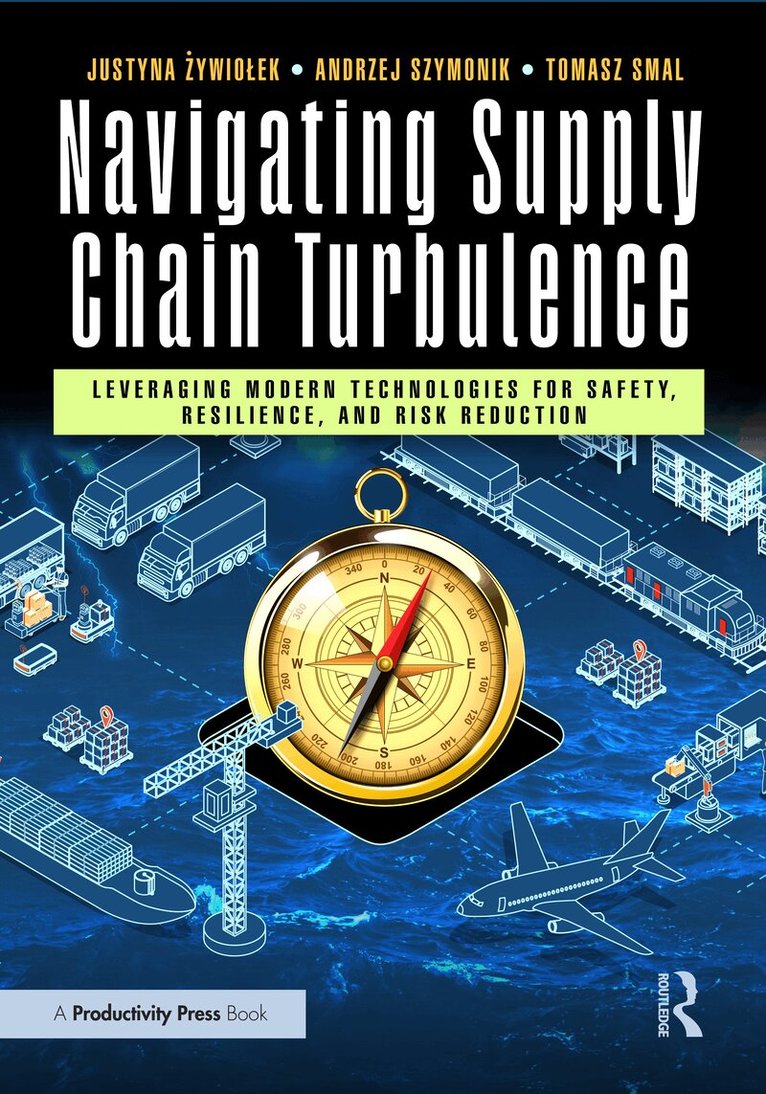
This book presents issues related to supply chain management, considering contemporary conditions and turmoil. It shows how global events affect the effectiveness and efficiency of logistics, and thus shows how to take them into account and better manage logistics processes in these chains.The book provides readers with easy-to-use tools to plan and build supply chains that are resilient, reliable, and have reduced risk. In addition, readers receive recommendations for the development and improvement of the efficiency of supply chains. Because of the research and case studies provided, readers learn practical knowledge coming directly from leading companies implementing logistics processes on a global scale. The research results are presented transparently, enabling their practical application in future business activities. In addition, this book discusses future technologies that are or will apply to supply chain management. These technologies are described in specific applications, so the readers can quickly adapt them to the needs of their company.
Inbunden, Engelska, 2025
2 215 kr
Skickas inom 10-15 vardagar
This book presents issues related to supply chain management, considering contemporary conditions and turmoil. It shows how global events affect the effectiveness and efficiency of logistics, and thus shows how to take them into account and better manage logistics processes in these chains.The book provides readers with easy-to-use tools to plan and build supply chains that are resilient, reliable, and have reduced risk. In addition, readers receive recommendations for the development and improvement of the efficiency of supply chains. Because of the research and case studies provided, readers learn practical knowledge coming directly from leading companies implementing logistics processes on a global scale. The research results are presented transparently, enabling their practical application in future business activities. In addition, this book discusses future technologies that are or will apply to supply chain management. These technologies are described in specific applications, so the readers can quickly adapt them to the needs of their company.
Häftad, Engelska, 2026
748 kr
Skickas inom 10-15 vardagar
Amid global sustainability difficulties and rising economic uncertainty, this book emphasizes the necessity for integrated strategies that harmonize security, sustainable development, and technological innovation. It helps create robust and transparent frameworks for organizations in dynamic contexts by utilizing advanced tools, including digital technologies, renewable energy systems, and strategic knowledge management. The book emphasizes actionable tactics that link global security with sustainable economic advancement.The concepts in the book fundamentally rely on the utilization of digital technologies to improve security management and sustainability initiatives. Blockchain, artificial intelligence, the Internet of Things, and predictive analytics are examined as essential instruments for maintaining operational resilience and adhering to regulatory requirements. Blockchain provides immutable data records that enhance transparency and trust within organizational ecosystems. This technology facilitates accurate tracking of environmental, social, and governance (ESG) parameters, bolstering stakeholders’ trust in the organization’s sustainability assertions. Likewise, IoT devices gather real-time data on energy usage, emissions, and supply chain efficiency, facilitating proactive modifications that conform to sustainable development objectives.The book underscores the strategic incorporation of renewable energy sources (RES) into security frameworks, establishing energy systems that are both sustainable and geopolitically stable. Organizations can diminish their reliance on non-renewable energy and enhance economic efficiency and long-term resilience by implementing solar, wind, and other renewable technologies. Improved energy security is essential for maintaining continuity during interruptions and facilitating the worldwide shift toward low-carbon economies. This component of the research demonstrates the relationship between energy sustainability and global security goals.
Inbunden, Engelska, 2026
2 215 kr
Skickas inom 10-15 vardagar
Amid global sustainability difficulties and rising economic uncertainty, this book emphasizes the necessity for integrated strategies that harmonize security, sustainable development, and technological innovation. It helps create robust and transparent frameworks for organizations in dynamic contexts by utilizing advanced tools, including digital technologies, renewable energy systems, and strategic knowledge management. The book emphasizes actionable tactics that link global security with sustainable economic advancement.The concepts in the book fundamentally rely on the utilization of digital technologies to improve security management and sustainability initiatives. Blockchain, artificial intelligence, the Internet of Things, and predictive analytics are examined as essential instruments for maintaining operational resilience and adhering to regulatory requirements. Blockchain provides immutable data records that enhance transparency and trust within organizational ecosystems. This technology facilitates accurate tracking of environmental, social, and governance (ESG) parameters, bolstering stakeholders’ trust in the organization’s sustainability assertions. Likewise, IoT devices gather real-time data on energy usage, emissions, and supply chain efficiency, facilitating proactive modifications that conform to sustainable development objectives.The book underscores the strategic incorporation of renewable energy sources (RES) into security frameworks, establishing energy systems that are both sustainable and geopolitically stable. Organizations can diminish their reliance on non-renewable energy and enhance economic efficiency and long-term resilience by implementing solar, wind, and other renewable technologies. Improved energy security is essential for maintaining continuity during interruptions and facilitating the worldwide shift toward low-carbon economies. This component of the research demonstrates the relationship between energy sustainability and global security goals.
Inbunden, Engelska, 2026
2 151 kr
Skickas inom 10-15 vardagar
This book offers an in-depth examination of the ways in which artificial intelligence (AI) is reshaping urban landscapes to address the demands of sustainable development. It positions AI as an essential instrument for creating more intelligent, resilient cities that meet the requirements of contemporary urban living and environmental sustainability.It emphasizes AI-driven advancements in urban management, including the optimization of transportation, the administration of energy-efficient infrastructure, and the enhancement of public safety using predictive analytics. The examination of AI's role in critical services such as water and waste management, along with personalized public services, illustrates how data-driven insights improve citizens' quality of life. This book also examines AI applications in urban planning, modifying cities in response to climate and population changes. The authors present case studies of successful smart cities globally, providing practical insights and addressing legislative hurdles, privacy issues, and future trends influencing urban AI integration.This book is a valuable resource for academics across the fields of urban studies, technology and innovation management, transport studies, and public policy.
Inbunden, Engelska, 2026
1 629 kr
Kommande
This book advances a central and urgent thesis: in the hyperconnected economy of Logistics 4.0, cybersecurity is no longer a technical safeguard at the periphery of logistics systems but the primary infrastructure of supply chain continuity, economic security, and sustainable development. Digital logistics has evolved into a cyber-physical ecosystem in which data flows, autonomous decisions, and algorithmic coordination shape material reality. In this environment, cyber risk becomes systemic risk, transforming security from an operational concern into a strategic determinant of organisational legitimacy, competitiveness, and resilience. The book reframes cybersecurity as a governance architecture integrating digital infrastructure, risk intelligence, institutional accountability, and technological foresight.The book offers a synthesis, demonstrating that digitalisation, cybersecurity, and sustainability are mutually reinforcing rather than competing agendas. Without secure digital architectures, transparent ESG reporting, reliable traceability, and accountable automation remain unattainable. Trust is the scarcest resource in digital supply chains, generated through verifiable data, secure infrastructures, and credible governance.More than a catalogue of tools or regulatory recommendations, the book delivers an integrated analytical architecture for understanding and governing cyber risk in Logistics 4.0 environments. It shows that digital transformation restructures supply chains into cyber-physical systems whose stability, efficiency, and legitimacy depend on the integrity of their digital foundations, and that cybersecurity is a collective supply-chain capability rather than an individual organisational attribute.The work sets out a governance logic that guides organisations from digitalisation to resilience, treating Information Security Management Systems, standards and security operations frameworks as instruments for stabilising inter-organisational cooperation, maintaining service continuity, and sustaining market legitimacy. It also outlines practitioner and research pathways centred on federated logistics data governance, scenario-based cyber resilience exercises, digital traceability architectures, and integrating cybersecurity metrics into ESG reporting.
Häftad, Engelska, 2026
670 kr
Kommande
This book advances a central and urgent thesis: in the hyperconnected economy of Logistics 4.0, cybersecurity is no longer a technical safeguard at the periphery of logistics systems but the primary infrastructure of supply chain continuity, economic security, and sustainable development. Digital logistics has evolved into a cyber-physical ecosystem in which data flows, autonomous decisions, and algorithmic coordination shape material reality. In this environment, cyber risk becomes systemic risk, transforming security from an operational concern into a strategic determinant of organisational legitimacy, competitiveness, and resilience. The book reframes cybersecurity as a governance architecture integrating digital infrastructure, risk intelligence, institutional accountability, and technological foresight.The book offers a synthesis, demonstrating that digitalisation, cybersecurity, and sustainability are mutually reinforcing rather than competing agendas. Without secure digital architectures, transparent ESG reporting, reliable traceability, and accountable automation remain unattainable. Trust is the scarcest resource in digital supply chains, generated through verifiable data, secure infrastructures, and credible governance.More than a catalogue of tools or regulatory recommendations, the book delivers an integrated analytical architecture for understanding and governing cyber risk in Logistics 4.0 environments. It shows that digital transformation restructures supply chains into cyber-physical systems whose stability, efficiency, and legitimacy depend on the integrity of their digital foundations, and that cybersecurity is a collective supply-chain capability rather than an individual organisational attribute.The work sets out a governance logic that guides organisations from digitalisation to resilience, treating Information Security Management Systems, standards and security operations frameworks as instruments for stabilising inter-organisational cooperation, maintaining service continuity, and sustaining market legitimacy. It also outlines practitioner and research pathways centred on federated logistics data governance, scenario-based cyber resilience exercises, digital traceability architectures, and integrating cybersecurity metrics into ESG reporting.
Inbunden, Engelska, 2026
2 215 kr
Skickas inom 10-15 vardagar
As hybrid and remote work reshapes the modern workplace, Hybrid Work and Organisational Transformation offers a timely and research-based exploration of how organisations are redefining identity, trust, and communication in digitally mediated environments. This interdisciplinary monograph examines the cultural, psychological, and linguistic dynamics of hybrid work, providing a conceptual and practical framework for understanding and managing these transformations. Drawing on qualitative case studies from diverse sectors and regions, this book bridges theory and practice to deliver actionable insights for navigating the complexities of hybrid work cultures. Key features include a diagnostic framework for evaluating organisational readiness, trust-building strategies for virtual teams, and tools for fostering inclusion and collaboration in distributed environments. Grounded in social identity theory, trust theory, and digital affordance frameworks, it integrates empirical evidence with foresight scenarios and strategic recommendations. Readers will gain valuable perspectives on team cohesion, leadership ethics, and digital communication technologies, ensuring their organisations thrive in the post-pandemic era. Designed for advanced students, academic researchers, and practitioners, this volume is ideal for those in organisational behaviour, human resource management, digital communication, and leadership studies. Public sector organisations, multinational enterprises, and educators will also benefit from its insights into building resilient, high-trust hybrid workplaces.