Karen Eggleston - Böcker
Visar alla böcker från författaren Karen Eggleston. Handla med fri frakt och snabb leverans.
10 produkter
10 produkter
Welfare, Choice and Solidarity in Transition
Reforming the Health Sector in Eastern Europe
Häftad, Engelska, 2010
462 kr
Skickas
Reform of the welfare sector is an important yet difficult challenge for all countries in transition from socialist central planning to market-oriented democracies. Here a scholar of the economics of socialism and post-socialist transition and a health economist take on this challenge. This 2001 book offers health sector reform recommendations for ten countries of Eastern Europe, drawn consistently from a set of explicit guiding principles. After discussing sector-specific characteristics, lessons of international experience, and the main set of initial conditions, the authors advocate reforms based on organized public financing for basic care, private financing for supplementary care, pluralistic delivery of services, and managed competition. Policymakers need to achieve a balance, both assuring social solidarity through universal access to basic health services and expanding individual choice and responsibility through voluntary supplemental insurance. The authors also consider the problems that undermine effectiveness of market-based competition in the health sector.
Welfare, Choice and Solidarity in Transition
Reforming the Health Sector in Eastern Europe
Inbunden, Engelska, 2001
1 011 kr
Skickas inom 7-10 vardagar
Reform of the welfare sector is an important yet difficult challenge for all countries in transition from socialist central planning to market-oriented democracies. Here a scholar of the economics of socialism and post-socialist transition and a health economist take on this challenge. This 2001 book offers health sector reform recommendations for ten countries of Eastern Europe, drawn consistently from a set of explicit guiding principles. After discussing sector-specific characteristics, lessons of international experience, and the main set of initial conditions, the authors advocate reforms based on organized public financing for basic care, private financing for supplementary care, pluralistic delivery of services, and managed competition. Policymakers need to achieve a balance, both assuring social solidarity through universal access to basic health services and expanding individual choice and responsibility through voluntary supplemental insurance. The authors also consider the problems that undermine effectiveness of market-based competition in the health sector.
The Dragon, the Eagle, and the Private Sector
Public-Private Collaboration in China and the United States
Inbunden, Engelska, 2021
1 060 kr
Skickas inom 7-10 vardagar
The governments of China and the United States - despite profound differences in history, culture, economic structure, and political ideology - both engage the private sector in the pursuit of public value. This book employs the term collaborative governance to describe relationships where neither the public nor private party is fully in control, arguing that such shared discretion is needed to deliver value to citizens. This concept is exemplified across a wide range of policy arenas, such as constructing high speed rail, hosting the Olympics, building human capital, and managing the healthcare system. This book will help decision-makers apply the principles of collaborative governance to effectively serve the public, and will enable China and the United States to learn from each other's experiences. It will empower public decision-makers to more wisely engage the private sector. The book's overarching conclusion is that transparency is the key to the legitimate growth of collaborative governance.
The Dragon, the Eagle, and the Private Sector
Public-Private Collaboration in China and the United States
Häftad, Engelska, 2021
428 kr
Skickas inom 7-10 vardagar
The governments of China and the United States - despite profound differences in history, culture, economic structure, and political ideology - both engage the private sector in the pursuit of public value. This book employs the term collaborative governance to describe relationships where neither the public nor private party is fully in control, arguing that such shared discretion is needed to deliver value to citizens. This concept is exemplified across a wide range of policy arenas, such as constructing high speed rail, hosting the Olympics, building human capital, and managing the healthcare system. This book will help decision-makers apply the principles of collaborative governance to effectively serve the public, and will enable China and the United States to learn from each other's experiences. It will empower public decision-makers to more wisely engage the private sector. The book's overarching conclusion is that transparency is the key to the legitimate growth of collaborative governance.
346 kr
Skickas inom 7-10 vardagar
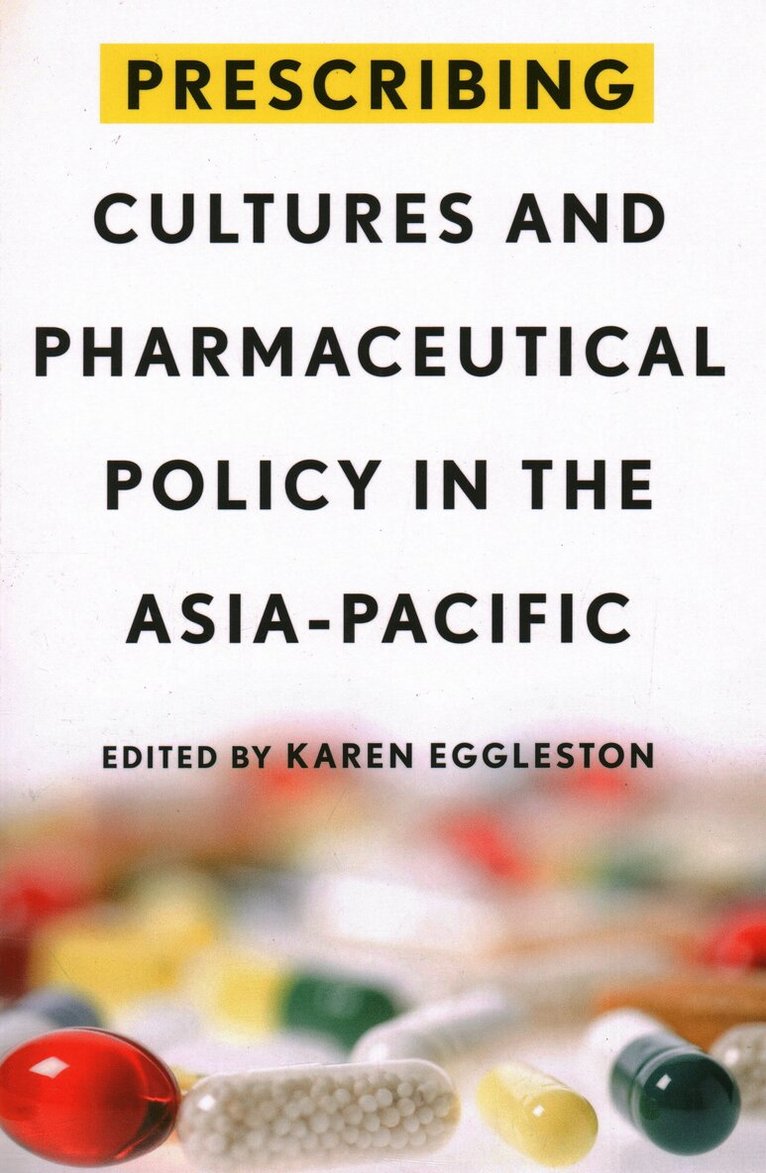
Pharmaceutical policies are interlinked globally, yet deeply rooted in local culture. Prescribing Cultures examines how pharmaceuticals and their regulation play an important and often contentious role in the health systems of the Asia-Pacific.The first section of this timely bookwhich includes a foreword by Michael Reich of Harvard Universityaddresses pharmaceutical policy in China, Korea, Japan, Thailand, Taiwan, Australia, and India. The second section focuses on two crosscutting themes: differences in "prescribing cultures," especially among physicians, who are the primary dispensers of medicine in Asia, and the challenge of balancing access to drugs with incentives for innovation.The book's contributors discuss important issues for U.S. policy, notably drug imports from Asia, regulation of global supply chains to assure drug safety and quality, and new legislation to encourage development of drugs for neglected diseases. In Prescribing Cultures, pharmaceutical policy serves as a window into the economic trade-offs, political compromises, and cultural legacies that shape regional and global health systems.
Aging Asia
The Economic and Social Implications of Rapid Demographic Change in China, Japan, and South Korea
Häftad, Engelska, 2011
305 kr
Skickas inom 7-10 vardagar
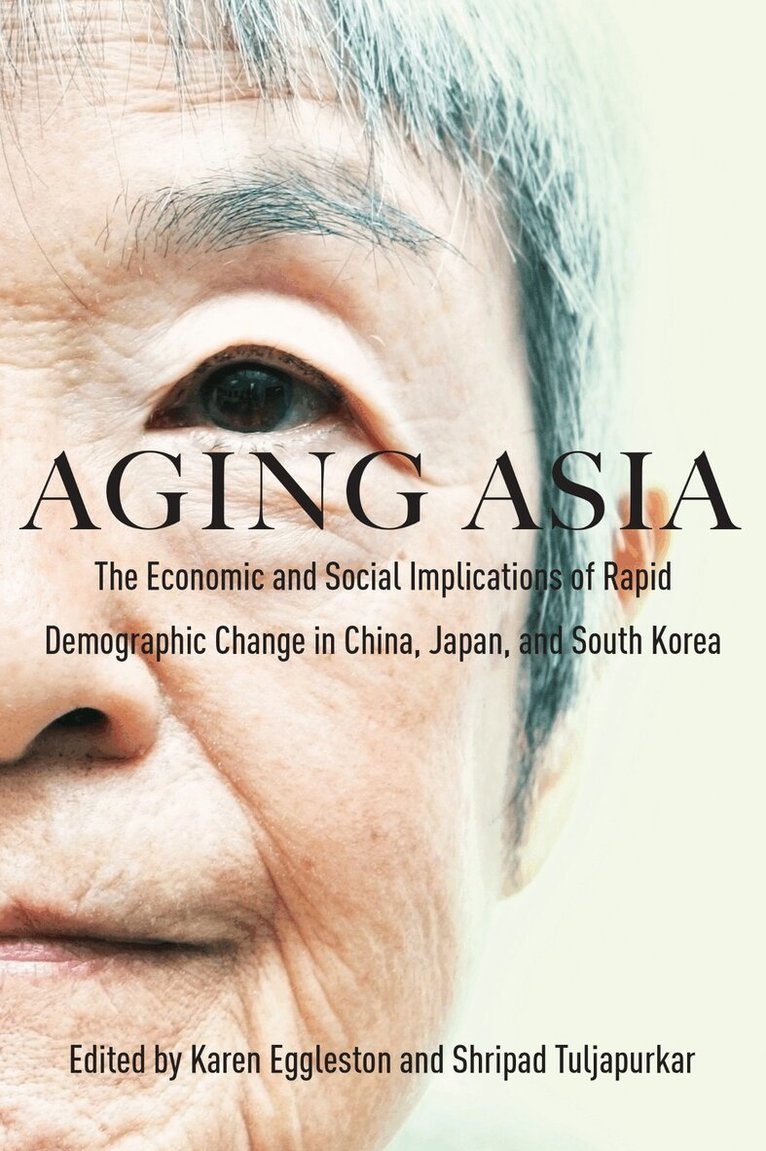
In the past fifty years, two factors have led to global population aging: a decline in fertility to levels close to—or even below—replacement and a decline in mortality that has increased world average life expectancy by nearly 67 percent. As the population skews toward fewer young people and more elderly who live longer postretirement lives, demographic changes—labor force participation, savings, economic growth, living arrangements, marriage markets, and social policy—are transforming society in fundamental, irreversible ways. Nowhere are these effects of aging and demographic change more acute—nor their long-term effects more potentially significant—than in the Asia-Pacific region. How will these developments impact the economies and social protection systems of Japan, South Korea, China, and, by extension, the United States?To assess this question, Aging Asia showcases cutting-edge, policy-relevant research. The first section focuses on demographic trends and their economic implications; the second section approaches select topics from a global comparative perspective, including social insurance financing, medical costs, and long-term care.
296 kr
Skickas inom 7-10 vardagar
The world's two most populous countries face numerous policy challenges from rapid demographic change, including gender imbalance, population aging, and rapid urbanization. Drawing on social science expertise from China, India, and the United States, the contributors examine the social and economic challenges for policy across a range of domains, from family planning and old-age support to human capital investment, poverty alleviation, and broader issues of governance.Sections focus on:Policy challenges and economic impactFertility and sex imbalanceHuman capital and urbanizationPopulation aging
257 kr
Skickas inom 7-10 vardagar
The same institutions that enabled China’s massive urbanization and spurred its economic growth now require further reform and innovation.To address the issues facing the next phase of the nation’s transformation, the National New Urbanization Plan (2014–20) set ambitious targets for sustainable, human-centered, and environmentally friendly urbanization. This volume explores the key institutional and governance challenges China will face in reaching those goals. Its policy-focused contributions from leading social scientists in the United States and China explore aspects of urbanization ranging from migration and labor markets to agglomeration economies, land finance, affordable housing, and education policy. Subjects covered in the eleven chapters include:·Institutional problems leading to fiscal pressures on local governments and unequal provision of social services to migrant families·The history of land financing and threats to its sustainability·The difficulty of sorting out property rights in rural China·How administrative redistricting has allowed the urbanization of geographical administrative places to outpace the urbanization of populations within those areas·How the hukou system may not be the sole, or even primary, mechanism restricting migrants from public goods, such as their childrens’ education ·Whether the nation’s food security is threatened by its ongoing urbanization·The current state of the provision of low-income housing, and future challenges
359 kr
Skickas inom 7-10 vardagar
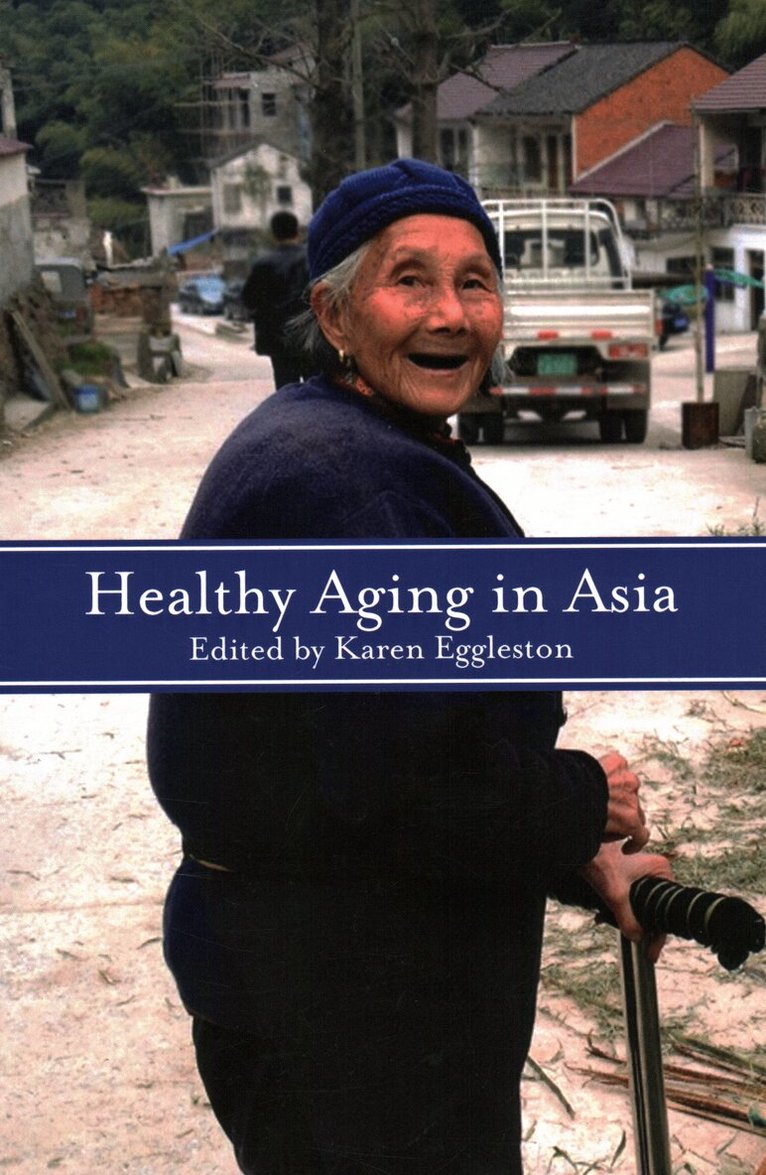
Life expectancy in Japan, South Korea, and much of urban China has now outpaced that of the United States and other high-income countries. With this triumph of longevity, however, comes a rise in the burden of noncommunicable diseases (NCDs) like diabetes and hypertension, reducing healthy life years for individuals in these aging populations, as well as challenging the healthcare systems they rely on for appropriate care. The challenges and disparities are even more pressing in low- and middle-income economies, such as rural China and India. Moreover, the COVID-19 pandemic has underscored the vulnerability to newly emerging pathogens of older adults suffering from NCDs, and the importance of building long-term, resilient health systems. What strategies have been tried to prevent NCDs—the primary cause of morbidity and mortality — as well as to screen for early detection, raise the quality of care, improve medication adherence, reduce unnecessary hospitalizations and increase “value for money” in health spending? Fourteen concise chapters cover multiple aspects of policy initiatives for healthy aging and economic research on chronic disease control in diverse health systems — from cities such as Singapore and Hong Kong to large economies such as Japan, India, and China.
401 kr
Skickas inom 7-10 vardagar
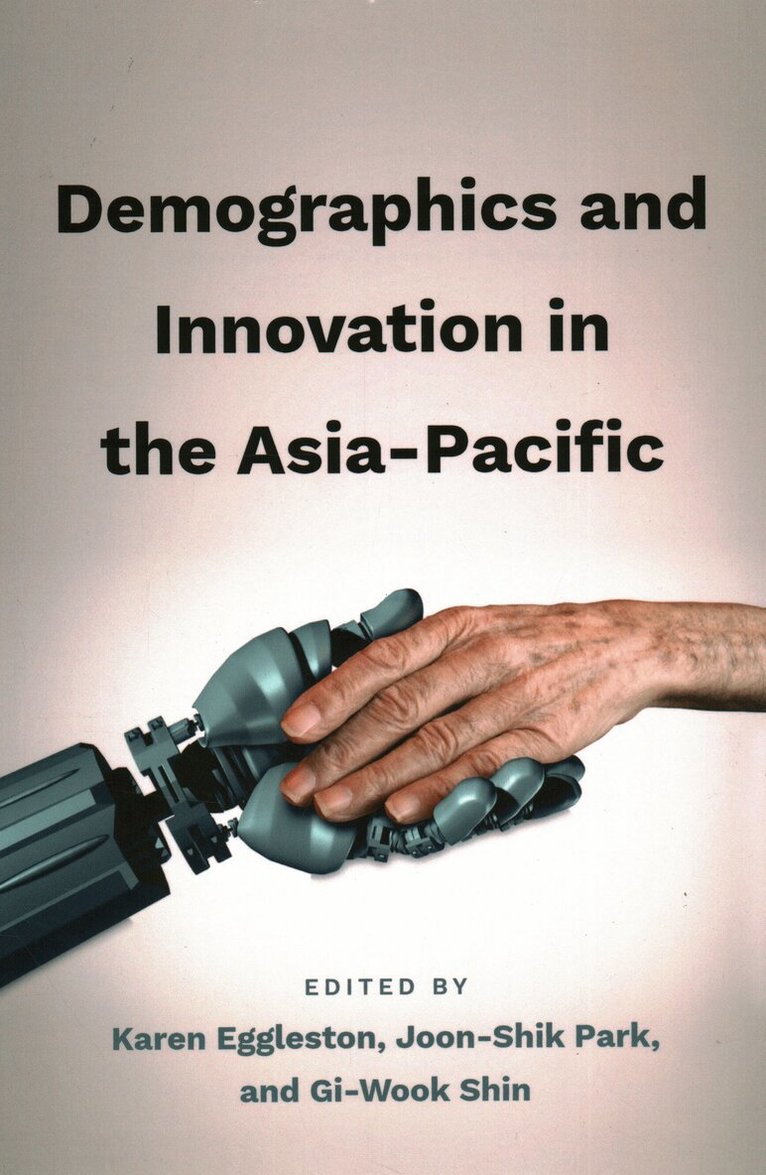
Demographic transition, along with the economic and geopolitical re-emergence of Asia, are two of the largest forces shaping the twenty-first century, but little is known about the implications for innovation. The countries of East Asia have some of the oldest age structures on the planet: between now and 2050, the population that is age 65 and older will increase to more than one in four Chinese, and to more than one in three Japanese and Koreans. Other economies with younger populations, like India, face the challenge of fully harnessing the “demographic dividend” from large cohorts in the working ages.This book delves into how such demographic changes shape the supply of innovation and the demand for specific kinds of innovation in the Asia-Pacific. Social scientists from Asia and the United States offer multidisciplinary perspectives from economics, demography, political science, sociology, and public policy; topics range from the macroeconomic effects of population age structure, to the microeconomics of technology and the labor force, to the broader implications for human well-being. Contributors analyze how demography shapes productivity and the labor supply of older workers, as well as explore the aging population as consumers of technologies and drivers of innovations to meet their own needs, as well as the political economy of spatial development, agglomeration economies, urban-rural contrasts, and differential geographies of aging.