Kay Livingston – författare
2 090 kr
Skickas inom 10-15 vardagar
423 kr
Skickas inom 10-15 vardagar
2 090 kr
Skickas inom 10-15 vardagar
531 kr
Skickas inom 10-15 vardagar
489 kr
Läs direkt efter köp
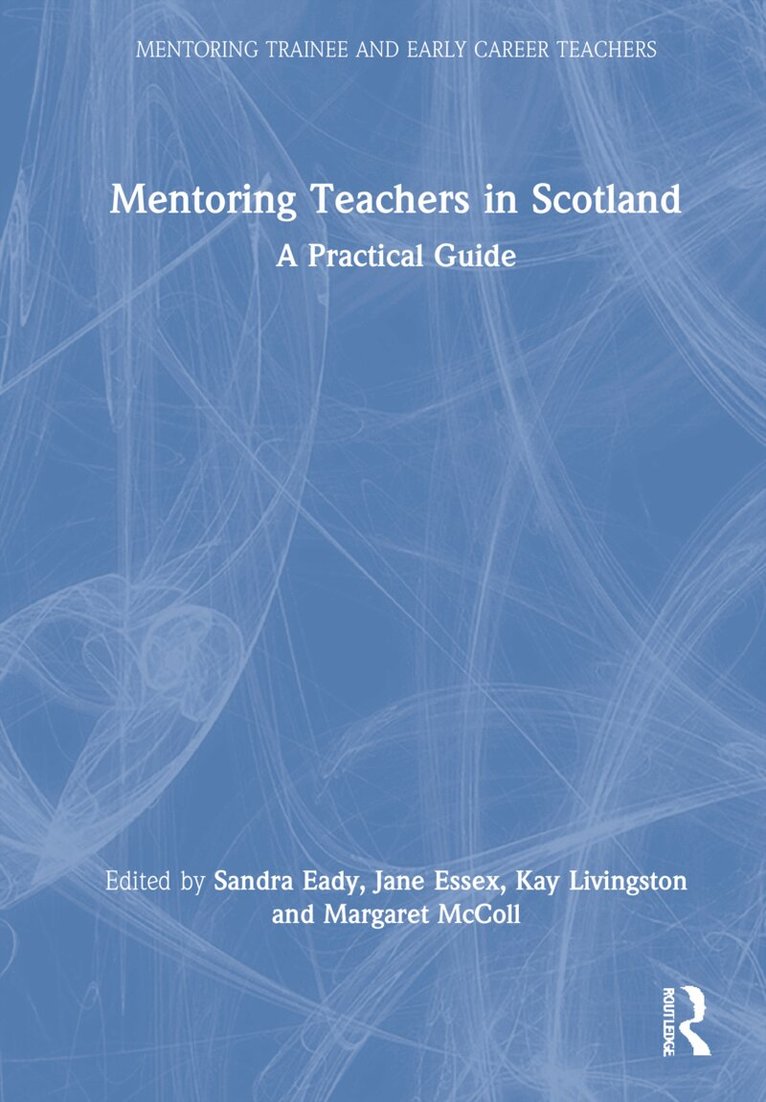
This book assists mentors in developing their mentoring skills, offering guidance needed to support the development of beginning teachers in early years, primary and secondary schools in the Scottish education system, as well as supporting all teachers in their career-long professional learning.
Based on research and evidence, Mentoring Teachers in Scotland explores and discusses the knowledge, skills and understanding that underpin mentoring that is responsive to individual mentees'' needs. The book includes reflective activities to enable mentors to consider the application of mentoring processes in their own practice, as well as case studies and other learning activities. This book is a valuable source of support and inspiration for all those involved in mentoring and sustaining teachers’ professional development at all stages of their career. Key topics explored include:
roles and responsibilities of mentors within the Scottish education system, and the Scottish model of teaching and teacher development;
developing a mentor–mentee relationship;
guiding beginning teachers in Scotland through the mentoring processes;
strategies for observation, analysis and reflection on practice; and
mentoring for beginning teachers and career-long professional learning.
Mentoring Teachers in Scotland offers an accessible and practical guide to mentoring teachers in Scotland that aims to support, inspire and guide mentors and mentees.
489 kr
Läs direkt efter köp
This book assists mentors in developing their mentoring skills, offering guidance needed to support the development of beginning teachers in early years, primary and secondary schools in the Scottish education system, as well as supporting all teachers in their career-long professional learning.
Based on research and evidence, Mentoring Teachers in Scotland explores and discusses the knowledge, skills and understanding that underpin mentoring that is responsive to individual mentees'' needs. The book includes reflective activities to enable mentors to consider the application of mentoring processes in their own practice, as well as case studies and other learning activities. This book is a valuable source of support and inspiration for all those involved in mentoring and sustaining teachers’ professional development at all stages of their career. Key topics explored include:
roles and responsibilities of mentors within the Scottish education system, and the Scottish model of teaching and teacher development;
developing a mentor–mentee relationship;
guiding beginning teachers in Scotland through the mentoring processes;
strategies for observation, analysis and reflection on practice; and
mentoring for beginning teachers and career-long professional learning.
Mentoring Teachers in Scotland offers an accessible and practical guide to mentoring teachers in Scotland that aims to support, inspire and guide mentors and mentees.
631 kr
Läs direkt efter köp
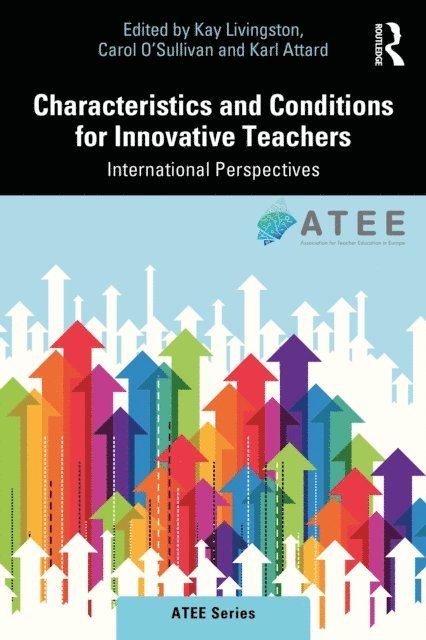
Characteristics and Conditions for Innovative Teachers: International Perspectives is a must-read for all those with an interest in teacher education and in enabling teacher innovation. It provides a blend of education theory, practice and research and will appeal to a wide audience including teachers, teacher educators, student teachers, school leaders, policy makers and other stakeholders.
Drawing on a wealth of international perspectives, this key text provides a unique insight into how innovative teachers are understood and supported in their respective contexts. It provides recommendations and insights into the characteristics of innovative teachers and considers how best to support professional development to ensure innovation is both encouraged and meaningful.
Considering the impact of conditions, context and agency on innovative teachers, the book explores the concept of innovation. It provides rationales for the focus on innovative teachers, identifies characteristics of innovative teachers and offers conceptual models underpinned by research, along with an analysis of current international policy on innovation in education. It explores the rich data obtained from research undertaken in 16 different countries and concludes by focusing on how to nurture innovative teachers through professional development.
636 kr
Läs direkt efter köp
Characteristics and Conditions for Innovative Teachers: International Perspectives is a must-read for all those with an interest in teacher education and in enabling teacher innovation. It provides a blend of education theory, practice and research and will appeal to a wide audience including teachers, teacher educators, student teachers, school leaders, policy makers and other stakeholders.
Drawing on a wealth of international perspectives, this key text provides a unique insight into how innovative teachers are understood and supported in their respective contexts. It provides recommendations and insights into the characteristics of innovative teachers and considers how best to support professional development to ensure innovation is both encouraged and meaningful.
Considering the impact of conditions, context and agency on innovative teachers, the book explores the concept of innovation. It provides rationales for the focus on innovative teachers, identifies characteristics of innovative teachers and offers conceptual models underpinned by research, along with an analysis of current international policy on innovation in education. It explores the rich data obtained from research undertaken in 16 different countries and concludes by focusing on how to nurture innovative teachers through professional development.
647 kr
Läs direkt efter köp
647 kr
Läs direkt efter köp
2 077 kr
Skickas inom 10-15 vardagar
541 kr
Skickas inom 10-15 vardagar
2 077 kr
Skickas inom 10-15 vardagar
554 kr
Skickas inom 10-15 vardagar
621 kr
Läs direkt efter köp
Is there an ‘ideal’ primary school curriculum?
Who should decide what the curriculum is?
Should teachers have autonomy over how they teach?
The curriculum is the heart of what teachers teach and learners learn: effective teaching is only possible with an effective curriculum. Yet in spite of its importance, there has been a crisis in curriculum that has been caused in large part by governments assuming direct control over the curriculum, assessment, and increasingly, pedagogy.
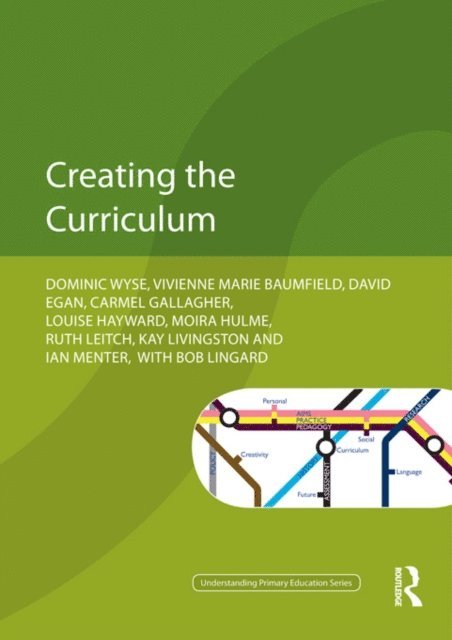
Creating the Curriculum tackles this thorny issue head on, challenging student and practising primary school teachers to think critically about past and present issues and to engage with a new wave of curriculum thinking and development. Considering curriculum construction and its impact on teaching and learning in the four countries of the UK, key issues considered include:
who should decide the curriculum, its aims and its values
the extent to which issues in primary education swing back and forth
Subjects versus thematic organisation, stages and phases, progression, breadth and balance
prescription versus teacher autonomy
the key features of effective classroom practice
strategies for assessing the whole curriculum
how language in the classroom influences curriculum design
understanding curricula in the context of children’s social and personal circumstances
creativity, curriculum and the classroom.
Illustrated throughout with strategies and case studies from the classroom, Creating the Curriculum accessibly links the latest research and evidence with concrete examples of good practice. It is a timely exploration of what makes an effective and meanginful curriculum and how teachers can bring new relevance, motivation and powerful values to what they teach.
615 kr
Läs direkt efter köp
Is there an ‘ideal’ primary school curriculum?
Who should decide what the curriculum is?
Should teachers have autonomy over how they teach?
The curriculum is the heart of what teachers teach and learners learn: effective teaching is only possible with an effective curriculum. Yet in spite of its importance, there has been a crisis in curriculum that has been caused in large part by governments assuming direct control over the curriculum, assessment, and increasingly, pedagogy.
Creating the Curriculum tackles this thorny issue head on, challenging student and practising primary school teachers to think critically about past and present issues and to engage with a new wave of curriculum thinking and development. Considering curriculum construction and its impact on teaching and learning in the four countries of the UK, key issues considered include:
who should decide the curriculum, its aims and its values
the extent to which issues in primary education swing back and forth
Subjects versus thematic organisation, stages and phases, progression, breadth and balance
prescription versus teacher autonomy
the key features of effective classroom practice
strategies for assessing the whole curriculum
how language in the classroom influences curriculum design
understanding curricula in the context of children’s social and personal circumstances
creativity, curriculum and the classroom.
Illustrated throughout with strategies and case studies from the classroom, Creating the Curriculum accessibly links the latest research and evidence with concrete examples of good practice. It is a timely exploration of what makes an effective and meanginful curriculum and how teachers can bring new relevance, motivation and powerful values to what they teach.