Kristin Kopp – författare
Visar alla böcker från författaren Kristin Kopp. Handla med fri frakt och snabb leverans.
8 produkter
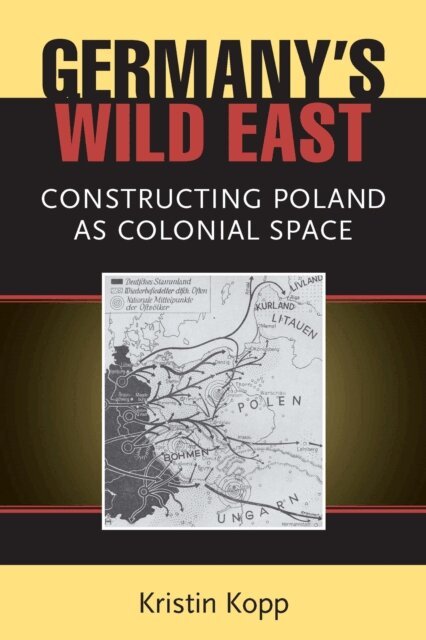
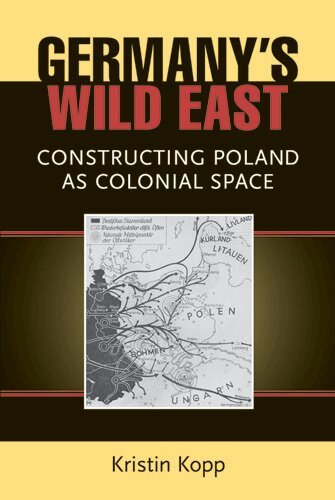
Germany's Wild East
Constructing Poland as Colonial Space
Av Kristin Kopp
E-bok, 2012
682 kr
Lägg i varukorg
In the 19th and early 20th centuries, representations of Poland and the Slavic East cast the region as a primitive, undeveloped, or empty space inhabited by a population destined to remain uncivilized without the aid of external intervention. These depictions often made direct reference to the …
Germany's Wild East
Constructing Poland as Colonial Space
Av Kristin Kopp
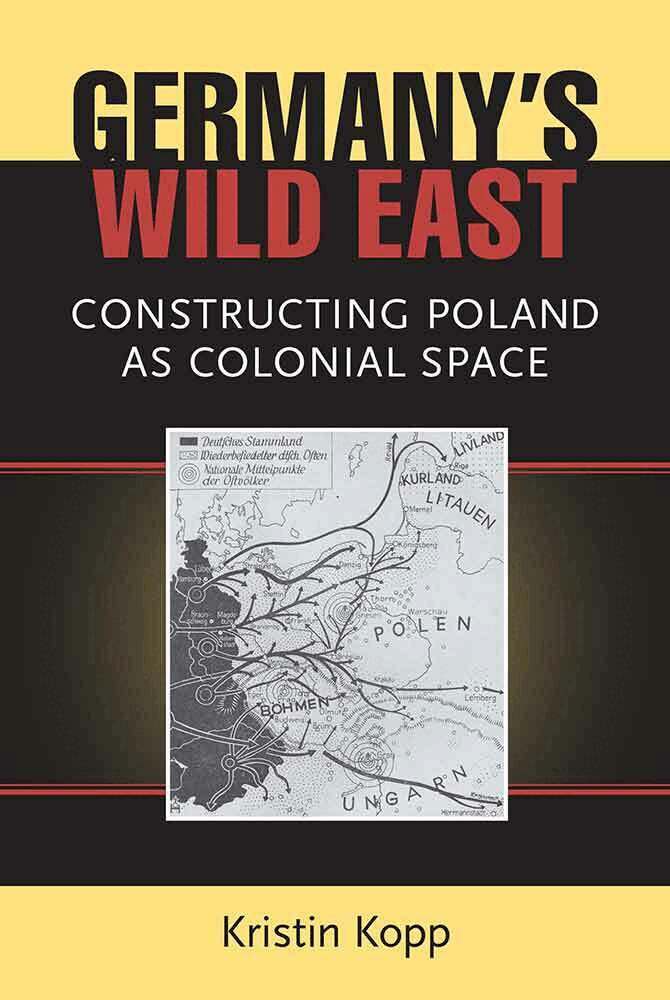
Häftad, 2017
457 kr
Lägg i varukorg
In the 19th and early 20th centuries, representations of Poland and the Slavic East cast the region as a primitive, undeveloped, or empty space inhabited by a population destined to remain uncivilized without the aid of external intervention. These depictions often made direct reference to the …
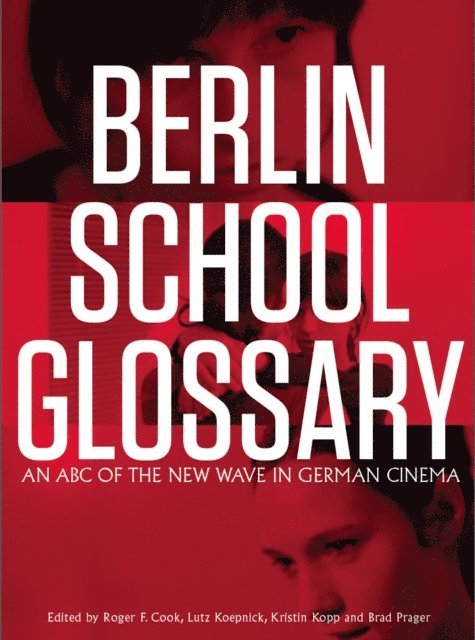
Berlin School Glossary
An ABC of the New Wave in German Cinema
Av Brad Prager, Kristin Kopp m. fl.
E-bok, 2013
519 kr
Lägg i varukorg
Berlin School Glossary is the first major publication to mark the increasing international importance of a group of contemporary German and Austrian filmmakers initially known by the name the Berlin School: Christian Petzold, Thomas Arslan, Christoph Hochhäusler, Jessica Hausner and others. The …
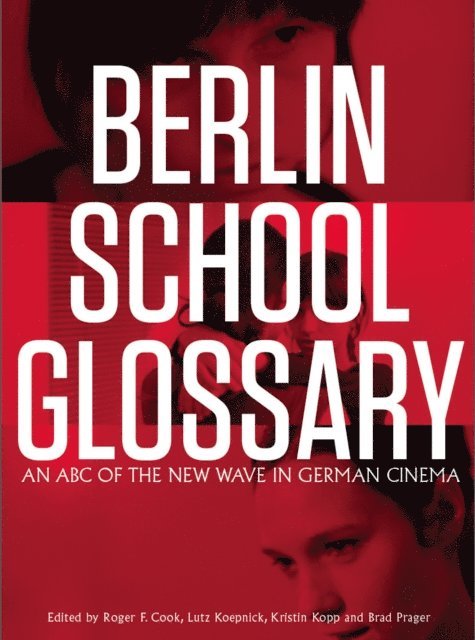
Berlin School Glossary
An ABC of the New Wave in German Cinema
Av Brad Prager, Kristin Kopp m. fl.
E-bok, 2013
519 kr
Lägg i varukorg
Berlin School Glossary is the first major publication to mark the increasing international importance of a group of contemporary German and Austrian filmmakers initially known by the name the Berlin School: Christian Petzold, Thomas Arslan, Christoph Hochhäusler, Jessica Hausner and others. The …
Die Großstadt und das Primitive
Text - Politik - Repräsentation
Av Klaus Muller-Richter, Kristin Kopp
E-bok, 2016
424 kr
Lägg i varukorg
Mit dem Oberbegriff ''das Primitive'' werden ganz verschiedene gesellschaftliche Gruppen bezeichnet: Exoten und Exzentriker, Obdachlose und einfache Leute vom Lande. Ihr Auftreten in der Großstadt um 1900 wird von den Autoren unter verschiedenen Gesichtspunkten reflektiert.
Die Großstadt und das Primitive
Text - Politik - Repräsentation
Av Kristin Kopp, Klaus Müller-Richter
Häftad, 2004
413 kr
Lägg i varukorg
Mit dem Oberbegriff 'das Primitive' werden ganz verschiedene gesellschaftliche Gruppen bezeichnet: Exoten und Exzentriker, Obdachlose und einfache Leute vom Lande. Ihr Auftreten in der Großstadt um 1900 wird von den Autoren unter verschiedenen Gesichtspunkten reflektiert.
Germany's Wild East
Constructing Poland as Colonial Space
Av Kristin Kopp
Inbunden, 2012
1444 kr
Tillfälligt slut
In the 19th and early 20th centuries, representations of Poland and the Slavic East cast the region as a primitive, undeveloped, or empty space inhabited by a population destined to remain uncivilized without the aid of external intervention. These depictions often made direct reference to the …
Berlin School Glossary
An ABC of the New Wave in German Cinema
Av Roger F. Cook, Lutz P. Koepnick m. fl.
Häftad, 2013
374 kr
Tillfälligt slut
Berlin School Glossary is the first major publication to mark the increasing international importance of a group of contemporary German and Austrian filmmakers initially known by the name the Berlin School: Christian Petzold, Thomas Arslan, Christoph Hochhäusler, Jessica Hausner and others. The …