Laura U. Marks – författare
Visar alla böcker från författaren Laura U. Marks. Handla med fri frakt och snabb leverans.
10 produkter
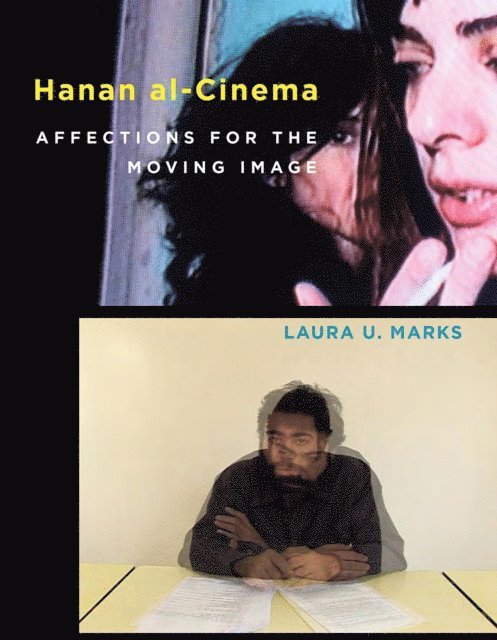
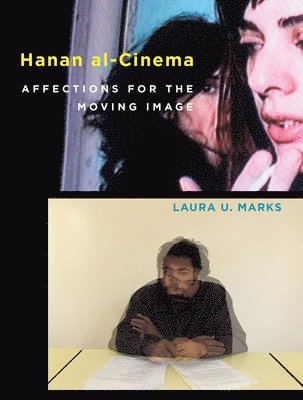
Hanan al-Cinema
E-bok, 2015
436 kr
Lägg i varukorg
An examination of experimental cinema and media art from the Arabic-speaking world that explores filmmakers'' creative and philosophical inventiveness in trying times. In this book, Laura Marks examines one of the world''s most impressive, and affecting, bodies of independent and experimental …
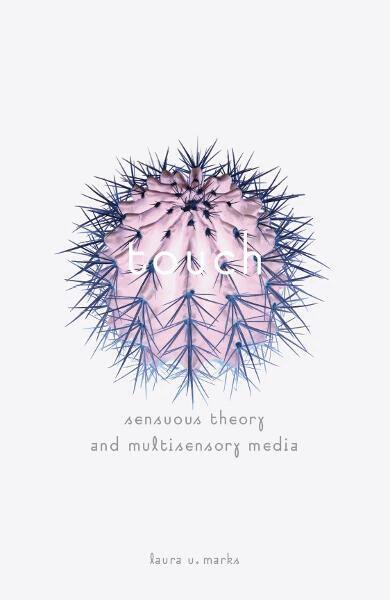
Touch
Sensuous Theory and Multisensory Media
Häftad, 2002
311 kr
Lägg i varukorg
Proposes a revolutionary approach to the interpretation of art, film, and the digital.In Touch, Laura U. Marks develops a critical approach more tactile than visual, an intensely physical and sensuous engagement with works of media art that enriches our understanding and experience of these works …
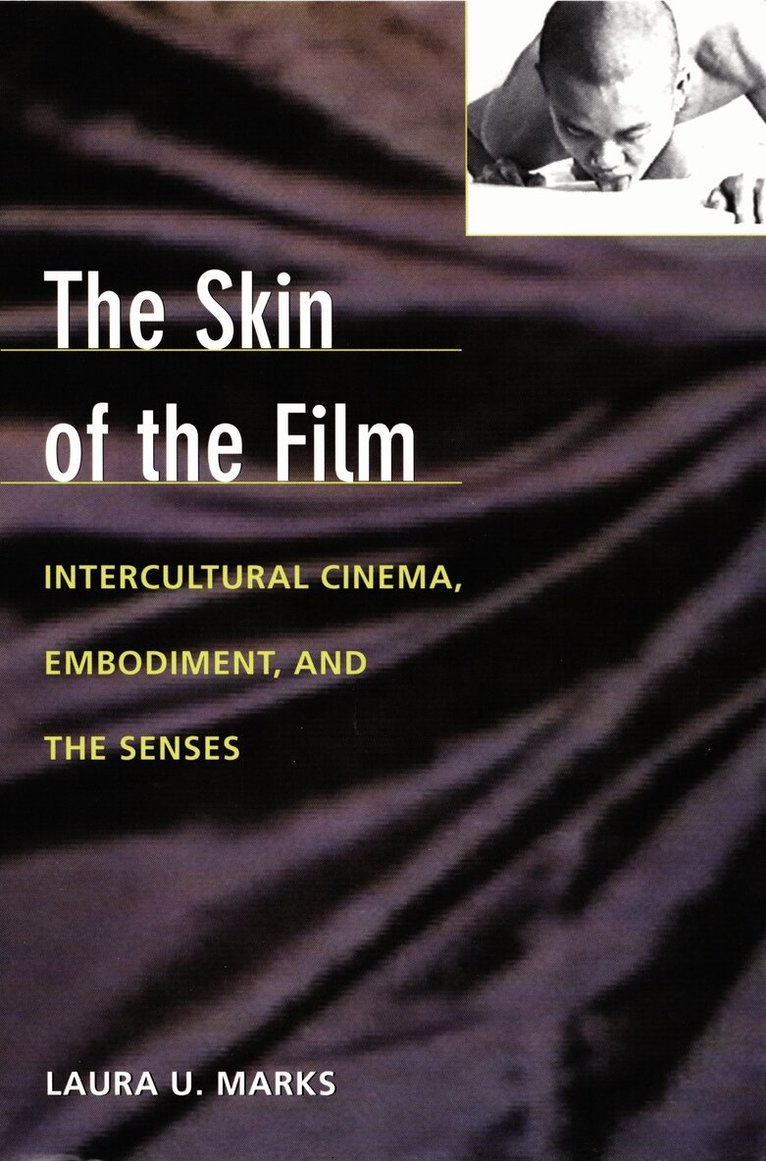
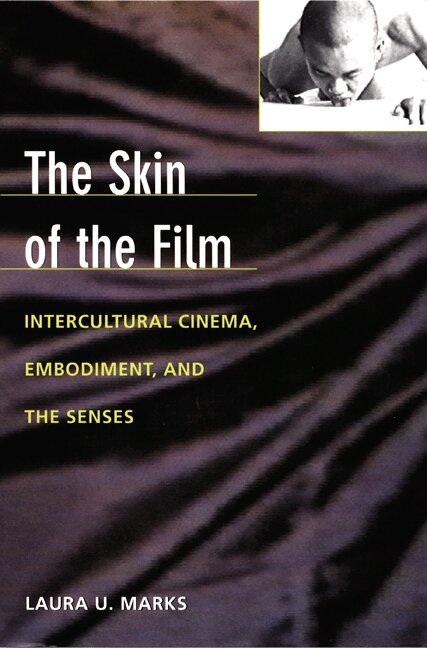
Skin of the Film
Intercultural Cinema, Embodiment, and the Senses
Inbunden, 2000
1403 kr
Lägg i varukorg
Memories that evoke the physical awareness of touch, smell, and bodily presence can be vital links to home for people living in diaspora from their culture of origin. How can filmmakers working between cultures use cinema, a visual medium, to transmit that physical sense of place and culture? In …
Skin of the Film
Intercultural Cinema, Embodiment, and the Senses
Häftad, 2000
493 kr
Lägg i varukorg
Memories that evoke the physical awareness of touch, smell, and bodily presence can be vital links to home for people living in diaspora from their culture of origin. How can filmmakers working between cultures use cinema, a visual medium, to transmit that physical sense of place and culture? In …
Skin of the Film
Intercultural Cinema, Embodiment, and the Senses
E-bok, 2000
457 kr
Lägg i varukorg
Memories that evoke the physical awareness of touch, smell, and bodily presence can be vital links to home for people living in diaspora from their culture of origin. How can filmmakers working between cultures use cinema, a visual medium, to transmit that physical sense of place and culture? In …
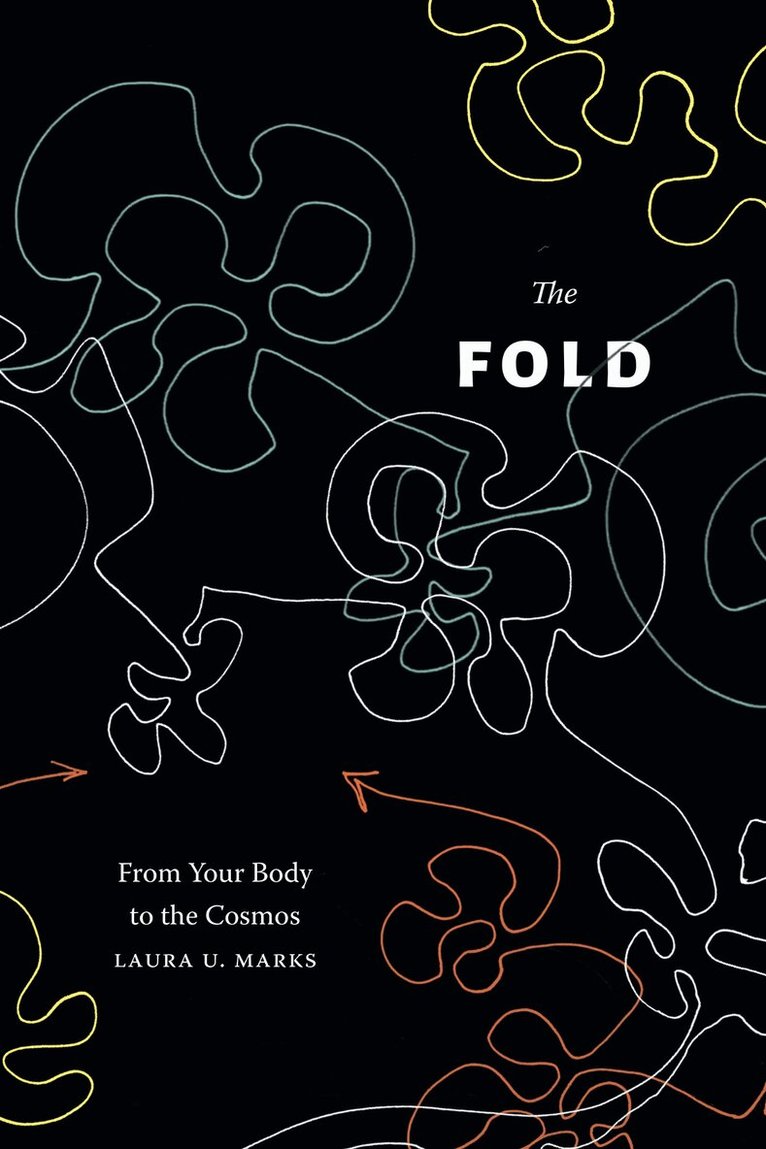
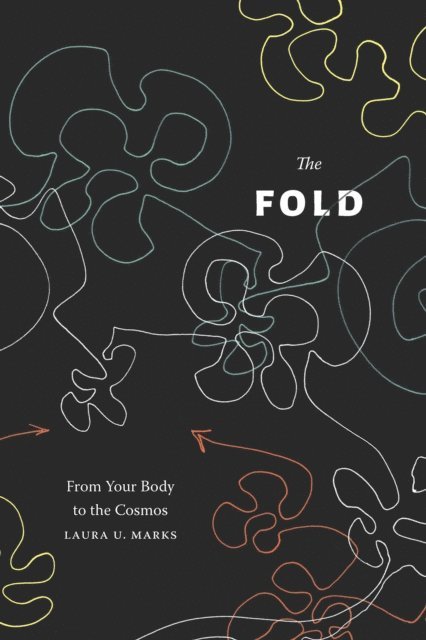
Fold
From Your Body to the Cosmos
Inbunden, 2024
1238 kr
Lägg i varukorg
In The Fold, Laura U. Marks offers a practical philosophy and aesthetic theory for living in an infinitely connected cosmos. Drawing on the theories of Leibniz, Glissant, Deleuze, and theoretical physicist David Bohm-who each conceive of the universe as being folded in on itself in myriad …
Fold
From Your Body to the Cosmos
Häftad, 2024
330 kr
Lägg i varukorg
In The Fold, Laura U. Marks offers a practical philosophy and aesthetic theory for living in an infinitely connected cosmos. Drawing on the theories of Leibniz, Glissant, Deleuze, and theoretical physicist David Bohm-who each conceive of the universe as being folded in on itself in myriad …
Fold
From Your Body to the Cosmos
E-bok, 2024
472 kr
Lägg i varukorg
In The Fold , Laura U. Marks offers a practical philosophy and aesthetic theory for living in an infinitely connected cosmos. Drawing on the theories of Leibniz, Glissant, Deleuze, and theoretical physicist David Bohm—who each conceive of the universe as being folded in on itself in myriad …