Lawrence Webb – författare
Visar alla böcker från författaren Lawrence Webb. Handla med fri frakt och snabb leverans.
11 produkter
11 produkter
Inbunden, Engelska, 2016
1 002 kr
Skickas inom 5-8 vardagar
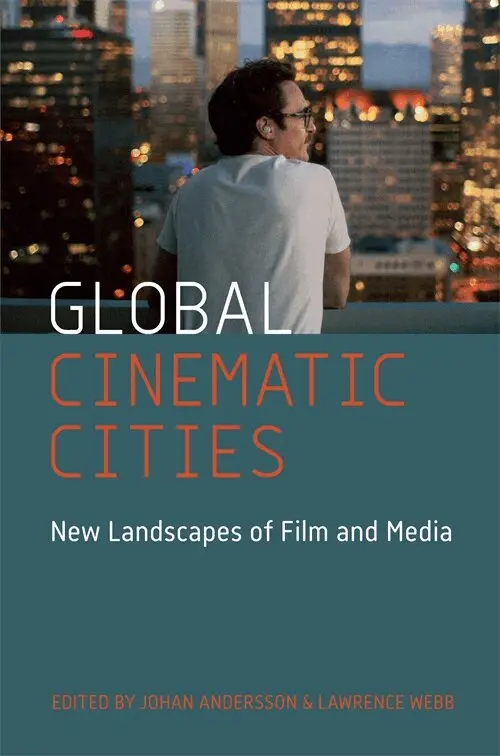
Cinema and audiovisual media are integral to the culture, economy and social experience of the contemporary global city. But how has the relationship between cinema and the urban environment evolved in the era of digital technology, new media and globalization? And what are the critical tools and concepts with which we can grasp this vital interconnection between space and screen, viewer and built environment? Engaging with a rapidly transforming urban world, the contributions to this collection rethink the 'cinematic city' at a global scale. By presenting a global constellation of screen cities within one volume, the book encourages juxtapositions and comparisons across the North and South to capture the global city and its dynamics of exchange, hybridity, and circulation. The contributions examine film and screen cultures in a range of locations spanning five continents: Antibes, Beijing, Buenos Aires, Busan, Cairo, Caracas, Copenhagen, Jakarta, Kolkata, Lagos, Los Angeles, Malmo, Manila, Mumbai, Nairobi, Paris, Seoul, Sete, and Shanghai.The chapters address topics that range across the contemporary film and media landscape, from popular cinema, art cinema, and film festivals to serial television, public screens, multimedia installations, and video art. Contributors: Chris Berry, Yomi Braester, Jinhee Choi, Pei-Sze Chow, Thomas Elsaesser, Malini Guha, Jonathan Haynes, Will Higbee, Igor Krstic, Christian B. Long, Joanna Page, Lawrence Webb.
Häftad, Engelska, 2016
333 kr
Skickas inom 5-8 vardagar
Cinema and audiovisual media are integral to the culture, economy and social experience of the contemporary global city. But how has the relationship between cinema and the urban environment evolved in the era of digital technology, new media and globalization? And what are the critical tools and concepts with which we can grasp this vital interconnection between space and screen, viewer and built environment? Engaging with a rapidly transforming urban world, the contributions to this collection rethink the 'cinematic city' at a global scale. By presenting a global constellation of screen cities within one volume, the book encourages juxtapositions and comparisons across the North and South to capture the global city and its dynamics of exchange, hybridity, and circulation. The contributions examine film and screen cultures in a range of locations spanning five continents: Antibes, Beijing, Buenos Aires, Busan, Cairo, Caracas, Copenhagen, Jakarta, Kolkata, Lagos, Los Angeles, Malmo, Manila, Mumbai, Nairobi, Paris, Seoul, Sete, and Shanghai.The chapters address topics that range across the contemporary film and media landscape, from popular cinema, art cinema, and film festivals to serial television, public screens, multimedia installations, and video art. Contributors: Chris Berry, Yomi Braester, Jinhee Choi, Pei-Sze Chow, Thomas Elsaesser, Malini Guha, Jonathan Haynes, Will Higbee, Igor Krstic, Christian B. Long, Joanna Page, Lawrence Webb.
Häftad, Engelska, 2019
388 kr
Skickas inom 5-8 vardagar
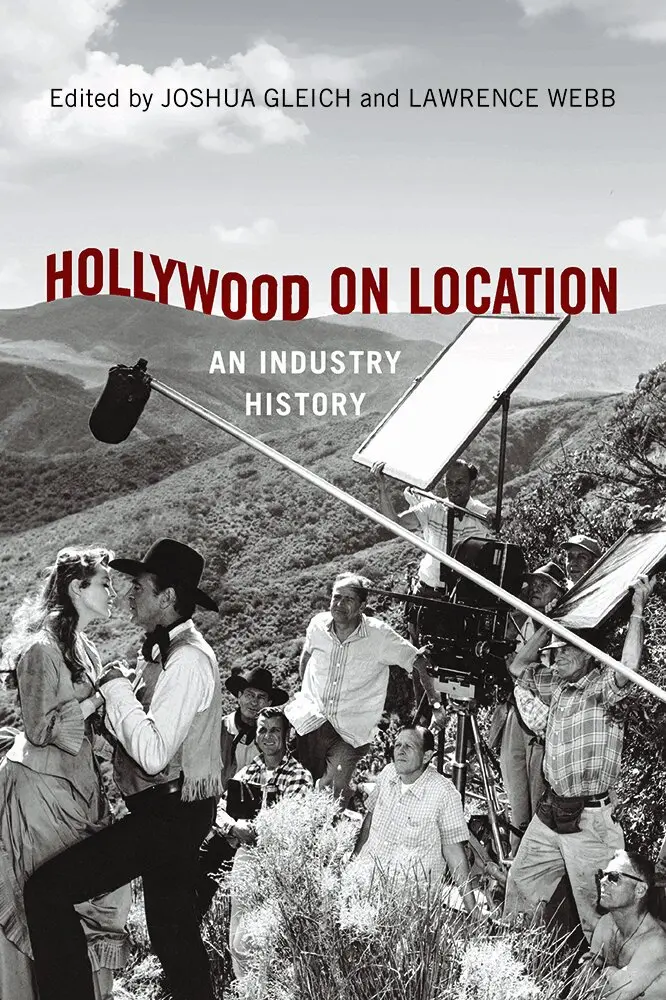
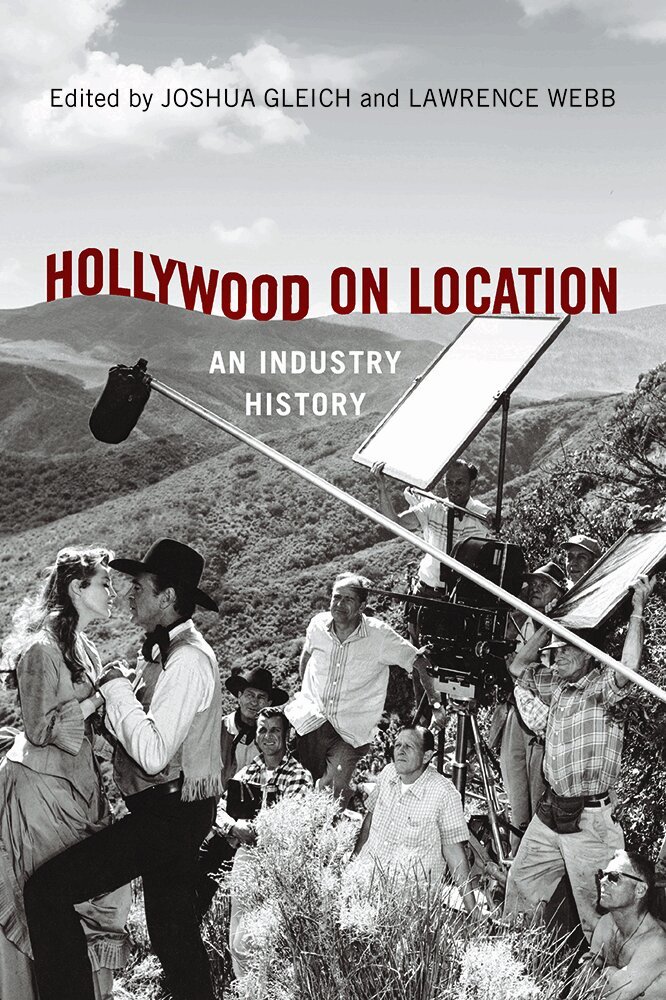
Location shooting has always been a vital counterpart to soundstage production, and at times, the primary form of Hollywood filmmaking. But until now, the industrial and artistic development of this production practice has been scattered across the margins of larger American film histories. Hollywood on Location is the first comprehensive history of location shooting in the American film industry, showing how this mode of filmmaking changed Hollywood business practices, production strategies, and visual style from the silent era to the present. The contributors explore how location filmmaking supplemented and later, supplanted production on the studio lots. Drawing on archival research and in-depth case studies, the seven contributors show how location shooting expanded the geography of American film production, from city streets and rural landscapes to far-flung territories overseas, invoking a new set of creative, financial, technical, and logistical challenges. Whereas studio filmmaking sought to recreate nature, location shooting sought to master it, finding new production values and production economies that reshaped Hollywood's modus operandi.
Inbunden, Engelska, 2019
1 702 kr
Skickas inom 5-8 vardagar
Location shooting has always been a vital counterpart to soundstage production, and at times, the primary form of Hollywood filmmaking. But until now, the industrial and artistic development of this production practice has been scattered across the margins of larger American film histories. Hollywood on Location is the first comprehensive history of location shooting in the American film industry, showing how this mode of filmmaking changed Hollywood business practices, production strategies, and visual style from the silent era to the present. The contributors explore how location filmmaking supplemented and later, supplanted production on the studio lots. Drawing on archival research and in-depth case studies, the seven contributors show how location shooting expanded the geography of American film production, from city streets and rural landscapes to far-flung territories overseas, invoking a new set of creative, financial, technical, and logistical challenges. Whereas studio filmmaking sought to recreate nature, location shooting sought to master it, finding new production values and production economies that reshaped Hollywood's modus operandi.
E-bok
PDF, Engelska, 20251 278 kr
Läs direkt efter köp
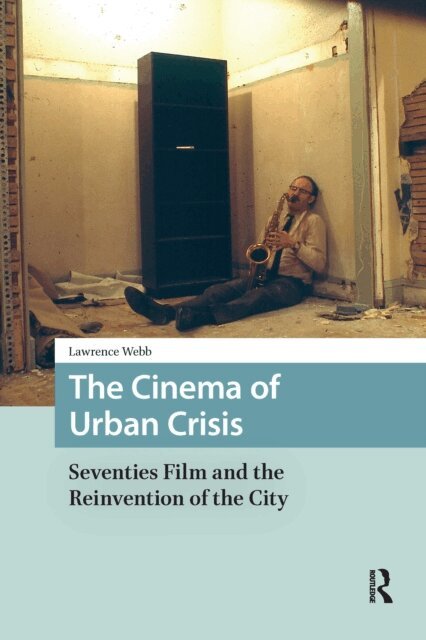
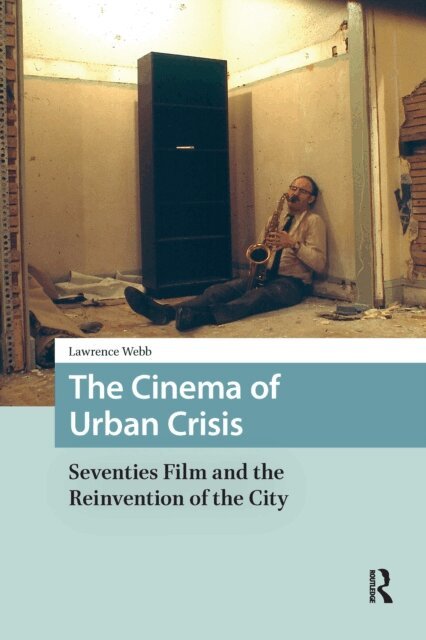
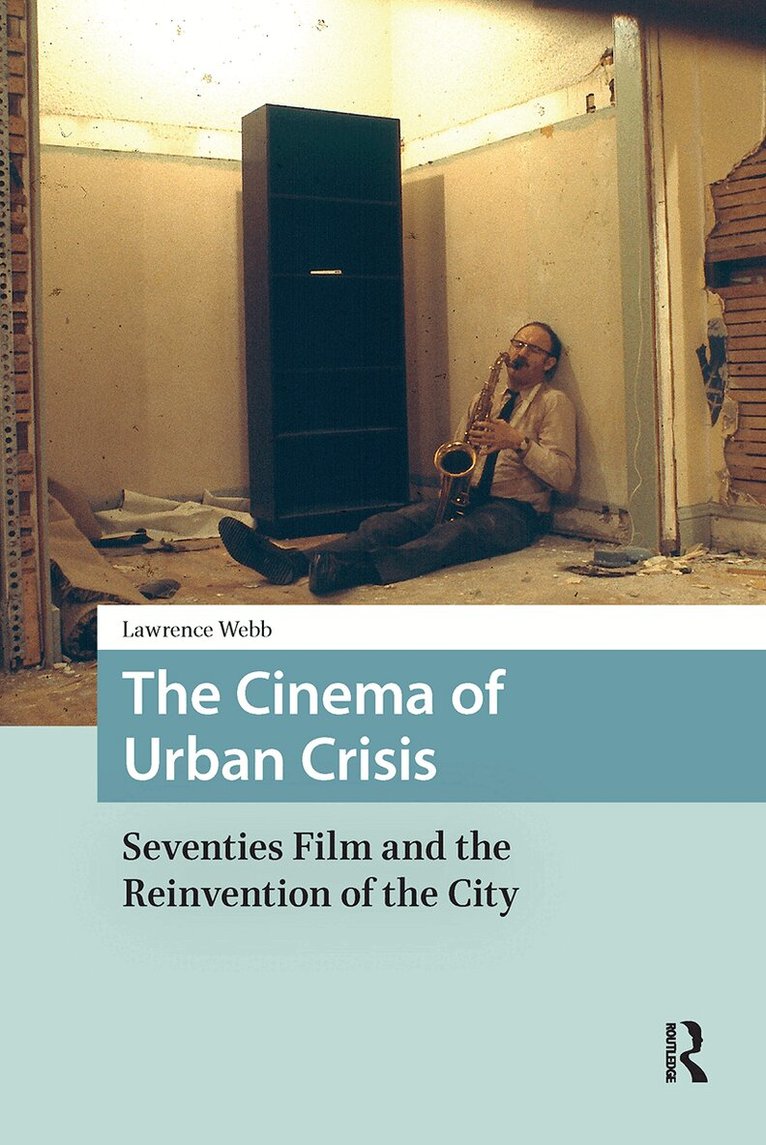
In the 1970s, cities across the United States and Western Europe faced a deep social and political crisis that challenged established principles of planning, economics and urban theory. At the same time, film industries experienced a parallel process of transition, the effects of which rippled through the aesthetic and narrative form of the decade's cinema. The Cinema of Urban Crisis traces a new path through the cinematic legacy of the 1970s by drawing together these intertwined histories of urban and cultural change. Bringing issues of space and place to the fore, the book unpacks the geographical and spatial dynamics of film movements from the New Hollywood to the New German Cinema, showing how the crisis of the seventies and the emerging 'postindustrial' economy brought film and the city together in new configurations. Chapters cover a range of cities on both sides of the Atlantic, from New York, Philadelphia and San Francisco to London, Paris and Berlin. Integrating analysis of film industries and production practices with detailed considerations of individual texts, the book offers strikingly original close analyses of a wide range of films, from New Hollywood (The Conversation, The King of Marvin Gardens, Rocky) to European art cinema (Alice in the Cities, The Passenger, Tout va Bien) and popular international genres such as the political thriller and the crime film. Focusing on the aesthetic and representational strategies of these films, the book argues that the decade's cinema engaged with - and helped to shape - the passage from the 'urban crisis' of the late sixties to the neoliberal 'urban renaissance' of the early eighties. Splicing ideas from film studies with urban geography and architectural history, the book offers a fresh perspective on a rich period of film history and opens up new directions for critical engagement between film and urban studies.
E-bok
Engelska, 20251 244 kr
Läs direkt efter köp
In the 1970s, cities across the United States and Western Europe faced a deep social and political crisis that challenged established principles of planning, economics and urban theory. At the same time, film industries experienced a parallel process of transition, the effects of which rippled through the aesthetic and narrative form of the decade's cinema. The Cinema of Urban Crisis traces a new path through the cinematic legacy of the 1970s by drawing together these intertwined histories of urban and cultural change. Bringing issues of space and place to the fore, the book unpacks the geographical and spatial dynamics of film movements from the New Hollywood to the New German Cinema, showing how the crisis of the seventies and the emerging 'postindustrial' economy brought film and the city together in new configurations. Chapters cover a range of cities on both sides of the Atlantic, from New York, Philadelphia and San Francisco to London, Paris and Berlin. Integrating analysis of film industries and production practices with detailed considerations of individual texts, the book offers strikingly original close analyses of a wide range of films, from New Hollywood (The Conversation, The King of Marvin Gardens, Rocky) to European art cinema (Alice in the Cities, The Passenger, Tout va Bien) and popular international genres such as the political thriller and the crime film. Focusing on the aesthetic and representational strategies of these films, the book argues that the decade's cinema engaged with - and helped to shape - the passage from the 'urban crisis' of the late sixties to the neoliberal 'urban renaissance' of the early eighties. Splicing ideas from film studies with urban geography and architectural history, the book offers a fresh perspective on a rich period of film history and opens up new directions for critical engagement between film and urban studies.
E-bok
Engelska, 2019514 kr
Läs direkt efter köp
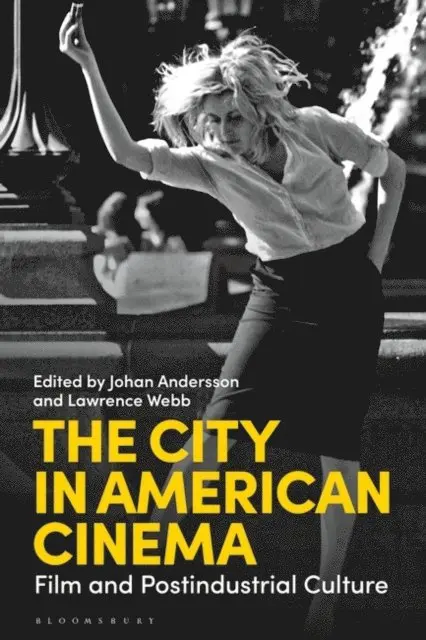
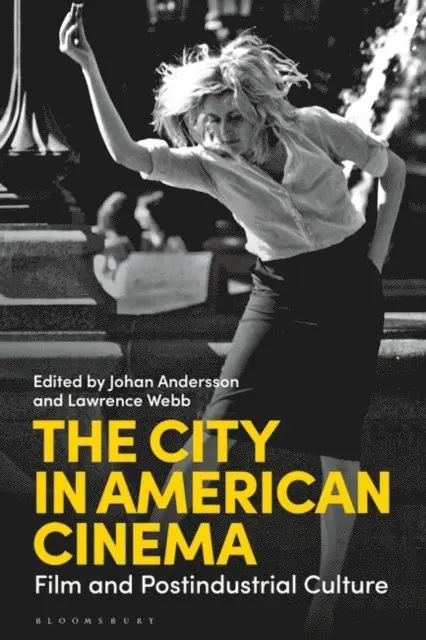
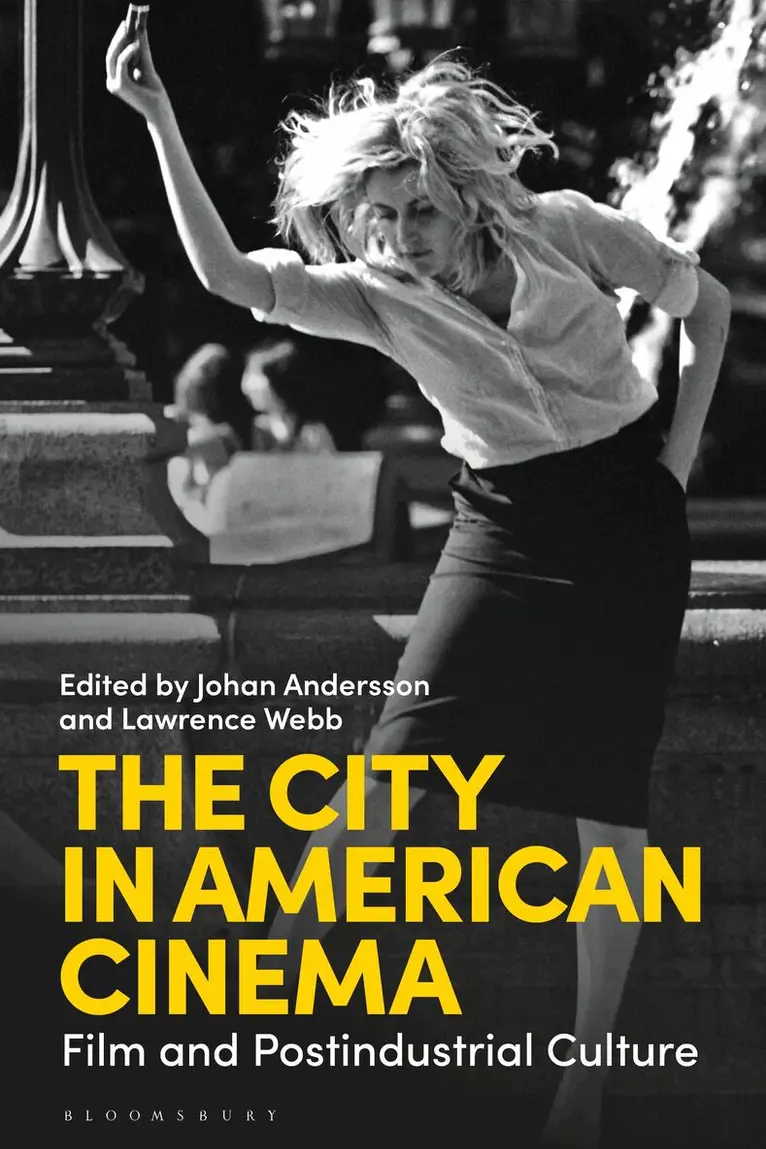
How has American cinema engaged with the rapid transformation of cities and urban culture since the 1960s? And what role have films and film industries played in shaping and mediating the “postindustrial” city? This collection argues that cinema and cities have become increasingly intertwined in the era of neoliberalism, urban branding, and accelerated gentrification. Examining a wide range of films from Hollywoodblockbusters to indie cinema, it considers the complex, evolving relationship between moving image cultures and the spaces, policies, and politics of US cities from New York, Los Angeles, and Boston to Detroit, Oakland, and Baltimore. The contributors address questions of narrative, genre, and style alongside the urban contexts of production, exhibition, and reception, discussing films including The Friends of Eddie Coyle (1973),Cruising (1980), Desperately Seeking Susan (1985), King of New York (1990), Inception (2010), Frances Ha (2012), Fruitvale Station (2013), Only Lovers Left Alive (2013), and Doctor Strange (2016).
E-bok
PDF, Engelska, 2019514 kr
Läs direkt efter köp
How has American cinema engaged with the rapid transformation of cities and urban culture since the 1960s? And what role have films and film industries played in shaping and mediating the “postindustrial” city? This collection argues that cinema and cities have become increasingly intertwined in the era of neoliberalism, urban branding, and accelerated gentrification. Examining a wide range of films from Hollywoodblockbusters to indie cinema, it considers the complex, evolving relationship between moving image cultures and the spaces, policies, and politics of US cities from New York, Los Angeles, and Boston to Detroit, Oakland, and Baltimore. The contributors address questions of narrative, genre, and style alongside the urban contexts of production, exhibition, and reception, discussing films including The Friends of Eddie Coyle (1973),Cruising (1980), Desperately Seeking Susan (1985), King of New York (1990), Inception (2010), Frances Ha (2012), Fruitvale Station (2013), Only Lovers Left Alive (2013), and Doctor Strange (2016).
Häftad, Engelska, 2021
466 kr
Skickas inom 10-15 vardagar
How has American cinema engaged with the rapid transformation of cities and urban culture since the 1960s? And what role have films and film industries played in shaping and mediating the “postindustrial” city? This collection argues that cinema and cities have become increasingly intertwined in the era of neoliberalism, urban branding, and accelerated gentrification. Examining a wide range of films from Hollywoodblockbusters to indie cinema, it considers the complex, evolving relationship between moving image cultures and the spaces, policies, and politics of US cities from New York, Los Angeles, and Boston to Detroit, Oakland, and Baltimore. The contributors address questions of narrative, genre, and style alongside the urban contexts of production, exhibition, and reception, discussing films including The Friends of Eddie Coyle (1973),Cruising (1980), Desperately Seeking Susan (1985), King of New York (1990), Inception (2010), Frances Ha (2012), Fruitvale Station (2013), Only Lovers Left Alive (2013), and Doctor Strange (2016).
Inbunden, Engelska, 2019
1 674 kr
Skickas inom 10-15 vardagar
How has American cinema engaged with the rapid transformation of cities and urban culture since the 1960s? And what role have films and film industries played in shaping and mediating the “postindustrial” city? This collection argues that cinema and cities have become increasingly intertwined in the era of neoliberalism, urban branding, and accelerated gentrification. Examining a wide range of films from Hollywoodblockbusters to indie cinema, it considers the complex, evolving relationship between moving image cultures and the spaces, policies, and politics of US cities from New York, Los Angeles, and Boston to Detroit, Oakland, and Baltimore. The contributors address questions of narrative, genre, and style alongside the urban contexts of production, exhibition, and reception, discussing films including The Friends of Eddie Coyle (1973),Cruising (1980), Desperately Seeking Susan (1985), King of New York (1990), Inception (2010), Frances Ha (2012), Fruitvale Station (2013), Only Lovers Left Alive (2013), and Doctor Strange (2016).
Häftad, Engelska, 2014
1 080 kr
Skickas inom 10-15 vardagar
The Cinema of Urban Crisis explores the relationships between cinema and urban crises in the United States and Europe in the 1970s.