Leif Edvinsson – författare
Visar alla böcker från författaren Leif Edvinsson. Handla med fri frakt och snabb leverans.
62 produkter
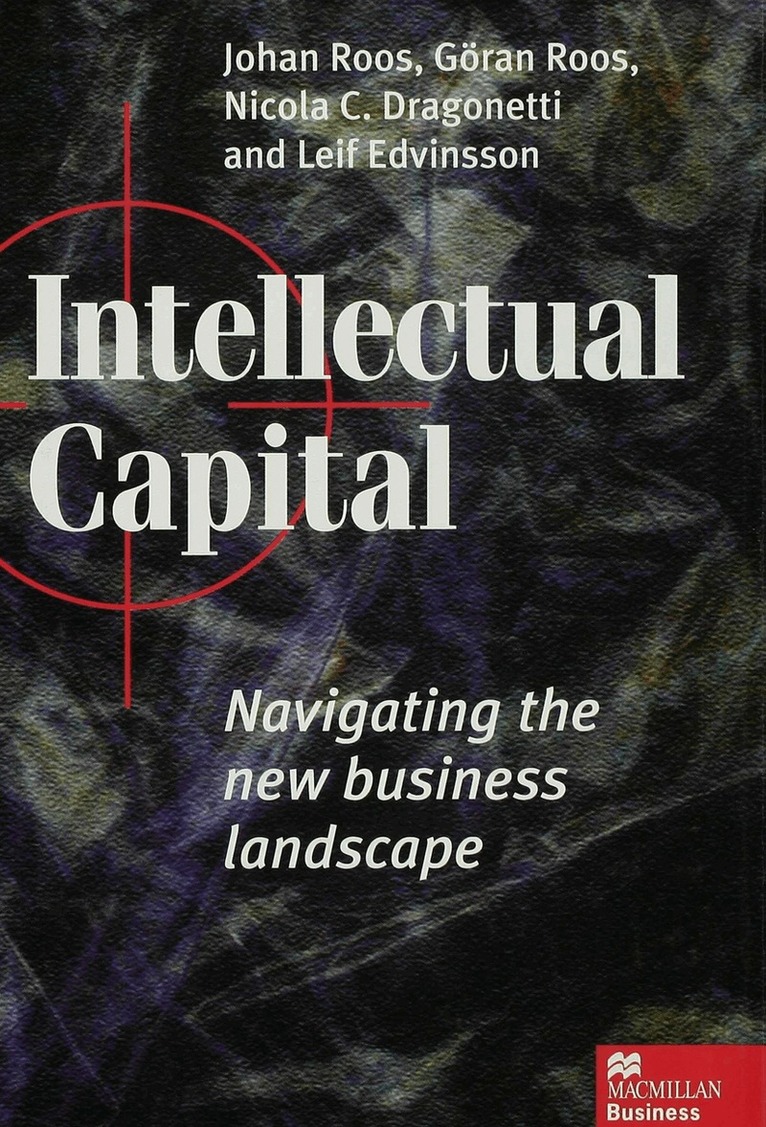
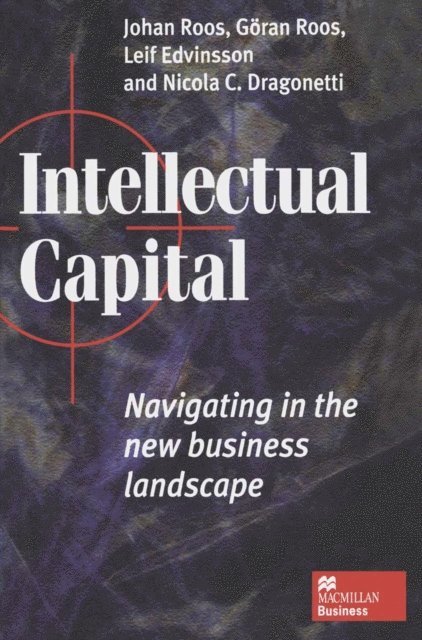
Intellectual Capital
Navigating the New Business Landscape
Av Johan Roos, Leif Edvinsson m. fl.
Inbunden, 1997
568 kr
Lägg i varukorg
Intellectual Capital refers to one of the most important sources of business advantage - the knowledge within the organisation of how to create value for customers. This is reflected in the transformation of society into knowledge work and the increasing difference between the book value and the …
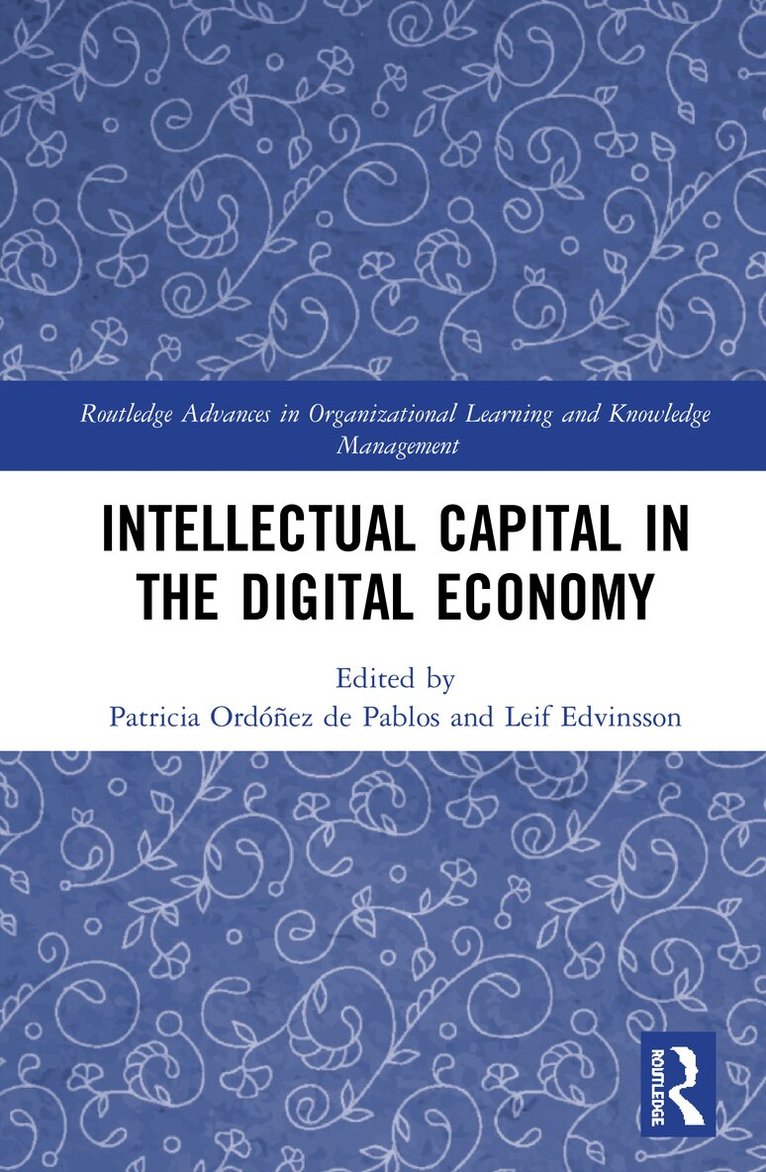
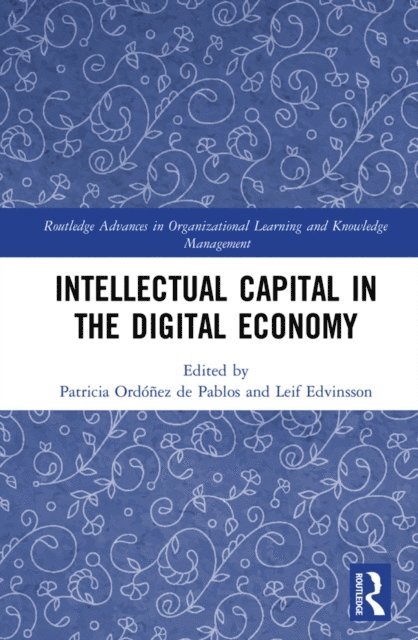
Intellectual Capital in the Digital Economy
Av Patricia Ordóñez de Pablos, Leif Edvinsson
Inbunden, 2020
2585 kr
Lägg i varukorg
This book presents a global view of digital and knowledge-based economies and analyses the role of intellectual capital, intellectual capital reports and information technology in achieving sustained competitive advantages in the globalized economy.Intellectual Capital in the Digital Economy …
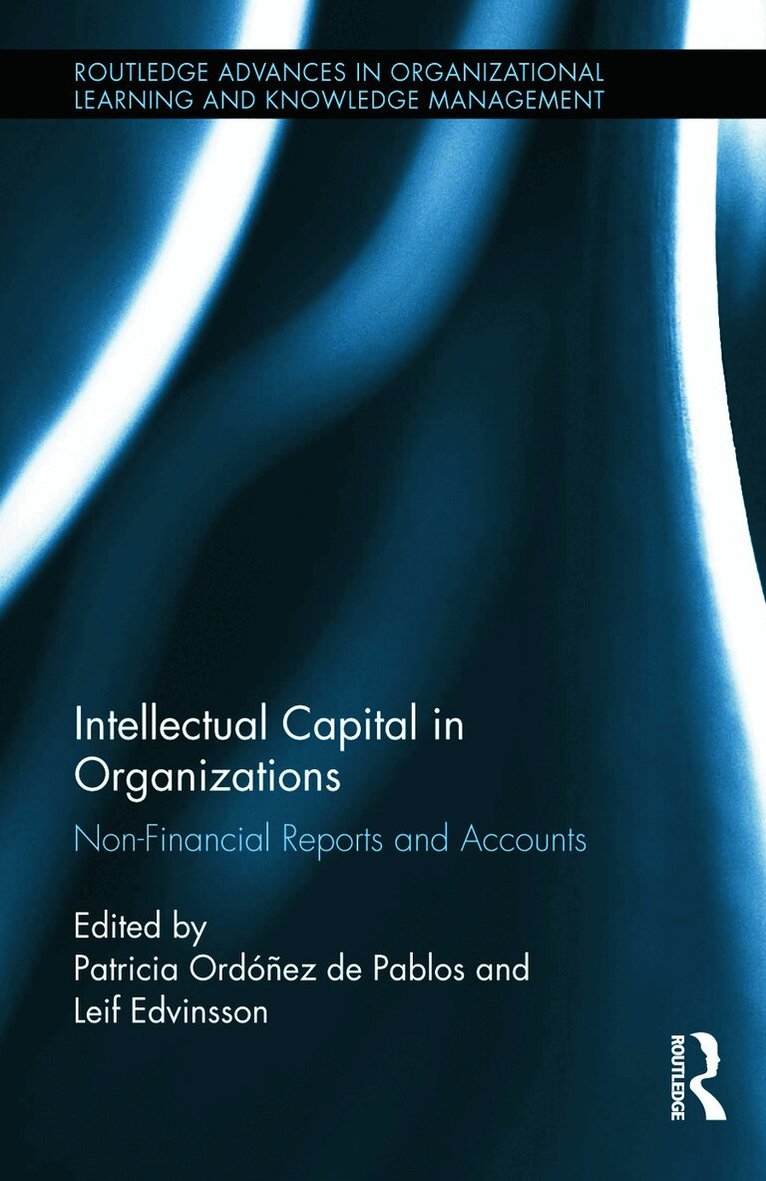
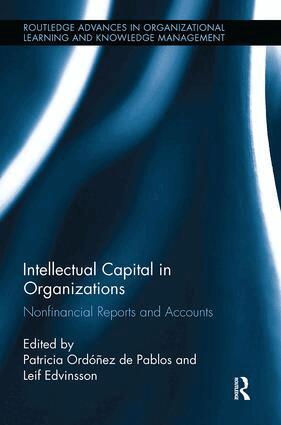
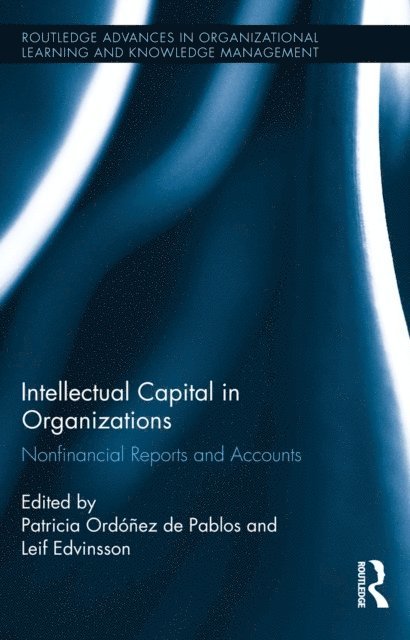
Intellectual Capital in Organizations
Non-Financial Reports and Accounts
Av Patricia Ordoñez de Pablos, Leif Edvinsson
Inbunden, 2014
2439 kr
Lägg i varukorg
In a global competitive economic environment, resources that are scarce or irreplicable are a source of sustained competitive advantage for companies and organizations. Knowledge-based resources are a major and increasing driver of long term competitive advantage. Most accounting standards however …
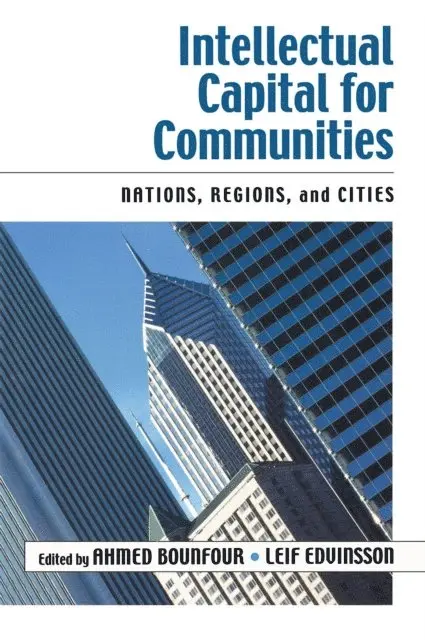
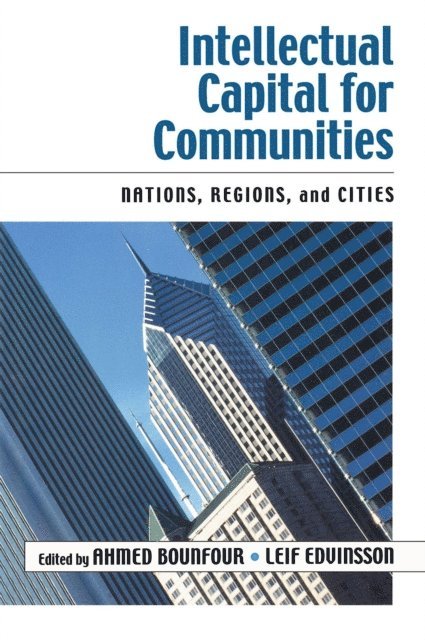
Intellectual Capital for Communities
Av Ahmed Bounfour, Leif Edvinsson
Häftad, 2005
1701 kr
Lägg i varukorg
In the knowledge economy, the value of corporations is directly related to their knowledge and intellectual capital. But broaden the perspective a little wider and you begin to see the possibilities: Think of cities, regions, even entire nations, in addition to the public sector. If intangibles and …
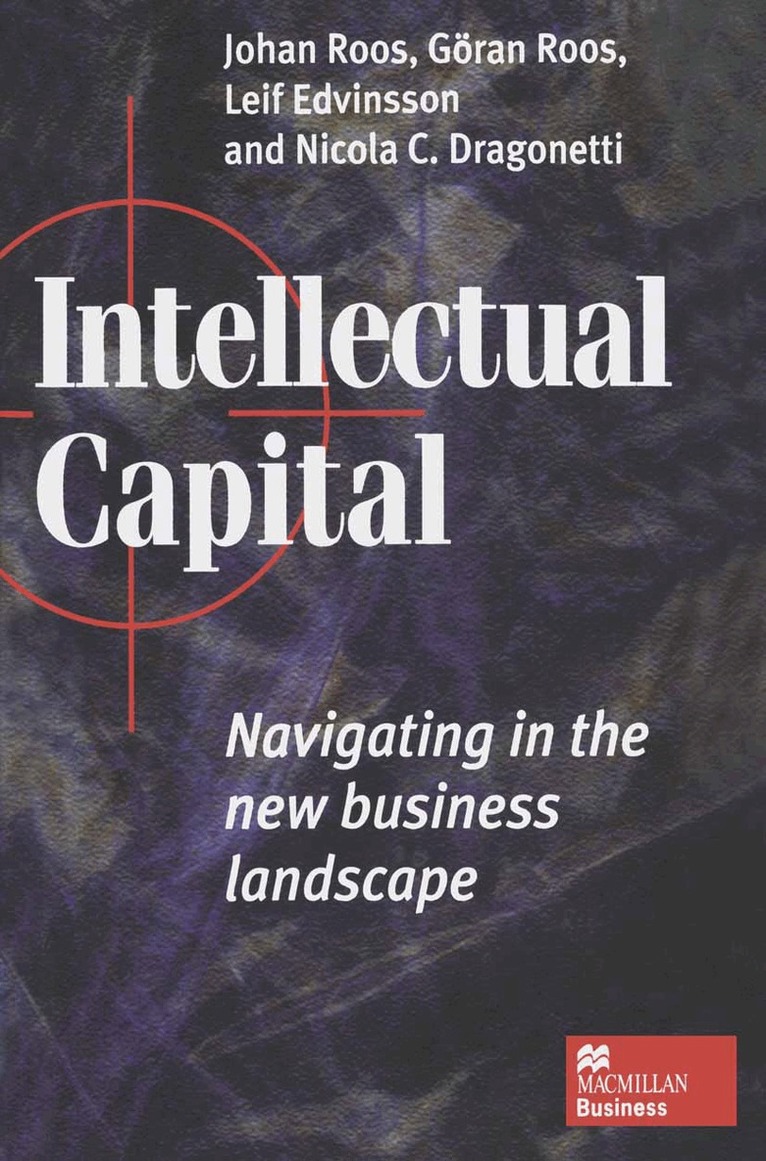
Intellectual Capital
Navigating in the New Business Landscape
Av Johan Roos, Goran Roos m. fl.
Inbunden, 1998
1526 kr
Lägg i varukorg
Successful companies rely on traditional factors of production for their survival. Yet the most important and sustainable sources of competitive advantage-knowledge, customer relations, supply-on-demand, micromanagement, and other forms of "intellectual capital"-often don't even appear on many …
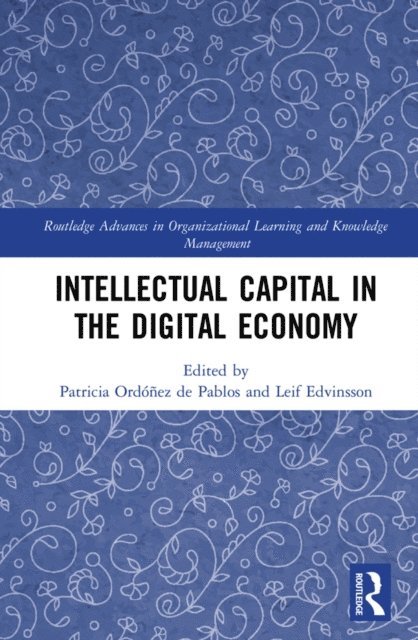
Intellectual Capital in the Digital Economy
Av Leif Edvinsson, Patricia Ordonez de Pablos
E-bok, 2020
838 kr
Lägg i varukorg
This book presents a global view of digital and knowledge-based economies and analyses the role of intellectual capital, intellectual capital reports and information technology in achieving sustained competitive advantages in the globalized economy. Intellectual Capital in the Digital Economy …
Intellectual Capital in the Digital Economy
Av Leif Edvinsson, Patricia Ordonez de Pablos
E-bok, 2020
838 kr
Lägg i varukorg
This book presents a global view of digital and knowledge-based economies and analyses the role of intellectual capital, intellectual capital reports and information technology in achieving sustained competitive advantages in the globalized economy. Intellectual Capital in the Digital Economy …
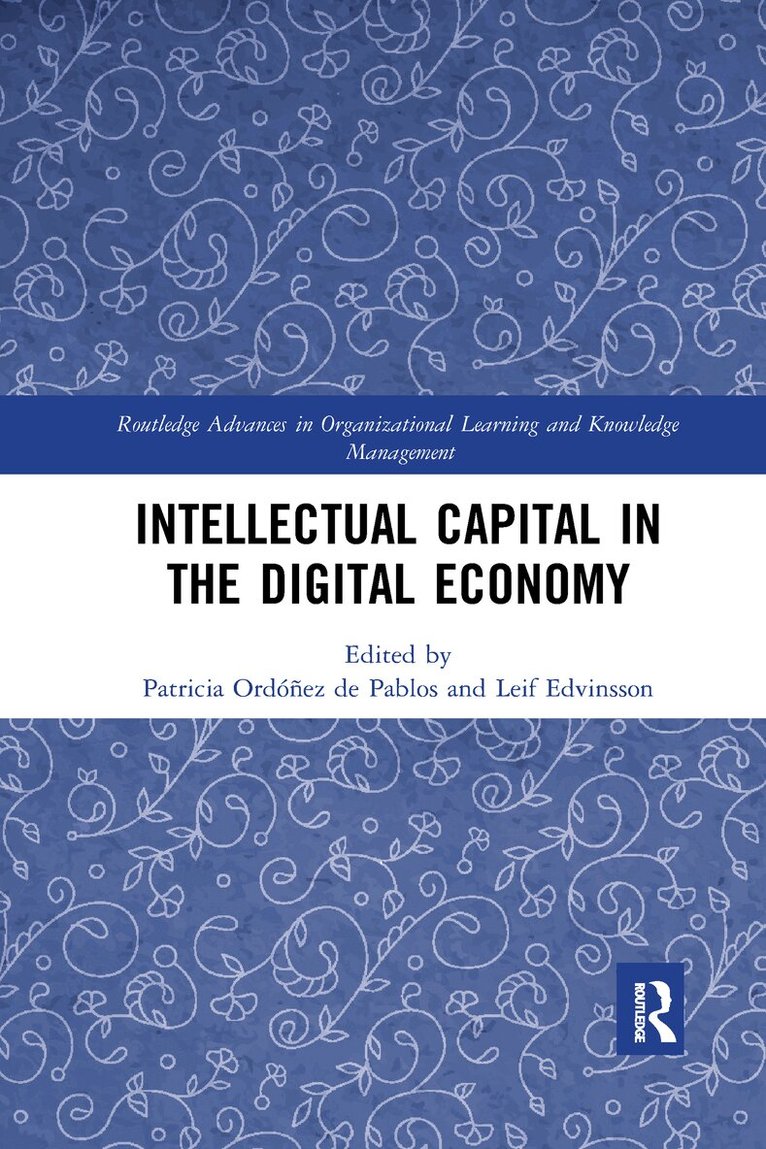
Intellectual Capital in the Digital Economy
Av Patricia Ordóñez de Pablos, Leif Edvinsson
Häftad, 2021
712 kr
Lägg i varukorg
This book presents a global view of digital and knowledge-based economies and analyses the role of intellectual capital, intellectual capital reports and information technology in achieving sustained competitive advantages in the globalized economy.Intellectual Capital in the Digital Economy …
Intellectual Capital for Communities
Av Leif Edvinsson, Ahmed Bounfour
E-bok, 2012
1420 kr
Lägg i varukorg
In the knowledge economy, the value of corporations is directly related to their knowledge and intellectual capital. But broaden the perspective a little wider and you begin to see the possibilities: Think of cities, regions, even entire nations, in addition to the public sector. If intangibles and …
Intellectual Capital for Communities
Av Leif Edvinsson, Ahmed Bounfour
E-bok, 2012
1420 kr
Lägg i varukorg
In the knowledge economy, the value of corporations is directly related to their knowledge and intellectual capital. But broaden the perspective a little wider and you begin to see the possibilities: Think of cities, regions, even entire nations, in addition to the public sector. If intangibles and …
Intellectual Capital for Communities
Av Ahmed Bounfour, Leif Edvinsson
Inbunden, 2016
2510 kr
Lägg i varukorg
In the knowledge economy, the value of corporations is directly related to their knowledge and intellectual capital. But broaden the perspective a little wider and you begin to see the possibilities: Think of cities, regions, even entire nations, in addition to the public sector. If intangibles and …
Intellectual Capital in Organizations
Non-Financial Reports and Accounts
Av Patricia Ordoñez de Pablos, Leif Edvinsson
Häftad, 2018
772 kr
Lägg i varukorg
In a global competitive economic environment, resources that are scarce or irreplicable are a source of sustained competitive advantage for companies and organizations. Knowledge-based resources are a major and increasing driver of long term competitive advantage. Most accounting standards however …
Intellectual Capital in Organizations
Non-Financial Reports and Accounts
Av Leif Edvinsson, Patricia Ordonez de Pablos
E-bok, 2014
910 kr
Lägg i varukorg
In a global competitive economic environment, resources that are scarce or irreplicable are a source of sustained competitive advantage for companies and organizations. Knowledge-based resources are a major and increasing driver of long term competitive advantage. Most accounting standards however …
Intellectual Capital in Organizations
Non-Financial Reports and Accounts
Av Leif Edvinsson, Patricia Ordonez de Pablos
E-bok, 2014
910 kr
Lägg i varukorg
In a global competitive economic environment, resources that are scarce or irreplicable are a source of sustained competitive advantage for companies and organizations. Knowledge-based resources are a major and increasing driver of long term competitive advantage. Most accounting standards however …
Intellectual Capital
Navigating the New Business Landscape
Av Nicola C. Dragonetti, Leif Edvinsson m. fl.
E-bok, 1997
803 kr
Lägg i varukorg
Intellectual Capital refers to one of the most important sources of business advantage - the knowledge within the organisation of how to create value for customers. This is reflected in the transformation of society into knowledge work and the increasing difference between the book value and the …
Intellectual Capital
Navigating the New Business Landscape
Av Johan Roos, Leif Edvinsson m. fl.
Häftad, 1997
567 kr
Lägg i varukorg
Intellectual Capital refers to one of the most important sources of business advantage - the knowledge within the organisation of how to create value for customers. This is reflected in the transformation of society into knowledge work and the increasing difference between the book value and the …
National Intellectual Capital
A Comparison of 40 Countries
Av Carol Yeh-Yun Lin, Leif Edvinsson
Inbunden, 2010
1129 kr
Lägg i varukorg
Over the past decade, knowledge assets and intellectual capital have been attracting an increasing amount of attention, not only from academics and CEOs, but also from national policy makers. To date, most studies of intellectual capital have focused at the organizational level, with an emphasis on …
National Intellectual Capital
A Comparison of 40 Countries
Av Leif Edvinsson, Carol Yeh-Yun Lin
E-bok, 2010
1502 kr
Lägg i varukorg
Over the past decade, knowledge assets and intellectual capital have been attracting an increasing amount of attention, not only from academics and CEOs, but also from national policy makers. To date, most studies of intellectual capital have focused at the organizational level, with an emphasis on …
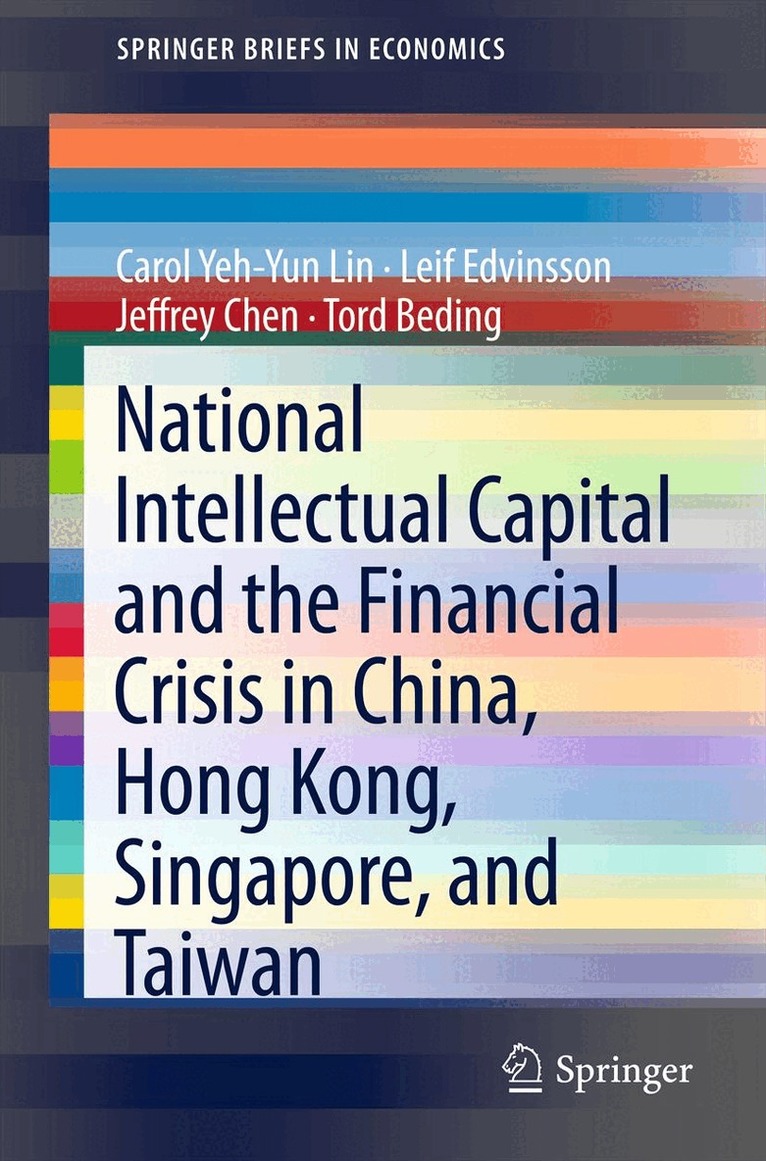
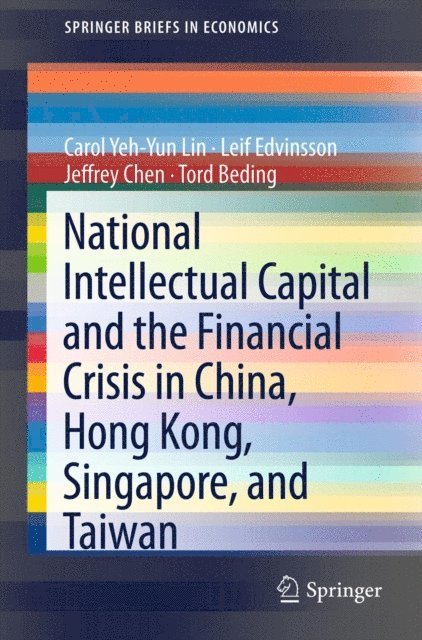
National Intellectual Capital and the Financial Crisis in China, Hong Kong, Singapore, and Taiwan
Av Carol Yeh-Yun Lin, Leif Edvinsson m. fl.
Häftad, 2012
568 kr
Lägg i varukorg
In the first decade of the twenty-first century, the biggest event of worldwide proportion was the 2008 global financial crisis, which was caused primarily by ineffective governance, failed surveillance systems, and implementation flaws. While fiscal and monetary policies succeeded in pulling many …
National Intellectual Capital and the Financial Crisis in China, Hong Kong, Singapore, and Taiwan
Av Tord Beding, Jeffrey Chen m. fl.
E-bok, 2012
755 kr
Lägg i varukorg
In the first decade of the twenty-first century, the biggest event of worldwide proportion was the 2008 global financial crisis, which was caused primarily by ineffective governance, failed surveillance systems, and implementation flaws. While fiscal and monetary policies succeeded in pulling many …
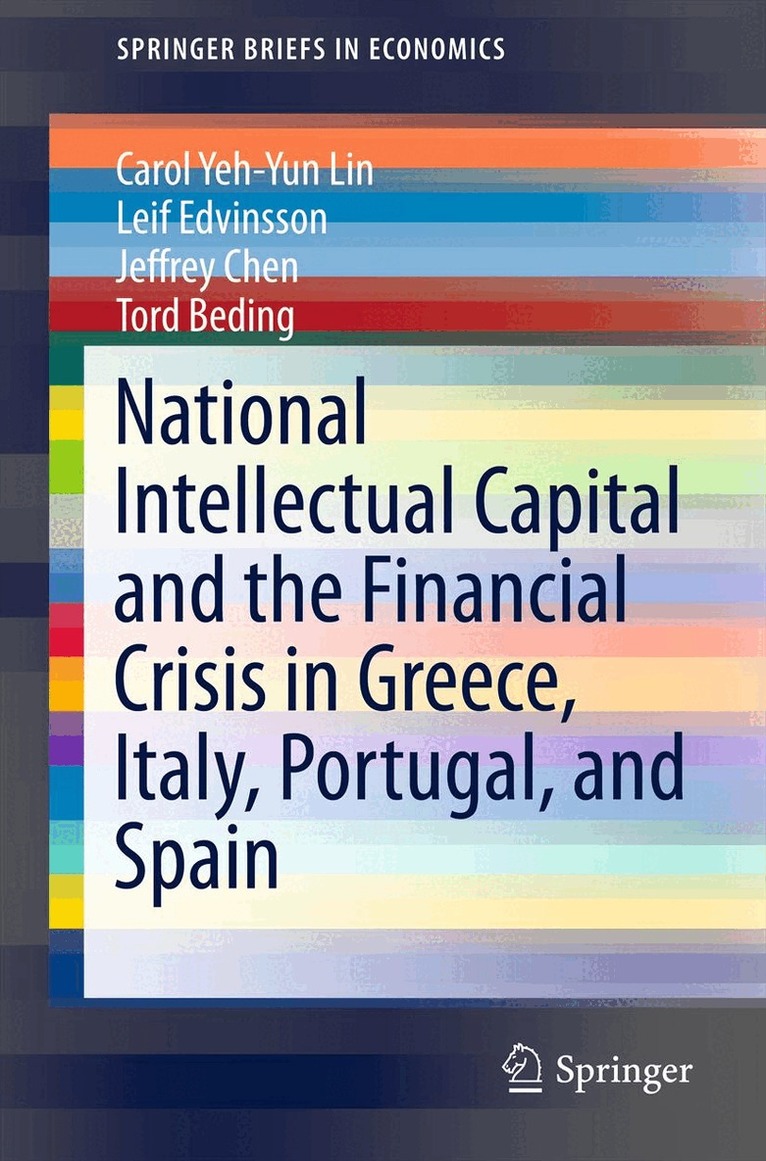
National Intellectual Capital and the Financial Crisis in Greece, Italy, Portugal, and Spain
Av Carol Yeh-Yun Lin, Leif Edvinsson m. fl.
Häftad, 2012
568 kr
Lägg i varukorg
In the first decade of the twenty-first century, the biggest event of worldwide proportion was the 2008 global financial crisis, which was caused primarily by ineffective governance, failed surveillance systems, and implementation flaws. While fiscal and monetary policies succeeded in pulling many …
National Intellectual Capital and the Financial Crisis in Greece, Italy, Portugal, and Spain
Av Tord Beding, Jeffrey Chen m. fl.
E-bok, 2012
755 kr
Lägg i varukorg
In the first decade of the twenty-first century, the biggest event of worldwide proportion was the 2008 global financial crisis, which was caused primarily by ineffective governance, failed surveillance systems, and implementation flaws. While fiscal and monetary policies succeeded in pulling many …
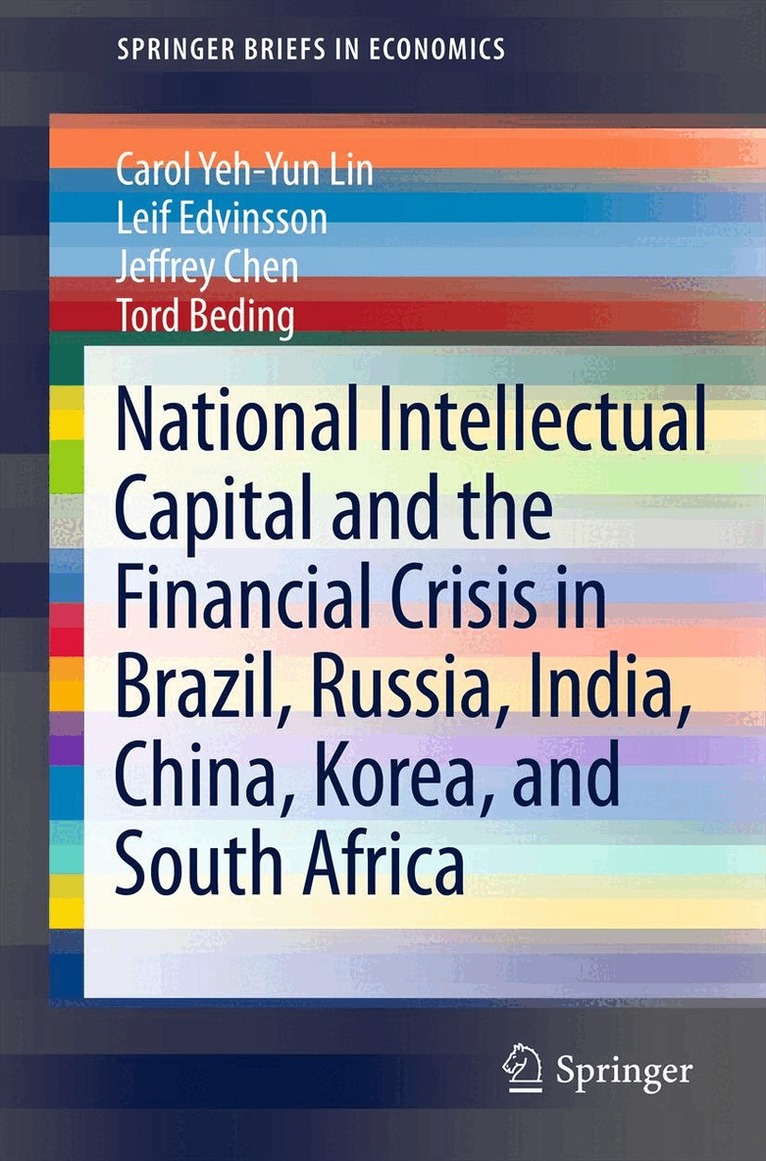
National Intellectual Capital and the Financial Crisis in Brazil, Russia, India, China, Korea, and South Africa
Av Carol Yeh-Yun Lin, Leif Edvinsson m. fl.
Häftad, 2012
568 kr
Lägg i varukorg
In the first decade of the twenty-first century, the biggest event of worldwide proportion was the 2008 global financial crisis, which was caused primarily by ineffective governance, failed surveillance systems, and implementation flaws. While fiscal and monetary policies succeeded in pulling many …
National Intellectual Capital and the Financial Crisis in Brazil, Russia, India, China, Korea, and South Africa
Av Tord Beding, Jeffrey Chen m. fl.
E-bok, 2012
755 kr
Lägg i varukorg
In the first decade of the twenty-first century, the biggest event of worldwide proportion was the 2008 global financial crisis, which was caused primarily by ineffective governance, failed surveillance systems, and implementation flaws. While fiscal and monetary policies succeeded in pulling many …
National Intellectual Capital and the Financial Crisis in Indonesia, Malaysia, The Philippines, and Thailand
Av Carol Yeh-Yun Lin, Leif Edvinsson m. fl.
Häftad, 2013
568 kr
Lägg i varukorg
In the first decade of the twenty-first century, the biggest event of worldwide proportion was the 2008 global financial crisis, which was caused primarily by ineffective governance, failed surveillance systems, and implementation flaws. While fiscal and monetary policies succeeded in pulling many …
National Intellectual Capital and the Financial Crisis in Indonesia, Malaysia, The Philippines, and Thailand
Av Tord Beding, Jeffrey Chen m. fl.
E-bok, 2013
755 kr
Lägg i varukorg
In the first decade of the twenty-first century, the biggest event of worldwide proportion was the 2008 global financial crisis, which was caused primarily by ineffective governance, failed surveillance systems, and implementation flaws. While fiscal and monetary policies succeeded in pulling many …
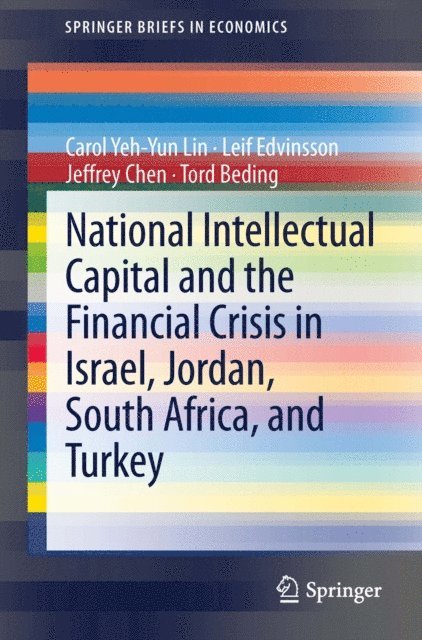
National Intellectual Capital and the Financial Crisis in Israel, Jordan, South Africa, and Turkey
Av Carol Yeh-Yun Lin, Leif Edvinsson m. fl.
Häftad, 2013
568 kr
Lägg i varukorg
In the first decade of the twenty-first century, the biggest event of worldwide proportion was the 2008 global financial crisis, which was caused primarily by ineffective governance, failed surveillance systems, and implementation flaws. While fiscal and monetary policies succeeded in pulling many …
National Intellectual Capital and the Financial Crisis in Israel, Jordan, South Africa, and Turkey
Av Tord Beding, Jeffrey Chen m. fl.
E-bok, 2013
755 kr
Lägg i varukorg
In the first decade of the twenty-first century, the biggest event of worldwide proportion was the 2008 global financial crisis, which was caused primarily by ineffective governance, failed surveillance systems, and implementation flaws. While fiscal and monetary policies succeeded in pulling many …
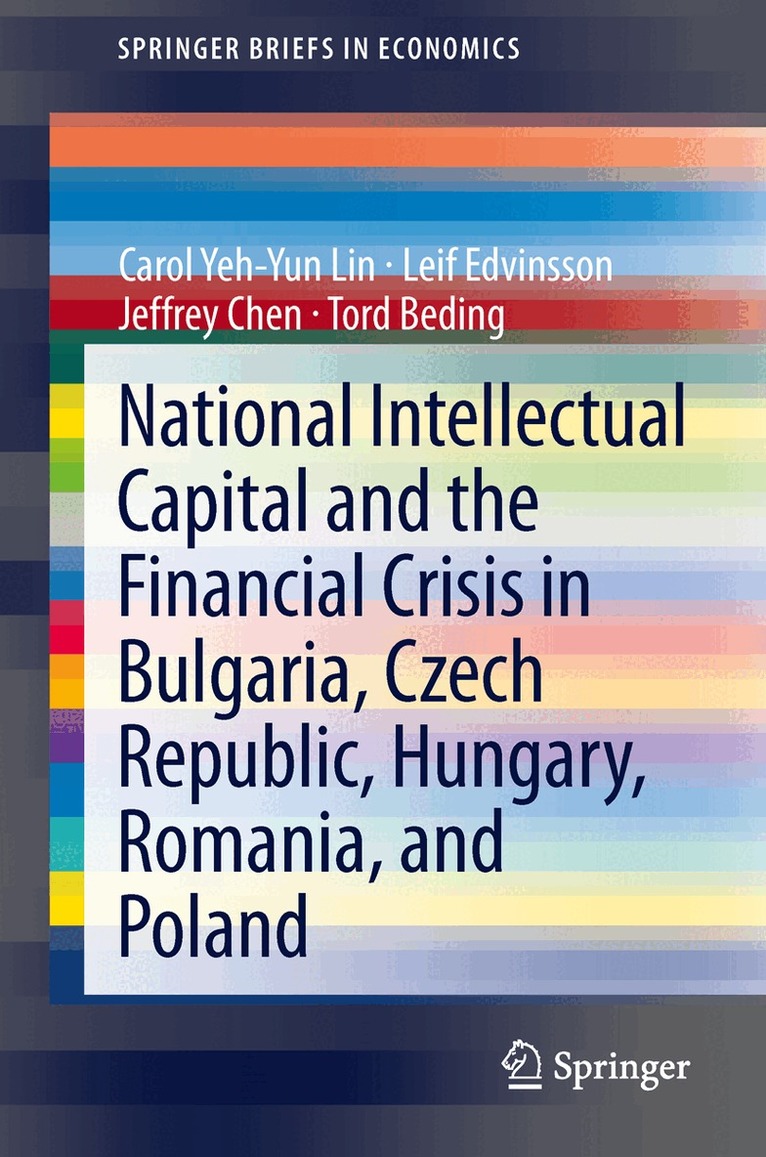
National Intellectual Capital and the Financial Crisis in Bulgaria, Czech Republic, Hungary, Romania, and Poland
Av Carol Yeh-Yun Lin, Leif Edvinsson m. fl.
Häftad, 2013
568 kr
Lägg i varukorg
In the first decade of the twenty-first century, the biggest event of worldwide proportion was the 2008 global financial crisis, which was caused primarily by ineffective governance, failed surveillance systems, and implementation flaws. While fiscal and monetary policies succeeded in pulling many …
National Intellectual Capital and the Financial Crisis in Bulgaria, Czech Republic, Hungary, Romania, and Poland
Av Tord Beding, Jeffrey Chen m. fl.
E-bok, 2013
755 kr
Lägg i varukorg
In the first decade of the twenty-first century, the biggest event of worldwide proportion was the 2008 global financial crisis, which was caused primarily by ineffective governance, failed surveillance systems, and implementation flaws. While fiscal and monetary policies succeeded in pulling many …