Lewis R. Goldfrank – författare
932 kr
Läs direkt efter köp
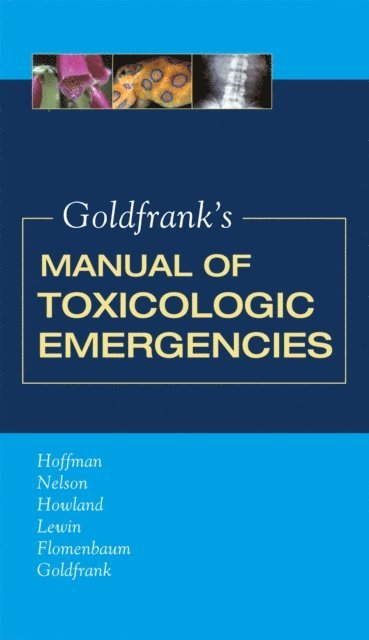
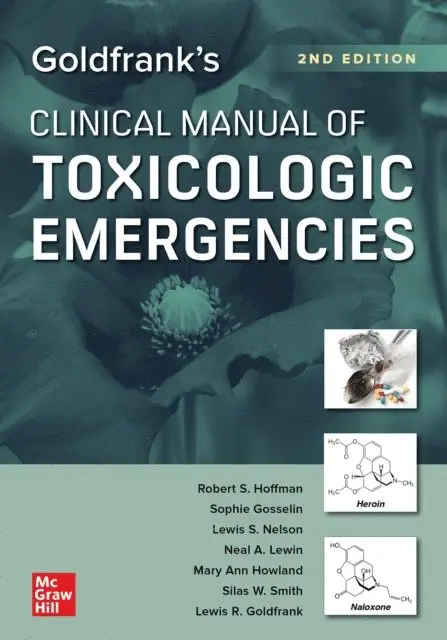
Concise, "at the bedside" guidelines for toxicologic emergencies--derived from the premier reference in the field
This practical and portable bedside manual is condensed for instant application from the masterwork regarded for a quarter of a century as the "gold standard" reference in the field of emergency toxicology: Goldfrank''s Toxicologic Emergencies.
You will find trusted information on the scientific principles that explain how toxins affect vital signs, neurotransmitters, metabolic processes, and organs and systems throughout the body.
Covers the full range of toxins
Includes pharmaceuticals, recreational drugs, and substances of abuse; food and plant toxins; envenomations; household toxins; pesticides and herbicides; rodenticides; metals; poison gases; and environmental toxinsSystematically reviews toxicokinetics, pathophysiology, clinical manifestations, diagnostic testing, and management for each toxinProvides "Antidotes in Brief"--at-a-glance guides to specific antidotes and their primary applicationsAuthoritative answers--at your fingertips
How to manage the poisoned or overdosed patient What techniques effectively eliminate toxins Which imaging modalities yield the best resultsMore3 886 kr
Läs direkt efter köp
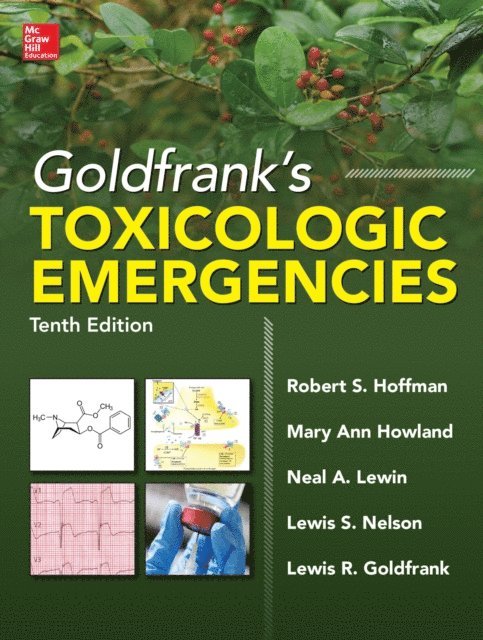
The standard-setting reference in medical toxicology—trusted as the leading evidencebased resource for poison emergencies
A Doody''s Core Title for 2017!
For decades, one name has been synonymous with the most respected, rigorous perspectives on medical toxicology and the treatment of poisoned and overdosed patients: Goldfrank''s Toxicologic Emergencies. Presented in full color, Goldfrank’s delivers essential, patientcenteredcoverage of every aspect of poison management. The editors and authors are recognized as preeminent scholars in their specialties and provide unmatched coverage of all aspects of toxicologic emergencies, from pharmacology and clinical presentation to cutting-edge treatment strategies.
Goldfrank''s Toxicologic Emergencies, Tenth Edition begins with an examination of medical toxicology principles and techniques. It then reviews the biochemical, molecular, and pathophysiologic basis of toxicology, followed by an intense focus on toxicologic principles related to special patient populations.
Features
Case studies enhance your understanding of the clinical application of the text materialPractical focus on the pathophysiologic basis of medical toxicologyThe Antidotes in Depth sections delivers the expertise of toxicologists across the world as they present treatments for critically ill poisoned and overdosed patients and allow you to easily identify key issues relating to the use of complex and often unfamiliar therapiesThe principles of risk management, medicolegal decision making, patient safety, post mortem toxicology and the assessment of ethanol induced impairment described in chapters and Special Considerations emphasize the interface between medical toxicology, the law, and quality care707 kr
Skickas inom 3-6 vardagar
585 kr
Läs direkt efter köp
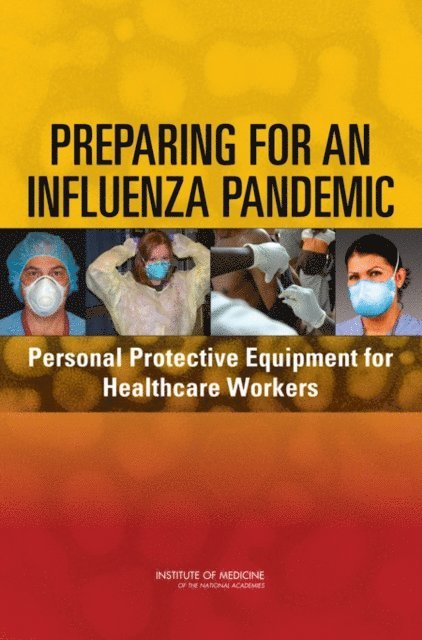
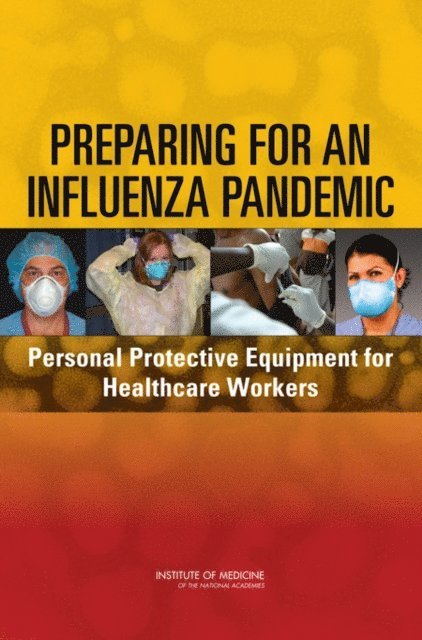
During an influenza pandemic, healthcare workers will be on the front lines delivering care to patients and preventing further spread of the disease. As the nation prepares for pandemic influenza, multiple avenues for protecting the health of the public are being carefully considered, ranging from rapid development of appropriate vaccines to quarantine plans should the need arise for their implementation. One vital aspect of pandemic influenza planning is the use of personal protective equipment (PPE)—the respirators, gowns, gloves, face shields, eye protection, and other equipment that will be used by healthcare workers and others in their day-to-day patient care responsibilities.
However, efforts to appropriately protect healthcare workers from illness or from infecting their families and their patients are greatly hindered by the paucity of data on the transmission of influenza and the challenges associated with training and equipping healthcare workers with effective personal protective equipment. Due to this lack of knowledge on influenza transmission, it is not possible at the present time to definitively inform healthcare workers about what PPE is critical and what level of protection this equipment will provide in a pandemic. The outbreaks of severe acute respiratory syndrome (SARS) in 2003 have underscored the importance of protecting healthcare workers from infectious agents. The surge capacity that will be required to reduce mortality from a pandemic cannot be met if healthcare workers are themselves ill or are absent due to concerns about PPE efficacy. The IOM committee determined that there is an urgent need to address the lack of preparedness regarding effective PPE for use in an influenza pandemic. Preparing for an Influenza Pandemic : Personal Protective Equipment for Healthcare Workers identifies that require expeditious research and policy action: (1) Influenza transmission research should become an immediate and short-term research priority so that effective prevention and control strategies can be developed and refined. The current paucity of knowledge significantly hinders prevention efforts. (2) Employer and employee commitment to worker safety and appropriate use of PPE should be strengthened. Healthcare facilities should establish and promote a culture of safety. (3) An integrated effort is needed to understand the PPE requirements of the worker and to develop and utilize innovative materials and technologies to create the next generation of PPE capable of meeting these needs.649 kr
Läs direkt efter köp
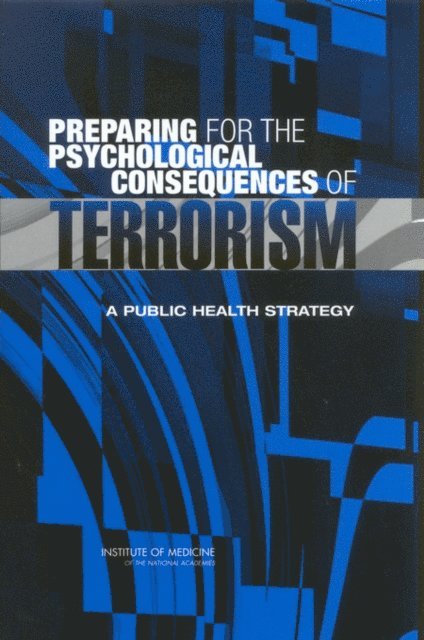
The Oklahoma City bombing, intentional crashing of airliners on September 11,2001, and anthrax attacks in the fall of 2001 have made Americans acutely awareof the impacts of terrorism. These events and continued threats of terrorism haveraised questions about the impact on the psychological health of the nation andhow well the public health infrastructure is able to meet the psychological needsthat will likely result. Preparing for the Psychological Consequences of Terrorism highlightssome of the critical issues in responding to the psychological needs that resultfrom terrorism and provides possible options for intervention. The committee offersan example for a public health strategy that may serve as a base from which plansto prevent and respond to the psychological consequences of a variety of terrorismevents can be formulated. The report includes recommendations for the trainingand education of service providers, ensuring appropriate guidelines for the protectionof service providers, and developing public health surveillance for preevent,event, and postevent factors related to psychological consequences.
836 kr
Läs direkt efter köp
During an influenza pandemic, healthcare workers will be on the front lines delivering care to patients and preventing further spread of the disease. As the nation prepares for pandemic influenza, multiple avenues for protecting the health of the public are being carefully considered, ranging from rapid development of appropriate vaccines to quarantine plans should the need arise for their implementation. One vital aspect of pandemic influenza planning is the use of personal protective equipment (PPE)—the respirators, gowns, gloves, face shields, eye protection, and other equipment that will be used by healthcare workers and others in their day-to-day patient care responsibilities.
However, efforts to appropriately protect healthcare workers from illness or from infecting their families and their patients are greatly hindered by the paucity of data on the transmission of influenza and the challenges associated with training and equipping healthcare workers with effective personal protective equipment. Due to this lack of knowledge on influenza transmission, it is not possible at the present time to definitively inform healthcare workers about what PPE is critical and what level of protection this equipment will provide in a pandemic. The outbreaks of severe acute respiratory syndrome (SARS) in 2003 have underscored the importance of protecting healthcare workers from infectious agents. The surge capacity that will be required to reduce mortality from a pandemic cannot be met if healthcare workers are themselves ill or are absent due to concerns about PPE efficacy. The IOM committee determined that there is an urgent need to address the lack of preparedness regarding effective PPE for use in an influenza pandemic. Preparing for an Influenza Pandemic : Personal Protective Equipment for Healthcare Workers identifies that require expeditious research and policy action: (1) Influenza transmission research should become an immediate and short-term research priority so that effective prevention and control strategies can be developed and refined. The current paucity of knowledge significantly hinders prevention efforts. (2) Employer and employee commitment to worker safety and appropriate use of PPE should be strengthened. Healthcare facilities should establish and promote a culture of safety. (3) An integrated effort is needed to understand the PPE requirements of the worker and to develop and utilize innovative materials and technologies to create the next generation of PPE capable of meeting these needs.455 kr
Läs direkt efter köp
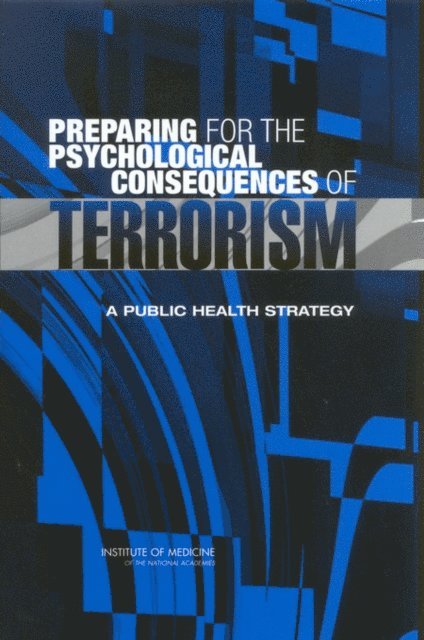
The Oklahoma City bombing, intentional crashing of airliners on September 11,2001, and anthrax attacks in the fall of 2001 have made Americans acutely awareof the impacts of terrorism. These events and continued threats of terrorism haveraised questions about the impact on the psychological health of the nation andhow well the public health infrastructure is able to meet the psychological needsthat will likely result. Preparing for the Psychological Consequences of Terrorism highlightssome of the critical issues in responding to the psychological needs that resultfrom terrorism and provides possible options for intervention. The committee offersan example for a public health strategy that may serve as a base from which plansto prevent and respond to the psychological consequences of a variety of terrorismevents can be formulated. The report includes recommendations for the trainingand education of service providers, ensuring appropriate guidelines for the protectionof service providers, and developing public health surveillance for preevent,event, and postevent factors related to psychological consequences.
4 037 kr
Läs direkt efter köp
Goldfrank’s is the premier toxicology textbook that should be in every emergency department or poison center library. Whether you are a student, resident, or faculty, there is something here for you. If you are a toxicology fellow or poison specialist studying for your boards, this is your go-to book. I highly recommend this work…
—The Journal of Emergency Medicine
The best edition yet of the landmark text in medical toxicology
A Doody’s Core Title for 2021!
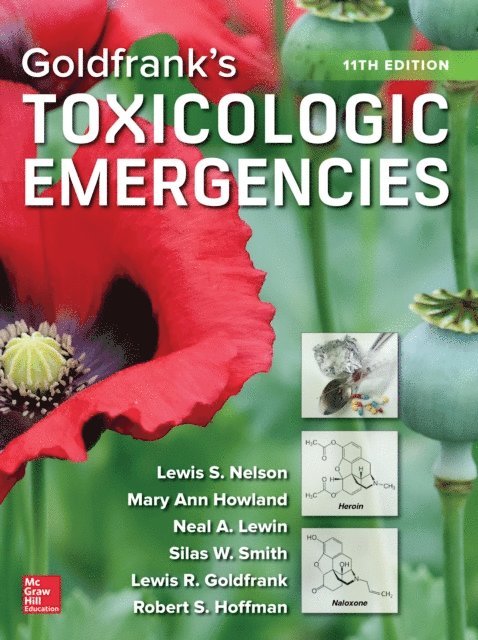
Covering every aspect of poison management, this indispensable case-based resource has been thoroughly refreshed to deliver evidence-based principles viewed through the lens of an active bedside clinical practice. In no other reference will you find such a diverse roster of esteemed editors and authors who deliver expert insights into every type of toxicologic emergency, whether due to substance abuse or exposure to toxins.
Fully referenced and supported by a cohesive organization and full-color format, Goldfrank’s begins with a historical perspective on medical toxicology principles and the general approach to the patient. It then progresses to the fundamental principles of medical toxicology, encompassing biochemical and molecular concepts; the effect of xenobiotics on vital organs and body systems; and toxicologic principles in special populations.
The Eleventh Edition of Goldfrank’s Toxicologic Emergencies is the most rigorous volume to date, driven by a precise analysis of the latest medical literature and complex cases designed to facilitate differential diagnosis.
New to this Edition:
• Additional cases and “Special Considerations” chapters designed to enhance clinical decision-making and patient outcomes• New “Antidotes in Depth” provides timely, critical information on toxicologic treatment strategies• New content on toxicogenomics explores its increasingly important role in predictive toxicology• Chapter-ending bulleted summaries of key points• Updated coverage of synthetics such as “K2”• Revised chapters on medical, clinical, and chemical toxicology include updated insights on poison emergencies, treatment strategies, and risk assessment tools1 406 kr
Läs direkt efter köp
Derived from the definitive guide to medical toxicology, this hands-on companion provides accurate information for diagnosing and treating poisoned patients on the spot
A Doody''s Core Title for 2024!
After more than a decade on the market, Goldfrank’s Toxicologic Emergencies has established itself as the go-to reference for medical toxicology—and this companion manual distills the most important information into a portable, easy-to-navigate resource.
Goldfrank’s Manual of Toxicologic Emergencies distills critical information into short summaries and synopses, so you can use it to treat patients in clinical settings or for quick review of critical topics. Fully updated to ensure all information is completely current, this new edition is filled with tables, figures, images, and other visuals to make finding the right answers quick and easy. Each chapter is a direct distillation of the corresponding chapter in Goldfrank’s Toxicologic Emergencies.
Whether you’re a medical toxicologist, pharmacist, physician, nurse practitioner, or student, Goldfrank’s Manual of Toxicologic Emergencies provides all the right answers where and when you need them.
Covers the full range of xenobiotics:
Includes pharmaceuticals, recreational drugs, and substances of abuse; food and plant toxins; envenomations; household toxins; pesticides and herbicides; rodenticides; metals; poison gases; and environmental toxinsSystematically reviews toxicokinetics, pathophysiology, clinical manifestations, diagnostic testing, and management for each xenobioticProvides "Antidotes in Brief"—at-a-glance guides to specific antidotes and their primary applicationsAuthoritative answers at your fingertips:How to manage the poisoned or overdosed patientWhat techniques effectively eliminate toxinsWhich imaging modalities yield the best results1 112 kr
Läs direkt efter köp
The hands-on study companion for the most respected, rigorous medical toxicology text available
Goldfrank''s Toxicologic Emergencies has long been the go-to guide for accurately diagnosing and effectively treating poisoned and overdosed patients. Now, this practical companion provides everything you need to get even more out of Goldfrank’s.
Study Guide for Goldfrank''s Toxicologic Emergencies provides 1,400 questions with answers for testing your knowledge―a process that increases information retention and serves as invaluable practice for board exams. Each chapter has its own question set using both general factual and case-based questions. The guide is ideal for students, nurses, pharmacists, and physicians.
Study Guide for Goldfrank''s Toxicologic Emergencies covers:
General approaches to the poisoned patientPrinciples of medical toxicologyClinical basis of medical toxicologyPoison prevention and educationResearch principlesLegal and forensic considerations786 kr
Tillfälligt slut