Lucas J. Stal – författare
Visar alla böcker från författaren Lucas J. Stal. Handla med fri frakt och snabb leverans.
11 produkter
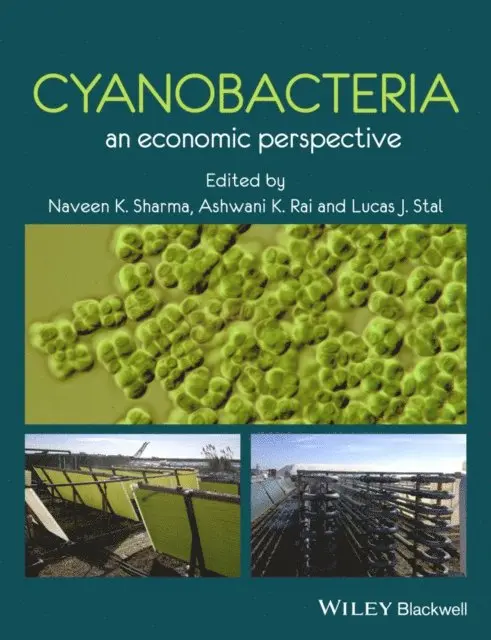
Cyanobacteria
An Economic Perspective
Av Lucas J. Stal, Ashawani K. Rai m. fl.
E-bok, 2013
1906 kr
Lägg i varukorg
Written by leading experts in the field, Cyanobacteria: An Economic Perspective is a comprehensive edited volume covering all areas of an important field and its application to energy, medicine and agriculture. Issues related to environment, food and energy have presented serious challenge to the …
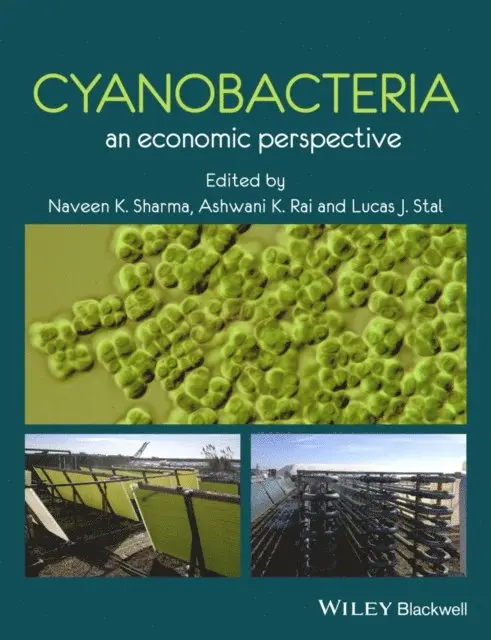
Cyanobacteria
An Economic Perspective
Av Lucas J. Stal, Ashawani K. Rai m. fl.
E-bok, 2013
1906 kr
Lägg i varukorg
Written by leading experts in the field, Cyanobacteria: An Economic Perspective is a comprehensive edited volume covering all areas of an important field and its application to energy, medicine and agriculture. Issues related to environment, food and energy have presented serious challenge to the …
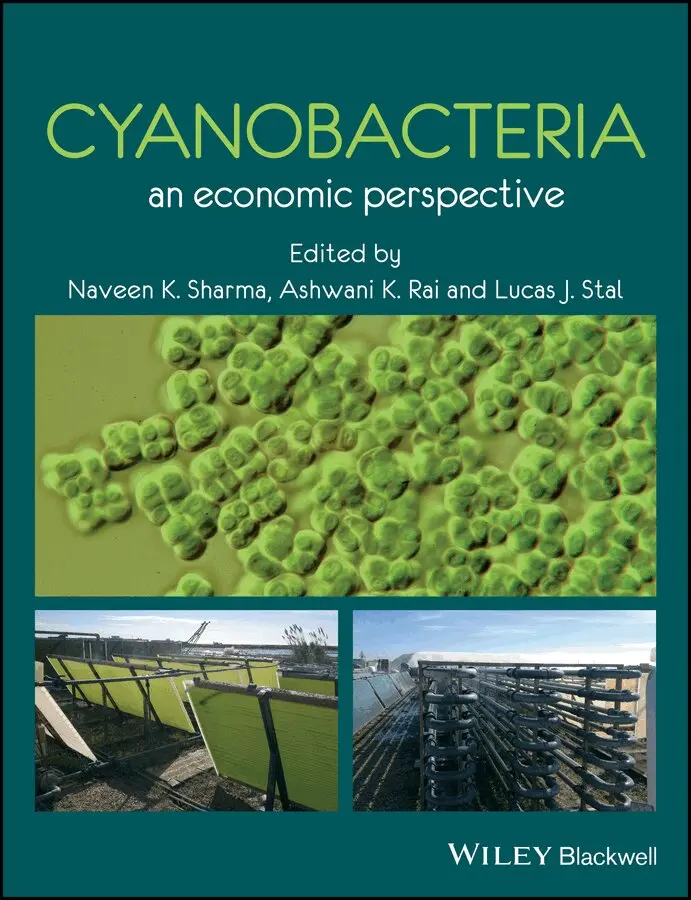
Cyanobacteria
An Economic Perspective
Av Naveen K. Sharma, Ashawani K. Rai m. fl.
Inbunden, 2014
1675 kr
Lägg i varukorg
Written by leading experts in the field, Cyanobacteria: An Economic Perspective is a comprehensive edited volume covering all areas of an important field and its application to energy, medicine and agriculture.Issues related to environment, food and energy have presented serious challenge to the …
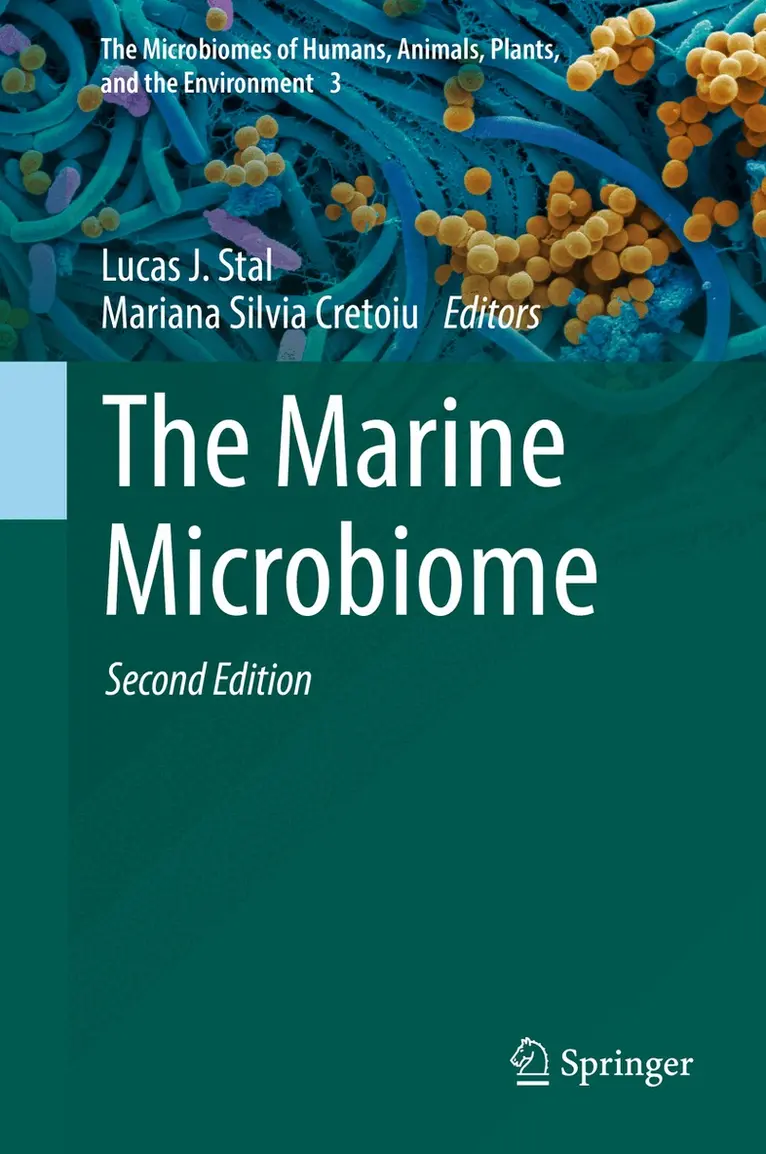
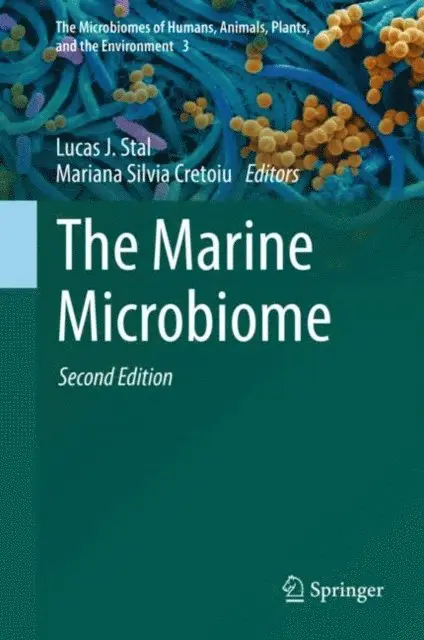
Marine Microbiome
Av Lucas J. Stal, Mariana Silvia Cretoiu
Inbunden, 2022
2730 kr
Lägg i varukorg
This updated and expanded second edition reviews numerous aspects of the marine microbiome and its possible industrial applications. The marine microbiome is the total of microorganisms and viruses in the ocean and seas and in any connected environment, including the seafloor and marine animals and …
Marine Microbiome
Av Mariana Silvia Cretoiu, Lucas J. Stal
E-bok, 2022
3577 kr
Lägg i varukorg
This updated and expanded second edition reviews numerous aspects of the marine microbiome and its possible industrial applications. The marine microbiome is the total of microorganisms and viruses in the ocean and seas and in any connected environment, including the seafloor and marine animals and …
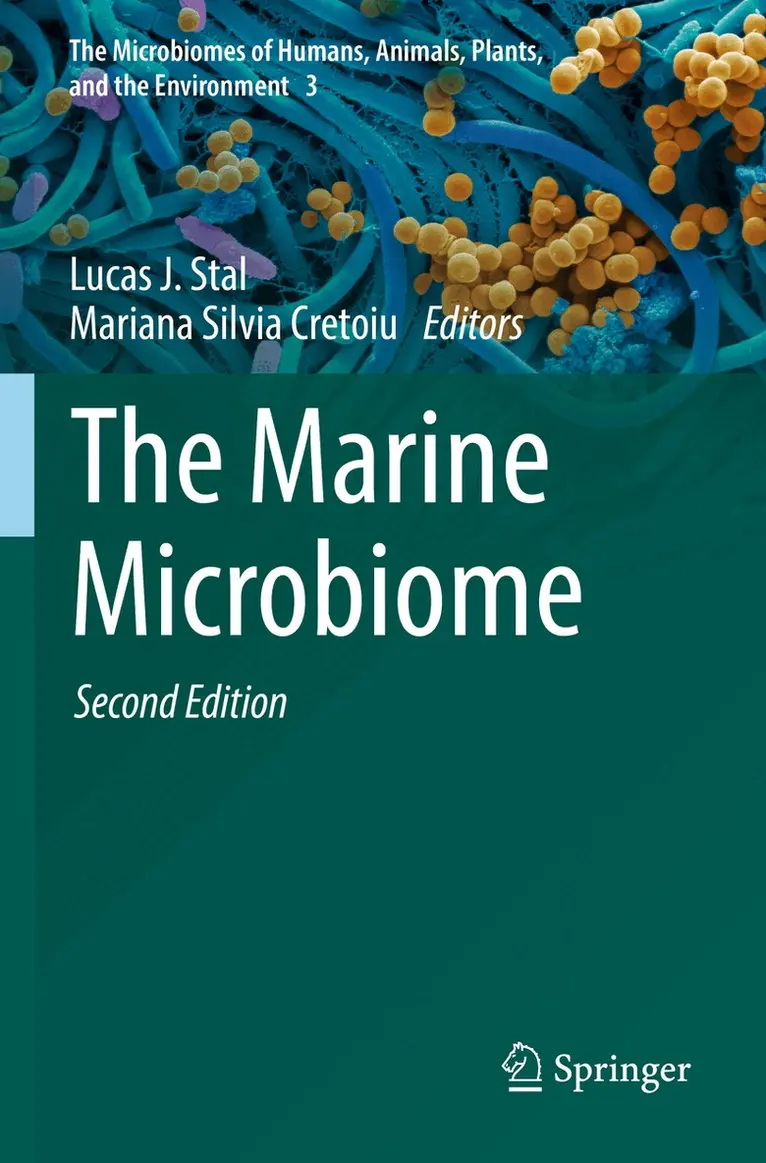
Marine Microbiome
Av Lucas J. Stal, Mariana Silvia Cretoiu
Häftad, 2023
2730 kr
Lägg i varukorg
This updated and expanded second edition reviews numerous aspects of the marine microbiome and its possible industrial applications. The marine microbiome is the total of microorganisms and viruses in the ocean and seas and in any connected environment, including the seafloor and marine animals and …
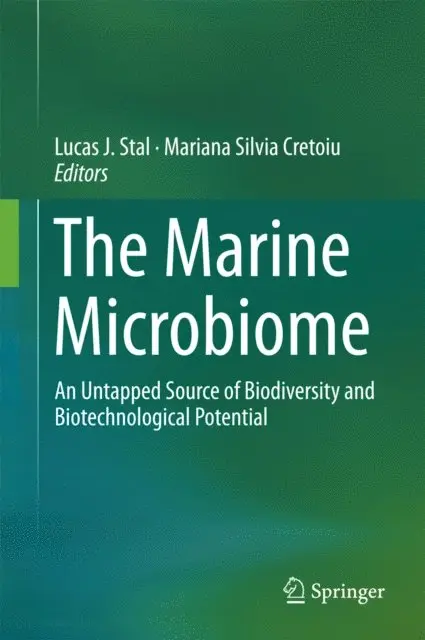
Marine Microbiome
An Untapped Source of Biodiversity and Biotechnological Potential
Av Mariana Silvia Cretoiu, Lucas J. Stal
E-bok, 2016
1906 kr
Lägg i varukorg
This book describes the state-of-the-artconcerning the ‘marine microbiome’ and its uses in biotechnology. The firstpart discusses the diversity and ecology of marine microorganisms and viruses,including all three domains of life: Bacteria, Archaea, and Eukarya. Itdiscusses whether marine …
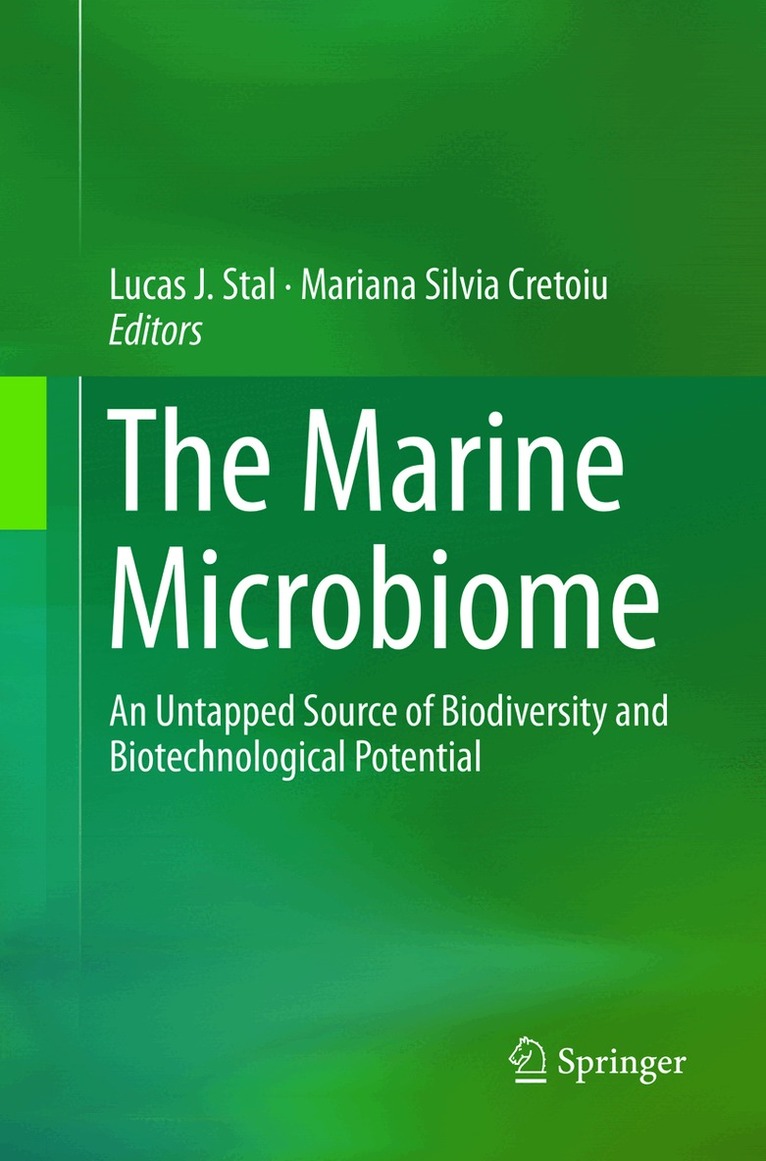
Marine Microbiome
An Untapped Source of Biodiversity and Biotechnological Potential
Av Lucas J. Stal, Mariana Silvia Cretoiu
Häftad, 2018
1561 kr
Lägg i varukorg
This book describes the state-of-the-artconcerning the ‘marine microbiome’ and its uses in biotechnology. The firstpart discusses the diversity and ecology of marine microorganisms and viruses,including all three domains of life: Bacteria, Archaea, and Eukarya. Itdiscusses whether marine …
Microbial Mats
Structure, Development and Environmental Significance
Av Pierre Caumette, Lucas J. Stal
E-bok, 2013
1459 kr
Lägg i varukorg
Microbial mats are benthic communities of a variety of microorganisms. Their investigation requires multidisciplinary studies and close cooperation between microbiologists, biogeochemists, and geologists. Reported here are recent advances in the study of structure, development and ecological …
Microbial Mats
Structure, Development and Environmental Significance
Av Lucas J. Stal, Pierre Caumette
Häftad, 2011
1096 kr
Lägg i varukorg
Microbial mats are benthic communities of a variety of microorganisms. Their investigation requires multidisciplinary studies and close cooperation between microbiologists, biogeochemists, and geologists.Reported here are recent advances in the study of structure, development and ecological …
Cyanobacteria – An Economic Perspective
Av Naveen K. Sharma, Ashawani K. Rai m. fl.
2013
1545 kr
Tillfälligt slut
Written by leading experts in the field, Cyanobacteria: An Economic Perspective is a comprehensive edited volume covering all areas of an important field and its application to energy, medicine and agriculture. Issues related to environment, food and energy have presented serious challenge to the …