Lucjan Pawlowski – författare
942 kr
Läs direkt efter köp
868 kr
Skickas inom 10-15 vardagar
1 084 kr
Skickas inom 10-15 vardagar
1 622 kr
Skickas inom 10-15 vardagar
2 068 kr
Skickas inom 10-15 vardagar
727 kr
Skickas inom 10-15 vardagar
1 983 kr
Skickas inom 10-15 vardagar
3 470 kr
Skickas inom 10-15 vardagar
3 329 kr
Skickas inom 10-15 vardagar
1 124 kr
Skickas inom 10-15 vardagar
1 124 kr
Skickas inom 10-15 vardagar
824 kr
Läs direkt efter köp
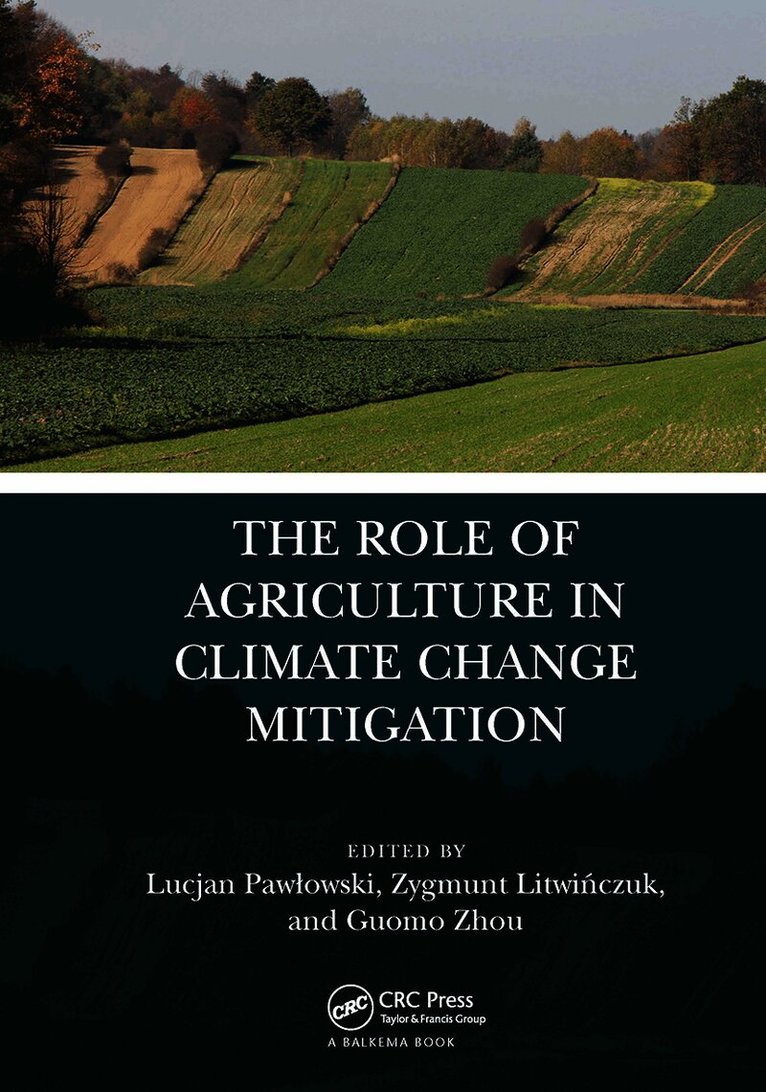
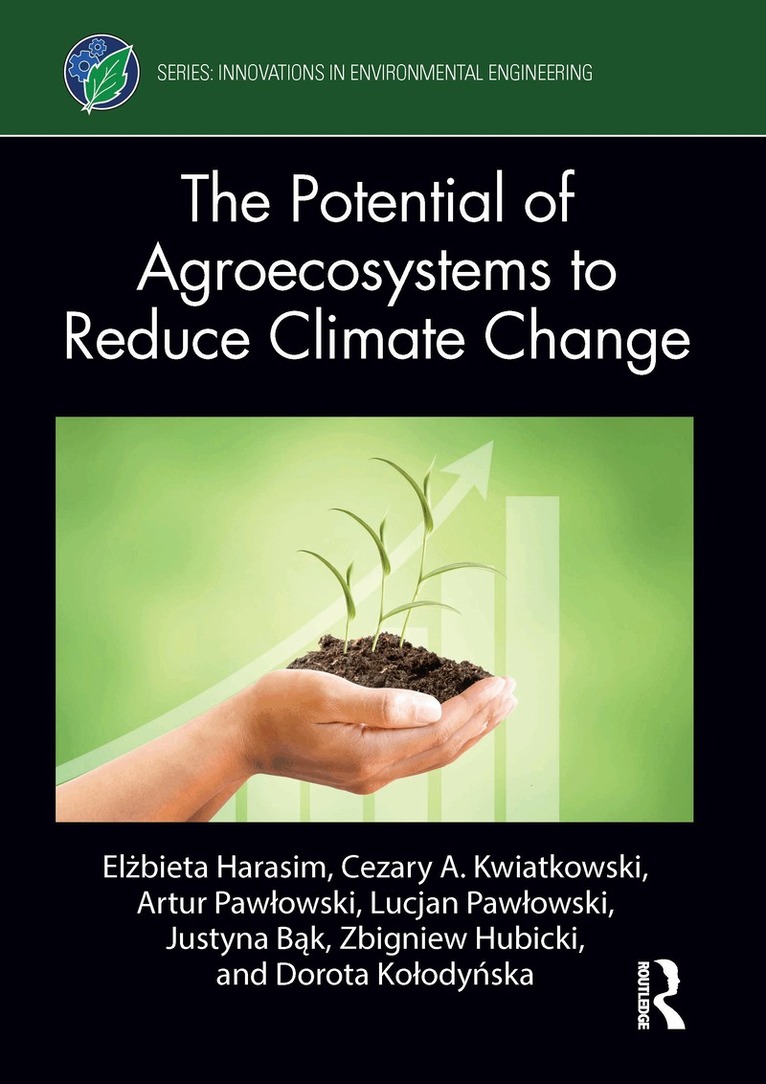
According to IPCC reports, one of the greatest threats to the Earth ecosystems is climate change caused by the anthropogenic emissions of greenhouse gases, mostly carbon dioxide, mainly from the combustion of fossil fuels, cement production and land-use change which leads to an excessive temperature rise. Agriculture and forestry are responsible for quiet big emissions of greenhouse gases: CO2, CH4 and N2O, and have significant potential to reduce these emissions mainly through enhancement of CO2 absorption by terrestrial ecosystems.
To evaluate the impact of agriculture on climate change, ruminant farming should be also taken into account. These animals emit considerable amounts of methane which has strong greenhouse effects. Methane emissions may be reduced by using appropriate feed for ruminants. Decreasing the meat consumption of these animals can also make an important contribution to reducing methane emissions.
The methods for reducing greenhouse gas emissions through appropriate management of terrestrial ecosystems and animal husbandry are widely discussed in The Role of Agriculture in Climate Change Mitigation. The book will be of interest to academics, professionals and policy makers in environmental sciences.
795 kr
Läs direkt efter köp
According to IPCC reports, one of the greatest threats to the Earth ecosystems is climate change caused by the anthropogenic emissions of greenhouse gases, mostly carbon dioxide, mainly from the combustion of fossil fuels, cement production and land-use change which leads to an excessive temperature rise. Agriculture and forestry are responsible for quiet big emissions of greenhouse gases: CO2, CH4 and N2O, and have significant potential to reduce these emissions mainly through enhancement of CO2 absorption by terrestrial ecosystems.
To evaluate the impact of agriculture on climate change, ruminant farming should be also taken into account. These animals emit considerable amounts of methane which has strong greenhouse effects. Methane emissions may be reduced by using appropriate feed for ruminants. Decreasing the meat consumption of these animals can also make an important contribution to reducing methane emissions.
The methods for reducing greenhouse gas emissions through appropriate management of terrestrial ecosystems and animal husbandry are widely discussed in The Role of Agriculture in Climate Change Mitigation. The book will be of interest to academics, professionals and policy makers in environmental sciences.
828 kr
Läs direkt efter köp
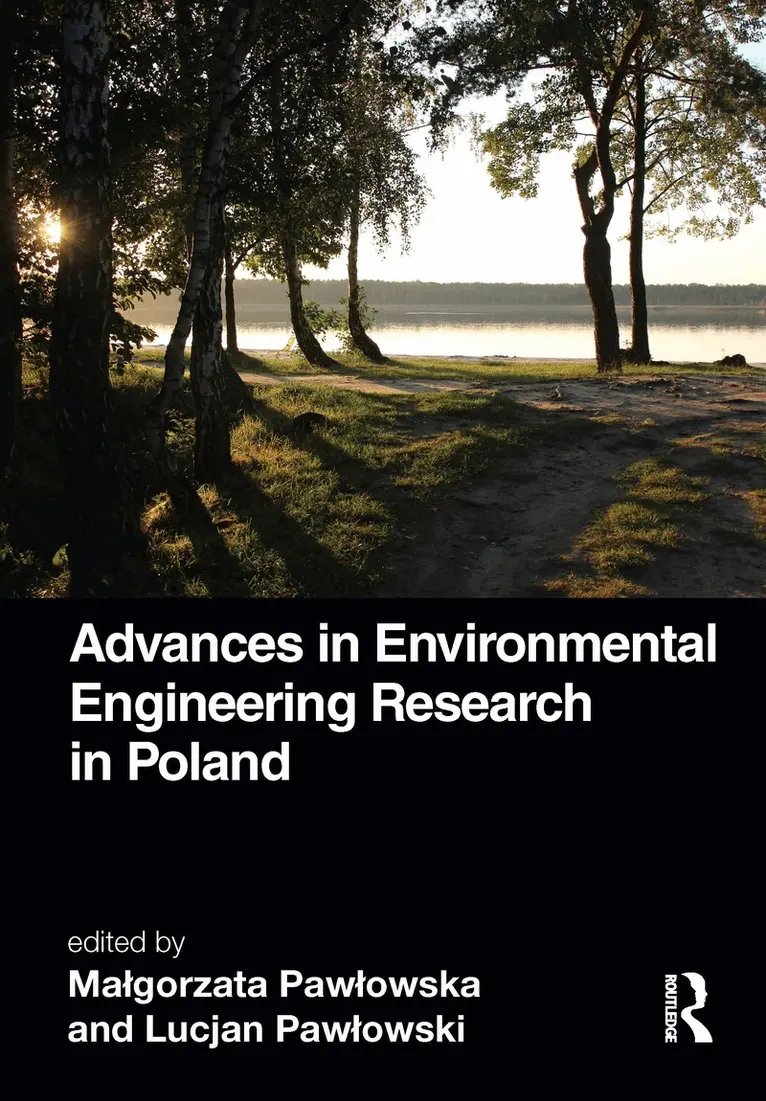
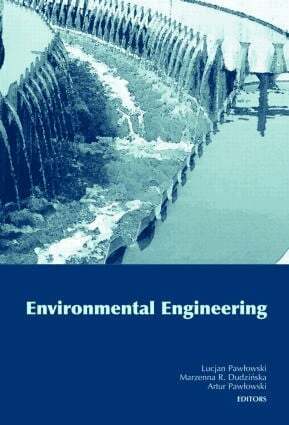
A side-effect of numerous anthropogenic activities involves unfavourable changes in the natural environment. The acquisition of natural resources, especially fossil fuels, solid waste and wastewater production, as well as emission of gases and particulate matter from industrial plants and means of transport contribute to disturbances in the natural cycles of elements between different parts of the environment. Local changes lead to global effects, changing the composition of atmosphere, its capacity for absorbing the infrared radiation and temperature, which has further repercussions in the form of weather anomalies, melting glaciers, flooding, migration or extinction of species, social problems, etc. These global changes can be mitigated by local remedial actions, simultaneously taken all over the world, including Poland. Only the joint efforts of communities from different countries can be successful in preserving the world as we know it for the future generations. Realisation of this task requires the cooperation of experts across many fields of science, environmental engineering being one of most relevant. It comprises the engineering actions taken to preserve the balance of the natural environment or restore it if degradation has occurred. This monograph presents several key issues related to the actions aimed at mitigating the negative impact on the environment connected with the acquisition and transport of energy, management of municipal and industrial wastes, as well as the impact of the industry on the aquatic and soil environment.
This book is dedicated to academics, engineers, and students involved in environmental engineering, who are following the advances in the research on environmental aspects of energy production and waste management.
728 kr
Skickas inom 10-15 vardagar
1 477 kr
Skickas inom 10-15 vardagar
2 774 kr
Läs direkt efter köp
2 774 kr
Läs direkt efter köp
2 438 kr
Skickas inom 10-15 vardagar
942 kr
Läs direkt efter köp
942 kr
Läs direkt efter köp
2 693 kr
Skickas inom 10-15 vardagar
3 194 kr
Läs direkt efter köp
Poland, like other post-communist countries, is undergoing a transformation into a capitalist system. This transformation affects the country in many ways: economic, social, psychological and also ecological. Ecological problems are strongly connected with the political, economic and psychological inheritance of the past, as well as with changes in the post-communist society. In order to understand these problems, it is necessary to consider the following issues:- the geographic situation of Poland - the political transformations that occurred after World War II – forced development of heavy industry combined with neglect of its effects on the environment, and - the economic problems
The three main goals of Environmental Engineering V are (I) to assess the state of scientific research in various areas of environmental engineering. (II) to evaluate organizational, technical and technological progress in contributing to ecological security, and (III) to determine the place of environmental engineering in sustainable development, taking into account political and economic conditions.
Environmental Engineering V is of interest for academics, engineers and professionals involved in environmental engineering, seeking solutions for environmental problems in emerging new democracies, especially those who plan to participate in numerous projects sponsored by the European Union.
3 194 kr
Läs direkt efter köp
Poland, like other post-communist countries, is undergoing a transformation into a capitalist system. This transformation affects the country in many ways: economic, social, psychological and also ecological. Ecological problems are strongly connected with the political, economic and psychological inheritance of the past, as well as with changes in the post-communist society. In order to understand these problems, it is necessary to consider the following issues:- the geographic situation of Poland - the political transformations that occurred after World War II – forced development of heavy industry combined with neglect of its effects on the environment, and - the economic problems
The three main goals of Environmental Engineering V are (I) to assess the state of scientific research in various areas of environmental engineering. (II) to evaluate organizational, technical and technological progress in contributing to ecological security, and (III) to determine the place of environmental engineering in sustainable development, taking into account political and economic conditions.
Environmental Engineering V is of interest for academics, engineers and professionals involved in environmental engineering, seeking solutions for environmental problems in emerging new democracies, especially those who plan to participate in numerous projects sponsored by the European Union.
942 kr
Läs direkt efter köp
2 049 kr
Läs direkt efter köp
1 416 kr
Läs direkt efter köp
1 623 kr
Skickas inom 10-15 vardagar
546 kr
Skickas inom 10-15 vardagar
1 084 kr
Skickas inom 10-15 vardagar