Lucy Faire - Böcker
Visar alla böcker från författaren Lucy Faire. Handla med fri frakt och snabb leverans.
2 produkter
2 produkter
515 kr
Skickas inom 10-15 vardagar
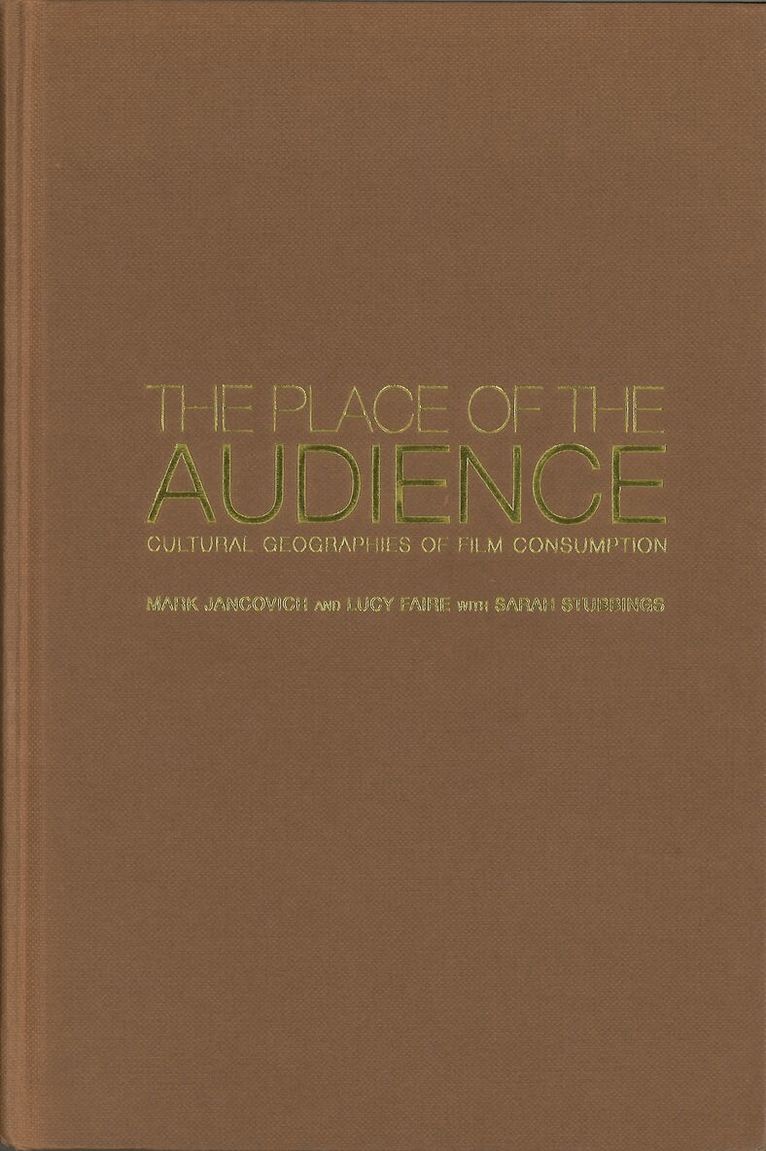
It has been a recurring complaint both within and against film studies that it has largely ignored the activities of audiences. This book aims to address this absence (as compared to television studies) and to explain its cause. The authors argue that there is a social context in which the consumption of film can be understood or studied historically; demonstrating that a concentration on the place of film consumption within the changing cultural politics of the city can offer a compelling and productive focus of analysis. This book examines not only the different meanings of different sites of film exhibition and distribution (city-centre cinemas, local cinemas, art-house cinemas, multiplexes, terrestrial television transmission, video rental and retail, and satellite/cable), but also the meanings of the activities of film consumption associated with these sites. Through use of archival materials and ethnographic studies of the audience, the book examines the meanings of film consumption from the earliest film showings up to the 21st century.
402 kr
Skickas
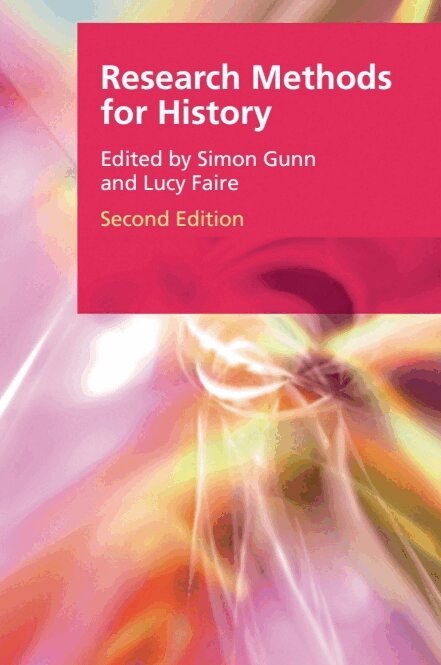
Historians have become increasingly sensitive to social and cultural theory since the 1980s, yet the actual methods by which research is carried out in History have been largely taken for granted. Research Methods for History encourages those researching the past to think creatively about the wide range of methods currently in use, to understand how these methods are used and what historical insights they can provide. This updated new edition has been expanded to cover not only sources and methods that are well-established in History, such as archival research, but also those that have developed recently, such as the impact of digital history research. The themes of the different chapters have been selected to reflect new trends in the subject, including landscape studies, material culture and ethics. Every chapter presents new insights and perspectives and will open researchers’ minds to the expanding possibilities of historical research.