Luis Eslava – författare
Visar alla böcker från författaren Luis Eslava. Handla med fri frakt och snabb leverans.
7 produkter
7 produkter
Inbunden, Engelska, 2023
2 335 kr
Skickas inom 5-8 vardagar
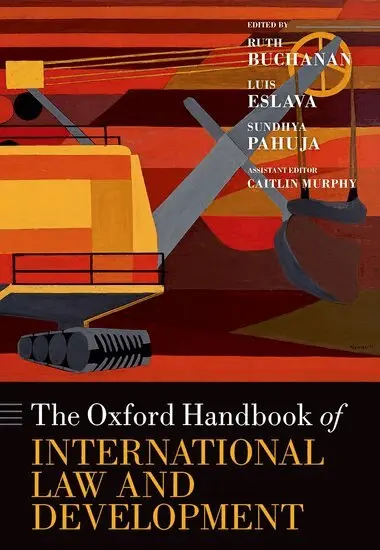
Since the mid-twentieth century, 'international law' and 'international development' have become two of the most prominent secular languages through which aspirations about a better world are articulated.. They have shaped the both the treatment and self-understanding of the 'developing' world, often by positing the West as a universal model against which developing states, their citizens, and natural environments should be measured and disciplined. In recent years, however, critical scholars have investigated the deep linkages between the concept of development, the doctrines and institutions of international law, and broader projects of ordering at the international level. They have shown how the leading models de-radicalise, if not derail, initiatives to redefine development and pursue other forms of global well-being.Bringing together scholars from both the Global South and the Global North, the contributions in this Handbook invite readers to consider the limits of common normative and developmentalist assumptions. At the same time, the Handbook demonstrates how disparate but still identifiable set of ideas, imaginaries, norms, and institutional practices - related to law, development and international governance - shape today's profoundly unequal material conditions, threatening the future of human and nonhuman life on the planet. The book focuses on five distinct areas: existing disciplinary frameworks, institutions and actors, regional theatres of international law and development, competing social and economic agendas, and alternative futures.Offering a unique overview of the field of international law and development and assembling major critical, historical, and political economic insights, this Handbook is an unmissable resource for scholars of international law, international relations, development studies, and global history, as well as anyone interested in the past, present, and future of our world.
Inbunden, Engelska, 2015
1 491 kr
Skickas inom 7-10 vardagar
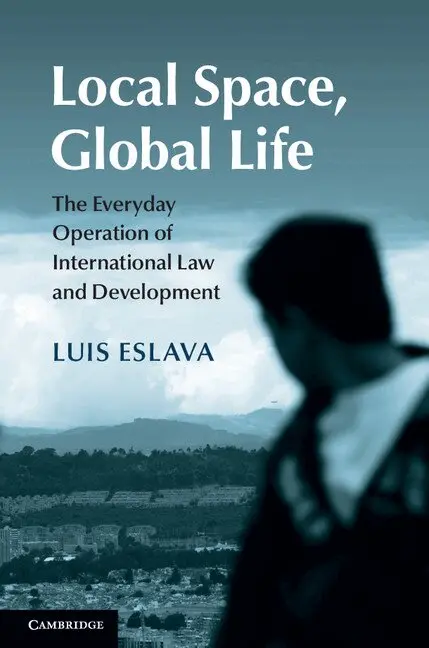
Local Space, Global Life engages with the expansive, ground-level and intertwined operations of international law and the development project by discussing the current international focus on local jurisdictions. Since the mid-1980s, and through the discourse of decentralization, municipalities and cities in emerging nations have become the preferred spaces in which to promote global ideals of human, economic and environmental development. Through an ethnographic study of Bogotá's recent development experience and the city's changing relation to its illegal neighbourhoods, Luis Eslava interrogates this rationale and exposes the contradictions involved in the international turn to the local. Attentive to historical and current transformations, norms and praxis, and both ideology and materiality, he provides an innovative reading of the nature of international law and the development project, and reveals their impact on local spaces and lives at the urban periphery of today's world order.
Inbunden, Engelska, 2017
2 085 kr
Skickas inom 7-10 vardagar
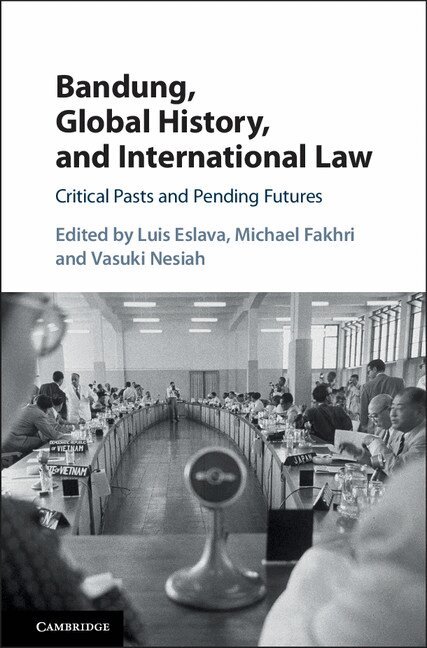
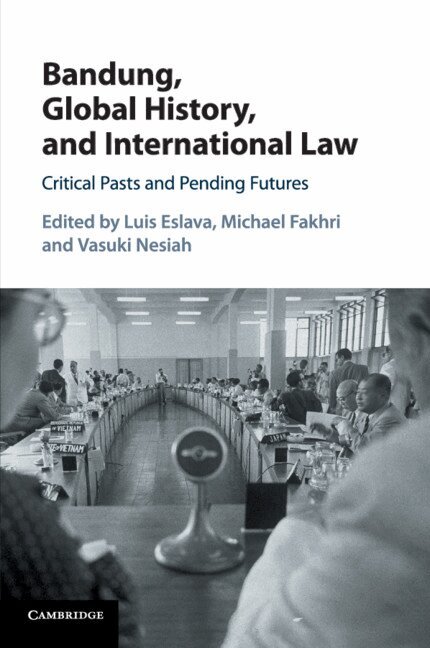
In 1955, a conference was held in Bandung, Indonesia that was attended by representatives from twenty-nine nations. Against the backdrop of crumbling European empires, Asian and African leaders forged new alliances and established anti-imperial principles for a new world order. The conference came to capture popular imaginations across the Global South and, as counterpoint to the dominant world order, it became both an act of collective imagination and a practical political project for decolonization that inspired a range of social movements, diplomatic efforts, institutional experiments and heterodox visions of the history and future of the world. In this book, leading international scholars explore what the spirit of Bandung has meant to people across the world over the past decades and what it means today. It analyzes Bandung's complicated and pivotal impact on global history, international law and, most of all, justice struggles after the end of formal colonialism.
Häftad, Engelska, 2016
502 kr
Skickas inom 7-10 vardagar
Local Space, Global Life engages with the expansive, ground-level and intertwined operations of international law and the development project by discussing the current international focus on local jurisdictions. Since the mid-1980s, and through the discourse of decentralization, municipalities and cities in emerging nations have become the preferred spaces in which to promote global ideals of human, economic and environmental development. Through an ethnographic study of Bogotá's recent development experience and the city's changing relation to its illegal neighbourhoods, Luis Eslava interrogates this rationale and exposes the contradictions involved in the international turn to the local. Attentive to historical and current transformations, norms and praxis, and both ideology and materiality, he provides an innovative reading of the nature of international law and the development project, and reveals their impact on local spaces and lives at the urban periphery of today's world order.
Häftad, Engelska, 2018
613 kr
Skickas inom 7-10 vardagar
In 1955, a conference was held in Bandung, Indonesia that was attended by representatives from twenty-nine nations. Against the backdrop of crumbling European empires, Asian and African leaders forged new alliances and established anti-imperial principles for a new world order. The conference came to capture popular imaginations across the Global South and, as counterpoint to the dominant world order, it became both an act of collective imagination and a practical political project for decolonization that inspired a range of social movements, diplomatic efforts, institutional experiments and heterodox visions of the history and future of the world. In this book, leading international scholars explore what the spirit of Bandung has meant to people across the world over the past decades and what it means today. It analyzes Bandung's complicated and pivotal impact on global history, international law and, most of all, justice struggles after the end of formal colonialism.
E-bok
PDF, Spanska, 2018136 kr
Läs direkt efter köp
Espacio local, vida global es una profunda reflexión sobre el papel del derecho en la historia del presente. El libro, situado etnográficamente en Bogotá, abre una ventana al mundo en general, al mostrar cómo una cultura de legalidad, ajustada a través de medios y fines locales, ha acabado por regular gran parte de la vida cotidiana en todos los lugares, incluidas las "zonas de ilegalidad". Esto se lleva a cabo hoy en día en contrapunto dialéctico con numerosas intervenciones jurídicas internacionales, con el giro neoliberal hacia el desarrollo descentralizado y con el fetichismo de "lo local (siempre indefinido, eternamente inespecífica)". Este es un libro que todos aquellos preocupados por el derecho y la sociedad actual deberían leer, sin importar la disciplina de estudio o las convicciones ideológicas. John Comaroff (Universidad de Harvard), coautor de Theory from the South: Or, How Euro-America is Evolving Toward Africa. De cuando en cuando aparece un libro que nos hace mirar de nuevo cosas que ya pensábamos saber. Espacio local, vida global es uno de esos libros. El meticuloso análisis de Eslava sobre la forma en que el derecho internacional configura la vida cotidiana en el Sur global toma vida gracias a una sensibilidad infatigable y a su fluidez entre disciplinas. Desde esta óptica, el derecho internacional nunca volverá a ser lo mismo. Sundhya Pahuja (Universidad de Melbourne), autor de Decolonising International Law: Development, Economic Growth and the Politics of Universality. El libro de Luis Eslava es extraordinario. Examina con agudeza y profundidad las interacciones entre el derecho internacional y el proyecto de desarrollo contemporáneo. El libro hace explícitas las formas en que se producen estas interacciones y cómo configuran las esferas nacional y local. Daniel Bonilla Maldonado (Universidad de los Andes [Colombia]), editor de Constitutionalism of the Global South. Espacio local, vida global ofrece un análisis revelador sobre qué está en juego en el actual interés de las instituciones internacionales en transformar a las ciudades en historias exitosas de desarrollo, como ha ocurrido en el caso de Bogotá. Mediante la combinación de un complejo análisis conceptual, con sutiles estudios etnográficos de la población que vive a las afueras de estas ciudades en "asentamientos ilegales", el libro proporciona un relato minucioso del giro hacia la ciudad experimentado por el derecho internacional y el desarrollo. Este es un libro de obligada lectura para cualquiera que se esfuerce por darle sentido a la relación cambiante del derecho internacional y el desarrollo con el Estado-nación. Anne Orford (Universidad de Melbourne), autora de International Authority and the Responsibility to Protect. Un libro fascinante. El derecho configura el mundo en que vivimos, local y globalmente, y Eslava nos lo muestra al describir las estructuras formales e informales que generan el espacio urbano. La sorpresa surge de la relevancia que tiene el derecho internacional en los sitios más locales. Un estudio fantástico sobre la interacción entre el derecho y el desarrollo. David Kennedy (Universidad de Harvard), autor de Of War and Law.
E-bok
Spanska, 2018147 kr
Läs direkt efter köp
Espacio local, vida global es una profunda reflexión sobre el papel del derecho en la historia del presente. El libro, situado etnográficamente en Bogotá, abre una ventana al mundo en general, al mostrar cómo una cultura de legalidad, ajustada a través de medios y fines locales, ha acabado por regular gran parte de la vida cotidiana en todos los lugares, incluidas las "zonas de ilegalidad". Esto se lleva a cabo hoy en día en contrapunto dialéctico con numerosas intervenciones jurídicas internacionales, con el giro neoliberal hacia el desarrollo descentralizado y con el fetichismo de "lo local (siempre indefinido, eternamente inespecífica)". Este es un libro que todos aquellos preocupados por el derecho y la sociedad actual deberían leer, sin importar la disciplina de estudio o las convicciones ideológicas. John Comaroff (Universidad de Harvard), coautor de Theory from the South: Or, How Euro-America is Evolving Toward Africa. De cuando en cuando aparece un libro que nos hace mirar de nuevo cosas que ya pensábamos saber. Espacio local, vida global es uno de esos libros. El meticuloso análisis de Eslava sobre la forma en que el derecho internacional configura la vida cotidiana en el Sur global toma vida gracias a una sensibilidad infatigable y a su fluidez entre disciplinas. Desde esta óptica, el derecho internacional nunca volverá a ser lo mismo. Sundhya Pahuja (Universidad de Melbourne), autor de Decolonising International Law: Development, Economic Growth and the Politics of Universality. El libro de Luis Eslava es extraordinario. Examina con agudeza y profundidad las interacciones entre el derecho internacional y el proyecto de desarrollo contemporáneo. El libro hace explícitas las formas en que se producen estas interacciones y cómo configuran las esferas nacional y local. Daniel Bonilla Maldonado (Universidad de los Andes [Colombia]), editor de Constitutionalism of the Global South. Espacio local, vida global ofrece un análisis revelador sobre qué está en juego en el actual interés de las instituciones internacionales en transformar a las ciudades en historias exitosas de desarrollo, como ha ocurrido en el caso de Bogotá. Mediante la combinación de un complejo análisis conceptual, con sutiles estudios etnográficos de la población que vive a las afueras de estas ciudades en "asentamientos ilegales", el libro proporciona un relato minucioso del giro hacia la ciudad experimentado por el derecho internacional y el desarrollo. Este es un libro de obligada lectura para cualquiera que se esfuerce por darle sentido a la relación cambiante del derecho internacional y el desarrollo con el Estado-nación. Anne Orford (Universidad de Melbourne), autora de International Authority and the Responsibility to Protect. Un libro fascinante. El derecho configura el mundo en que vivimos, local y globalmente, y Eslava nos lo muestra al describir las estructuras formales e informales que generan el espacio urbano. La sorpresa surge de la relevancia que tiene el derecho internacional en los sitios más locales. Un estudio fantástico sobre la interacción entre el derecho y el desarrollo. David Kennedy (Universidad de Harvard), autor de Of War and Law.