Luis M. Botana – författare
Visar alla böcker från författaren Luis M. Botana. Handla med fri frakt och snabb leverans.
8 produkter
8 produkter
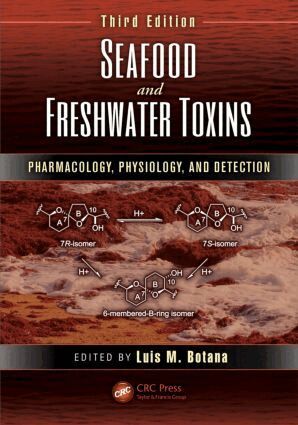
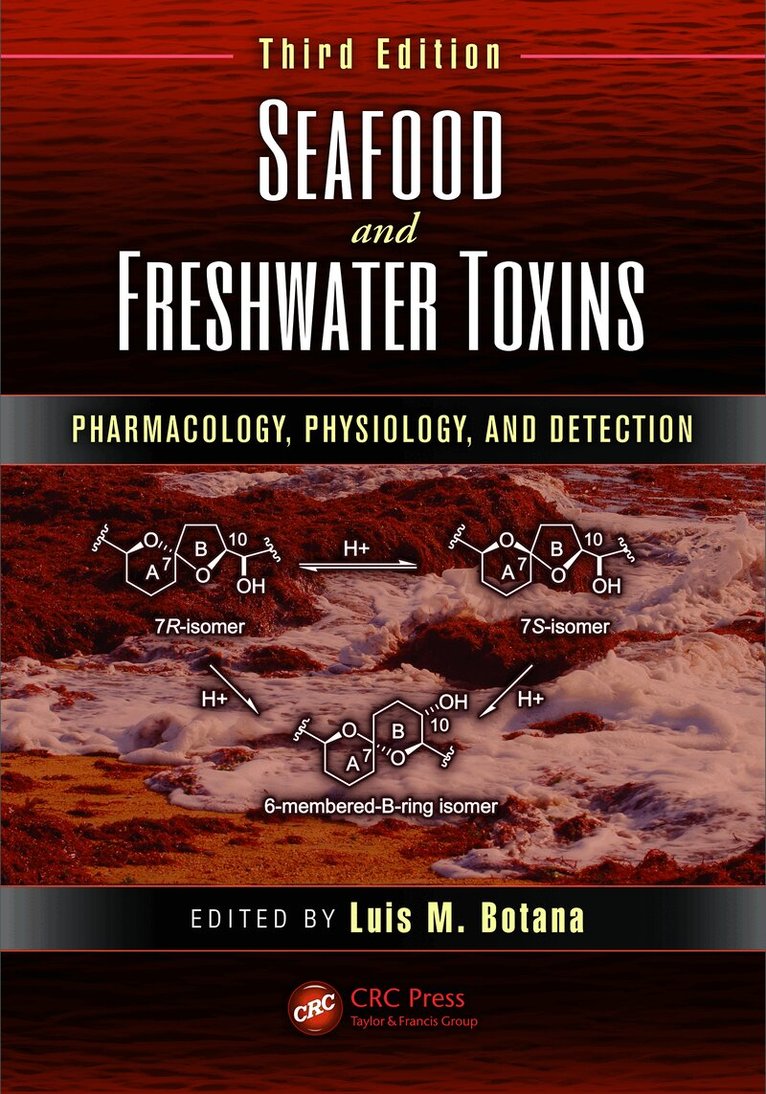
Seafood and Freshwater Toxins
Pharmacology, Physiology, and Detection, Third Edition
Häftad, Engelska, 2019
959 kr
Skickas inom 10-15 vardagar
The last few years have brought about many changes in the field of marine and freshwater toxins, with advances in analytical technology and the realization that these toxins are a global issue. Offering a complete reference guide, Seafood and Freshwater Toxins: Pharmacology, Physiology, and Detection, Third Edition addresses all aspects of the social and scientific influence of phytotoxins, from legislation and monitoring to new drug development. Covering many new topics, the book examines three main aspects: monitoring of toxins; chemical, mechanistic, and toxicological diversity; and detection technologies.New to this edition: 35 new chapters and 5 updated chaptersA focus on state-of-the-art methodologyCoverage of new technologies to cultivate algae and to identify, isolate, and quantify toxinsRegulatory changesClimate change evidenceExpanded information on toxicology Part I of the book includes an overview and reviews general issues related to toxin detection, ecology, and diversity, and effects of climate change. Part II covers impacts of toxins regarding epidemiology, toxicology, economics, and surveillance. Part III explores available detection technologies, such as functional assays, biosensors, mass spectrometry, nanotechnology, and more. In addition, standard reference materials for toxins are discussed. Parts IV to VI provide detailed descriptions of toxin chemical diversity, biological sources, and modes of action. Part VII addresses the use of toxins as starting points for therapeutic drugs for cancer, neurological disorders, and for novel antibiotics.
1 557 kr
Tillfälligt slut
The Latest Applications For Cellmechanism Research in Drug DiscoveryDesigned to connect research on cell mechanisms with the drug discovery process, Therapeutic Targets: Modulation, Inhibition, and Activation introduces readers to a range of new concepts and novel approaches to drug screening and therapeutic drug targeting to help inform future avenues of drug research. Highly topical, this accessible edited volume features chapters contributed by respected experts from around the globe.The book helps postgraduate students and professional scientists working in academia and industry understand the molecular mechanisms of pharmacology, current pharmacological knowledge, and future perspectives in drug discovery, focusing on important biochemical protein targets and drug targeting strategies for specific diseases. Examining the pharmacology of therapeutically undefined targets and their potential applications, it includes chapters on traditional therapeutic targets, including enzymes (phosphodiesterases and proteases), ion channels, and G protein-coupled receptors, as well as more recently identified avenues of exploration, such as lipids, nuclear receptors, gene promoters, and more.Since different diseases require different targeting techniques, the book also includes dedicated chapters on strategies for investigating Alzheimer's, diabetes, pain, and inflammation treatments. Concluding with a cross-sectional look at new approaches in drug screening, Therapeutic Targets is an invaluable resource for understanding where the next generation of drugs are likely to emerge.
2 407 kr
Skickas inom 11-20 vardagar
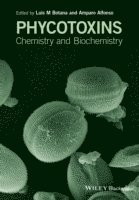
Phycotoxins are a diverse group of poisonous substances produced by certain seaweed and algae in marine and fresh waters and are important to the scientific community for many reasons, the most obvious being that they pose food safety issues which requires a large investment to regularly monitor the presence of these compounds in foods. Phycotoxins: Chemistry and Biochemistry, second edition presents the most updated information available on phycotoxins. Major emphases are given to chemistry and biochemistry, while origins, mechanism of action, toxicology, and analytical methodology are also covered. Since the publication of the first edition, there have been major advances in the science of marine and aquatic toxins, as well as advances in toxicology, analytical chemistry and pharmacology. This fully revised and updated edition includes several new chapters, including those on ciguatoxins, pinnatoxin, ichthyotoxins, as well as new chapters on food safety control of marine toxins, climate change and water toxins, and microalgae as a source of nutraceuticals. The book will be of interest to toxicologists, marine, food, and plant scientists, as well as researchers and academics in the areas of food science, medicine, public health, toxicology, pharmacology and marine biology.
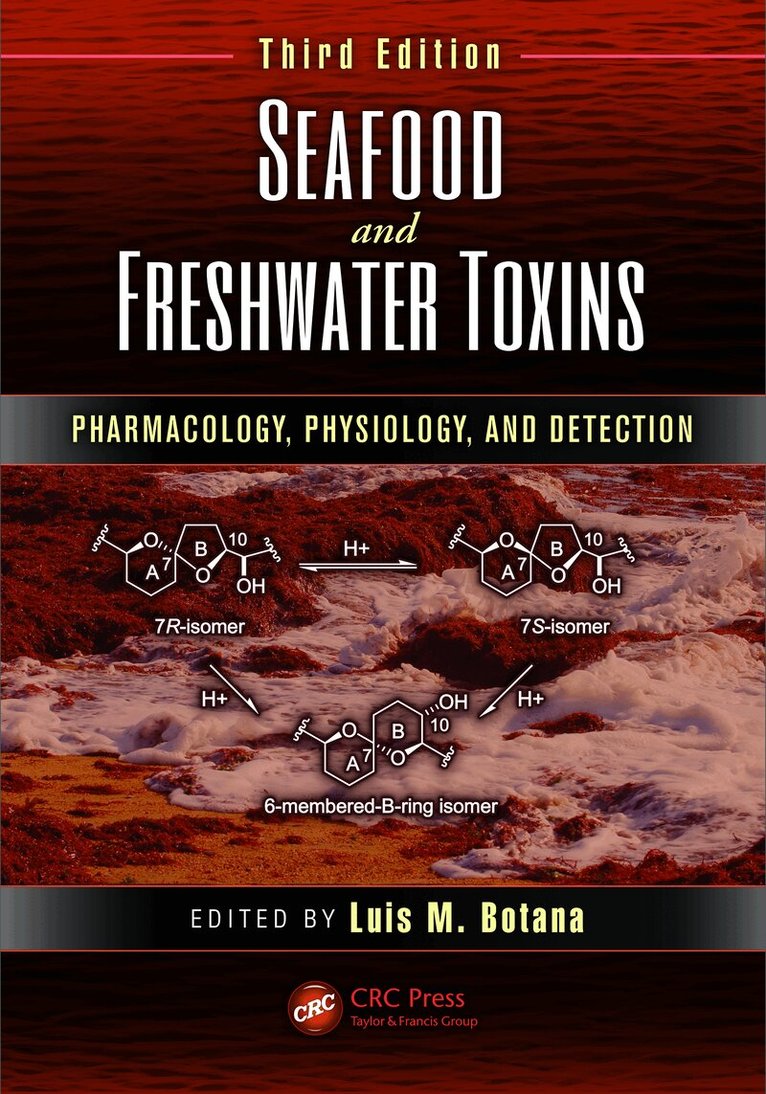
Seafood and Freshwater Toxins
Pharmacology, Physiology, and Detection, Third Edition
Inbunden, Engelska, 2014
5 184 kr
Skickas inom 10-15 vardagar
The last few years have brought about many changes in the field of marine and freshwater toxins, with advances in analytical technology and the realization that these toxins are a global issue. Offering a complete reference guide, Seafood and Freshwater Toxins: Pharmacology, Physiology, and Detection, Third Edition addresses all aspects of the social and scientific influence of phytotoxins, from legislation and monitoring to new drug development. Covering many new topics, the book examines three main aspects: monitoring of toxins; chemical, mechanistic, and toxicological diversity; and detection technologies.New to this edition: 35 new chapters and 5 updated chaptersA focus on state-of-the-art methodologyCoverage of new technologies to cultivate algae and to identify, isolate, and quantify toxinsRegulatory changesClimate change evidenceExpanded information on toxicology Part I of the book includes an overview and reviews general issues related to toxin detection, ecology, and diversity, and effects of climate change. Part II covers impacts of toxins regarding epidemiology, toxicology, economics, and surveillance. Part III explores available detection technologies, such as functional assays, biosensors, mass spectrometry, nanotechnology, and more. In addition, standard reference materials for toxins are discussed. Parts IV to VI provide detailed descriptions of toxin chemical diversity, biological sources, and modes of action. Part VII addresses the use of toxins as starting points for therapeutic drugs for cancer, neurological disorders, and for novel antibiotics.
2 547 kr
Skickas inom 5-8 vardagar
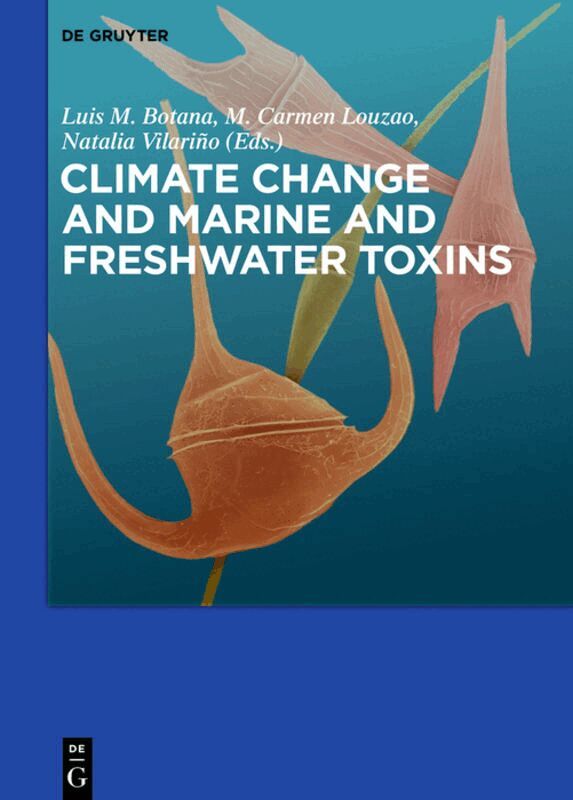
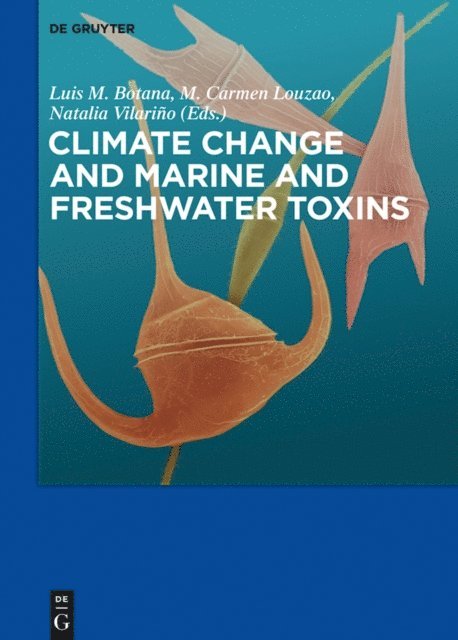
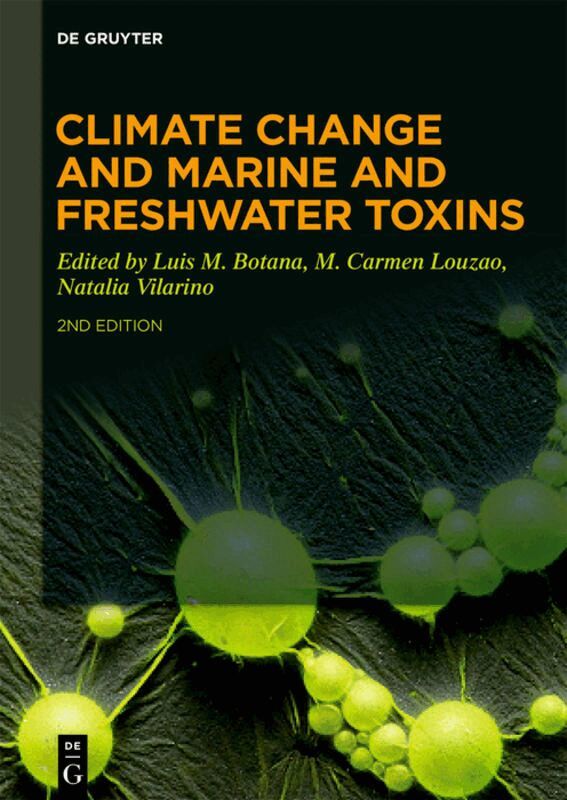
In Climate Change and Marine and Freshwater Toxins the editors have assembled contributions from a team of international experts to expand the framework for an appropriate assessment of climate change impacts on aquatic toxins. While the production of toxins by microalgae has been known for decades, establishing a factual link supported by scientific evidence is a very complex endeavor. The increasing frequency and distribution of toxic blooms for example continue to raise serious concerns regarding seafood and drinking water safety. This book compiles current evidence on the influence of climate change on the spreading of toxin producing species in aquatic systems. The chemistry and biology of toxin production is revised and an outlook on control and prevention of the toxin's impact on human and animal health is given.• Compelling quantitative evidence of complex interactions from primary toxin producers and along the food chain.• Latest advances on prediction and prevention of water toxin threats to human and animal health.• A must read for insights into aquatic toxins and their modification by climatic conditions.About the EditorsLuis M. Botana Is a full Professor of Pharmacology at the University of Santiago, from 2004-2012 director of the Department of Pharmacology and former Fogarty Fellow at the School of Medicine of the Johns Hopkins University. He has been director of the European Reference Laboratory for Marine Toxins from 2004 to 2009. He is author of 25 international patents, over 300 scientific papers and editor of 10 international books.M. Carmen LouzaoIs a Professor of Pharmacology at the University of Santiago de Compostela since 1997. She was a postdoctoral fellow in the National Institute of Environmental Health Sciences (NIEHS) from 1994 to 1995. She is author of over 70 scientific publications in the field of Toxicology, Biochemistry, and Immunology and 20 reviews and book chapters.Natalia VilariñoCurrently teaches Pharmacology to Veterinary Medicine students and participates actively in the research activities of the Department of Pharmacology, University of Santiago de Compostela, since 2005. She was a postdoctoral fellow at the Johns Hopkins Asthma and Allergy Center for 4 years. She is author of over 50 scientific papers in the fields of Toxicology, Analytical Chemistry and Immunology.
1 703 kr
Skickas inom 5-8 vardagar
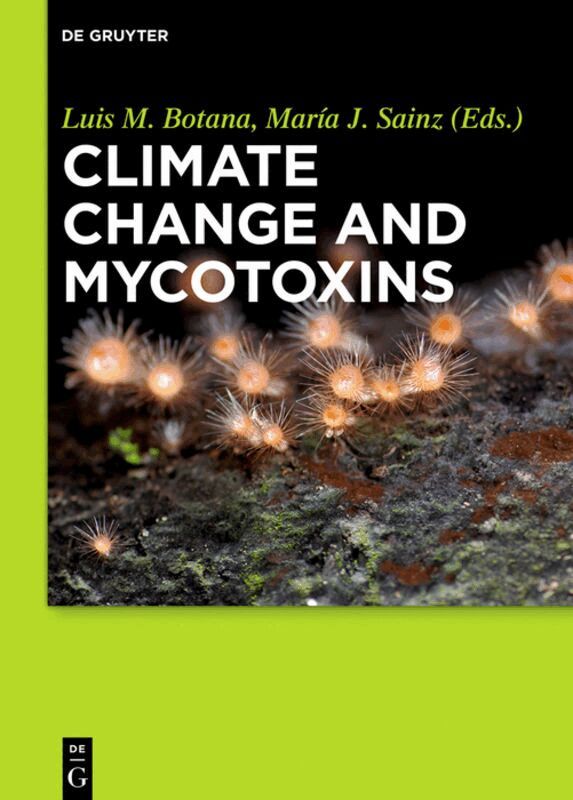
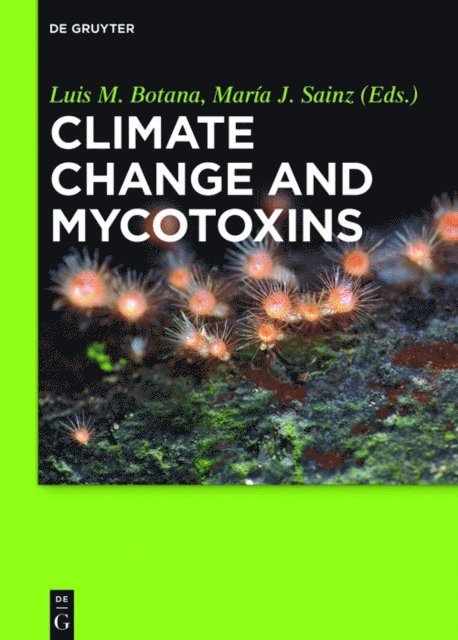
Climate Change and Mycotoxins highlights the importance of the continuous study of climate change impacts on mycotoxigenic fungi and their toxins in food and feed crops. Changing climate conditions across every geographical zone greatly affect rainfall, temperature and concentration of greenhouse gases leading to loss in yield and quality of food crops. In outstanding contributions, the authors compile current evidence on the influence of climate change on mycotoxigenic fungi and mycotoxins in food crops pre- and postharvest and during storage of food and animal feed. The chemistry and biology of toxin production is revised and an outlook on control and prevention of the toxin's impact on food and animal feed is given. The editors recommend this book to mycologists, mycotoxicologists, pathologists, epidemiologists, toxicologists, physicians, veterinarians, nutritionists, the food and feed industries, legislators, analytical chemists, microbiologists, or students of these fields.• Unique compilation on the impact of climate change on mycotoxins based on observed trends over the last 10 years.• Special focus on the implications for food and feed safety. • Latest advances on prediction and prevention of mycotoxin threats to human and animal health.About the Editors Luis M. Botana Is a full Professor of Pharmacology at the University of Santiago, from 2004-2012 director of the Department of Pharmacology and former Fogarty Fellow at the School of Medicine of the Johns Hopkins University. He has been director of the European Reference Laboratory for Marine Toxins from 2004 to 2009. He is author of 25 international patents, over 300 scientific papers and editor of 10 international books.María J. SainzIs an associate Professor of Agriculture and Forage Production and Conservation at the University of Santiago de Compostela. She has been a visiting scientist at the Rothamsted Experimental Station and for ten years head of the department of Plant Production. Her research interests focus on fungal pathogen detection and diagnostics, mycorrhizal fungi in crop protection and production, and mycotoxigenic fungi and mycotoxins on forage crops and animal feed.
2 516 kr
Skickas inom 5-8 vardagar
The increasingly widespread production of toxins by marine and freshwater microalgae raises serious concerns regarding seafood and drinking water safety. This book compiles studies on the influence of climate change on the spreading of toxin-producing species in aquatic systems. The chemistry and biology of toxin production is revised and an outlook on control and prevention of the toxins' impact on human and animal health is given.
972 kr
Skickas inom 7-10 vardagar
The book about Non-bacterial toxins will cover those toxins that affect food safety and are produced by fungi (mycotoxins), cyanobacteria (cyanotoxins) and marine microalgae (phycotoxins). These three group of toxins affect food safety and drinking water quality at a global scale, and they pose three main challenges for scientists: 1) Climate change is causing a slow but steady change on the chemical profile of each of these groups, causing intoxications in areas that are geographically new to the intoxications map. For this reason, emerging toxins are a new topic that requires an important reallocation of resources to understand the new toxins trends, their toxicology, their analytical control and how to deal with them from a regulatory standpoint. 2) Toxicological science needs to be updated to determine the impact of the toxins in all kind of vectors (more and more are being discovered) and how they disseminate on the food chain. Also, the mode of action of many of this toxins is not understood or even known, and this affects also to the impact of the coexistence of several toxins in the same matrix. 3) Detection and regulation, as this requires the use of advance technology (mass spectrometry, biosensors, multitask screening etc) that is in many cases underdevelopped or not available, especially for many of the new toxins. Climate change, toxicology and detection affect so many areas of science that this book will try to keep the readers updated about the current state of the art.