Lyle Campbell – författare
Visar alla böcker från författaren Lyle Campbell. Handla med fri frakt och snabb leverans.
35 produkter
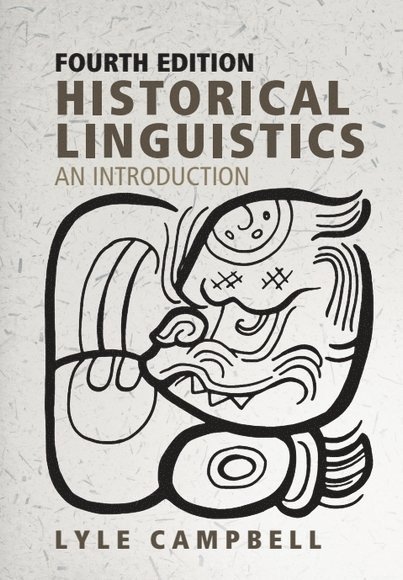
Historical Linguistics
An Introduction
Häftad, 2020
3,5 utav 5 stjärnor. Totalt antal röster: (2)
416 kr
Lägg i varukorg
Lyle Campbell presents an accessible, hands-on introduction to historical linguistics – one that does not just talk about the topics, but through practical exercises and examples shows you how to apply the procedures, how to think about the issues and, in general, how to do what historical …
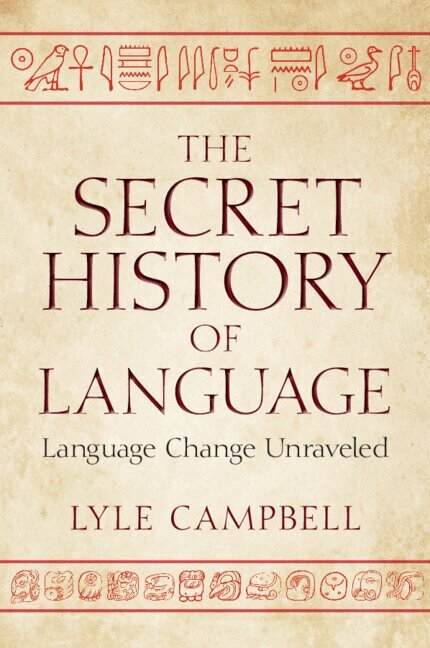
The Secret History of Language
Language Change Unraveled
Häftad, 2026
354 kr
Lägg i varukorg
What are the causes of language change? Where do words come from? Is modern technology and social media corrupting our language? Language change is just as relevant today as it ever was, yet the secrets of how and why it occurs remain tantalisingly out of reach to anyone without a background in …
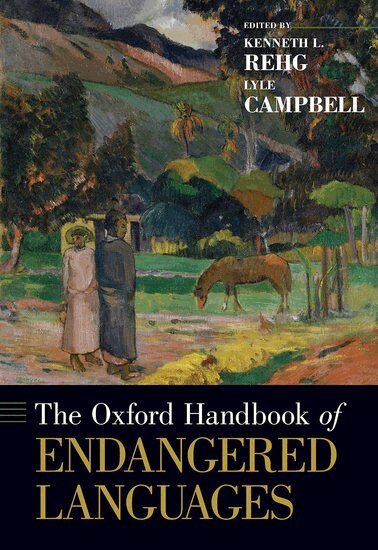
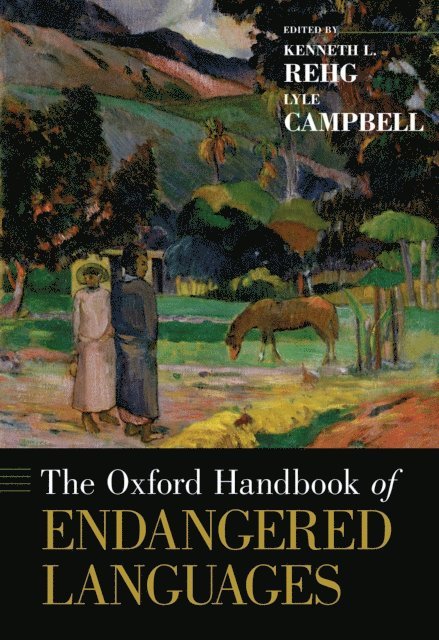
The Oxford Handbook of Endangered Languages
Av Kenneth L. Rehg, Lyle Campbell
Inbunden, 2018
3131 kr
Lägg i varukorg
The endangered languages crisis is widely acknowledged among scholars who deal with languages and indigenous peoples as one of the most pressing problems facing humanity, posing moral, practical, and scientific issues of enormous proportions. Simply put, no area of the world is immune from language …
Oxford Handbook of Endangered Languages
Av Lyle Campbell, Kenneth L. Rehg
E-bok, 2018
2182 kr
Lägg i varukorg
The endangered languages crisis is widely acknowledged among scholars who deal with languages and indigenous peoples as one of the most pressing problems facing humanity, posing moral, practical, and scientific issues of enormous proportions. Simply put, no area of the world is immune from language …
Oxford Handbook of Endangered Languages
Av Lyle Campbell, Kenneth L. Rehg
E-bok, 2018
2182 kr
Lägg i varukorg
The endangered languages crisis is widely acknowledged among scholars who deal with languages and indigenous peoples as one of the most pressing problems facing humanity, posing moral, practical, and scientific issues of enormous proportions. Simply put, no area of the world is immune from language …
American Indian Languages
The Historical Linguistics of Native America
E-bok, 2000
1246 kr
Lägg i varukorg
Native American languages are spoken from Siberia to Greenland, and from the Arctic to Tierra del Fuego; they include the southernmost language of the world (Yaghan) and some of the northernmost (Eskimoan). Campbell''s project is to take stock of what is currently known about the history of Native …
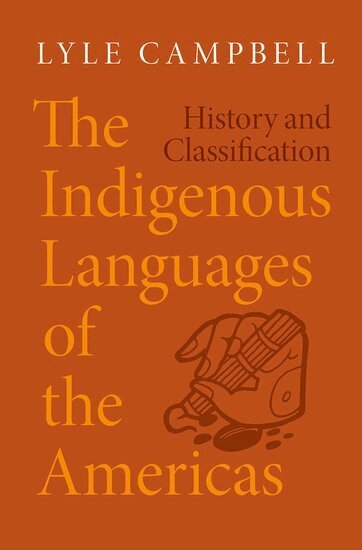
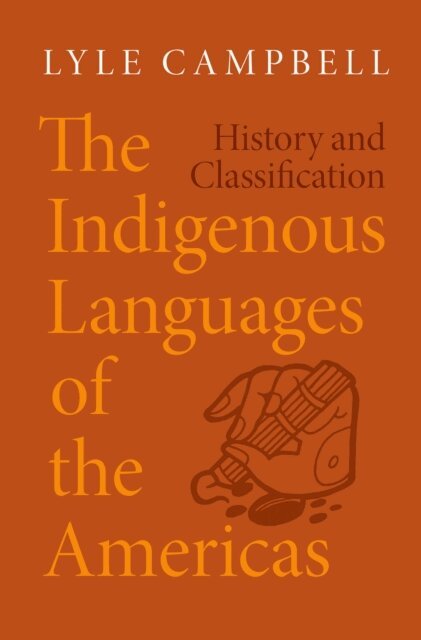
The Indigenous Languages of the Americas
History and Classification
Inbunden, 2024
1388 kr
Lägg i varukorg
The Indigenous Languages of the Americas takes stock of what is known about the history and classification of these languages and language families. It identifies the gaps in knowledge and puts them into perspective, and it assesses differences of opinion. It also resolves some issues and makes new …
Indigenous Languages of the Americas
History and Classification
E-bok, 2024
1397 kr
Lägg i varukorg
The Indigenous Languages of the Americas takes stock of what is known about the history and classification of these languages and language families. It identifies the gaps in knowledge and puts them into perspective, and it assesses differences of opinion. It also resolves some issues and makes new …
Indigenous Languages of the Americas
History and Classification
E-bok, 2024
1397 kr
Lägg i varukorg
The Indigenous Languages of the Americas takes stock of what is known about the history and classification of these languages and language families. It identifies the gaps in knowledge and puts them into perspective, and it assesses differences of opinion. It also resolves some issues and makes new …
Languages of Native America
Historical and Comparative Assessment
Av Lyle Campbell, Marianne Mithun
Häftad, 1979
1010 kr
Lägg i varukorg
These essays were drawn from the papers presented at the Linguistic Society of America's Summer Institute at the State University of New York at Oswego in 1976. The contents are as follows: Lyle Campbell and Marianne Mithun, "Introduction: North American Indian Historical Linguistics in Current …
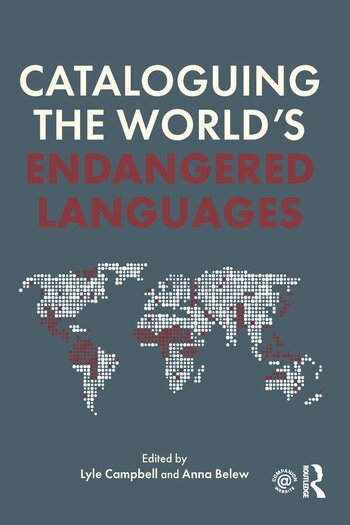
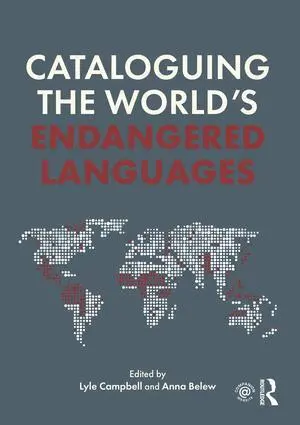
Cataloguing the World's Endangered Languages
Häftad, 2020
786 kr
Lägg i varukorg
Cataloguing the World’s Endangered Languages brings together the results of the extensive and influential Catalogue of Endangered Languages (ELCat) project.Based on the findings from the most extensive endangered languages research project, this is the most comprehensive source of accurate …
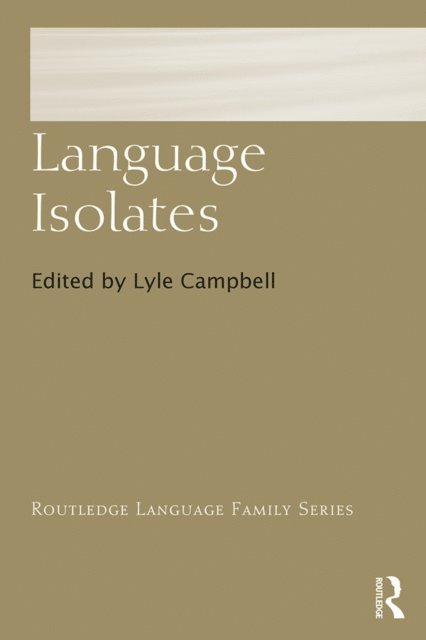
Language Isolates
Häftad, 2019
1186 kr
Lägg i varukorg
Language Isolates explores this fascinating group of languages that surprisingly comprise a third of the world’s languages. Individual chapters written by experts on these languages examine the world's major language isolates by geographic regions, with up-to-date descriptions of many, including …
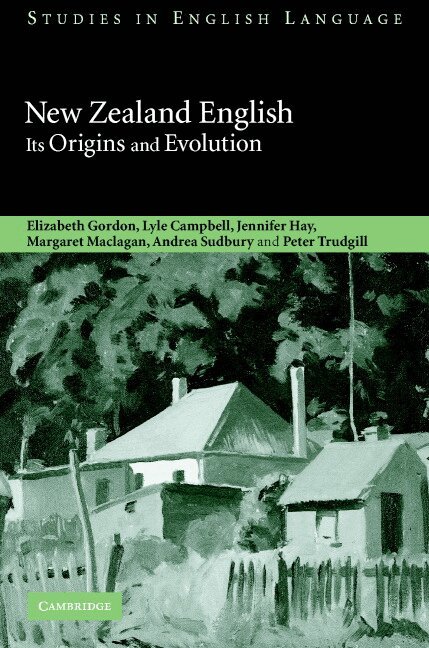
New Zealand English
Its Origins and Evolution
Av Elizabeth Gordon, Lyle Campbell m. fl.
Häftad, 2009
770 kr
Lägg i varukorg
New Zealand English - at just 150 years old - is one of the newest varieties of English, and is unique in that its full history and development are documented in extensive audio-recordings. The rich corpus of spoken language provided by New Zealand's 'mobile disk unit' has provided insight into how …
Historical Syntax in Cross-Linguistic Perspective
Av Alice C. Harris, Lyle Campbell
Häftad, 1995
1106 kr
Lägg i varukorg
In this major new work Alice Harris and Lyle Campbell set out to establish a general framework for the investigation of linguistic change. Systematic cross-linguistic comparison of syntactic change across a wide variety of languages is used to construct hypotheses about the universals and limits of …
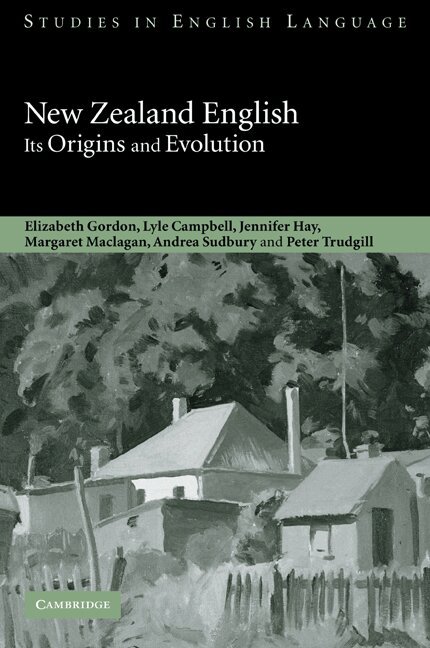
New Zealand English
Its Origins and Evolution
Av Elizabeth Gordon, Lyle Campbell m. fl.
Inbunden, 2004
1962 kr
Lägg i varukorg
New Zealand English - at just 150 years old - is one of the newest varieties of English, and is unique in that its full history and development are documented in extensive audio-recordings. The rich corpus of spoken language provided by New Zealand's 'mobile disk unit' has provided insight into how …
Language Classification
History and Method
Av Lyle Campbell, William J. Poser
Inbunden, 2008
2163 kr
Lägg i varukorg
How are relationships established between the world's languages? This is one of the most topical and most controversial questions in contemporary linguistics. The central aims of this book are to answer this question, to cut through the controversies, and to contribute to research in distant …
The Secret History of Language
Language Change Unraveled
Inbunden, 2026
1190 kr
Lägg i varukorg
What are the causes of language change? Where do words come from? Is modern technology and social media corrupting our language? Language change is just as relevant today as it ever was, yet the secrets of how and why it occurs remain tantalisingly out of reach to anyone without a background in …
Language Isolates
Inbunden, 2017
4591 kr
Lägg i varukorg
Language Isolates explores this fascinating group of languages that surprisingly comprise a third of the world’s languages. Individual chapters written by experts on these languages examine the world's major language isolates by geographic regions, with up-to-date descriptions of many, including …
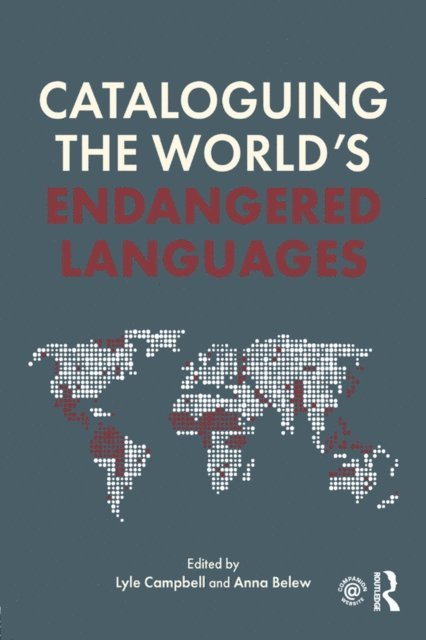
Cataloguing the World's Endangered Languages
Inbunden, 2018
3904 kr
Lägg i varukorg
Cataloguing the World’s Endangered Languages brings together the results of the extensive and influential Catalogue of Endangered Languages (ELCat) project.Based on the findings from the most extensive endangered languages research project, this is the most comprehensive source of accurate …
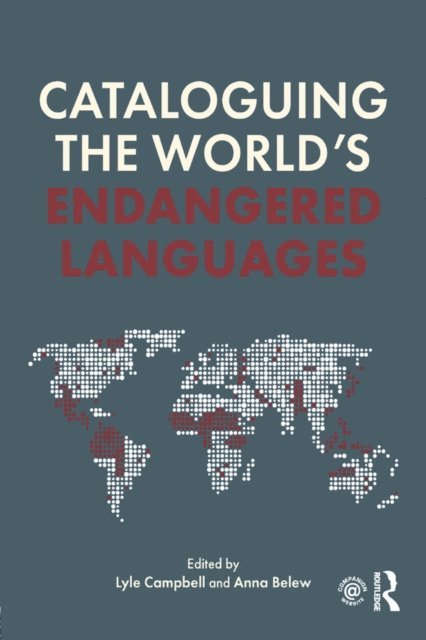
Cataloguing the World's Endangered Languages
E-bok, 2018
927 kr
Lägg i varukorg
Cataloguing the World’s Endangered Languages brings together the results of the extensive and influential Catalogue of Endangered Languages ( ELCat ) project. Based on the findings from the most extensive endangered languages research project, this is the most comprehensive source of accurate …
Cataloguing the World's Endangered Languages
E-bok, 2018
927 kr
Lägg i varukorg
Cataloguing the World’s Endangered Languages brings together the results of the extensive and influential Catalogue of Endangered Languages ( ELCat ) project. Based on the findings from the most extensive endangered languages research project, this is the most comprehensive source of accurate …
Language Isolates
E-bok, 2017
1403 kr
Lägg i varukorg
Language Isolates explores this fascinating group of languages that surprisingly comprise a third of the world’s languages. Individual chapters written by experts on these languages examine the world''s major language isolates and language isolates by geographic regions, with up-to-date …
Language Isolates
E-bok, 2017
1372 kr
Lägg i varukorg
Language Isolates explores this fascinating group of languages that surprisingly comprise a third of the world’s languages. Individual chapters written by experts on these languages examine the world''s major language isolates and language isolates by geographic regions, with up-to-date …
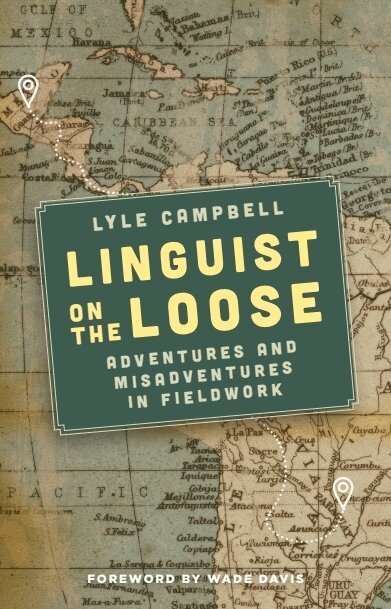
Linguist on the Loose
Adventures and Misadventures in Fieldwork
Inbunden, 2021
2095 kr
Lägg i varukorg
Lyle Campbell’s linguistic fieldwork has taken him to numerous countries, sometimes in challenging circumstances. It has led to exciting discoveries including a new language in southeastern Guatemala, a unique speech sound, unknown in any other language, in the Nivaclé language of Paraguay and …
Linguist on the Loose
Adventures and Misadventures in Fieldwork
Häftad, 2021
228 kr
Lägg i varukorg
Lyle Campbell’s linguistic fieldwork has taken him to numerous countries, sometimes in challenging circumstances. It has led to exciting discoveries including a new language in southeastern Guatemala, a unique speech sound, unknown in any other language, in the Nivaclé language of Paraguay and …
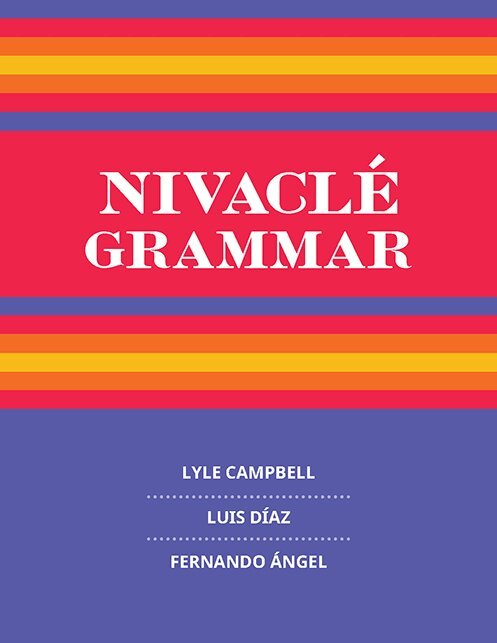
Nivaclé Grammar
Av Lyle Campbell, Luis Díaz m. fl.
Inbunden, 2020
1102 kr
Lägg i varukorg
This book offers an extensive description of Nivaclé, an indigenous language spoken in the Gran Chaco region of Argentina and Paraguay. Nivaclé's phonology, morphology, and syntax are complex; the language has no tenses marked on verbs, essentially no prepositions, and a sizable number of lexical …
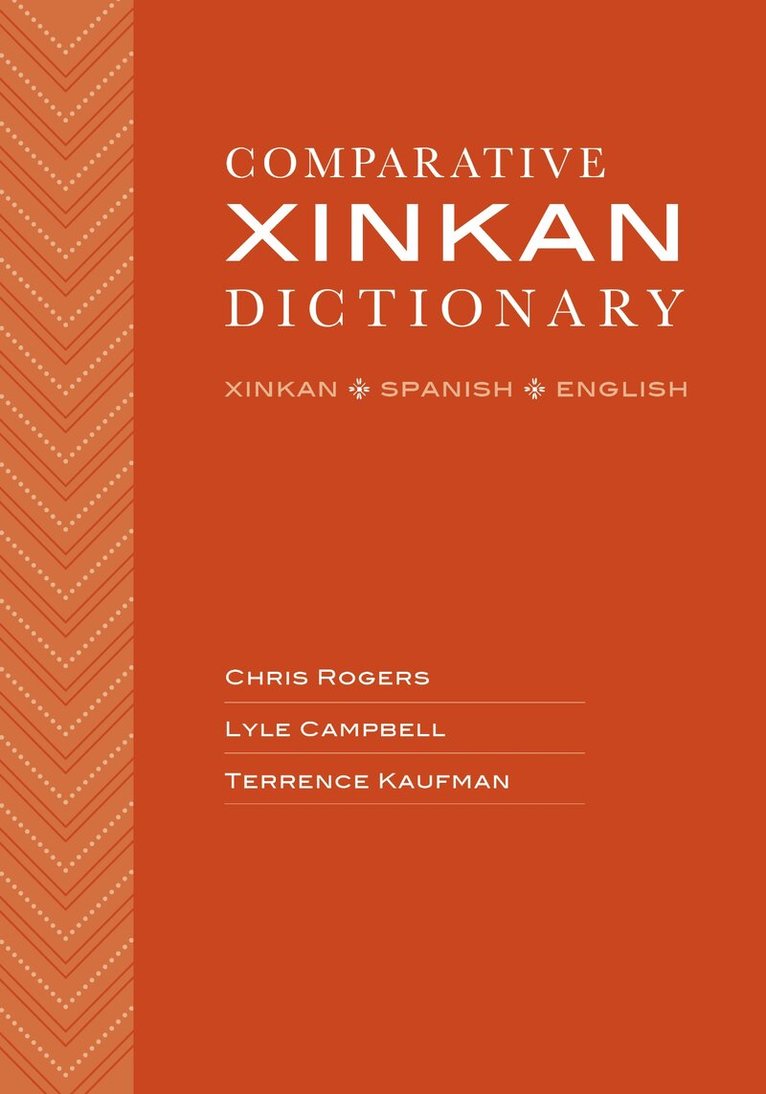
Comparative Xinkan Dictionary
Xinkan – Spanish – English
Av Chris Rogers, Lyle Campbell m. fl.
Inbunden, 2026
987 kr
Kommande
The Xinkan language family is the only pre-colonial, non-Mayan language group in Mesoamerica. This is a truly multilingual dictionary, offering forms, functions, and information in four Xinkan languages (Chiquimulilla, Guazacapán , Jumaytepeque, and Yupiltepeque), Spanish, and English, alongside …
Pipil Language of El Salvador
Inbunden, 1985
4145 kr
Lägg i varukorg
No detailed description available for "The Pipil Language of El Salvador".