Maarten E. A. Reith – författare
Visar alla böcker från författaren Maarten E. A. Reith. Handla med fri frakt och snabb leverans.
10 produkter
10 produkter
Inbunden, Engelska, 2000
1 669 kr
Skickas inom 10-15 vardagar
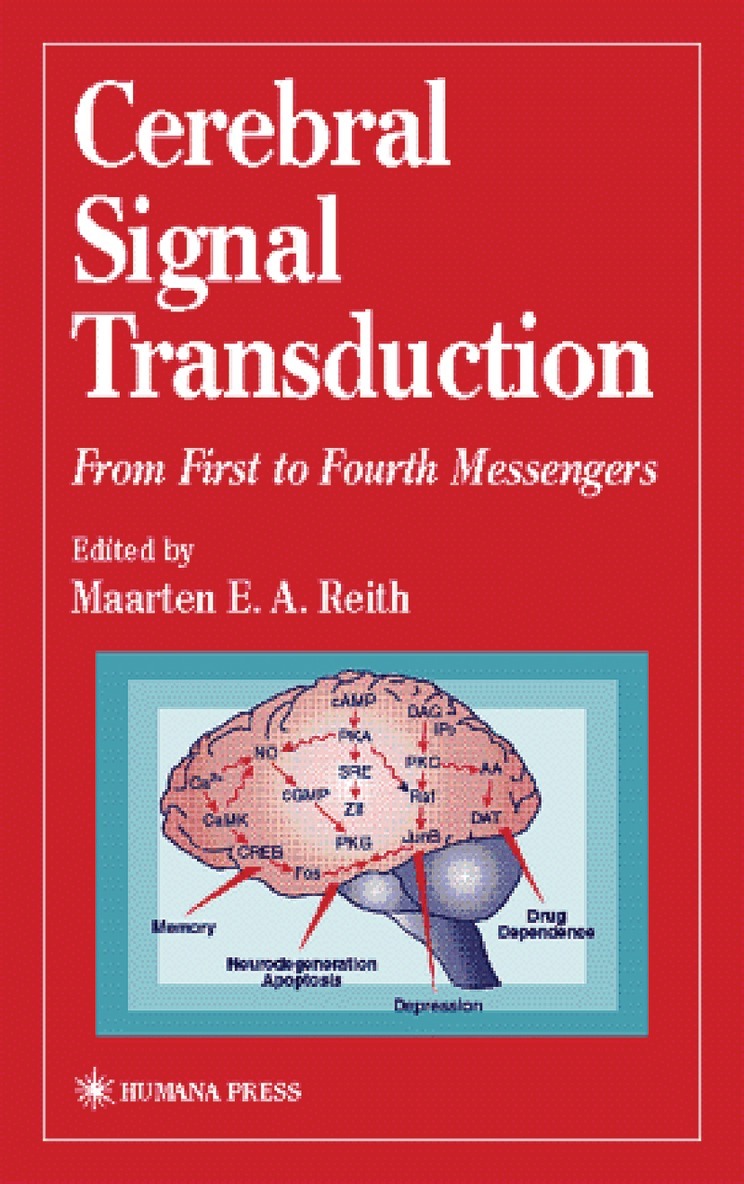
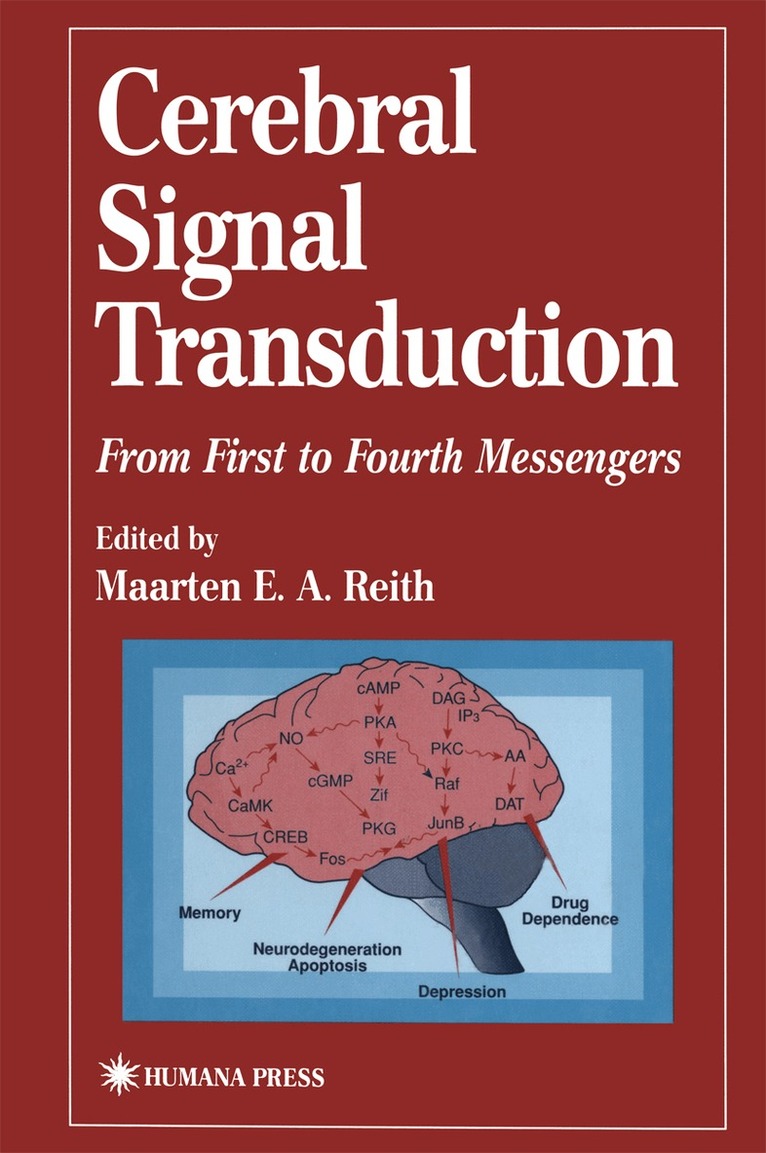
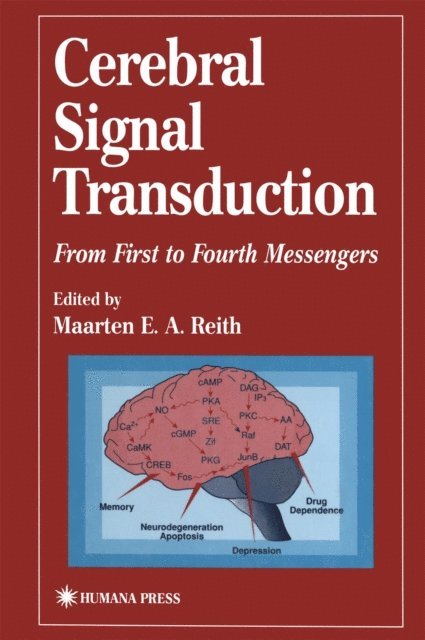
A team of leading experts comprehensively review and synthesize the most recent advances in our understanding of the role of cerebral signaling in neuronal and cerebral function. The authors emphasize the functional role of the various signaling pathways in memory, apoptosis and degeneration, depression, and drug dependence in both health and diseased states. By taking full advantage of the newfound ability to selectively remove, reduce, or enhance specific components of the signaling pathways, the investigators writing here illuminate the varied signaling cascades, their crosstalk, and the many possibilities for changes in gene expression underlying long-term changes in brain function. Cutting-edge and comprehensive, Cerebral Signal Transduction: From First to Fourth Messengers advances our understanding of the mechanistic underpinnings of complex behavioral processes and clinically relevant brain diseases. A major contribution to the development of the novel pharmacotherapeutics targeting downstream events in the cascade of second, third, and fourth messengers, it will serve experimental and clinical neuroscientists as the best and most complete guide to neuronal signaling.
Inbunden, Engelska, 2002
2 159 kr
Skickas inom 10-15 vardagar
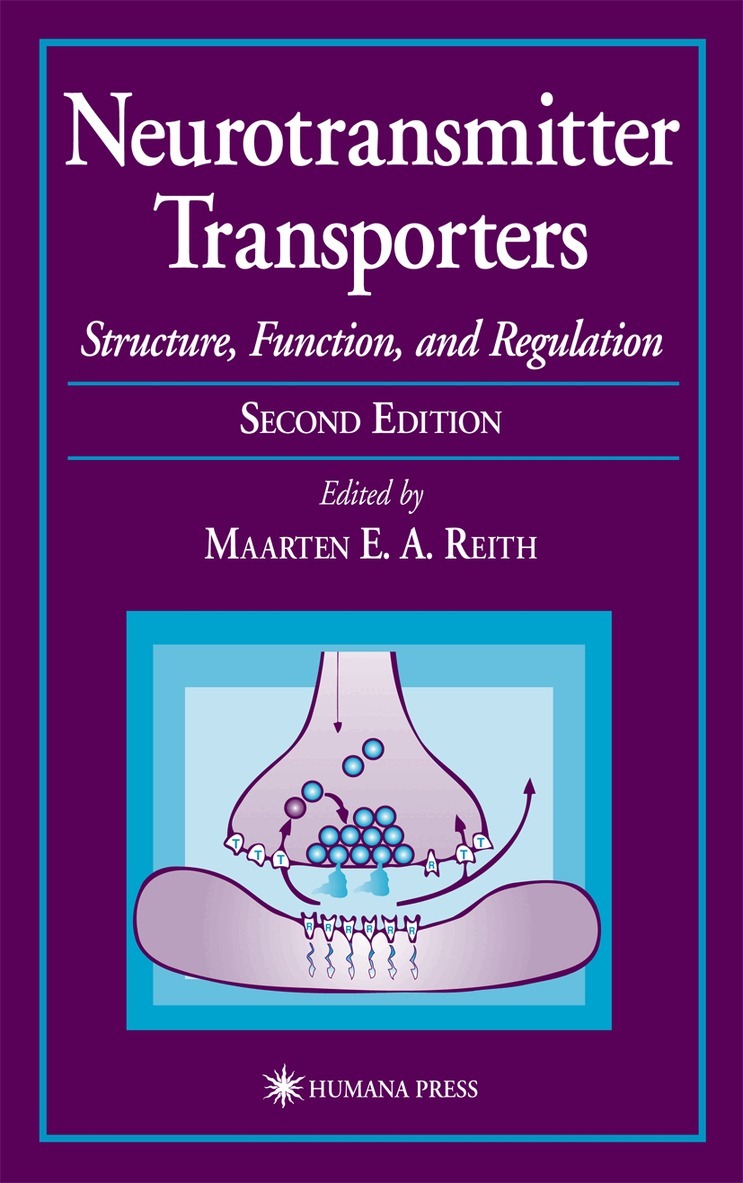
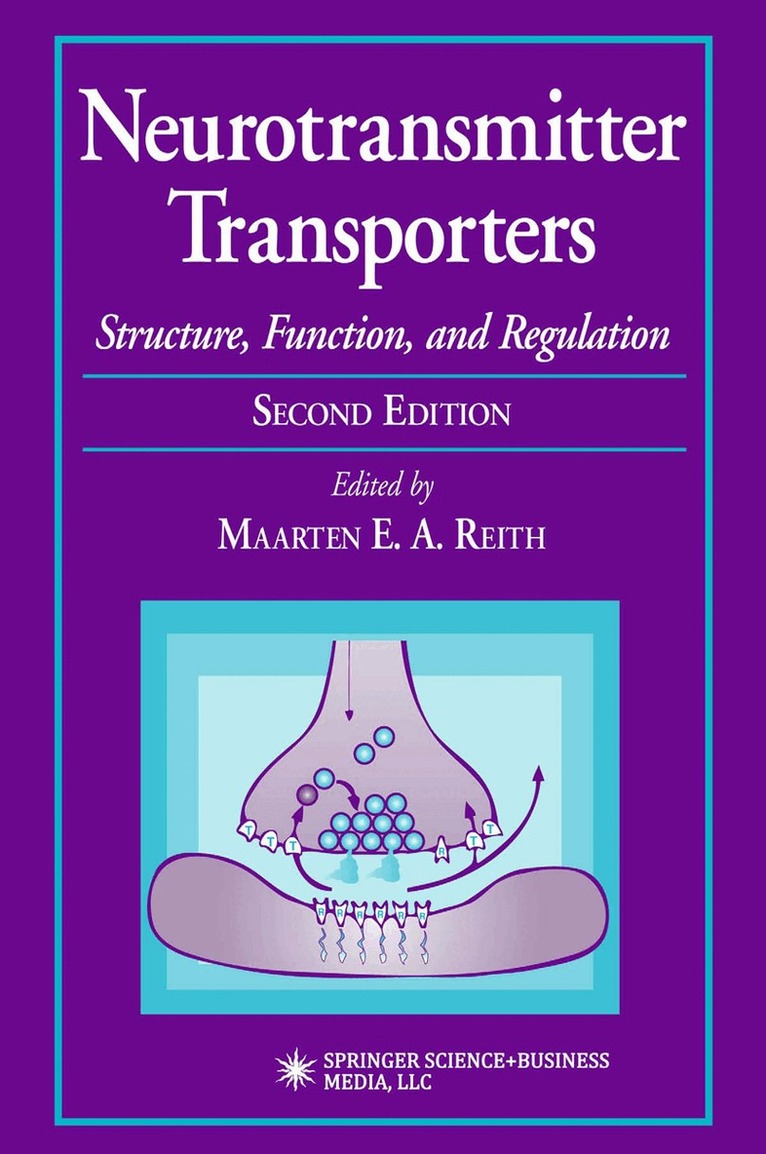
Maarten Reith and his contributors fully update all the material in his widely acclaimed first edition, expanding it to include the important progress made in characterizing the structure, function, regulation, and physiological relevance of each transporter. The new material includes discussions of gene organization and the relationship of polymorphisms of monoamine transporters with a variety of diseases, transgenic animals carrying altered genes for plasma membrane monoamine transporters, and the regulation of transporters by trafficking in relation to their phosphorylation state. Also addressed are transporter imaging techniques that allow in vivo measurement in men and animals, chimera and site-directed mutagenesis of transporters, and transporter electrophysiology. Neurotransmitter Transporters: Structure, Function, and Regulation, Second Edition continues to be the most informative and useful review of the field, allowing comparison between the characteristics of various neurotransmitter transporters and their biological roles in such a way that progress for one transporter can help move the field of another transporter forward.
Häftad, Engelska, 2012
1 630 kr
Skickas inom 10-15 vardagar
Since the pioneering discovery of cyclic AMP four decades ago, a multitude of signaling pathways have been uncovered in which an extracellular signal (first messenger) impacts the cell surface, thereby triggering a cascade that ultimately acts on the cell nucleus. In each cascade the first messenger gives rise to the appearance of a second messenger such as cyclic AMP, cyclic GMP, or diacylglycerol, which in turn triggers a third messenger, a fourth messenger, and so forth. Many advances in elucidating such pathways have been made, including efforts to link messenger molecules to brain processes operative in health or disease. However, the latter type of information, relating signaling pathways to brain function, is scattered across a variety of publication media, which makes it difficult to integrate the multiple roles of different signaling cascades into our understanding of brain function in health and disease. The primary aim of Cerebral Signal Transduction: From First to Fourth Messengers, therefore, is to offer a comprehensive picture of the recent advances made in the signaling field as it relates to neuronal and cere bral function. The current state of progress provides an exciting opportunity for such a comprehensive focus because molecular tools have become available to selectively remove, reduce, or enhance spe cific components in the signaling pathways, e. g. , by interfering with the genes encoding key proteins. In addition, the increased awareness of crosstalk between different signaling cascades has revealed many possibilities for changes in gene expression underlying long-term changes in brain function.
Inbunden, Engelska, 2005
2 236 kr
Skickas inom 10-15 vardagar
An illuminating summary of our current understanding of the interactive role of dopamine and glutamate in psychiatric diseases and the therapeutic strategies and possibilities for future treatment. Among the new ideas presented are hypotheses on the role of dopamine and glutamate in aggression, the glutamate system in anxiety disorders, glutamate and neurodegeneration, and on the origin and progression of Parkinson's disease. Additional chapters offer novel insights into a variety of psychiatric diseases, including ADHD, stress, aggression, addiction, schizophrenia, depression, social phobias, dementias, bulimia, and neurodegenerative diseases like Parkinson's and Alzheimer's diseases. Each chapter summarizes the prevalence and symptoms of the disease and explains the involvement of dopamine and/or glutamate systems using the newer molecular approaches such as transgenic knockout or knockin mice and recent brain imaging techniques.
E-bok
PDF, Engelska, 20001 977 kr
Läs direkt efter köp
Since the pioneering discovery of cyclic AMP four decades ago, a multitude of signaling pathways have been uncovered in which an extracellular signal (first messenger) impacts the cell surface, thereby triggering a cascade that ultimately acts on the cell nucleus. In each cascade the first messenger gives rise to the appearance of a second messenger such as cyclic AMP, cyclic GMP, or diacylglycerol, which in turn triggers a third messenger, a fourth messenger, and so forth. Many advances in elucidating such pathways have been made, including efforts to link messenger molecules to brain processes operative in health or disease. However, the latter type of information, relating signaling pathways to brain function, is scattered across a variety of publication media, which makes it difficult to integrate the multiple roles of different signaling cascades into our understanding of brain function in health and disease. The primary aim of Cerebral Signal Transduction: From First to Fourth Messengers, therefore, is to offer a comprehensive picture of the recent advances made in the signaling field as it relates to neuronal and cere bral function. The current state of progress provides an exciting opportunity for such a comprehensive focus because molecular tools have become available to selectively remove, reduce, or enhance spe cific components in the signaling pathways, e. g. , by interfering with the genes encoding key proteins. In addition, the increased awareness of crosstalk between different signaling cascades has revealed many possibilities for changes in gene expression underlying long-term changes in brain function.
E-bok
PDF, Engelska, 20022 741 kr
Läs direkt efter köp
Neurotransmission is a multicomponent process. Transmitters, released by neuronal activity, act on pre- and postsynaptic receptors, and many books detail advances in the receptor field. In addition, after their release from nerve endings, transmitters are removed from the neuronal vicinity by uptake into neuronal or glial cells by specific tra- porter proteins that have been studied intensely over the last 30 years; this information is scattered throughout numerous publishing vehicles. Therefore, the primary aim of this second edition of N- rotransmitter Transporters: Structure, Function, and Regulation is to offer a comprehensive picture of the characterization of neurotransmitter transporters and their biological roles. The transporter field has moved forward in stages. In the first phase, progress came from the use of substrate or blocker ligands selectively targeting transporters, the application of model systems allowing the study of transmitter tra- port shielded from storage, and the development of mathematical models for describing transport phenomena. In the second phase, roughly covering the last decade, advances in DNA techniques allowed the cloning of numerous genes coding for different transporter proteins. In the current, third stage, a wealth of information is being accumulated in studies relating transporter structure with function, experiments addressing regulation by posttranslational transfor- tion, investigations into transport modulation by trafficking processes and genomic influences, characterization of channel properties of tra- porters by electrophysiological approaches, and the creation of transgenic animals under- or overexpressing a given transporter protein.
E-bok
PDF, Engelska, 19961 100 kr
Läs direkt efter köp
A comprehensive survey of recent advances made in characterizing neurotransmitter transporters-including their imaging in the living brain-and in elucidating the processes underlying biological transport. The expert contributors present up-to-date findings on the molecular cloning of transporters and on neurotransmitter families both in plasma membranes and in storage vesicles. They also provide essential information on the structure-activity relationships for a multitude of recently synthesized dopamine uptake blockers, on transporter changes in the context of human drug abuse, and on the role of transporters in the action of uptake blockers in vivo. The book opens the new frontier of transporters research, authoritatively presenting new insights into their roles in such diseases as brain ischemia and ALS, and into their involvement as targets for antidepressants, antiepileptics, drugs of abuse, and neurotoxins.
E-bok
PDF, Engelska, 20102 822 kr
Läs direkt efter köp
An illuminating summary of our current understanding of the interactive role of dopamine and glutamate in psychiatric diseases and the therapeutic strategies and possibilities for future treatment. Among the new ideas presented are hypotheses on the role of dopamine and glutamate in aggression, the glutamate system in anxiety disorders, glutamate and neurodegeneration, and on the origin and progression of Parkinson''s disease. Additional chapters offer novel insights into a variety of psychiatric diseases, including ADHD, stress, aggression, addiction, schizophrenia, depression, social phobias, dementias, bulimia, and neurodegenerative diseases like Parkinson''s and Alzheimer''s diseases. Each chapter summarizes the prevalence and symptoms of the disease and explains the involvement of dopamine and/or glutamate systems using the newer molecular approaches such as transgenic knockout or knockin mice and recent brain imaging techniques.
Häftad, Engelska, 2010
2 171 kr
Skickas inom 10-15 vardagar
Maarten Reith and his contributors fully update all the material in his widely acclaimed first edition, expanding it to include the important progress made in characterizing the structure, function, regulation, and physiological relevance of each transporter. The new material includes discussions of gene organization and the relationship of polymorphisms of monoamine transporters with a variety of diseases, transgenic animals carrying altered genes for plasma membrane monoamine transporters, and the regulation of transporters by trafficking in relation to their phosphorylation state. Also addressed are transporter imaging techniques that allow in vivo measurement in men and animals, chimera and site-directed mutagenesis of transporters, and transporter electrophysiology. Neurotransmitter Transporters: Structure, Function, and Regulation, Second Edition continues to be the most informative and useful review of the field, allowing comparison between the characteristics of various neurotransmitter transporters and their biological roles in such a way that progress for one transporter can help move the field of another transporter forward.
Häftad, Engelska, 2011
2 458 kr
Skickas inom 10-15 vardagar
An illuminating summary of our current understanding of the interactive role of dopamine and glutamate in psychiatric diseases and the therapeutic strategies and possibilities for future treatment. Among the new ideas presented are hypotheses on the role of dopamine and glutamate in aggression, the glutamate system in anxiety disorders, glutamate and neurodegeneration, and on the origin and progression of Parkinson's disease. Additional chapters offer novel insights into a variety of psychiatric diseases, including ADHD, stress, aggression, addiction, schizophrenia, depression, social phobias, dementias, bulimia, and neurodegenerative diseases like Parkinson's and Alzheimer's diseases. Each chapter summarizes the prevalence and symptoms of the disease and explains the involvement of dopamine and/or glutamate systems using the newer molecular approaches such as transgenic knockout or knockin mice and recent brain imaging techniques.