Malgorzata Kloc – författare
1 828 kr
Skickas inom 5-8 vardagar
2 030 kr
Läs direkt efter köp
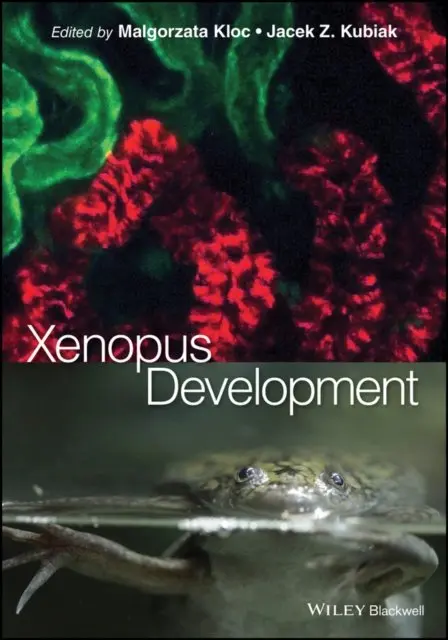
Xenopus Development is divided into four sections, the first three highlight key processes in Xenopus development from embryo to metamophosis. These sections focus on the cellular processes, organogenesis and embryo development. The final section highlights novel techniques and approaches being used in Xenopus research.
Providing thorough and detailed coverage, Xenopus Development, will be a timely and welcome volume for those working in cell and molecular biology, genetics, developmental biology and biomedical research.
Provides broad overview of the developmental biology of both Xenopus laevis and Xenopus tropicalis Explores cellular to systems development in key biomedical model organisms Timely synthesis of the field of Xenopus biology Highlights key biomedical and basic biological findings unlocked by Xenopus2 104 kr
Läs direkt efter köp
Xenopus Development is divided into four sections, the first three highlight key processes in Xenopus development from embryo to metamophosis. These sections focus on the cellular processes, organogenesis and embryo development. The final section highlights novel techniques and approaches being used in Xenopus research.
Providing thorough and detailed coverage, Xenopus Development, will be a timely and welcome volume for those working in cell and molecular biology, genetics, developmental biology and biomedical research.
Provides broad overview of the developmental biology of both Xenopus laevis and Xenopus tropicalis Explores cellular to systems development in key biomedical model organisms Timely synthesis of the field of Xenopus biology Highlights key biomedical and basic biological findings unlocked by XenopusMarine Organisms as Model Systems in Biology and Medicine
3 021 kr
Skickas inom 10-15 vardagar
Golgi Apparatus and Centriole
Functions, Interactions and Role in Disease
2 779 kr
Skickas inom 10-15 vardagar
3 577 kr
Läs direkt efter köp
This volume takes a closer look how the cell organelles Golgi apparatus (also known as the Golgi complex or Golgi body), and centriole are structurally and functionally intertwined.
Initially, it was believed that the role of Golgi complex is limited to the packaging and preparation for secretion of various cellular proteins, while the centriole participates in cell division and cilia formation. However, since their discovery nearly 200 years ago, it became clear that these two organelles are interacting, and that their functions are much more complex and far reaching than previously thought. Recent findings indicate that the Golgi–Centriole relationship may be important for directional protein transport, cell polarization and cell cycle progression. Current studies indicate that Golgi and centriole also participate in development and act as cellular and immunological sensors, and that their abnormalities lead to cell and developmental abnormalities, Alzheimer, cancer, variouslipid disorders and neurological and immunological diseases in humans.
This volume combines the latest information on the structure, molecular composition, and roles of Golgi and centriole in various cellular functions and diseases. The better understanding of the Golgi–centriole interactions may lead to the development of novel therapies for the treatment of various diseases, including cancer.
Golgi Apparatus and Centriole
Functions, Interactions and Role in Disease
2 779 kr
Skickas inom 10-15 vardagar
Symbiosis: Cellular, Molecular, Medical and Evolutionary Aspects
1 945 kr
Skickas inom 10-15 vardagar
2 524 kr
Läs direkt efter köp
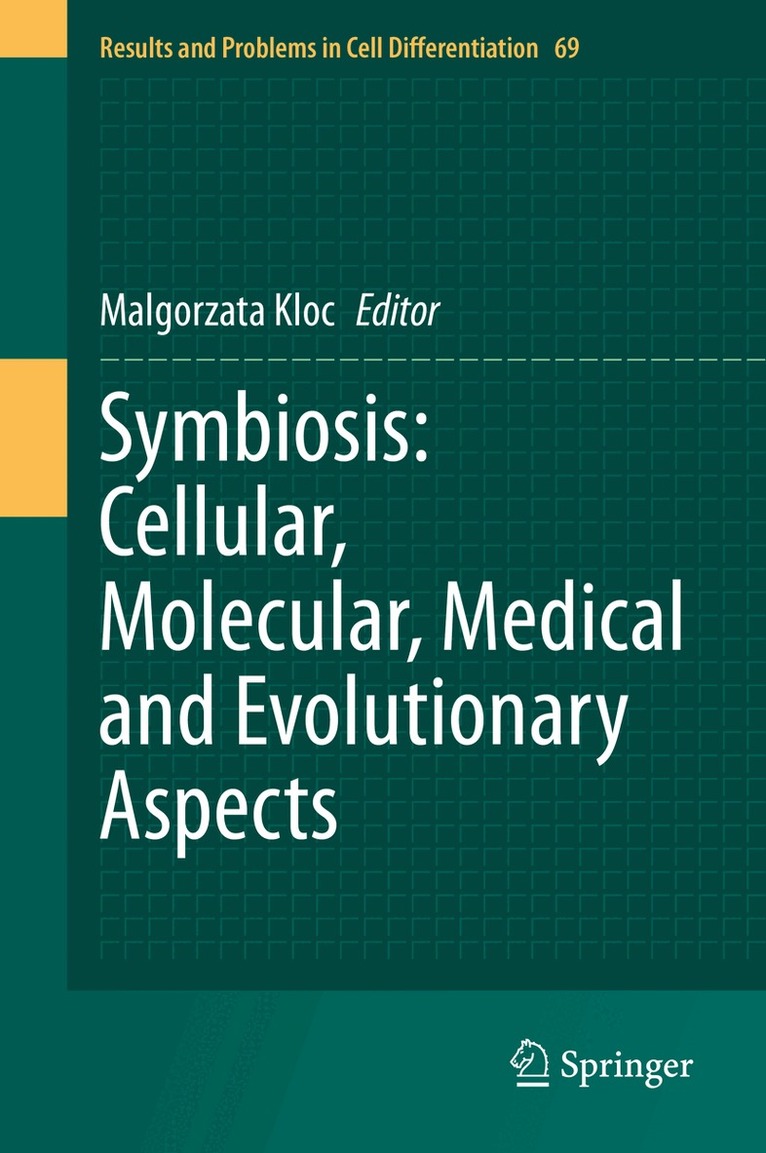
This volume presents a comprehensive overview of the latest developments in symbiosis research. It covers molecular, organellar, cellular, immunologic, genetic and evolutionary aspects of symbiotic interactions in humans and other model systems. The book also highlights new approaches to interdisciplinary research and therapeutic applications.
Symbiosis refers to any mutually beneficial interaction between different organisms. The symbiotic origin of cellular organelles and the exchange of genetic material between hosts and their bacterial and viral symbionts have helped shaped the current diversity of life.
Recently, symbiosis has gained a new level of recognition, due to the realization that all organisms function as a holobiome and that any kind of interference with the hosts influences their symbionts and vice versa, and can have profound consequences for the survival of both. For example, in humans, the microbiome, i.e., the entirety of all the microorganisms living in association with the intestines, oral cavity, urogenital system and skin, is partially inherited during pregnancy and influences the maturation and functioning of the human immune system, protects against pathogens and regulates metabolism. Symbionts also regulate cancer development, wound healing, tissue regeneration and stem cell function.
The medical applications of this new realization are vast and largely uncharted. The composition and robustness of human symbionts could make them a valuable diagnostic tool for predicting impending diseases, and the manipulation of symbionts could yield new strategies for the treatment of incurable diseases.
Symbiosis: Cellular, Molecular, Medical and Evolutionary Aspects
1 945 kr
Skickas inom 10-15 vardagar
Nuclear, Chromosomal, and Genomic Architecture in Biology and Medicine
2 483 kr
Skickas inom 10-15 vardagar
3 157 kr
Läs direkt efter köp
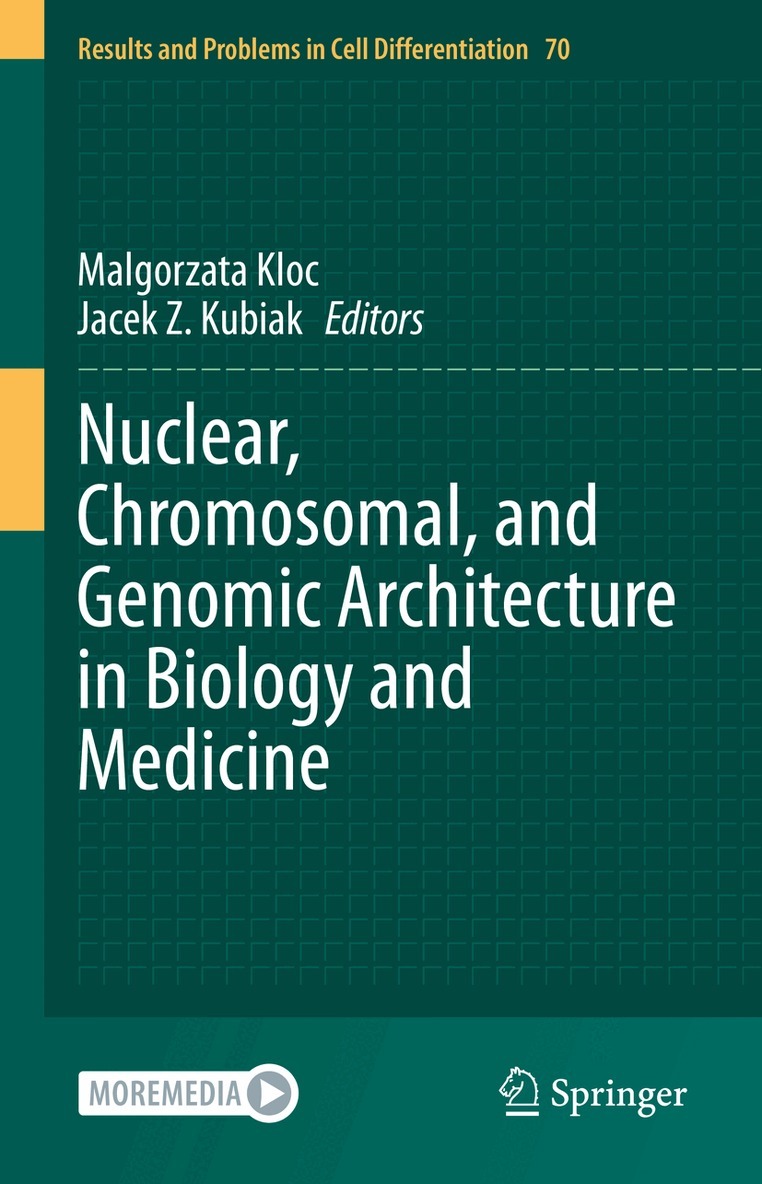
This volume reviews the latest research on the functional implications of nuclear, chromosomal and genomic organization and architecture on cell and organismal biology, and development and progression of diseases.
The architecture of the cell nucleus and non-random arrangement of chromosomes, genes, and the non-membranous nuclear bodies in the three-dimensional (3D) space alters in response to the environmental, mechanical, chemical, and temporal cues. The changes in the nuclear, chromosomal, or genomic compaction and configuration modify the gene expression program and induce or inhibit epigenetic modifications. The intrinsically programmed rearrangements of the nuclear architecture are necessary for cell differentiation, the establishment of cell fate during development and maturation of tissues and organs including the immune, muscle, and nervous systems.
The non-programmed changes in the nuclear architecture can lead to fragmentation of the nucleus and instability ofthe genome and thus cause cancer. Microbial and viral infections can lead to a clustering of centromeres, telomeres and ribosomal DNA and alter the properties of the nuclear membrane, allowing large immobile macromolecules to enter the nucleus.
Recent advances in next-generation sequencing technologies combined with nucleus/chromosome conformation capture, super-resolution imaging, chromosomal contact maps methods, integrative modeling, and genetic approaches, are uncovering novel features and importance of nuclear, chromosomal and genomic architecture.
This book is an interesting read for cell biologists, researchers studying the structure and function of chromosomes, and anyone else who wants to get an overview of the field of nuclear, chromosomal and genomic architecture.Nuclear, Chromosomal, and Genomic Architecture in Biology and Medicine
2 483 kr
Skickas inom 10-15 vardagar
1 945 kr
Skickas inom 10-15 vardagar
2 532 kr
Läs direkt efter köp
This book gives a current overview on the development, origin, structure, and functions of germline and somatic cell syncytia during embryogenesis and organogenesis. It also reviews pathogen-induced syncytia and the role of syncytial cells in cancer development.
The book covers the following topics:
germline syncytia, evolution, function and structure; syncytia in embryogenesis and development; the role of somatic cell fusion in fungi, specialized somatic tissues, host defense and adaptation; syncytia induced by viruses and parasites;syncytia and circulating hybrid cells in cancer and other pathological conditions;It also discusses how the genomic adaptations of microorganisms to extreme habitats can prompt the evolution of mononuclear and multinucleate/syncytial cells.
The book offers a fresh outlook on syncytia''s role in various processes: embryogenesis, organogenesis, adaptation, host defense, and development of specialized tissues. It highlights the importance of syncytia under physiological and pathological conditions.
Syncytia: Origin, Structure, and Functions
1 945 kr
Skickas inom 10-15 vardagar
Intercellular and Interorganellar Transfer and Communication in Biology and Medicine
3 021 kr
Skickas inom 5-8 vardagar
3 948 kr
Läs direkt efter köp
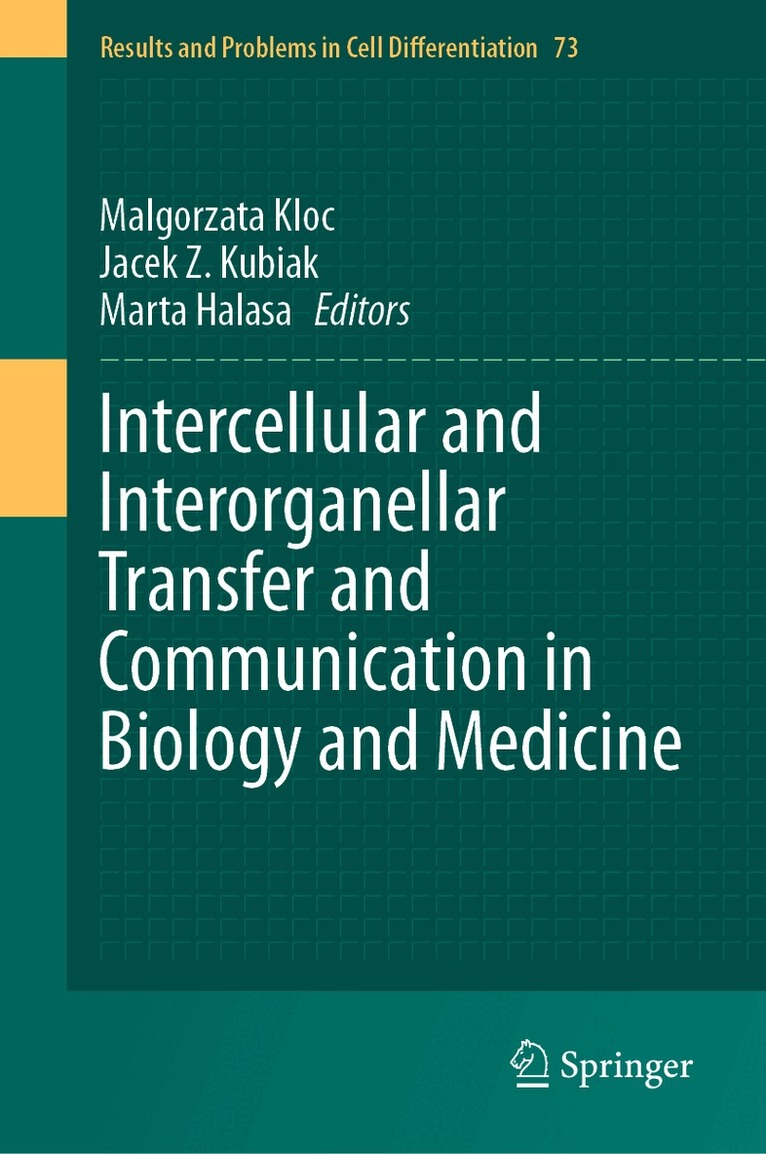
This volume covers recent developments on the role, composition, and functional significance of intercellular and interorganellar transfer. It highlights the involvement of intercellular and interorganellar transfer in cell and developmental biology, differentiation, pathogen dissemination, shaping the genetic makeup of organisms, and the development of various diseases.
Animals and plants evolved different communication mechanisms and transfer of molecules and organelles between cells and between organelles within the individual cells. Tunneling nanotubes (TNTs) in animals, discovered as recently as 2004, and their functional equivalent in plants, plasmodesmata, discovered over 100 years ago, are the membranous bridges that mediate the transfer of organelles, membrane patches, vesicles, DNA/RNA, and different molecules between cells. In addition, there are other means of transfer and communication between the cells, such as cytonemes, airinames, extracellular vesicles (exosomes), and others. Variations in cytoskeletal composition, morphology, modality, and connected cells suggest that these structures play a role in development, establishment of cell fate, progenitor cell differentiation, cell reprogramming, ferroptosis, generation of cancer stem cells, and various diseases. The exchange of intact membrane patches (trogocytosis) between cells of the immune system may modify the immune response. Additionally, the transfer of genetic information between nucleus and organelles and cells of different species can shape the species and evolutionary outcome. Viral and bacterial pathogens can hijack the inter-cellular transfer routes to spread more efficiently. Cell-to-cell transfer of animal and plant pathogens can also occur by the virological synapse (VS). These specialized pathogen-induced structures share similarities and differences with neurological and immunological synapses.
Intercellular and Interorganellar Transfer and Communication in Biology and Medicine
3 021 kr
Skickas inom 10-15 vardagar
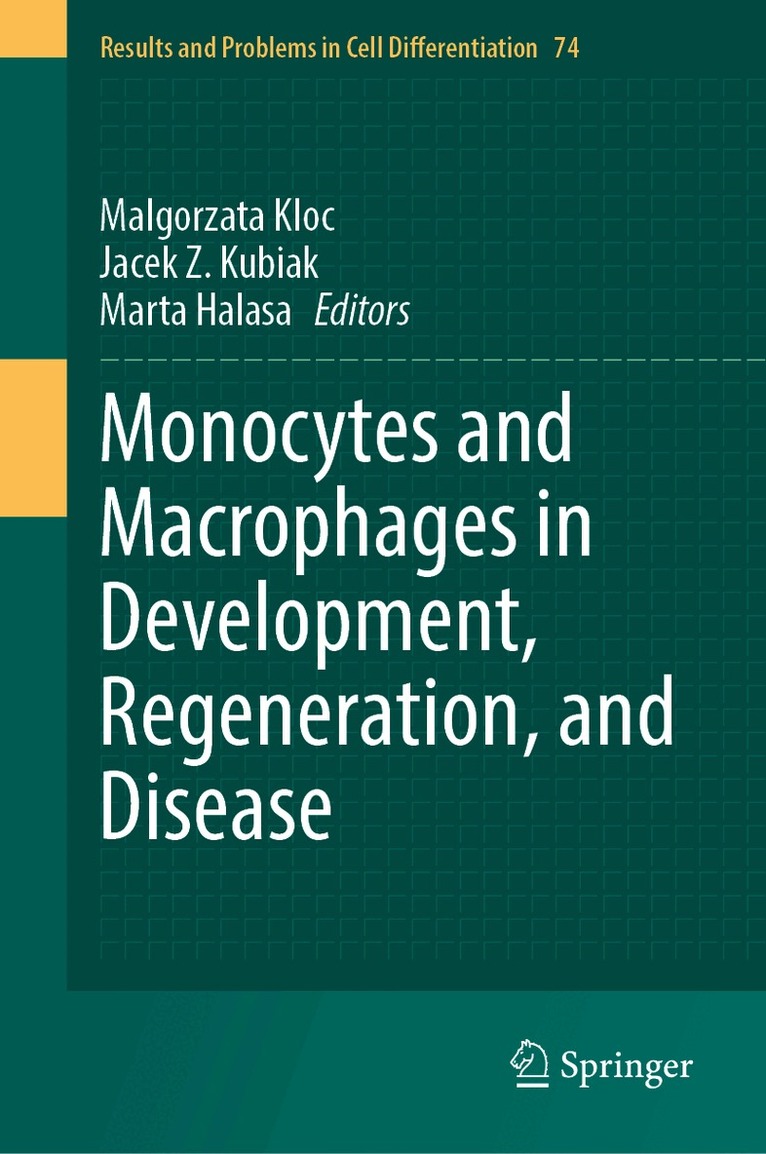
Monocytes and Macrophages in Development, Regeneration, and Disease
2 446 kr
Skickas inom 10-15 vardagar
3 251 kr
Läs direkt efter köp
The study and therapeutic application of macrophages is a rapidly developing field. Tremendous progress has been made in understanding the phenotypes and functions of macrophages in healthy and diseased tissues and organs.
Following the great success of Volume 62: "Macrophages - Origin, Functions and Biointervention" published in this series, this new book now focuses on the role of monocytes and macrophages in development, regeneration and disease. This new volume offers an overview of the latest developments in monocyte and macrophage subtypes and functions across various tissues including adipose tissue, bones, liver, lungs, testes, and the nervous system.
The book also reviews existing and potential therapies targeted towards the macrophages and describes their homeostatic functions. It explores how macrophage cell cycle, metabolism, mitochondrial activity, histone acetylation status, and interaction with the extracellular matrix contribute to changes in macrophage phenotype and function in health and disease. Additionally, it examines the interactions between macrophages and cancer cells, bacteria, helminth parasites, and their role in the colonization and spread of HIV.
For ease of reference, the volume is divided into three sections:
Part I Nonimmunologic and immunologic functions of monocytes/macrophagesPart II Tissue/organ specific functions of macrophagesPart III Macrophage functions and dysfunction in diseasesThis book will be of interest to researchers working in the fields of developmental biology, immunology, cancer research, and therapeutic applications. It is written to inform and inspire experts and newcomers to the field of macrophages.
Monocytes and Macrophages in Development, Regeneration, and Disease
2 446 kr
Skickas inom 10-15 vardagar
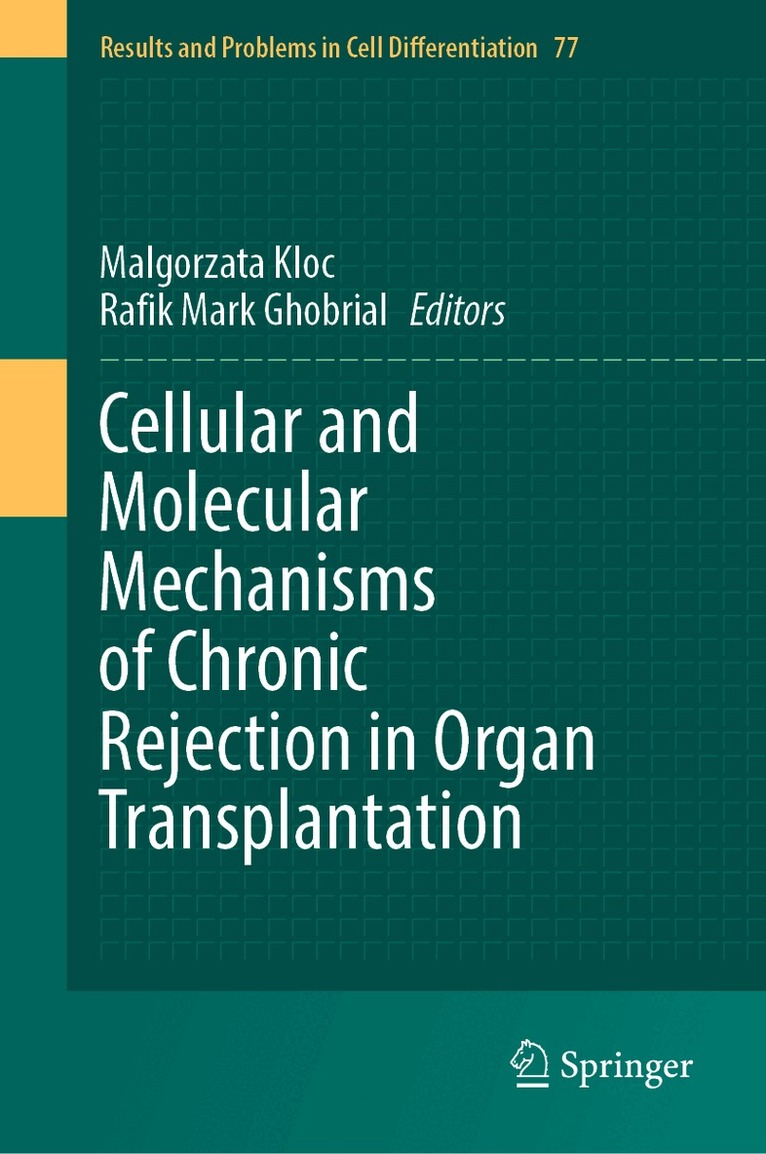
Cellular and Molecular Mechanisms of Chronic Rejection in Organ Transplantation
2 225 kr
Skickas inom 10-15 vardagar
2 925 kr
Läs direkt efter köp
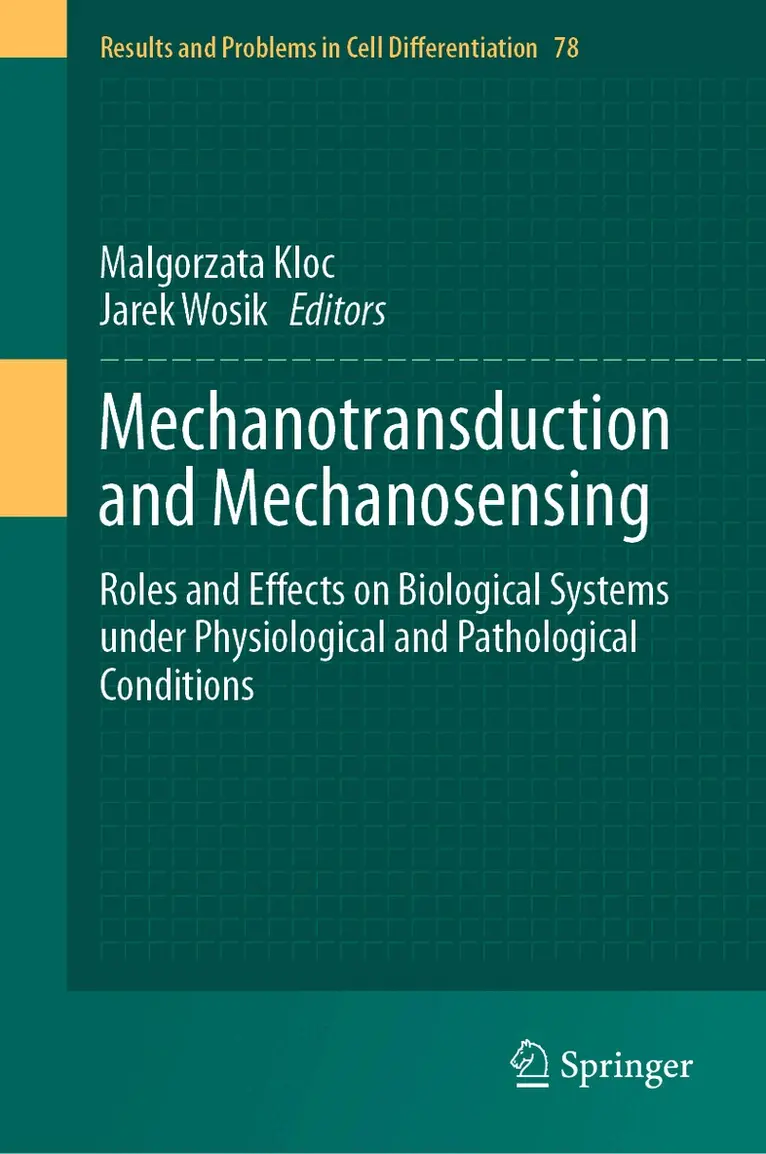
Mechanotransduction and Mechanosensing
Roles and Effects on Biological Systems under Physiological and Pathological Conditions
2 225 kr
Skickas inom 10-15 vardagar
2 925 kr
Läs direkt efter köp
Macrophages
Origin, Functions and Biointervention
2 446 kr
Skickas inom 10-15 vardagar
3 251 kr
Läs direkt efter köp
This volume gives a state-of-the-art overview on macrophage functions in various invertebrate and vertebrate systems and diseases. It also covers various aspects of macrophage development and formation, behavior and response to nano- and biomaterials, the latter of which have become very important components of modern medicine.
Macrophages are evolutionarily conserved phagocytotic cells. In recent years macrophages have emerged as one of the most versatile cells of immune system, which, depending on the milieu and circumstance, participate in development or inhibition of cancer, regeneration, wound healing, inflammation, organ rejection and interaction between mother and a fetus.
This book will be of particular interest to researchers working in immunology, cancer research, developmental biology, or related fields.
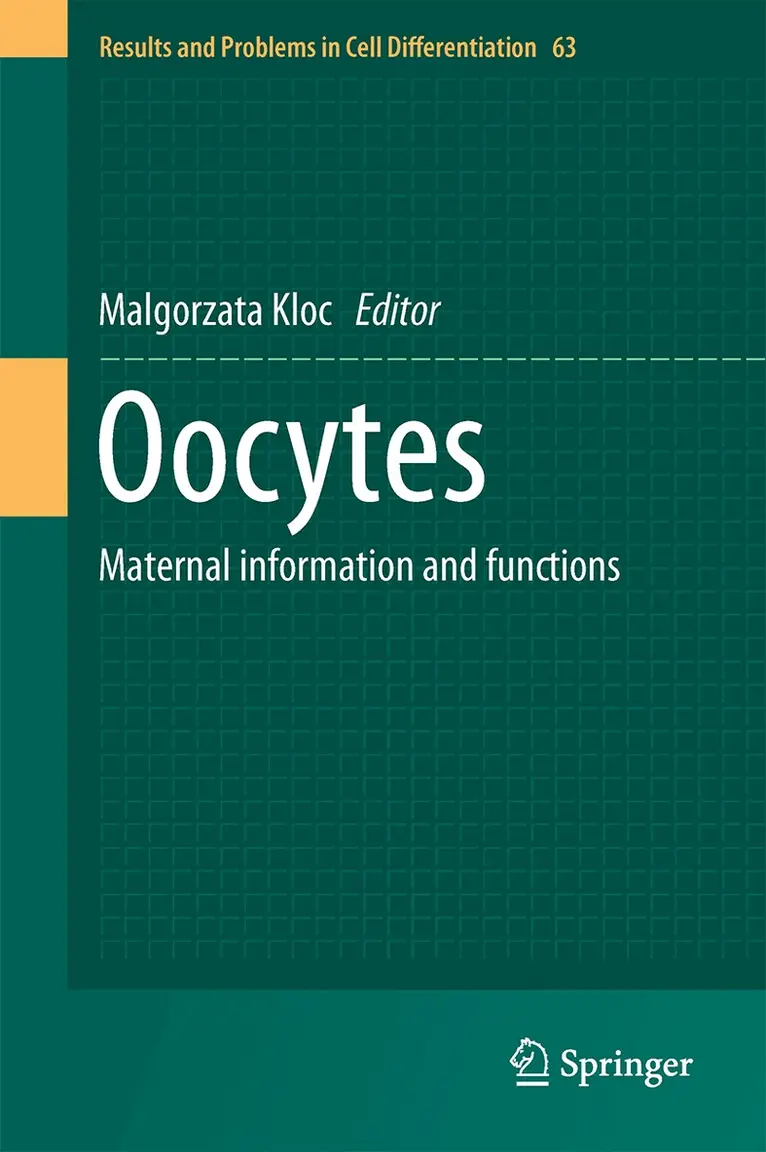
Oocytes
Maternal Information and Functions
2 698 kr
Skickas inom 10-15 vardagar
3 577 kr
Läs direkt efter köp