Manuel Atienza – författare
Visar alla böcker från författaren Manuel Atienza. Handla med fri frakt och snabb leverans.
22 produkter
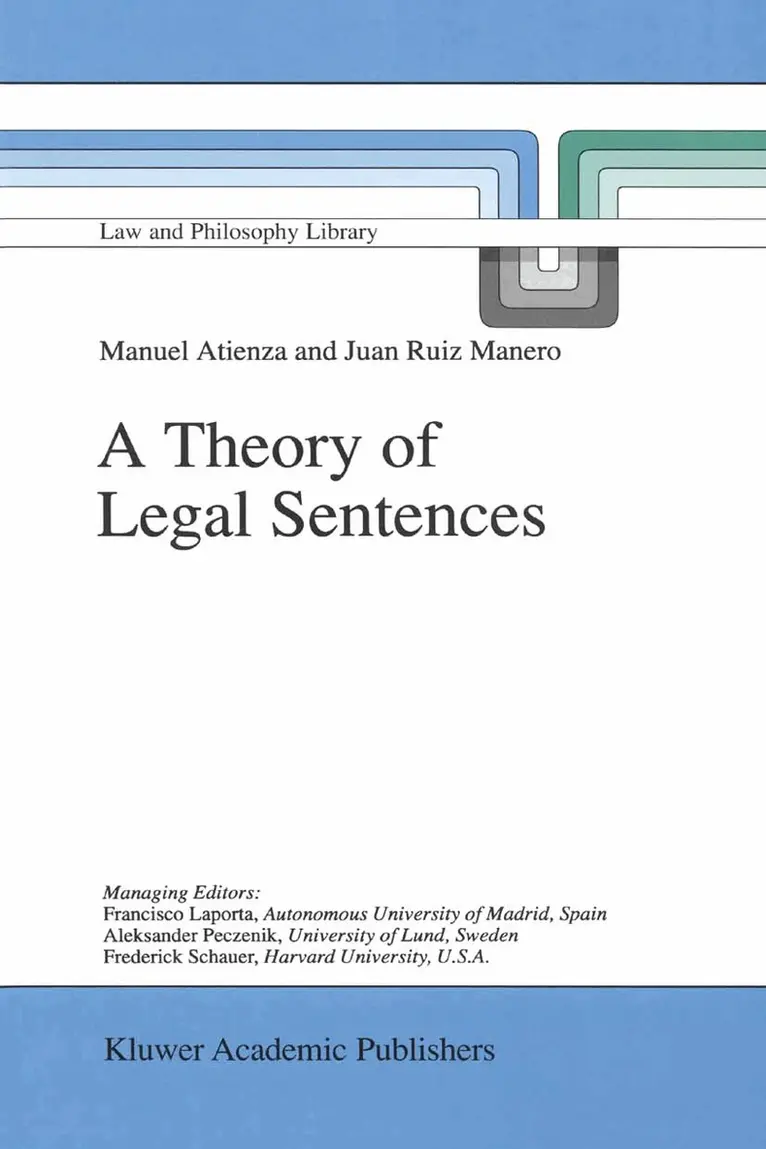
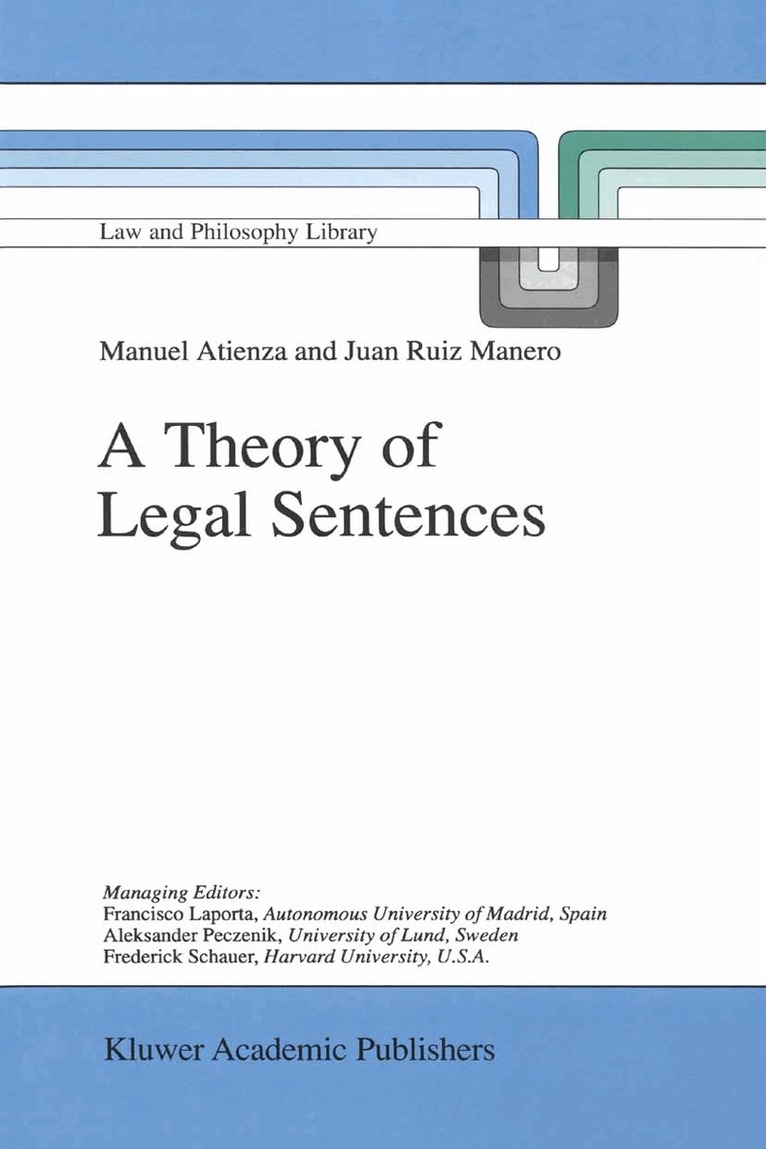
Theory of Legal Sentences
Av Manuel Atienza, J. Ruiz Manero
Inbunden, 1997
1010 kr
Lägg i varukorg
Legal statements are, according to the authors, the most basic elements of the law. Nevertheless they must be considered not only as the pieces of a puzzle, but also as the components of a dynamic and highly complex reality: the law of contemporary society. The book presents an analysis of the …
Human Dignity and the Autonomy of Law
Av José Manuel Aroso Linhares, Manuel Atienza
Inbunden, 2022
1616 kr
Lägg i varukorg
This book intertwines two major themes in contemporary legal theory – the concepts of human dignity and the problem of the autonomy and limits of the law – while also addressing two other key aspects – the first one concerned with human rights practices and foundations (in their direct connections …
Human Dignity and the Autonomy of Law
Av Manuel Atienza, Jose Manuel Aroso Linhares
E-bok, 2022
2092 kr
Lägg i varukorg
This book intertwines two major themes in contemporary legal theory – the concepts of human dignity and the problem of the autonomy and limits of the law – while also addressing two other key aspects – the first one concerned with human rights practices and foundations (in their direct connections …
Human Dignity and the Autonomy of Law
Av José Manuel Aroso Linhares, Manuel Atienza
2022
600 kr
Lägg i varukorg
Human Dignity and the Autonomy of Law
Av José Manuel Aroso Linhares, Manuel Atienza
Häftad, 2023
1616 kr
Lägg i varukorg
This book intertwines two major themes in contemporary legal theory – the concepts of human dignity and the problem of the autonomy and limits of the law – while also addressing two other key aspects – the first one concerned with human rights practices and foundations (in their direct connections …
Un debate sobre la ponderación
Av Juan A. Garcia Amado, Manuel Atienza
E-bok, 2017
65 kr
Lägg i varukorg
La ponderación se ha convertido en el tópico de nuestro tiempo y punto de debates en torno a las concepciones del Derecho, los derechos y la justicia. Precisamente, teniendo como marco el escenario continental europeo, los profesores Manuel Atienza y Juan Antonio García Amado emprenden un "combate …
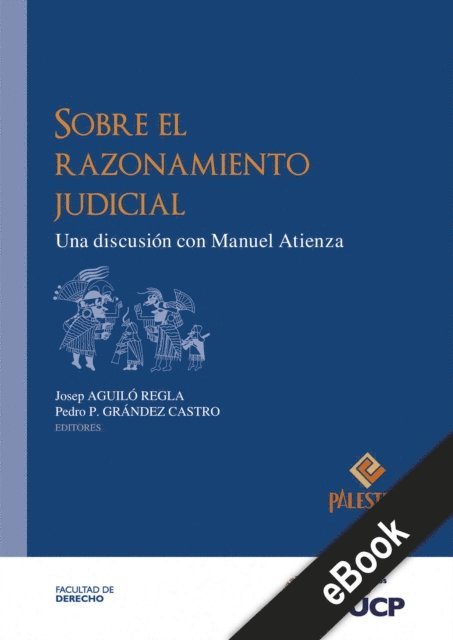
Sobre el razonamiento judicial
Una discusión con Manuel Atienza
E-bok, 2020
241 kr
Lägg i varukorg
La presente obra, que es una muestra de diálogo y argumentación jurídica, abre con diez tesis sobre razonamiento judicial. Acto seguido, quince destacados autores de Europa y América discuten sobre tales tesis, creando un valioso debate sobre las mismas. Finalmente, el autor de las tesis cierra el …
Escritos polémicos
Diálogos sobre Derecho, argumentación y democracia
E-bok, 2021
141 kr
Lägg i varukorg
En palabras del autor, los escritos contenidos en el presente volumen se caracterizan por tratar "sobre un tema controvertido y, por ello, presuponen de alguna forma la imposibilidad de alcanzar un consenso pleno entre las partes, lo que no excluye algunos acuerdos parciales, pero que serán siempre …
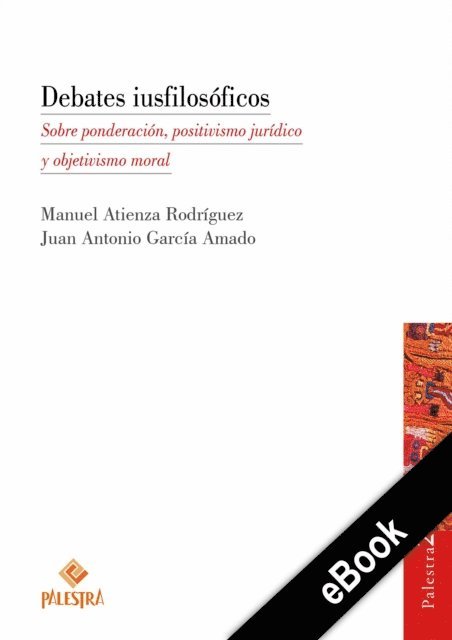
Debates iusfilosóficos
Sobre ponderación, positivismo jurídico y objetivismo moral
Av Juan-Antonio Garcia-Amado, Manuel Atienza
E-bok, 2021
141 kr
Lägg i varukorg
l presente libro reúne una serie de escritos en los que ambos autores emprenden debates en torno a tres temas íntimamente relacionados: la ponderación, el positivismo jurídico y el objetivismo moral.El fluido intercambio entre consensos y disensos no solo permitirá al lector conocer los principales …
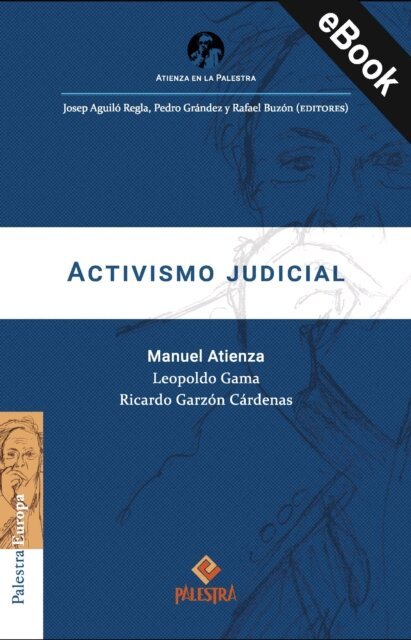
Activismo judicial
Av Ricardo Garzon Cardenas, Leopoldo Gama m. fl.
E-bok, 2025
176 kr
Lägg i varukorg
El aumento del poder de los jueces en los Estados constitucionales contemporáneos plantea muchas cuestiones relativas a en qué consiste una correcta aplicación del Derecho. El formalismo y el activismo judiciales vendrían a representar los dos vicios potenciales y más característicos en la …
Derechos humanos
Av Juan Antonio Cruz Parcero, Maria Beatriz Arriagada m. fl.
E-bok, 2025
434 kr
Lägg i varukorg
El libro ofrece una discusión en torno a la concepción de los derechos humanos de Manuel Atienza, quien los considera la brújula que debe orientar al jurista contemporáneo: "el ethos profesional del jurista y, por tanto, también del filósofo del Derecho no puede ser otro que el de contribuir a la …
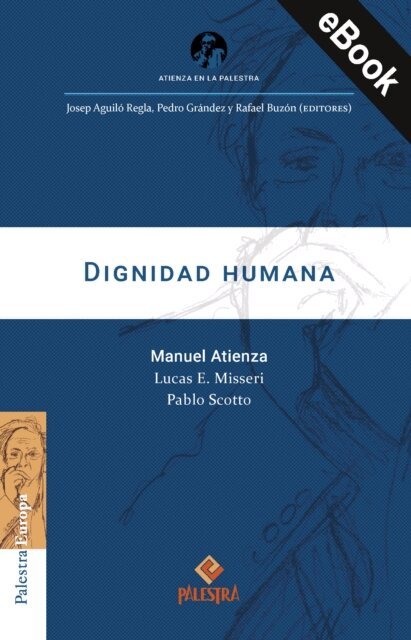
Dignidad humana
Av Pablo Scotto, Lucas E. Misseri m. fl.
E-bok, 2026
129 kr
Lägg i varukorg
Para construir su concepcion de la dignidad humana, Atienza parte de la constatacion de la pluralidad de significados distintos de dicho concepto a lo largo de la historia, no todos compatibles entre si. Sobre esta base tratara de construir una unidad compleja con varias dimensiones para solventar …
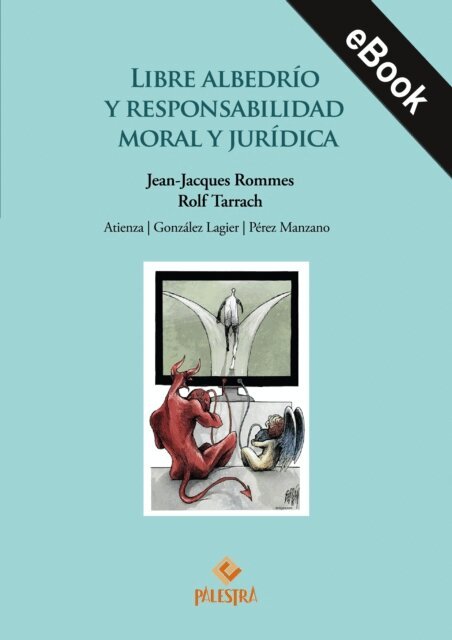
Libre albedrío y responsabilidad moral y jurídica
Av Mercedes Perez Manzano, Daniel Gonzalez Lagier m. fl.
E-bok, 2026
129 kr
Lägg i varukorg
"¿Existe realmente el libre albedrío?" Esta pregunta, discutida desde Aristóteles hasta la neurociencia contemporánea, constituye el eje de Libre albedrío y responsabilidad moral y jurídica. Jean-Jacques Rommes y Rolf Tarrach —un jurista y un físico cuántico— ofrecen una reflexión …
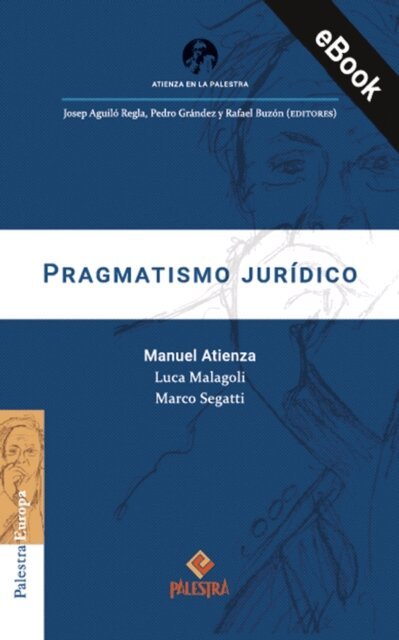
Pragmatismo juridico
Av Marco Segatti, Luca Malagoli m. fl.
E-bok, 2026
129 kr
Lägg i varukorg
El pragmatismo implica la concepcion del Derecho como una practica social y no como un objeto, con una fuerte tendencia hacia lo concreto y real, asi como el reconocimiento de la verdad como algo que hacemos mas que como algo que descubrimos. Sin embargo, no es una posicion uniforme, por ello, …
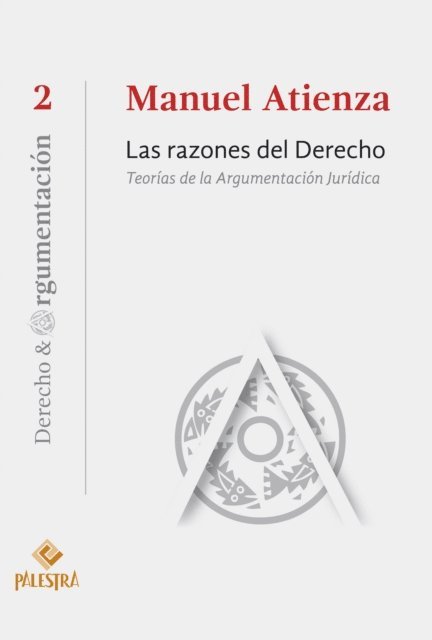
Las razones del Derecho
Teorías de la Argumentación Jurídica
E-bok, 2017
141 kr
Lägg i varukorg
Las Razones del Derecho estudia de manera analítica y crítica las teorías más relevantes desarrolladas a partir de la segunda mitad del siglo XX y que se presentan como precursoras de la teoría contemporánea de la argumentación jurídica. En la primera parte se analizan, la tópica de Viehweg; la …
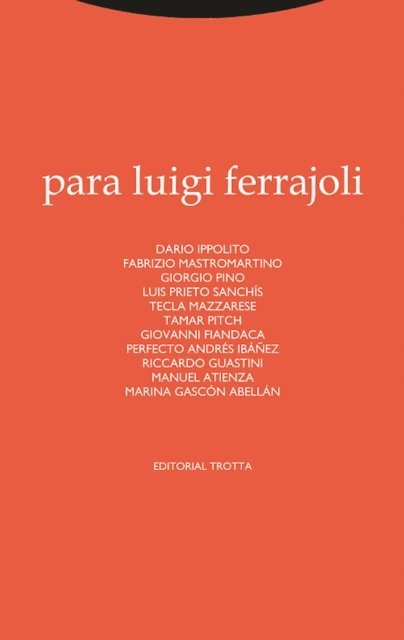
Para Luigi Ferrajoli
Av Marina Gascon Abellan, Manuel Atienza m. fl.
E-bok, 2021
125 kr
Lägg i varukorg
«La obra imponente de Luigi Ferrajoli —tras más de medio siglo de producción teórica y de un esfuerzo titánico, generoso y cristalino, volcado en la teorización y la lucha por el mejor derecho y por los derechos de todos— expresa la convergencia de tres vectores, tres almas que no suelen …
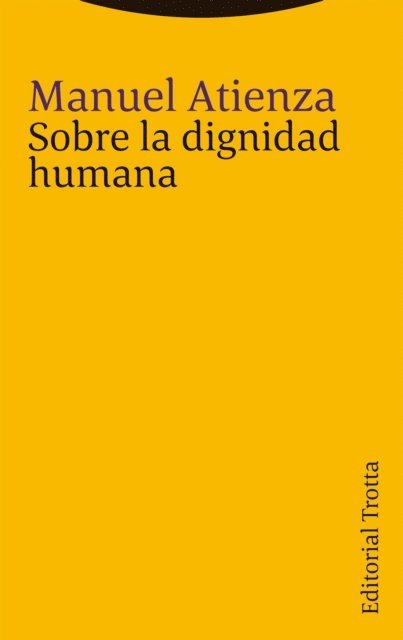
Sobre la dignidad humana
E-bok, 2022
147 kr
Lägg i varukorg
A pesar de que el concepto de dignidad humana sea probablemente el más básico del Derecho del Estado constitucional, los juristas no se han preocupado, hasta hace muy poco, por aclarar esa noción; en muy buena medida, eso se debe al predominio —en la teoría y en la práctica del Derecho—, también …
Ilícitos atípicos
Sobre el abuso del derecho, el fraude de ley y la desviación de poder
Av Juan Ruiz Manero, Manuel Atienza
E-bok, 2023
113 kr
Lägg i varukorg
La obra aborda la noción de ilícitos atípicos desde dos ideas fundamentales. La primera es que las tres figuras del abuso del derecho, el fraude de ley y la desviación de poder obedecen a una misma lógica. Y la otra es que lo que caracteriza a los ilícitos atípicos (frente a los ilícitos típicos) …
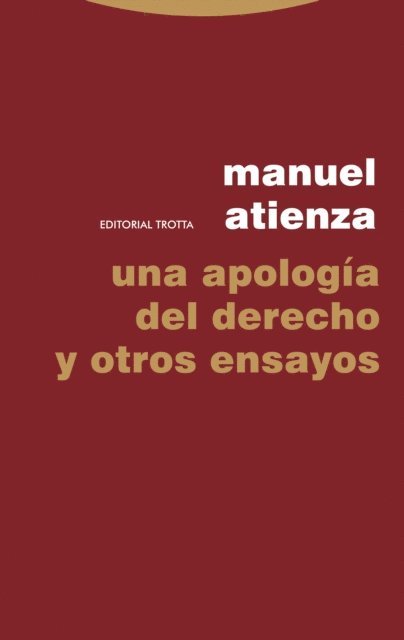
Una apología del Derecho y otros ensayos
E-bok, 2020
181 kr
Lägg i varukorg
Los diez ensayos jurídicos que se recogen en este libro tratan sobre temas muy variados: el futuro del Derecho y de la filosofía del Derecho, el razonamiento jurídico, los límites del Derecho, el activismo judicial, los derechos humanos, el Derecho y la literatura…Todos ellos obedecen, sin embargo, …
Theory of Legal Sentences
Av J. Ruiz Manero, Manuel Atienza
E-bok, 2012
1413 kr
Lägg i varukorg
Legal statements are, according to the authors, the most basic elements of the law. Nevertheless they must be considered not only as the pieces of a puzzle, but also as the components of a dynamic and highly complex reality: the law of contemporary society. The book presents an analysis of the …
Theory of Legal Sentences
Av Manuel Atienza, J. Ruiz Manero m. fl.
Häftad, 2012
1098 kr
Lägg i varukorg
Legal statements are, according to the authors, the most basic elements of the law. Nevertheless they must be considered not only as the pieces of a puzzle, but also as the components of a dynamic and highly complex reality: the law of contemporary society. The book presents an analysis of the …
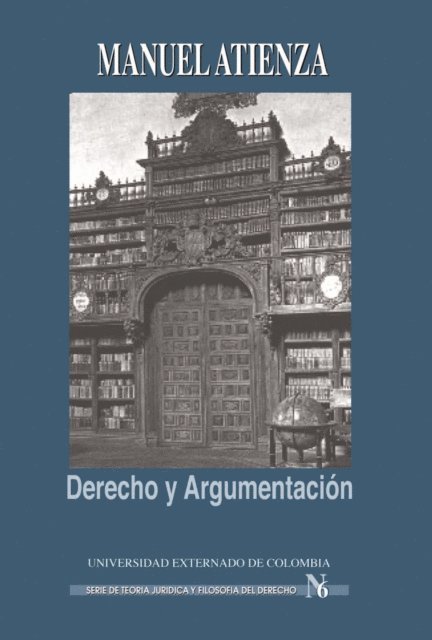
Derecho y Argumentación
E-bok, 2010
34 kr
Lägg i varukorg
Atienza presenta en esta obra un esquema general que puede servir de guía para edificar una teoría de la argumentación jurídica y aplica a un caso concreto, el del autoconsumo de drogas, algunos de sus planteamientos teóricos. Este texto pone en evidencia que la argumentación jurídica está …