Marc Eisenstadt – författare
Visar alla böcker från författaren Marc Eisenstadt. Handla med fri frakt och snabb leverans.
9 produkter
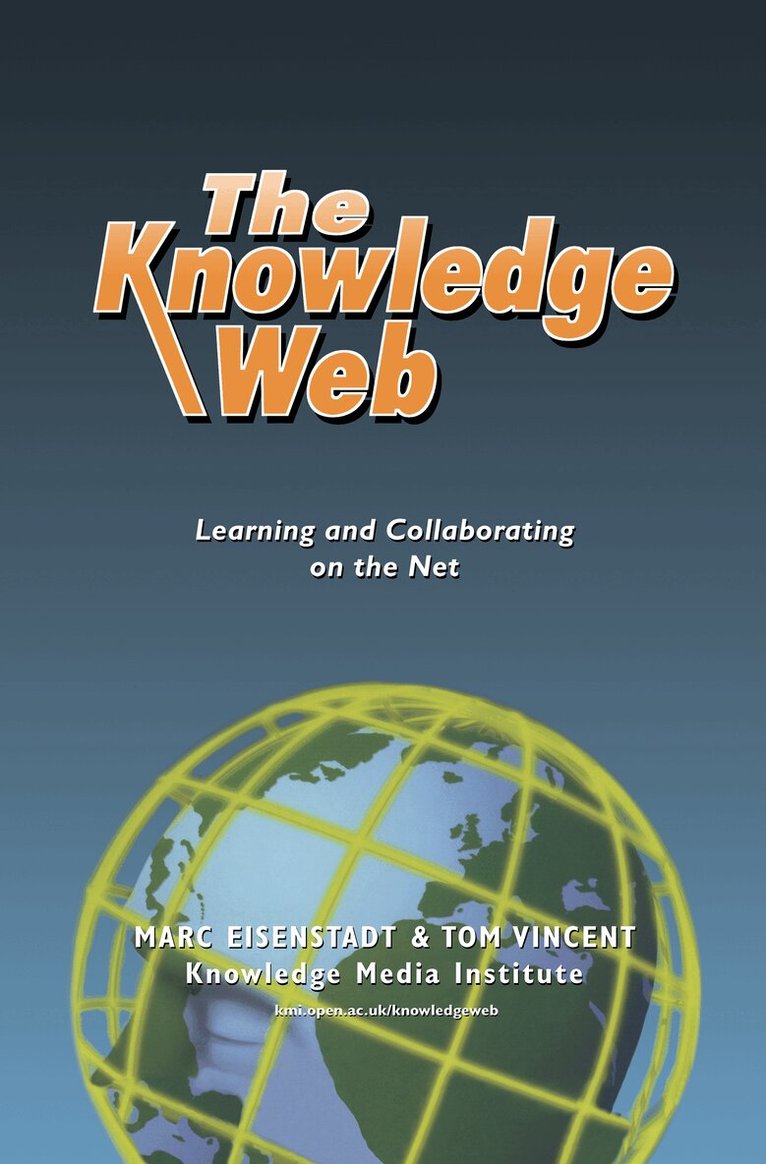
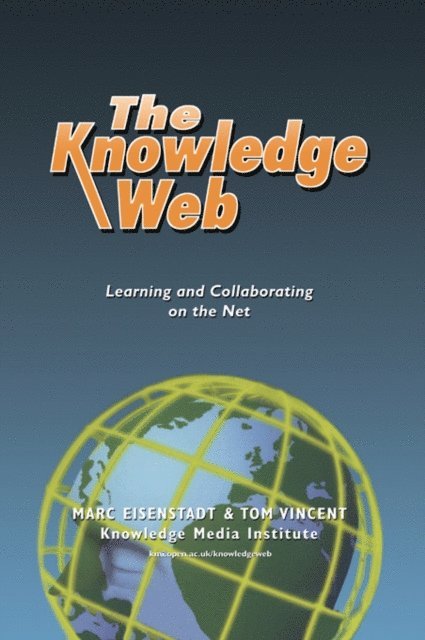
Knowledge Web
Learning and Collaborating on the Net
Av Marc Eisenstadt, Tom Vincent
Inbunden, 1998
968 kr
Lägg i varukorg
Featuring contributions from staff and associates of the Knowledge Media Institute at the UK Open University, this text provides a glimpse into the wide variety of projects undertaken in the development and assessment of distance learning technologies.
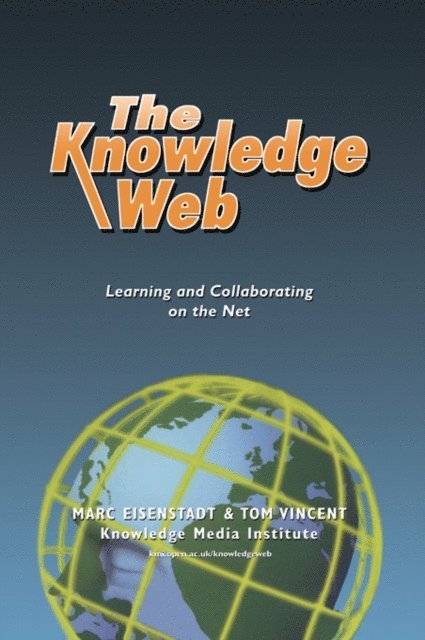
Knowledge Web
Learning and Collaborating on the Net
Av Marc Eisenstadt, Tom Vincent
Häftad, 2000
403 kr
Lägg i varukorg
Featuring contributions from staff and associates of the Knowledge Media Institute at the UK Open University, this text provides a glimpse into the wide variety of projects undertaken in the development and assessment of distance learning technologies.
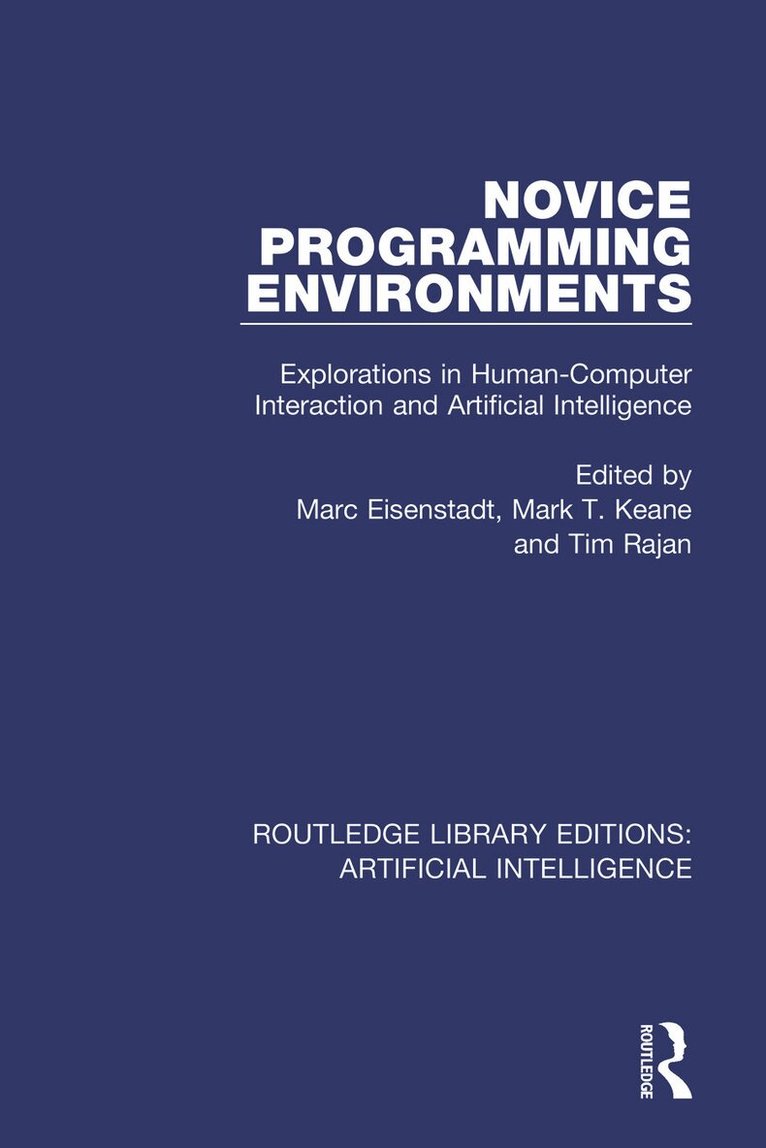
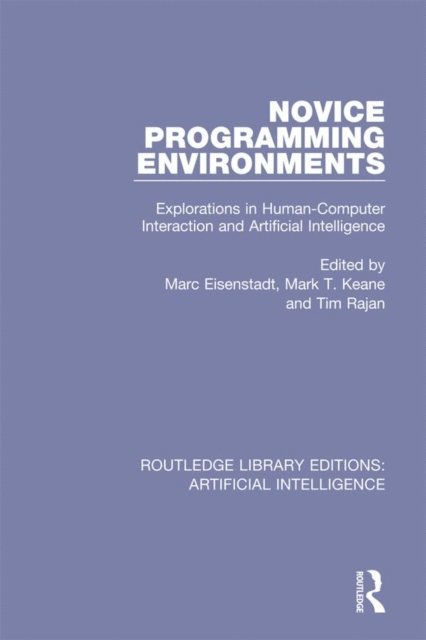
Novice Programming Environments
Explorations in Human-Computer Interaction and Artificial Intelligence
Av Marc Eisenstadt, Mark Keane m. fl.
Inbunden, 2018
2071 kr
Lägg i varukorg
This book, originally published in 1992, encapsulates ten years of research at the Open University’s Human Cognition Research Laboratory. The research investigates the problems of novice programmers, and is strongly oriented toward the design and implementation of "programming environments" aimed …
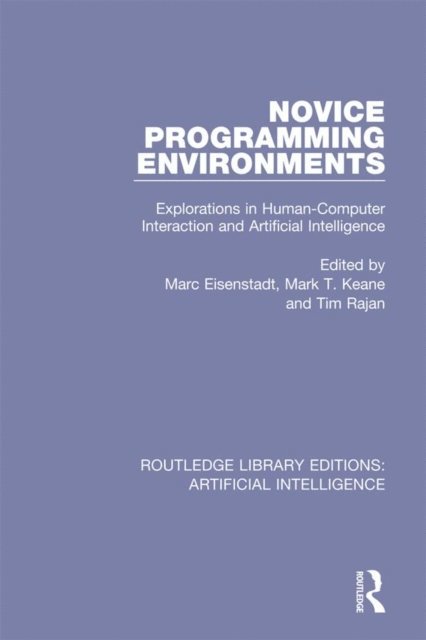
Novice Programming Environments
Explorations in Human-Computer Interaction and Artificial Intelligence
Av Marc Eisenstadt, Mark Keane m. fl.
Häftad, 2020
544 kr
Lägg i varukorg
This book, originally published in 1992, encapsulates ten years of research at the Open University’s Human Cognition Research Laboratory. The research investigates the problems of novice programmers, and is strongly oriented toward the design and implementation of "programming environments" aimed …
Knowledge Web
Learning and Collaborating on the Net
Av Tom Vincent, Marc Eisenstadt
E-bok, 2012
471 kr
Lägg i varukorg
Featuring contributions from staff and associates of the Knowledge Media Institute at the UK Open University, this text provides a glimpse into the wide variety of projects undertaken in the development and assessment of distance learning technologies.
Knowledge Web
Learning and Collaborating on the Net
Av Tom Vincent, Marc Eisenstadt
E-bok, 2012
471 kr
Lägg i varukorg
Featuring contributions from staff and associates of the Knowledge Media Institute at the UK Open University, this text provides a glimpse into the wide variety of projects undertaken in the development and assessment of distance learning technologies.
Novice Programming Environments
Explorations in Human-Computer Interaction and Artificial Intelligence
Av Tim Rajan, Mark Keane m. fl.
E-bok, 2018
663 kr
Lägg i varukorg
This book, originally published in 1992, encapsulates ten years of research at the Open University’s Human Cognition Research Laboratory. The research investigates the problems of novice programmers, and is strongly oriented toward the design and implementation of "programming environments" aimed …
Novice Programming Environments
Explorations in Human-Computer Interaction and Artificial Intelligence
Av Tim Rajan, Mark Keane m. fl.
E-bok, 2018
678 kr
Lägg i varukorg
This book, originally published in 1992, encapsulates ten years of research at the Open University’s Human Cognition Research Laboratory. The research investigates the problems of novice programmers, and is strongly oriented toward the design and implementation of "programming environments" aimed …
Transparent Prolog Machine
Av Jocelyn Paine, Marc Eisenstadt m. fl.
Inbunden, 1991
295 kr
Tillfälligt slut
This book explains a new approach to debugging Prolog programs and to teaching the Prolog language. TPM's style of graphical representation (AORTA diagrams) is widely accepted as the best graphical visualization of Prolog execution. TPM was developed at the Open University in collaboration with …