Marion Winters – författare
Visar alla böcker från författaren Marion Winters. Handla med fri frakt och snabb leverans.
8 produkter
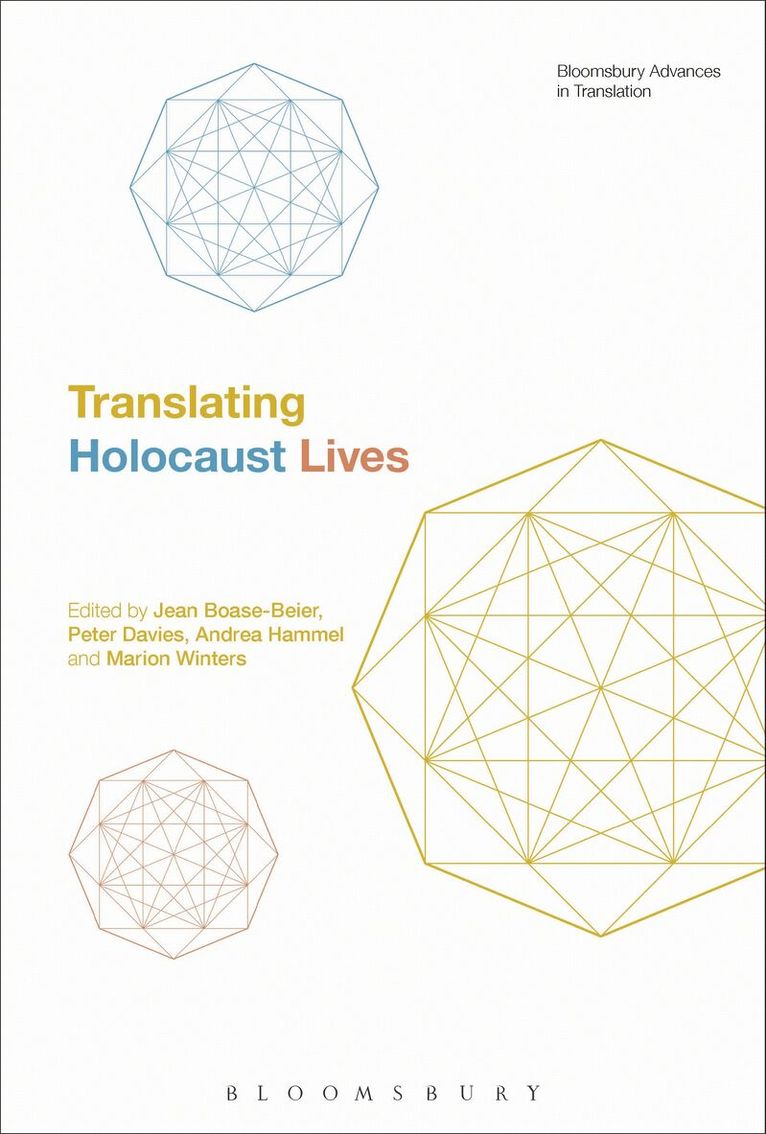
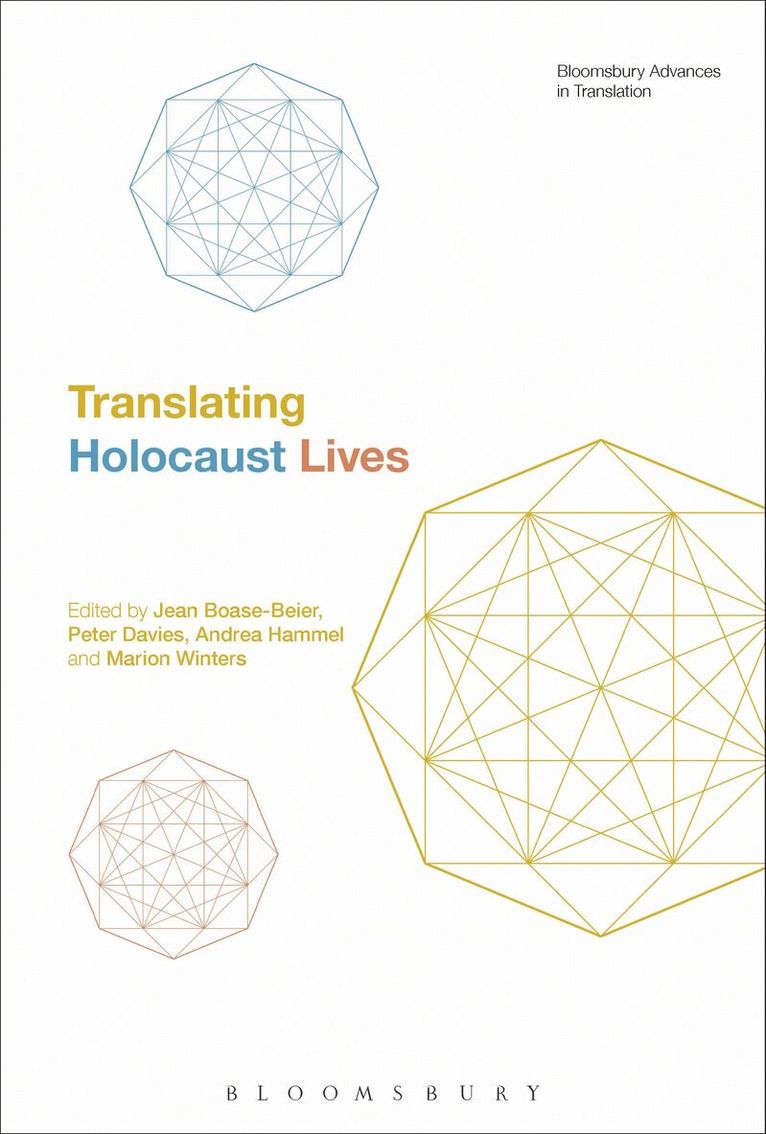
Translating Holocaust Lives
Av Jean Boase-Beier, Peter Davies m. fl.
Häftad, 2018
529 kr
Lägg i varukorg
For readers in the English-speaking world, almost all Holocaust writing is translated writing. Translation is indispensable for our understanding of the Holocaust because there is a need to tell others what happened in a way that makes events and experiences accessible – if not, perhaps, …
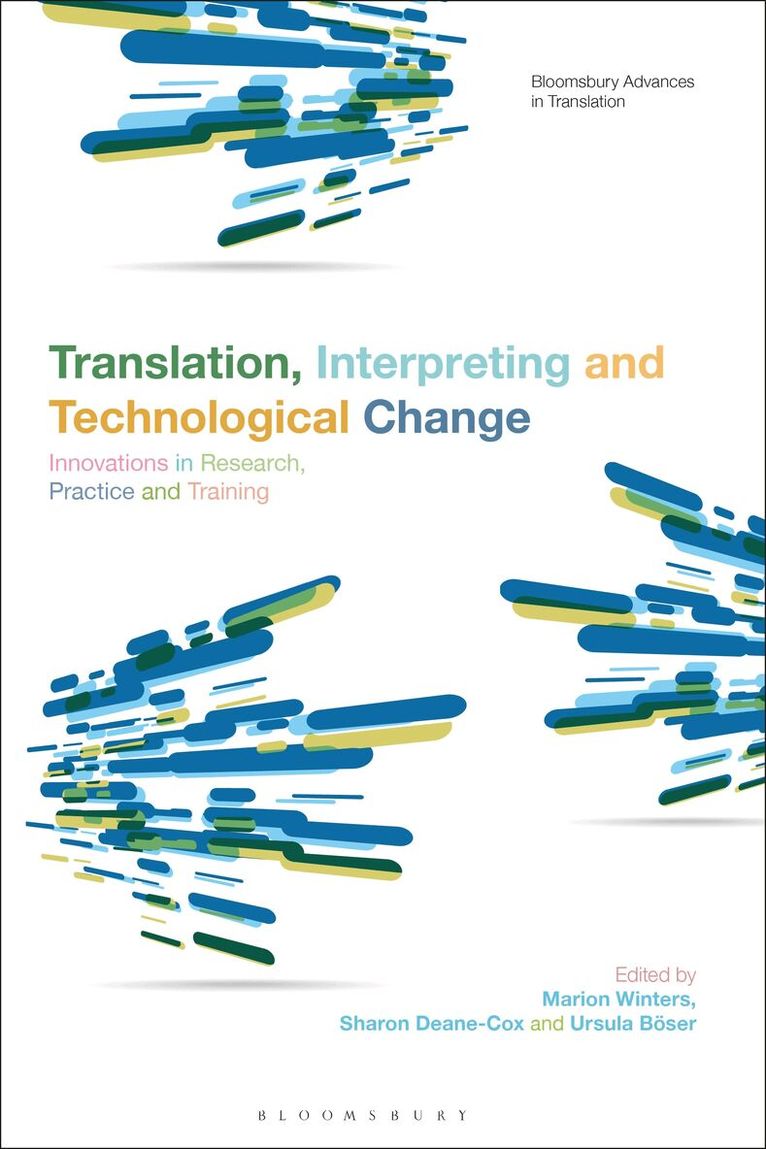
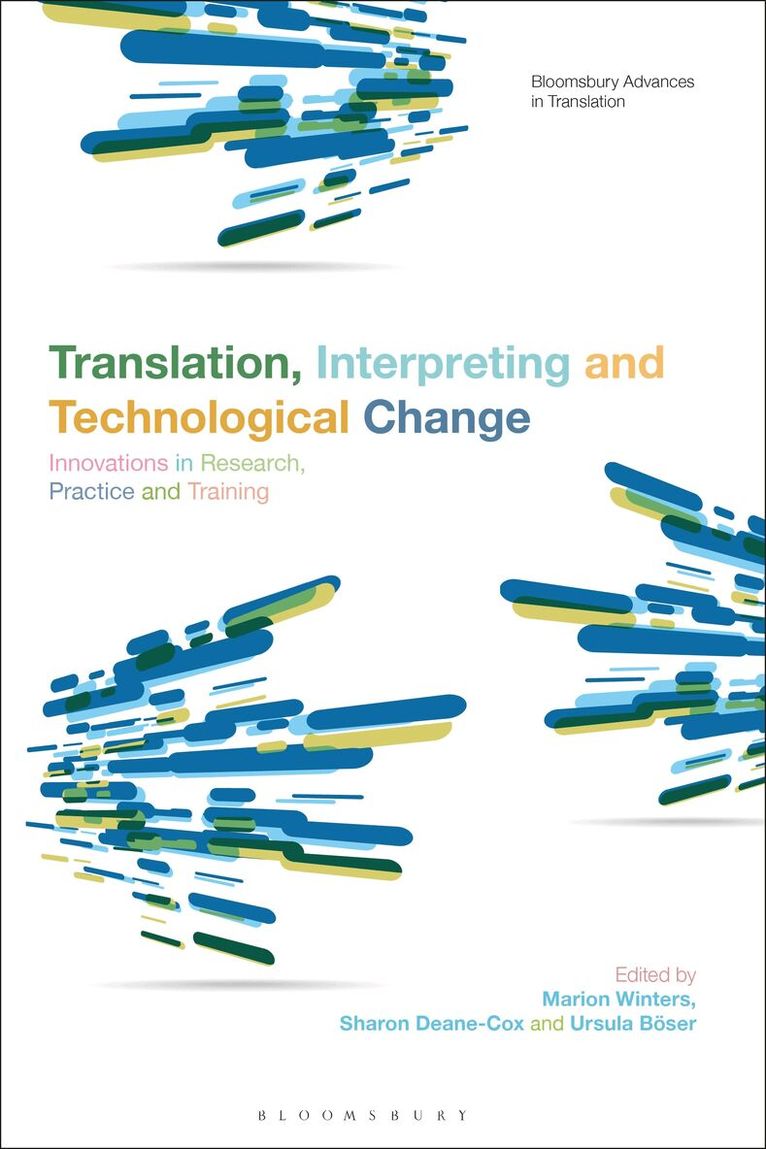
Translation, Interpreting and Technological Change
Innovations in Research, Practice and Training
Av Marion Winters, Sharon Deane-Cox m. fl.
Inbunden, 2024
1458 kr
Lägg i varukorg
The digital era is characterised by technological advances that increase the speed and breadth of knowledge turnover within the economy and society. This book examines the impact of these technological advances on translation and interpreting and how new technologies are changing the very nature of …
Translation, Interpreting and Technological Change
Innovations in Research, Practice and Training
Av Marion Winters, Sharon Deane-Cox m. fl.
E-bok, 2024
466 kr
Lägg i varukorg
The digital era is characterised by technological advances that increase the speed and breadth of knowledge turnover within the economy and society. This book examines the impact of these technological advances on translation and interpreting and how new technologies are changing the very nature of …
Translation, Interpreting and Technological Change
Innovations in Research, Practice and Training
Av Marion Winters, Sharon Deane-Cox m. fl.
E-bok, 2024
466 kr
Lägg i varukorg
The digital era is characterised by technological advances that increase the speed and breadth of knowledge turnover within the economy and society. This book examines the impact of these technological advances on translation and interpreting and how new technologies are changing the very nature of …
Translation, Interpreting and Technological Change
Innovations in Research, Practice and Training
Av Marion Winters, Sharon Deane-Cox m. fl.
Häftad, 2025
428 kr
Lägg i varukorg
The digital era is characterised by technological advances that increase the speed and breadth of knowledge turnover within the economy and society. This book examines the impact of these technological advances on translation and interpreting and how new technologies are changing the very nature of …
Translating Holocaust Lives
Av Jean Boase-Beier, Peter Davies m. fl.
Inbunden, 2017
2038 kr
Lägg i varukorg
For readers in the English-speaking world, almost all Holocaust writing is translated writing. Translation is indispensable for our understanding of the Holocaust because there is a need to tell others what happened in a way that makes events and experiences accessible – if not, perhaps, …
Translating Holocaust Lives
Av Jean Boase-Beier, Peter Davies m. fl.
E-bok, 2017
578 kr
Lägg i varukorg
For readers in the English-speaking world, almost all Holocaust writing is translated writing. Translation is indispensable for our understanding of the Holocaust because there is a need to tell others what happened in a way that makes events and experiences accessible – if not, perhaps, …
Translating Holocaust Lives
Av Jean Boase-Beier, Peter Davies m. fl.
E-bok, 2017
560 kr
Lägg i varukorg
For readers in the English-speaking world, almost all Holocaust writing is translated writing. Translation is indispensable for our understanding of the Holocaust because there is a need to tell others what happened in a way that makes events and experiences accessible – if not, perhaps, …